Discover insights about this artwork
Étude de nu — History & Facts
In Étude de nu, Gustave Courbet presents a nude figure reclining against a neutral background. The colors are warm, with soft flesh tones contrasting against the muted backdrop. The figure is depicted with a naturalistic approach, emphasizing the curves and contours of the human body.
The overall composition draws the viewer’s eye to the figure's form and posture. The painting is executed in oil on canvas, showcasing Courbet's skill in rendering textures and skin tones. The brushwork is deliberate, with visible strokes that add depth and dimension to the figure. The dimensions are approximately 60 x 80 cm, making it a medium-sized work that invites close examination.
The realistic portrayal of the human body reflects Courbet's commitment to naturalism. Gustave Courbet was a leading figure in the Realism movement, which sought to depict everyday life and the human condition. Étude de nu is significant as it exemplifies his focus on the nude form, challenging traditional representations in art. Interestingly, Courbet often used himself as a model for his works, which adds a personal dimension to his studies.
This painting reflects his belief in the importance of portraying reality without idealization.
More Artworks by Gustave Courbet
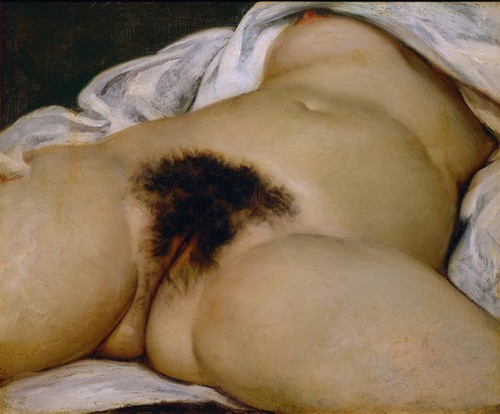
Origin of the World
Gustave Courbet
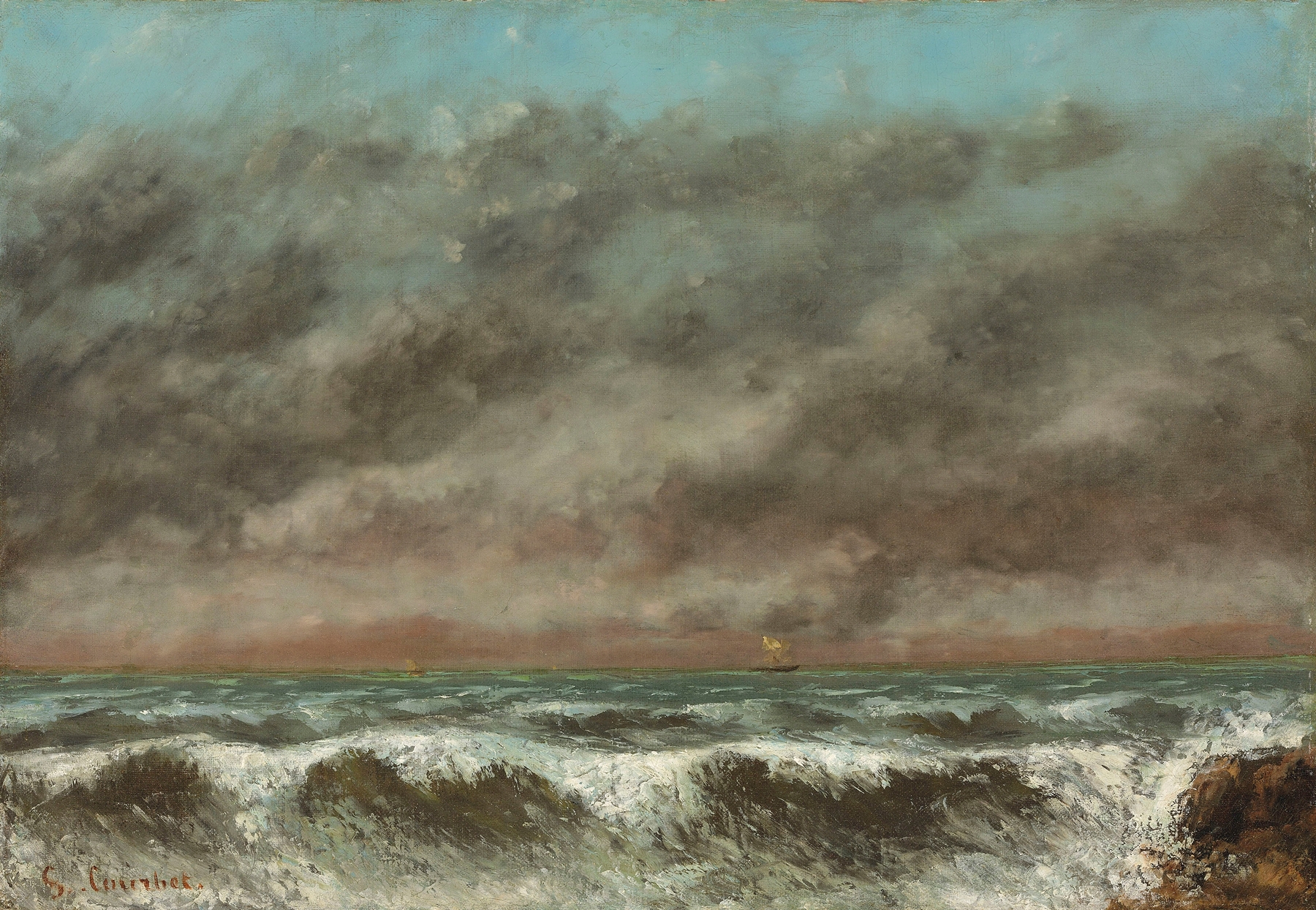
Marine
Gustave Courbet
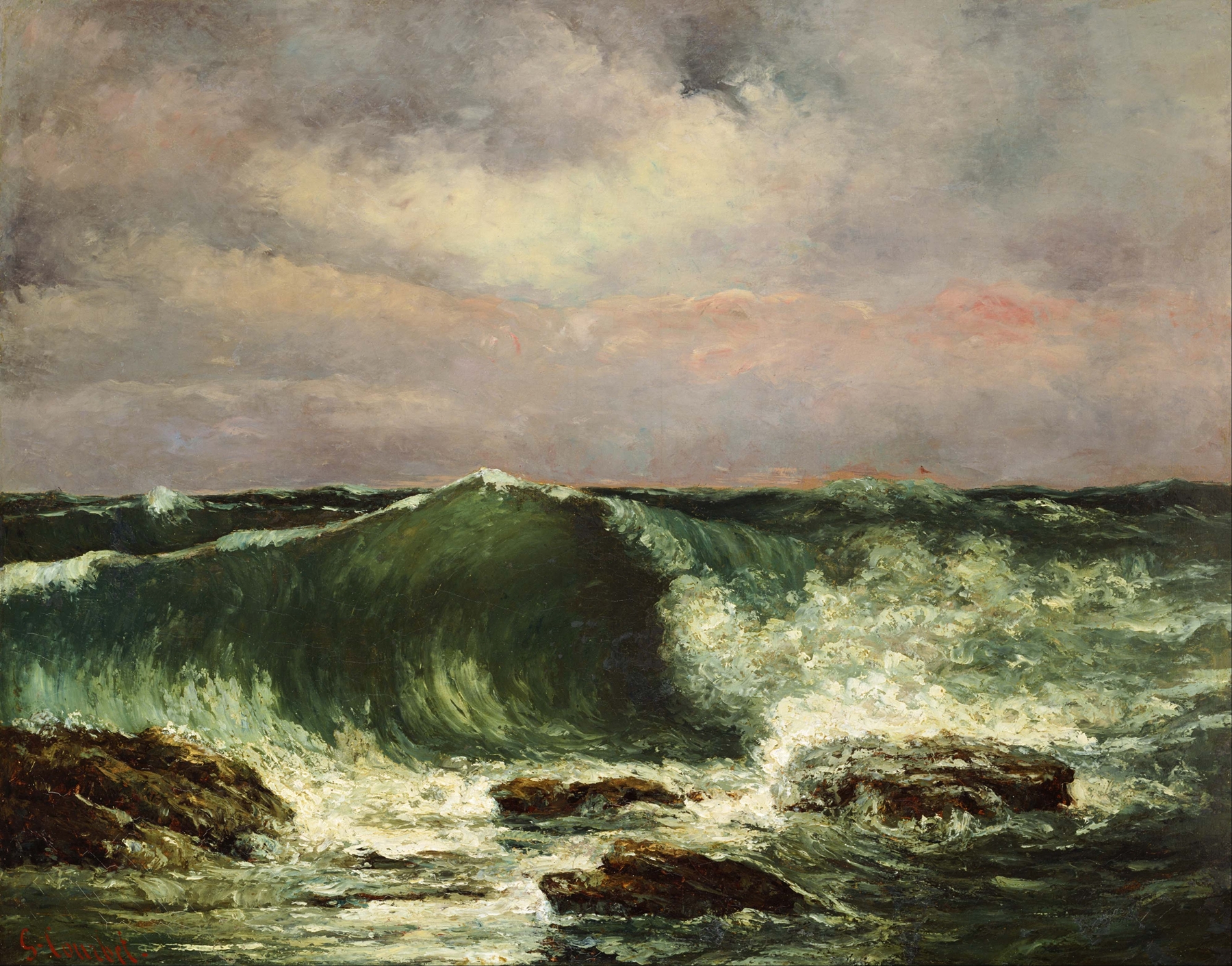
Waves
Gustave Courbet
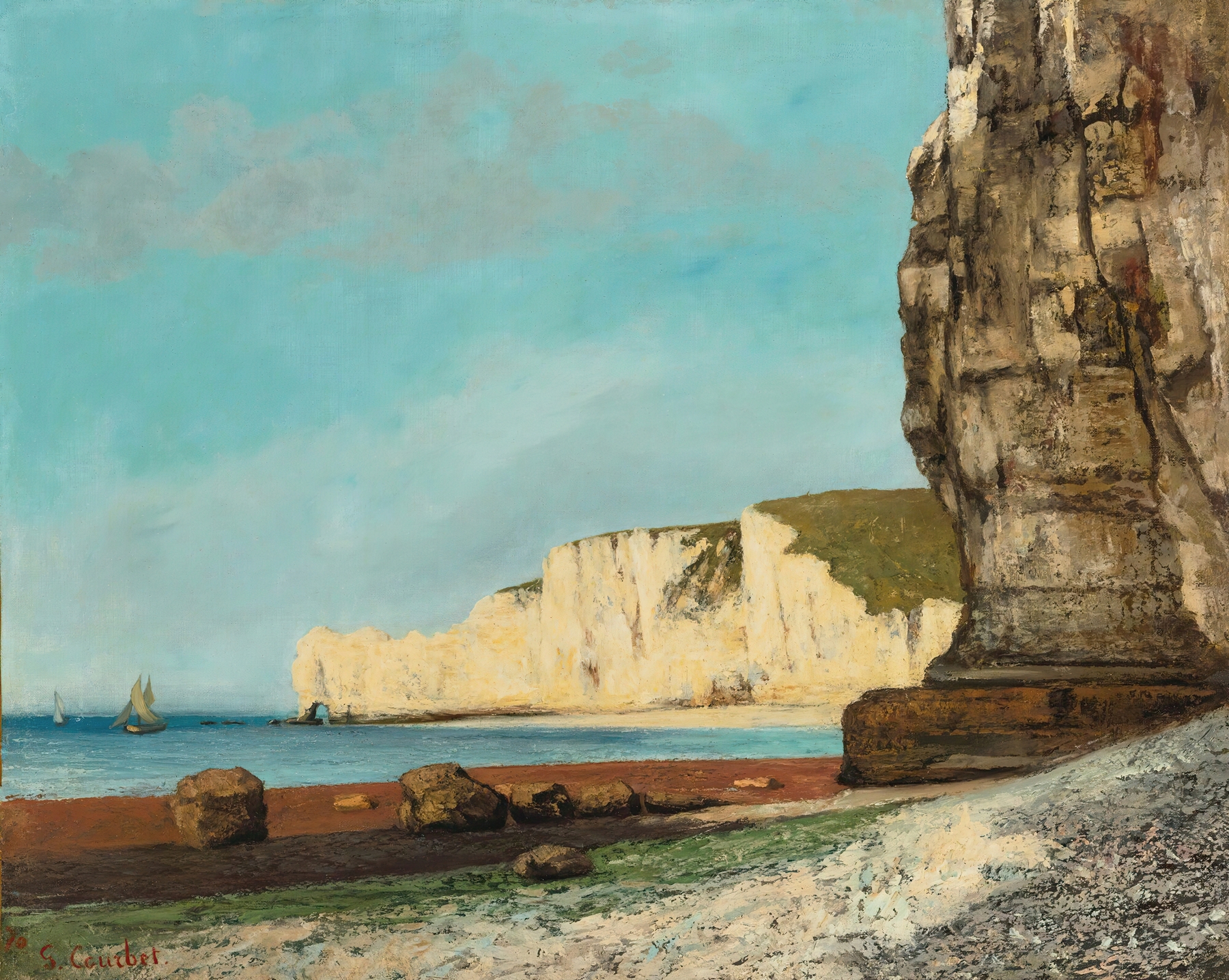
Étretat; Les Falaises
Gustave Courbet
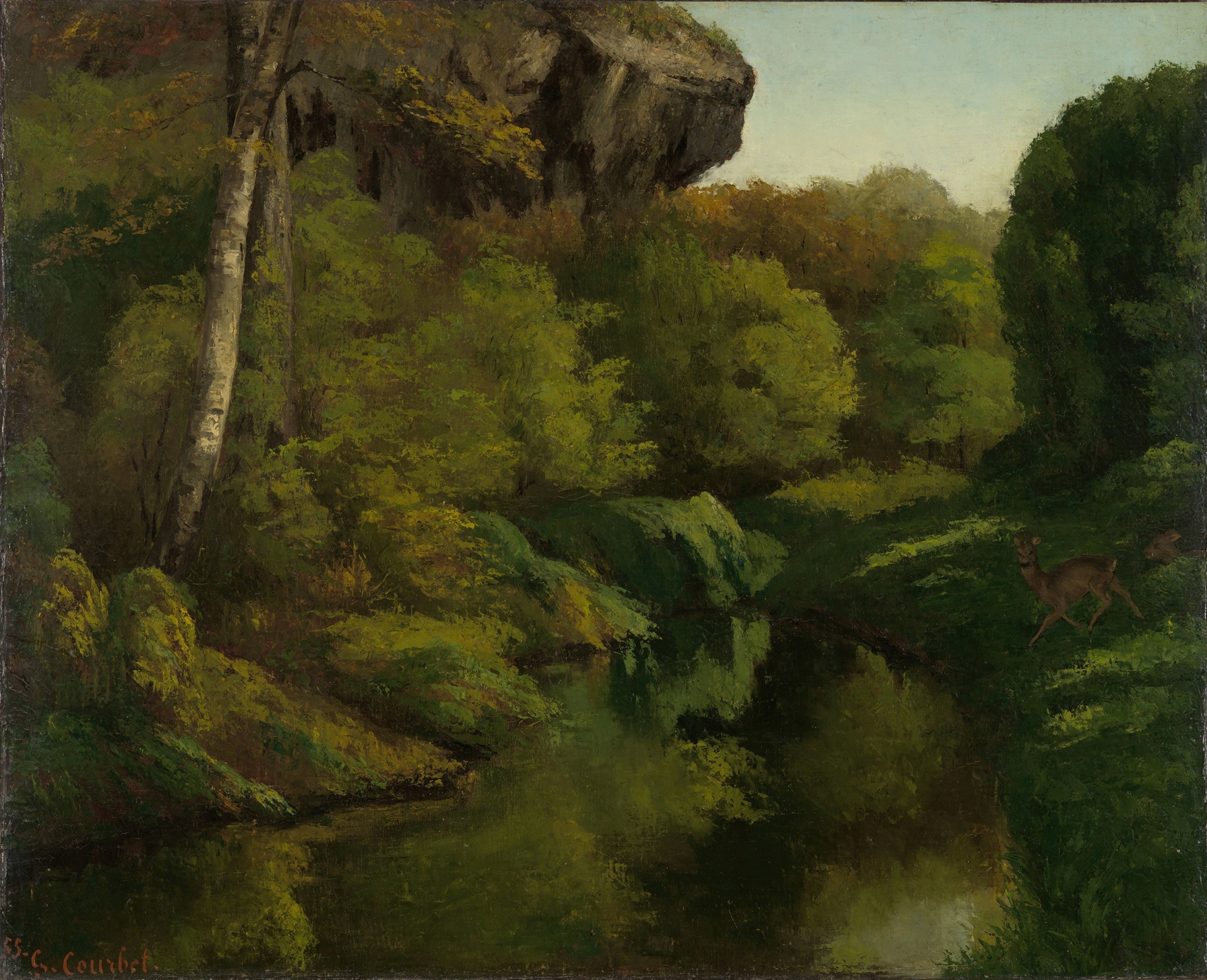
View in the Forest of Fontainebleau
Gustave Courbet
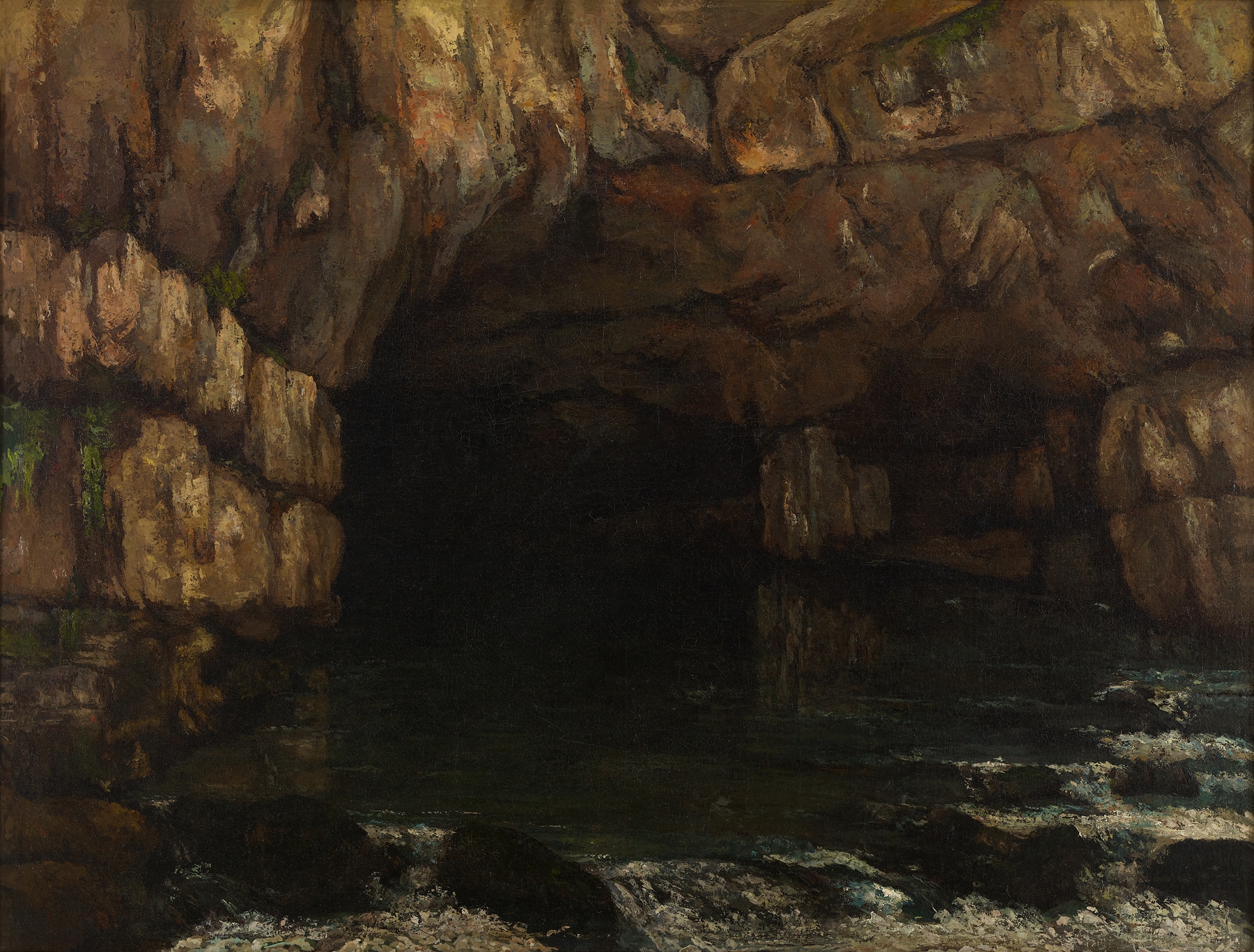
La source de la Loue (The Source of the Loue)
Gustave Courbet
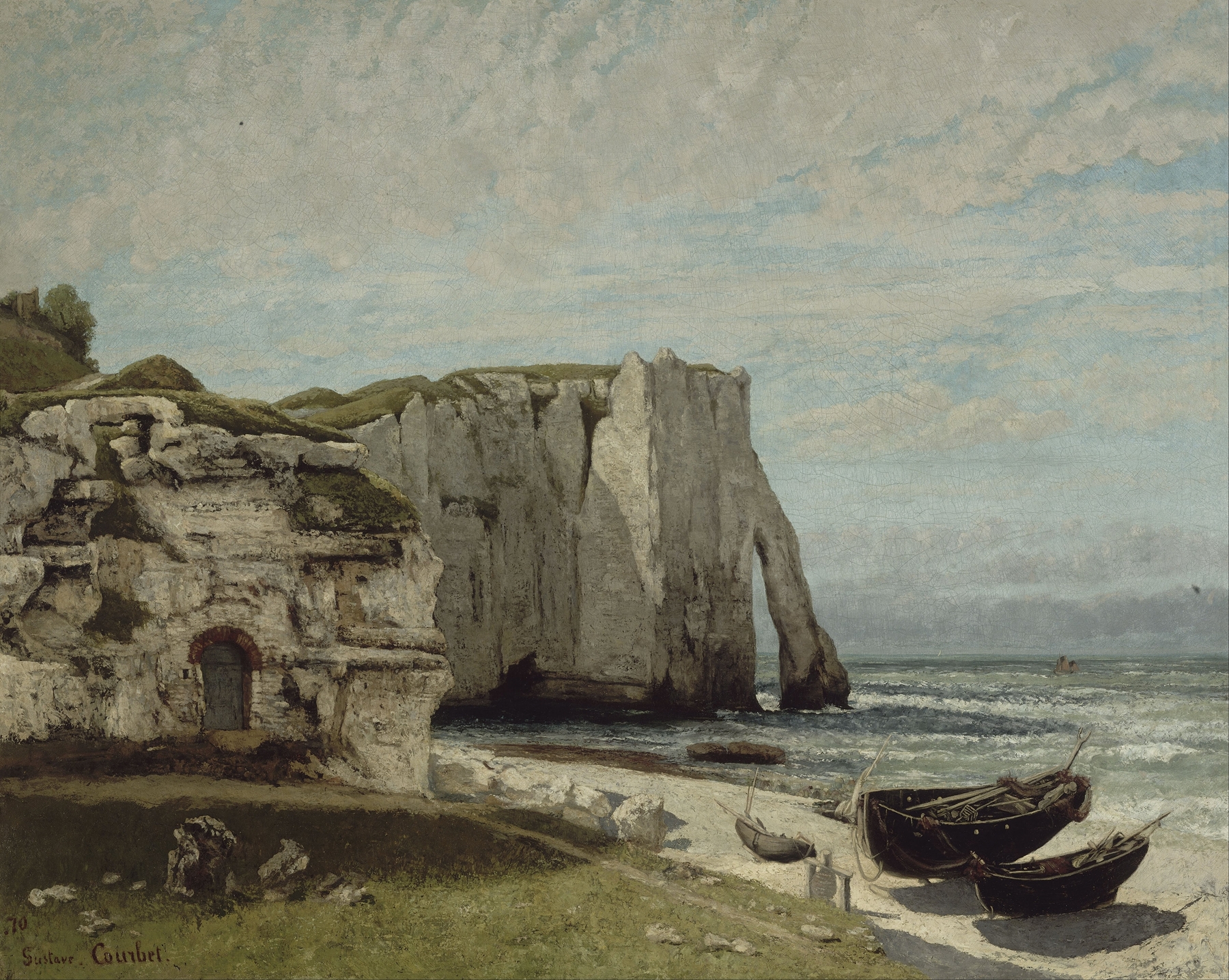
The Etretat Cliffs after the Storm
Gustave Courbet
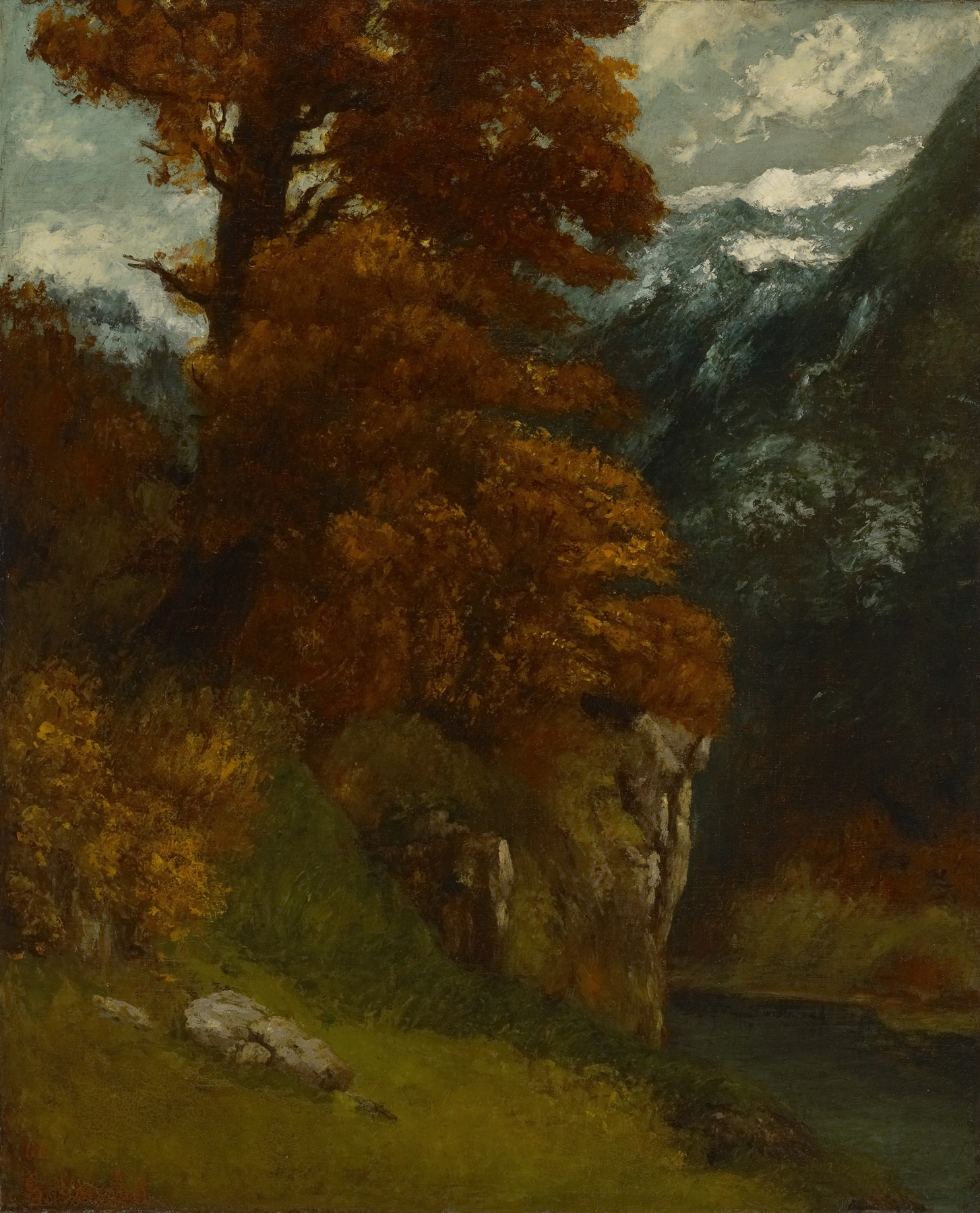
The Glen at Ornans (Bords du Doubs; Effet d’Automne)
Gustave Courbet
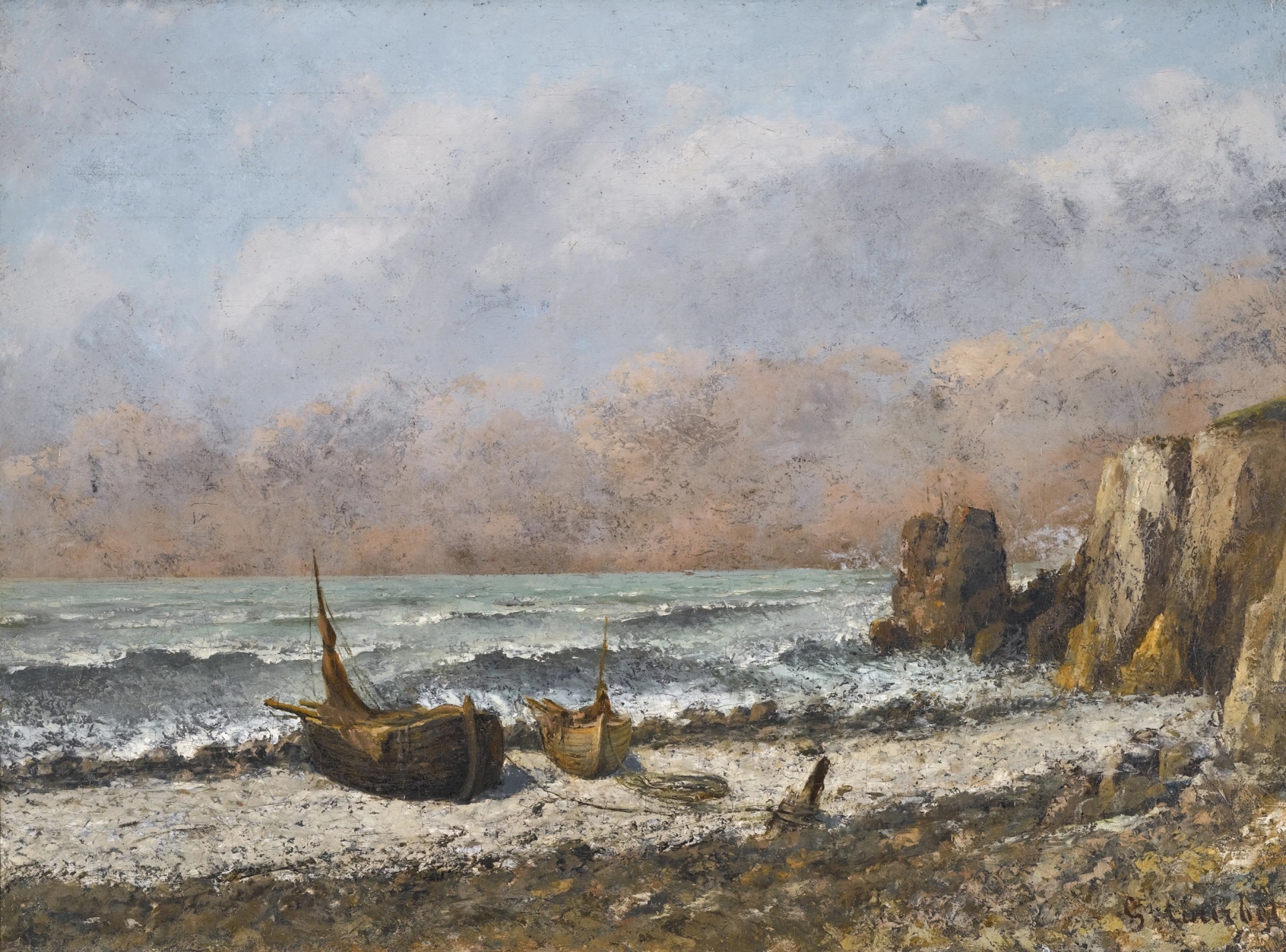
Deux bateaux sur la plage
Gustave Courbet
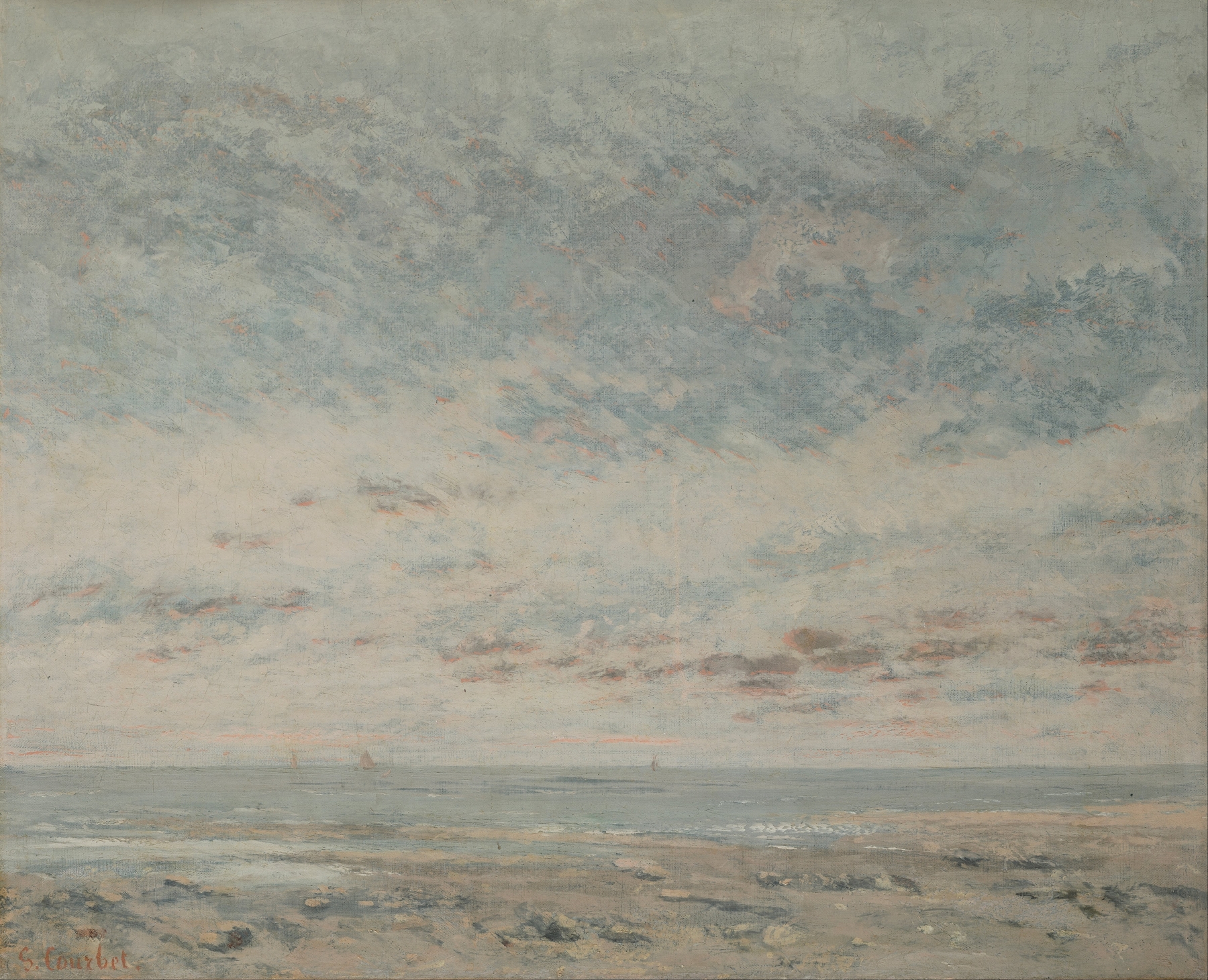
Low Tide at Trouville
Gustave Courbet