
Eve with the Apple — History & Facts
What first draws the eye in Eve with the Apple is the quiet tension in the figure’s stance—Eve stands upright, but her weight shifts subtly onto one leg, giving her body a gentle curve that feels both classical and newly alive. The apple, clutched in her right hand, is not raised in triumph or shame, but simply held, as if the moment of decision has just passed or is still lingering. Her gaze is averted, head turned slightly to the side, suggesting thoughtfulness or perhaps the first stirrings of regret.
The smooth, unbroken surface of the sculpture catches the light in a way that accentuates muscle and form without harshness, inviting the viewer to trace the contours with their eyes. There is a sense of pause here, a breath held between innocence and knowledge. At the turn of the twentieth century, artists like Aristide Maillol were reimagining the human form, moving away from the emotional drama of the nineteenth century toward a quieter, more meditative classicism. Works such as this, created in 1899, reflect a renewed fascination with myth and archetype, but filtered through the calm, rounded volumes that would become Maillol’s hallmark.
While history has kept few traces of this particular cast’s journey, its presence in a contemporary collection—photographed on 13 October 2018—reminds us how these reworkings of ancient stories were meant to be seen and contemplated anew. The sculpture asks the viewer to linger, to consider not just the biblical narrative, but the enduring power of the human figure rendered in stillness.
More Artworks by Aristide Maillol

Paysage à Banyuls
Aristide Maillol
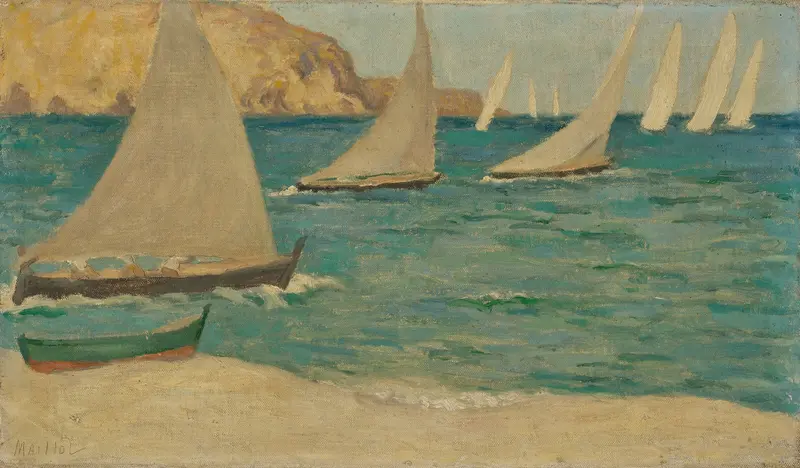
Les Régates
Aristide Maillol
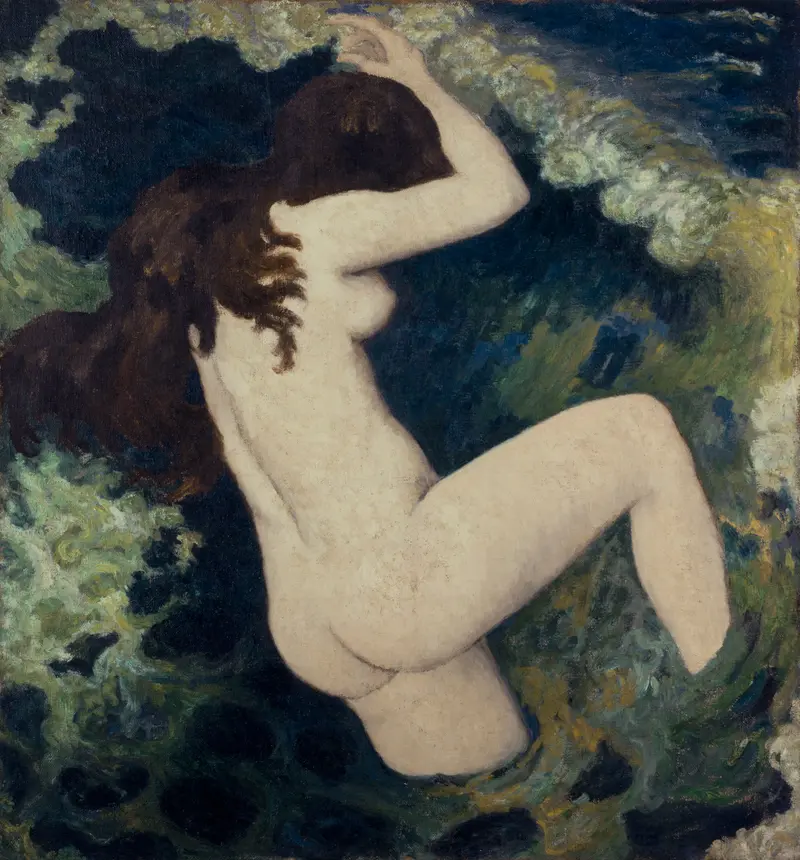
La vague
Aristide Maillol
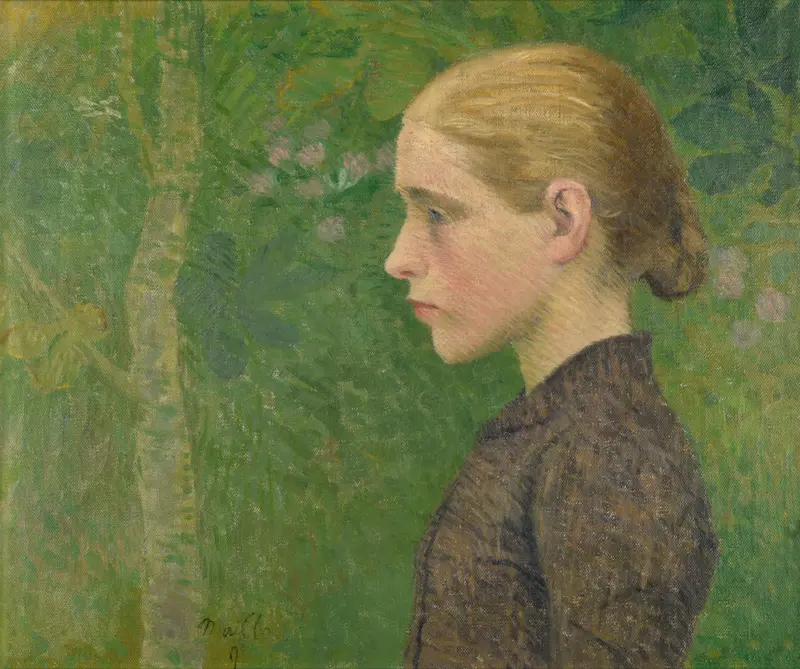
Jeune paysanne en buste
Aristide Maillol
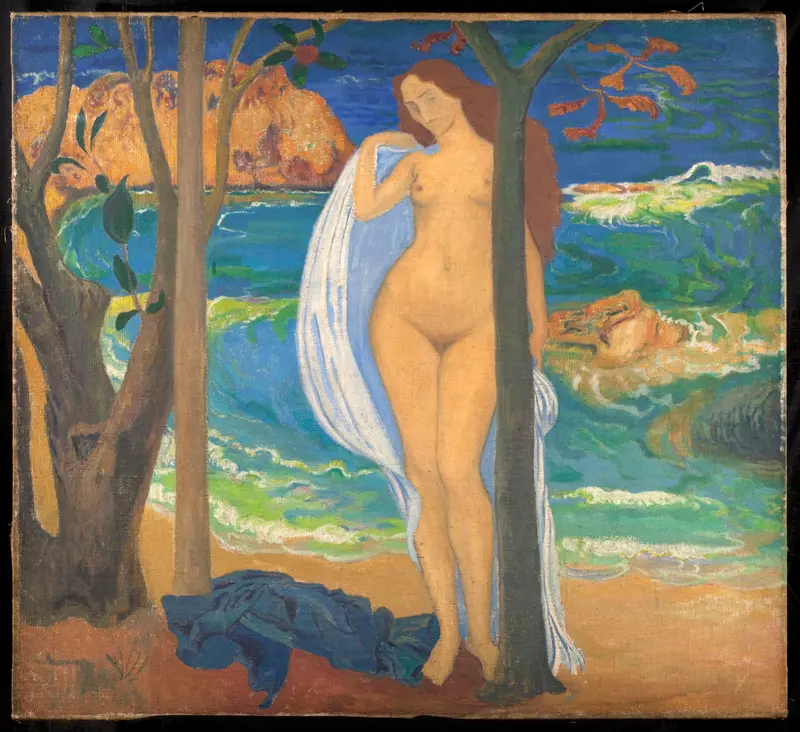
Méditerranée
Aristide Maillol
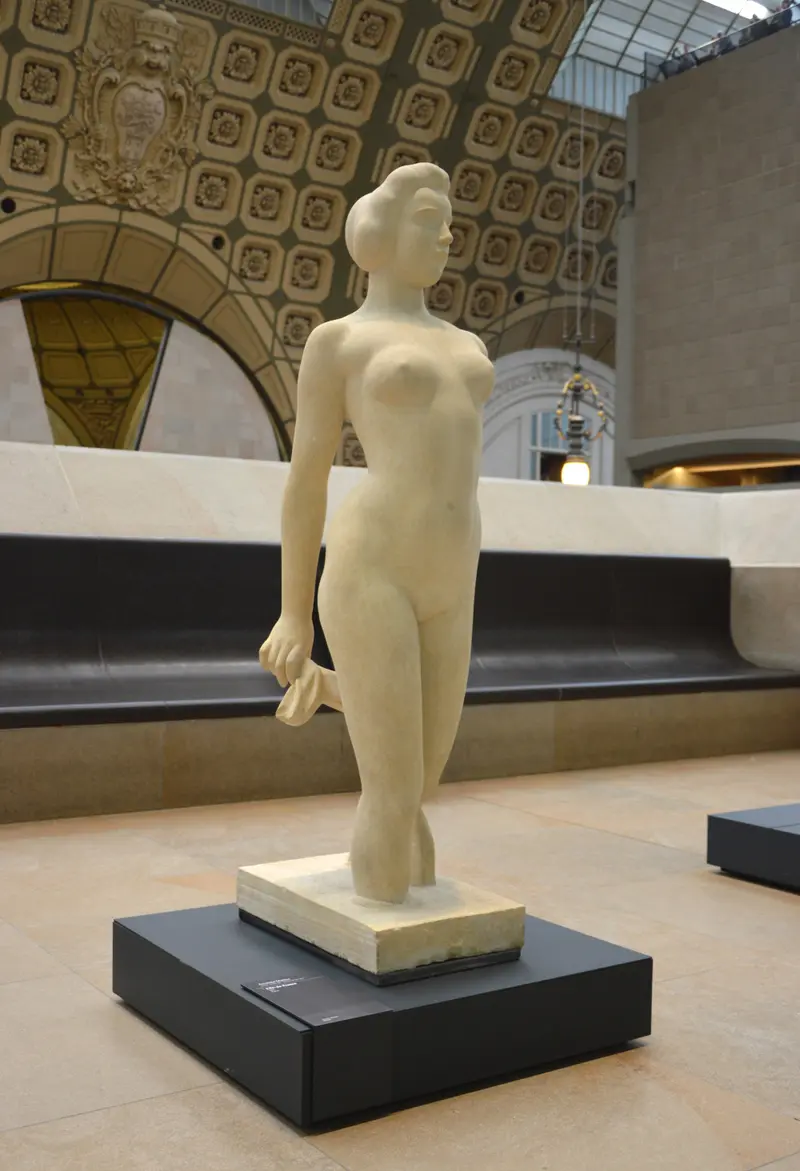
Ile de France
Aristide Maillol
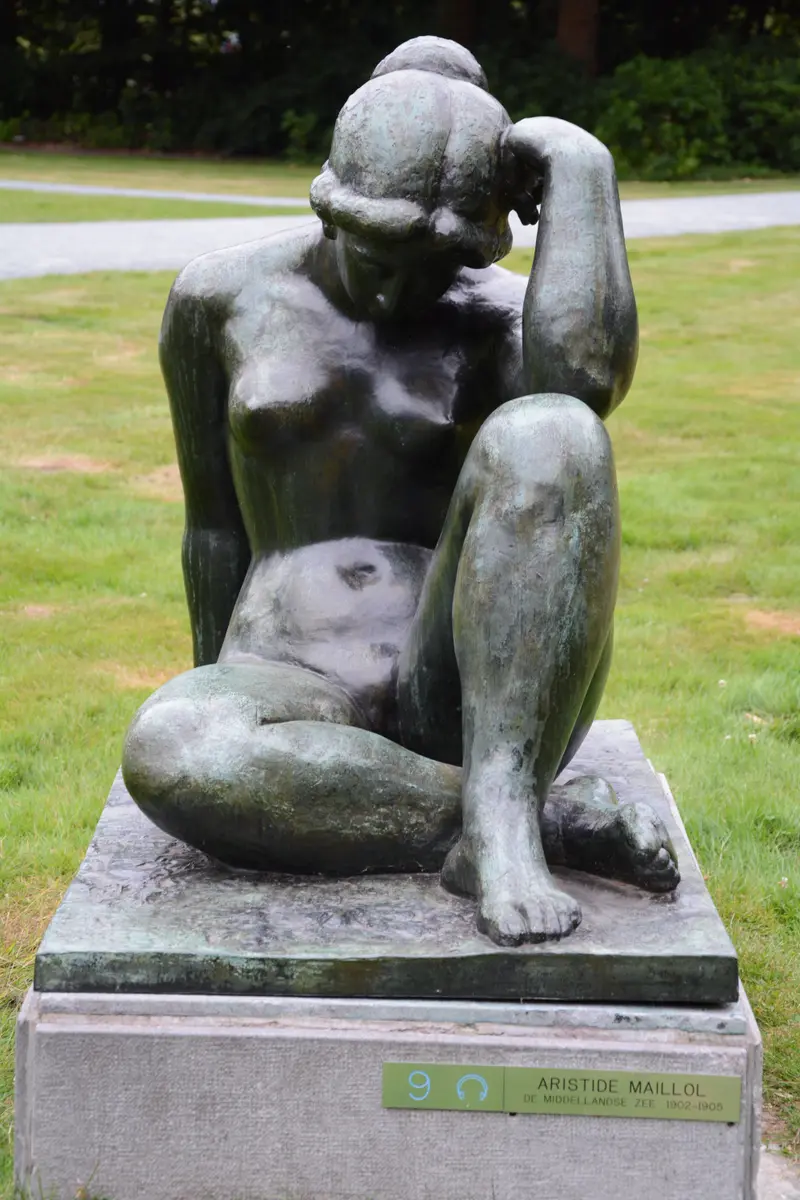
La Méditerranée
Aristide Maillol
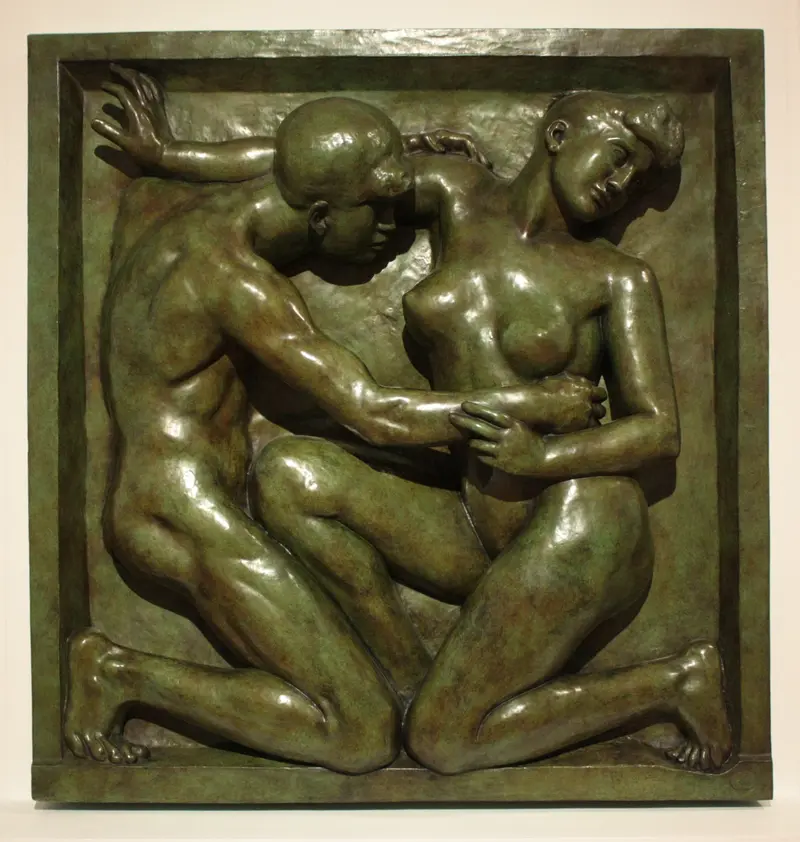
Le Désir
Aristide Maillol
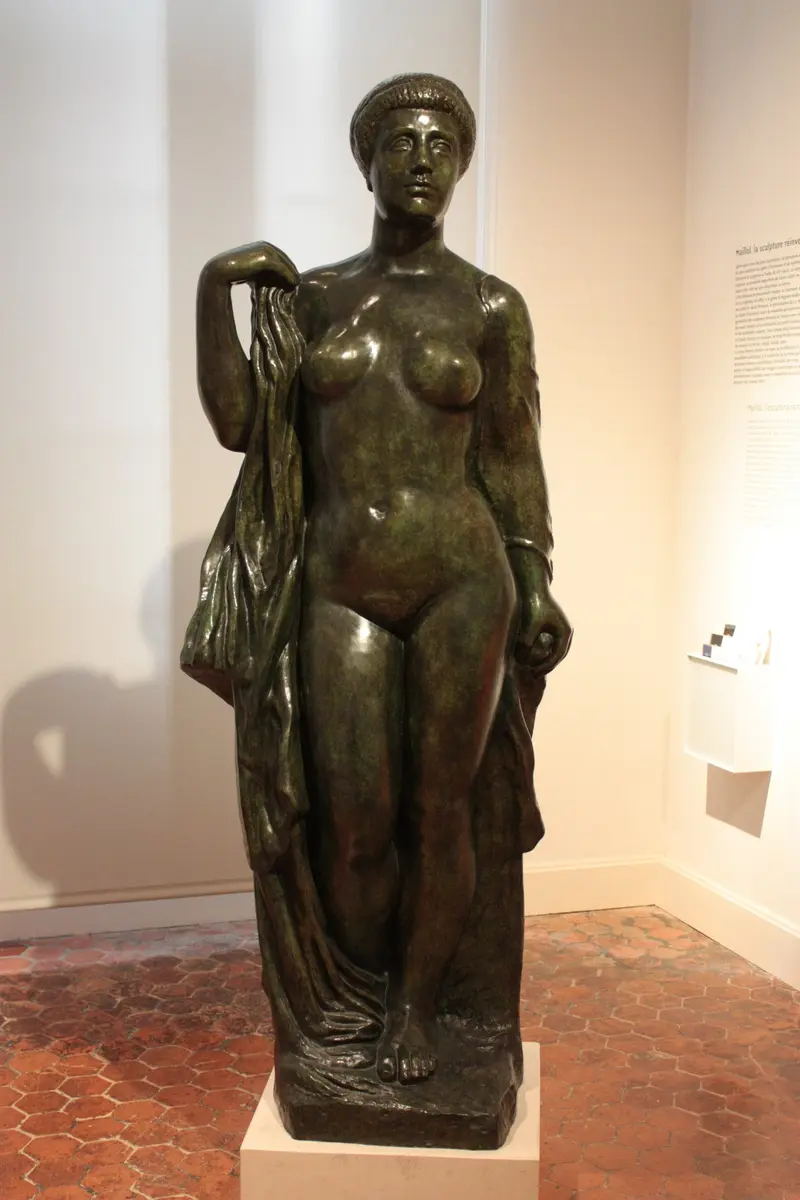
La Baigneuse drapée by Aristide Maillol
Aristide Maillol
Désir
Aristide Maillol



