
Jeune paysanne en buste — History & Facts
What first draws the eye in Jeune paysanne en buste is the quiet gravity of the young woman’s profile, her gaze set on something beyond the frame, as if lost in a world of her own. The background, a tapestry of green foliage and soft, blurred blooms, wraps her figure in an almost secretive hush, while the light that falls across her face and hair seems to pause time. Every brushstroke in her tightly bound hair and the careful modeling of her brow signals a painter intent on capturing not just likeness, but a mood—reserved, introspective, and entirely unposed.
The palette is gentle, with the subtle pinks in her cheek and the muted brown of her dress standing out against the lush, living green, inviting the viewer to wonder what thoughts or stories might rest behind those downcast eyes. Painted in 1891, this portrait belongs to a world on the cusp of modernity, when artists like Aristide Maillol were searching for new ways to see and show the everyday. Portraits of rural youth were common in the late nineteenth century, often commissioned or collected as emblems of simplicity and honest labor, yet here the sitter is not idealized or sentimentalized. Instead, Maillol’s approach—now in the Museum of Fine Arts of Reims—leans toward the quiet revolution of his era: the shift from polished academic finish to a more intimate, psychological realism.
Little is recorded about this specific painting’s journey, but its presence today offers a window into a time when artists began to look for meaning in ordinary faces, and invites us to linger over the silent stories that still echo in the green hush behind her.
More Artworks by Aristide Maillol

Paysage à Banyuls
Aristide Maillol
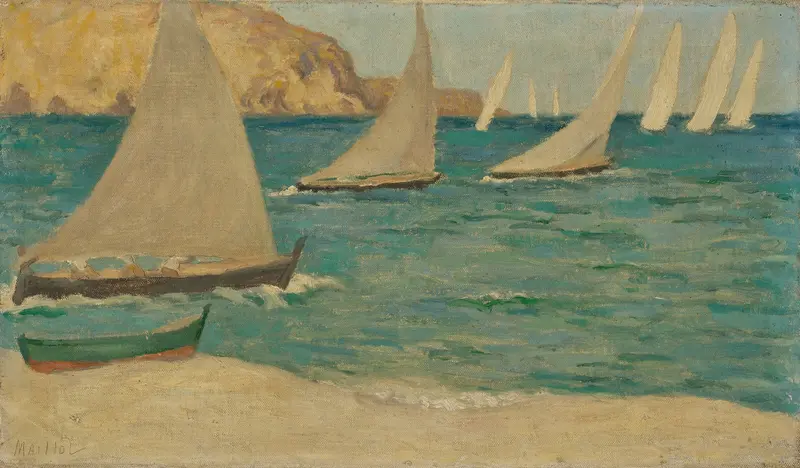
Les Régates
Aristide Maillol
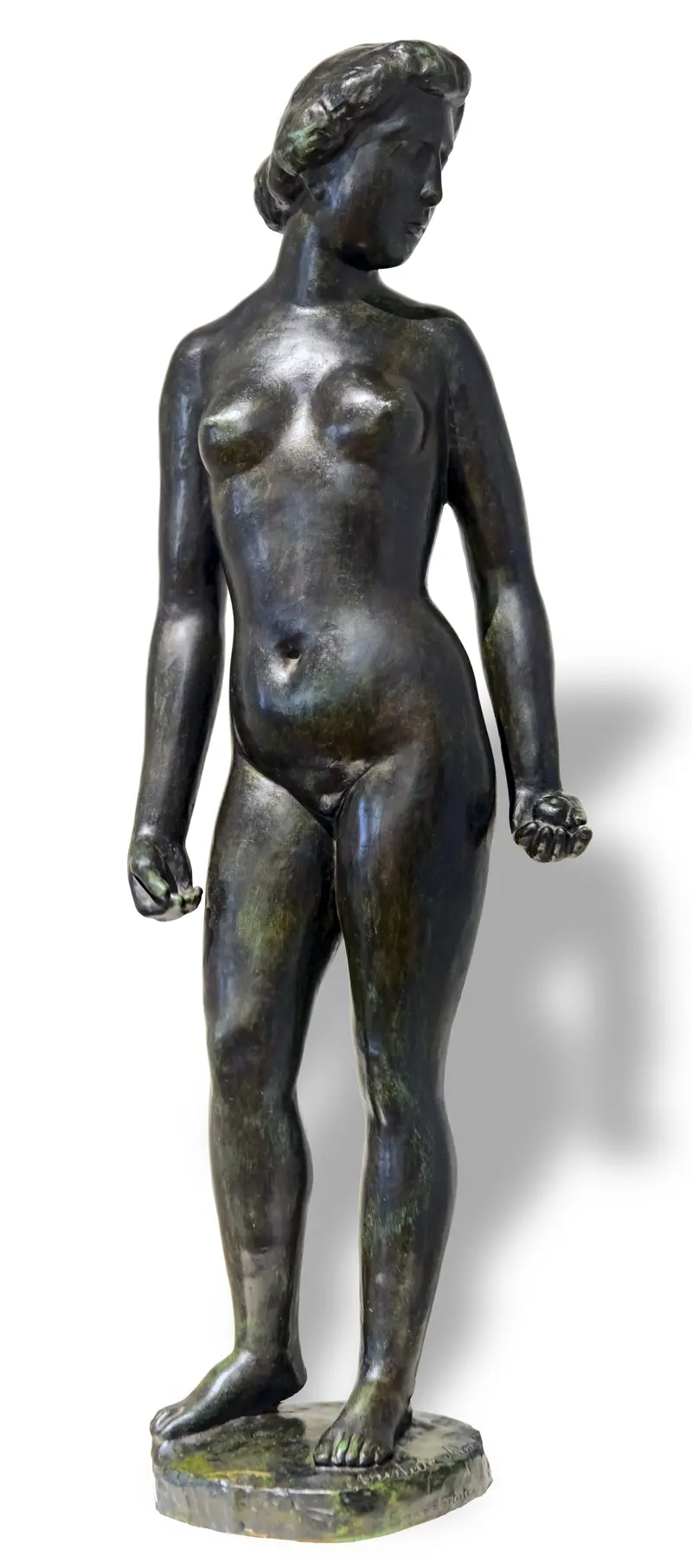
Eve with the Apple
Aristide Maillol
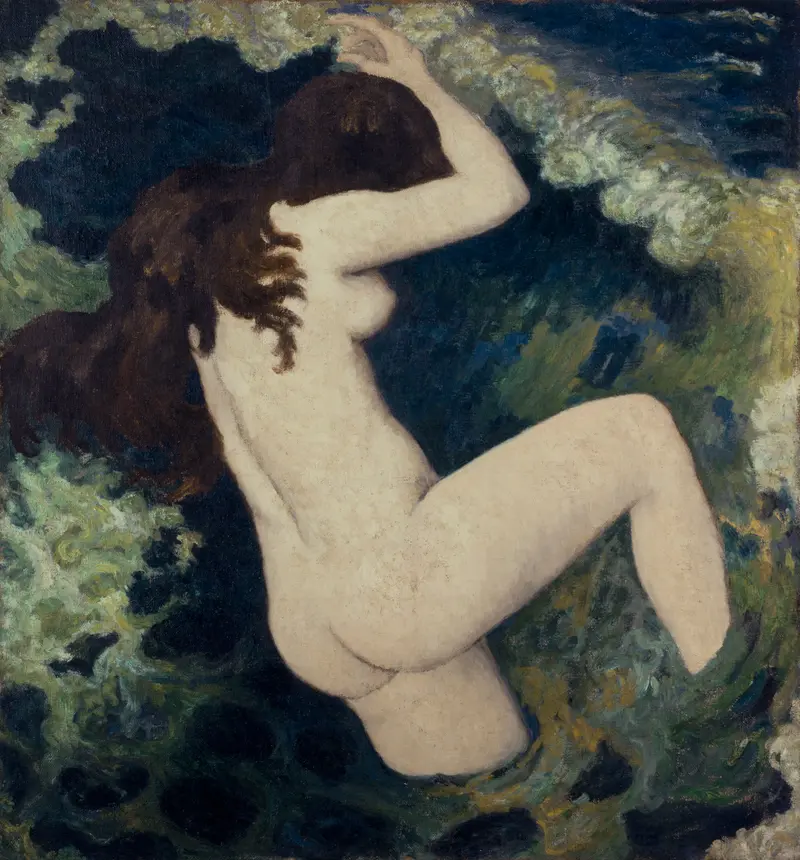
La vague
Aristide Maillol
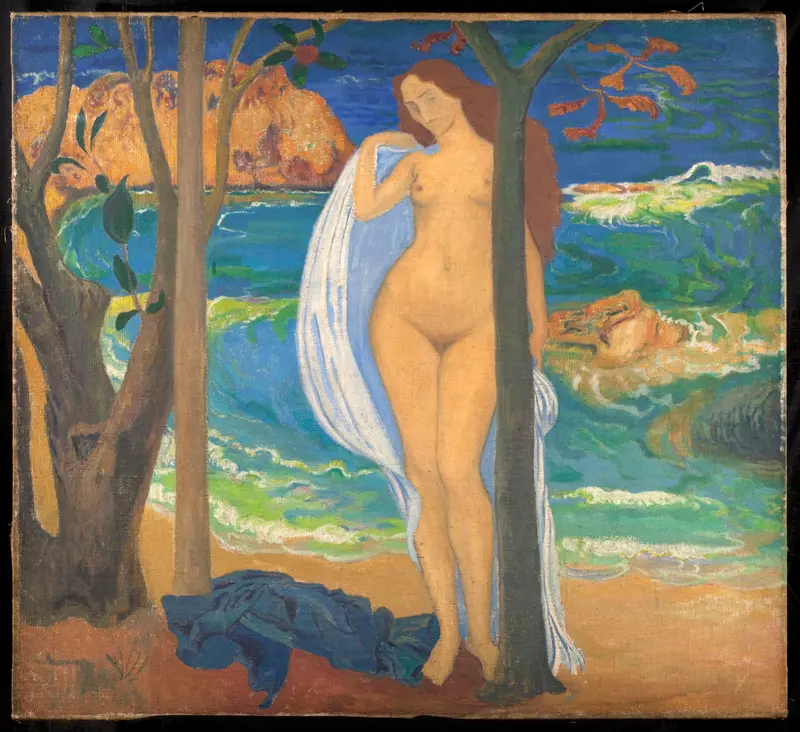
Méditerranée
Aristide Maillol
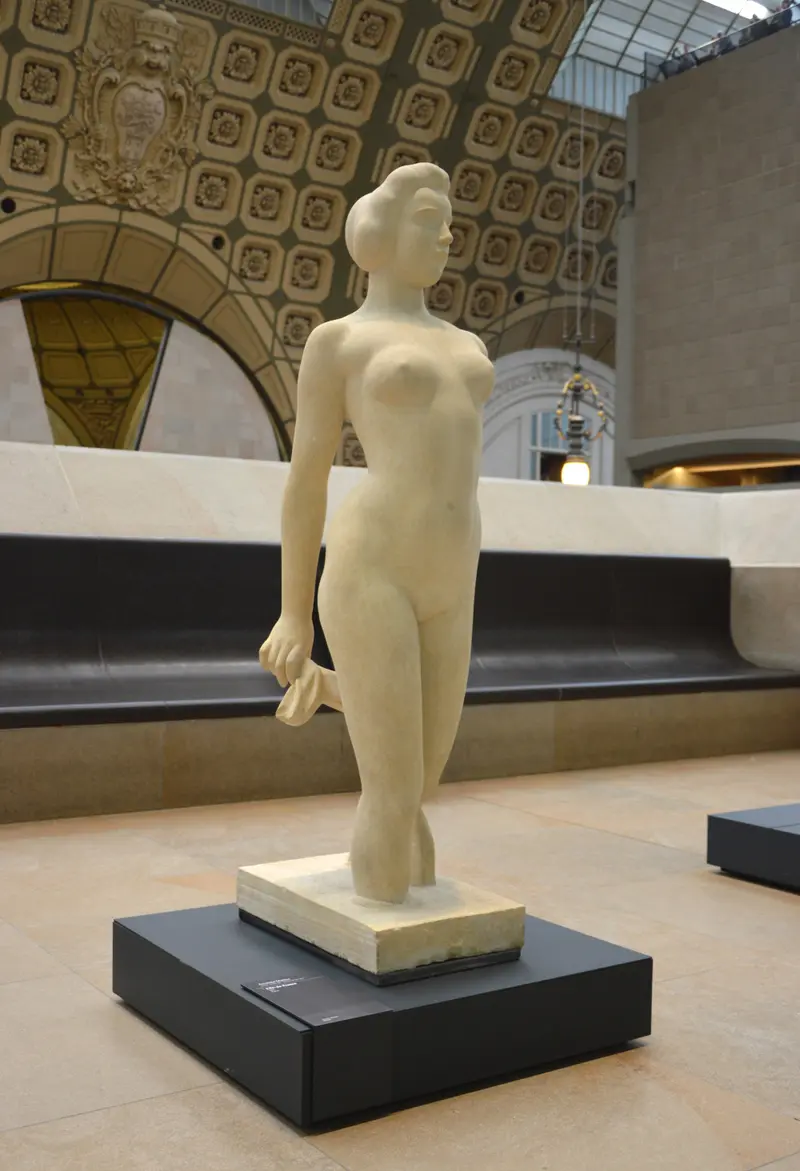
Ile de France
Aristide Maillol
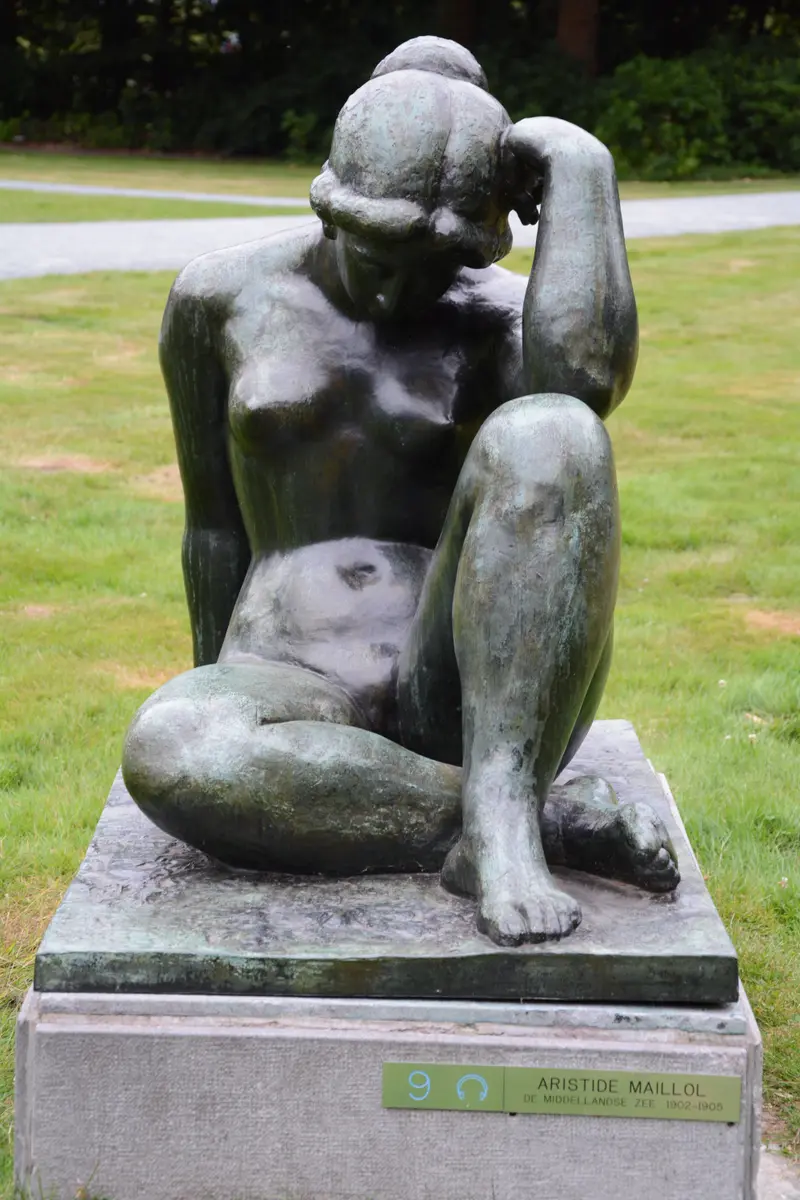
La Méditerranée
Aristide Maillol
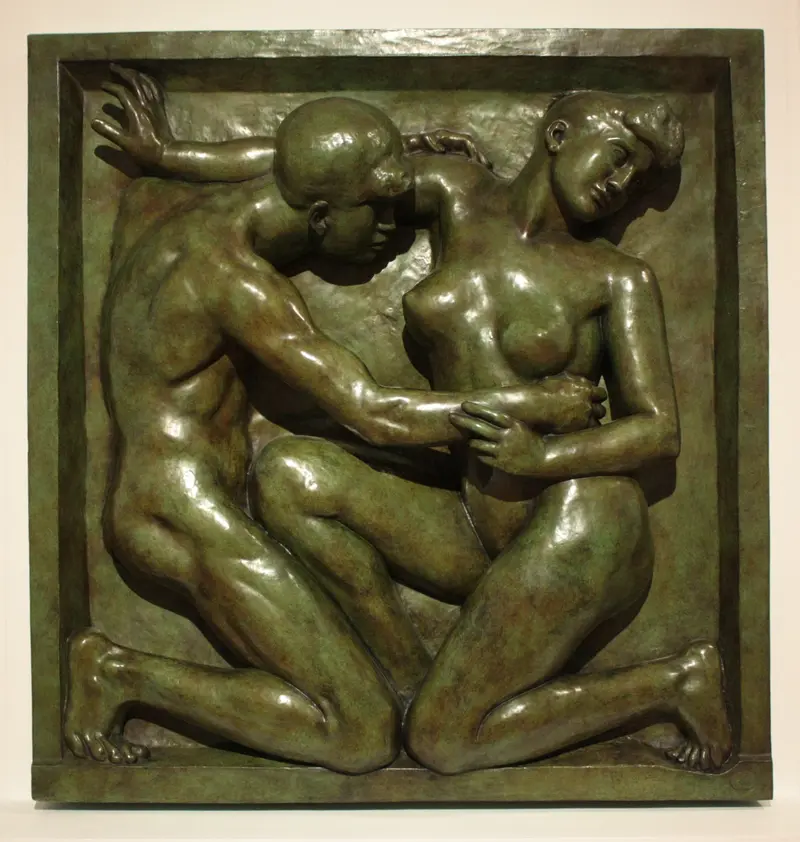
Le Désir
Aristide Maillol
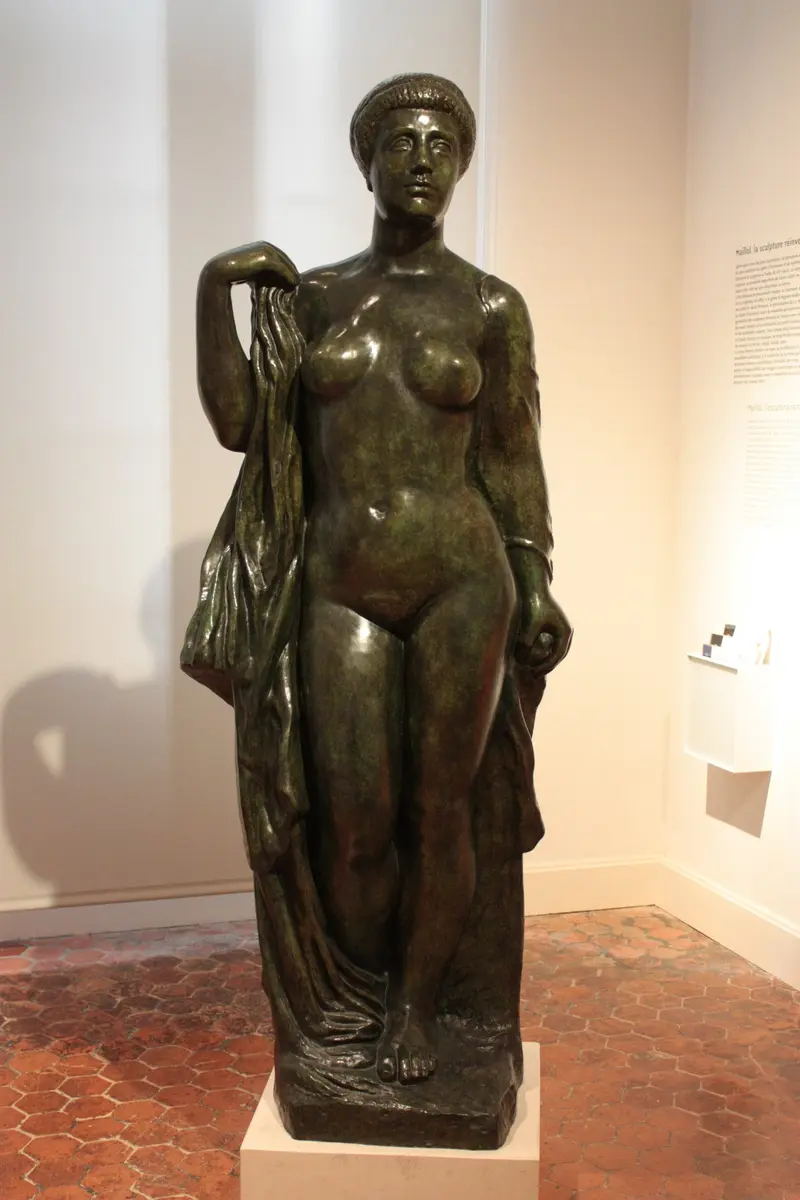
La Baigneuse drapée by Aristide Maillol
Aristide Maillol
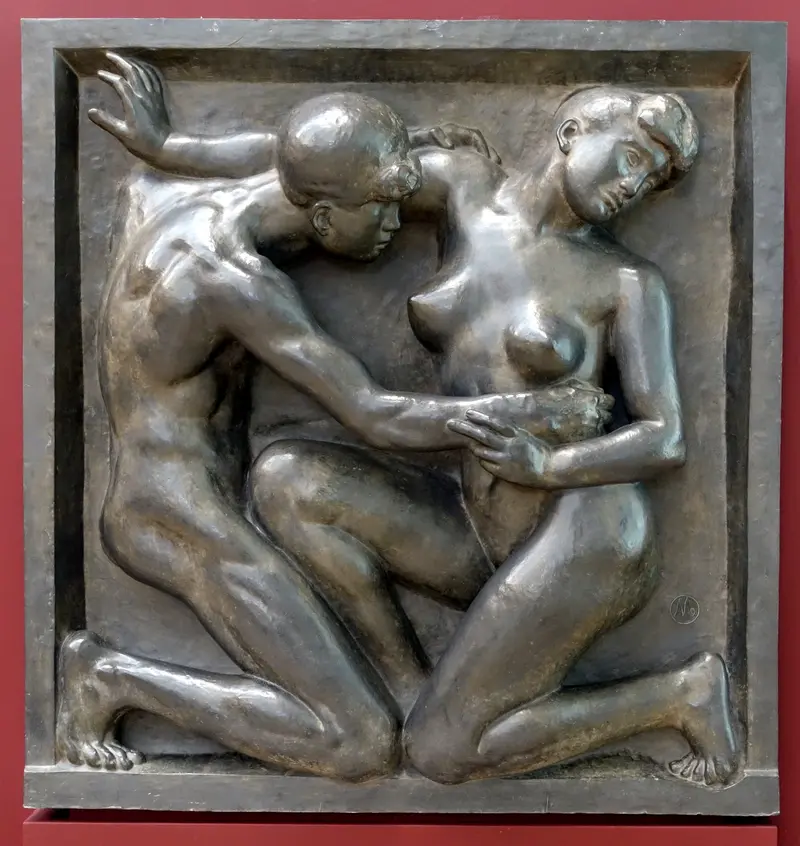
Désir
Aristide Maillol





