
Ile de France — History & Facts
The first thing that catches the eye in Ile de France is the quiet assurance of the figure’s stance: a woman, poised and upright, her weight subtly shifted to one leg as if pausing mid-step. Her left hand reaches behind, lightly grasping her foot, a gesture that hints at both classical contrapposto and the fleeting movement of a bather adjusting herself before entering water. The surface is smooth, the forms rounded and simplified, stripping away ornament to focus on the essential rhythms of the body.
The light glides gently across her torso and limbs, emphasizing volume rather than detail, and the soft, creamy stone radiates a calm warmth. There is a sense of timelessness here, a figure who could belong to antiquity or to the modern world, suspended in a moment of self-contained grace. Created in 1925, this stone statue by Aristide Maillol belongs to a period when artists were rediscovering the power of the human form through simplicity and balance. The early twentieth century saw a return to the nude as a central subject, not as an object of spectacle but as a symbol of harmony and renewal after the upheavals of war.
Maillol’s figures, often commissioned for public spaces or private gardens, offered a serene alternative to the more fragmented, expressive styles of his contemporaries. History has kept few traces of the individual stories behind works like Ile de France, but the statue’s enduring presence invites viewers to linger, tracing the contours of a world that valued quiet beauty and the dignity of repose.
More Artworks by Aristide Maillol

Paysage à Banyuls
Aristide Maillol
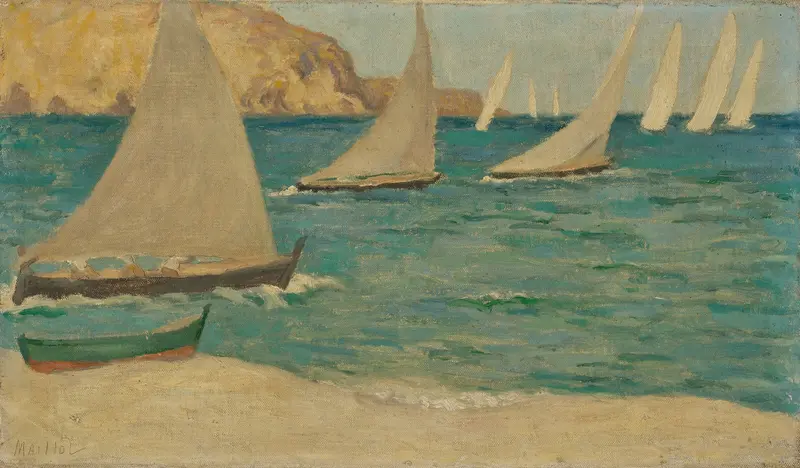
Les Régates
Aristide Maillol
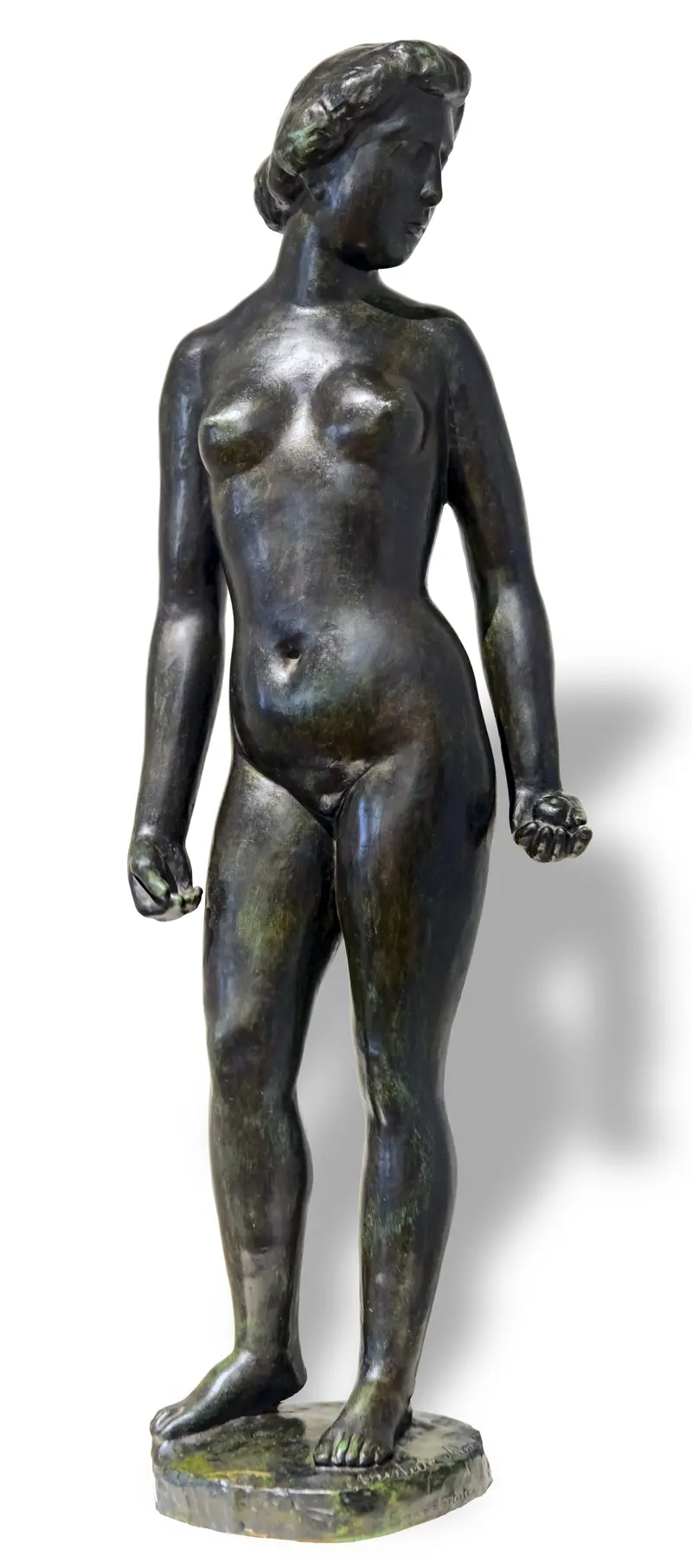
Eve with the Apple
Aristide Maillol
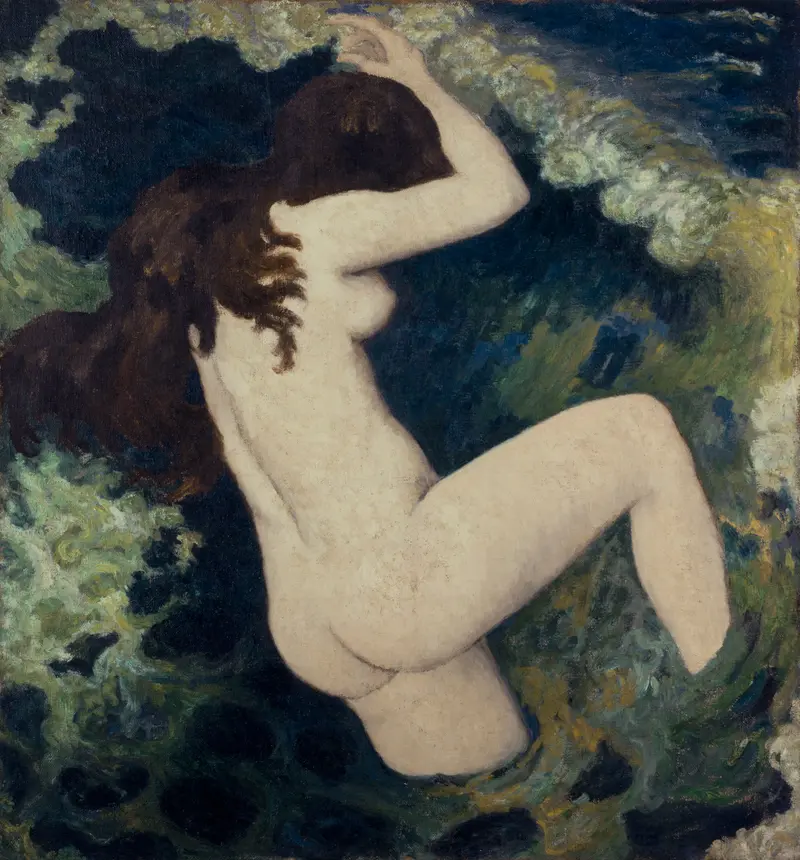
La vague
Aristide Maillol
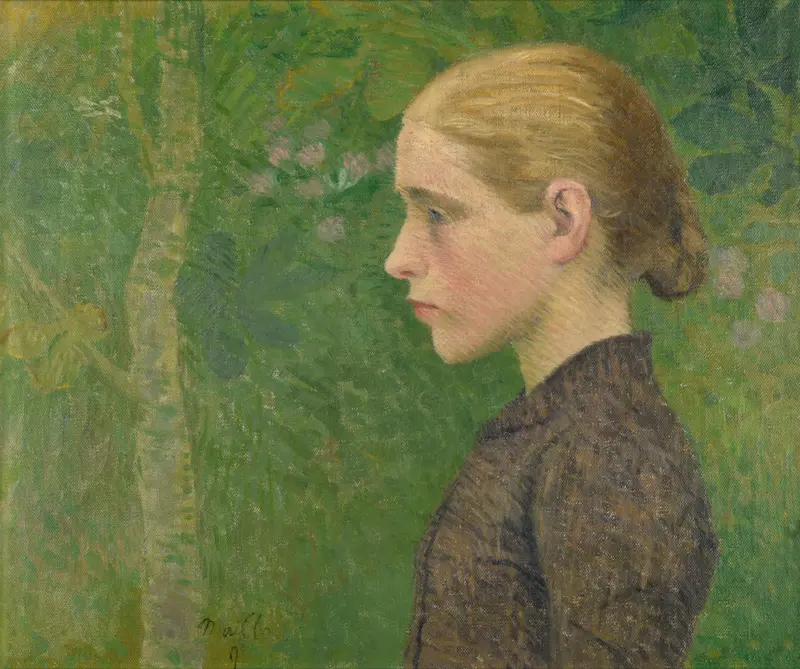
Jeune paysanne en buste
Aristide Maillol
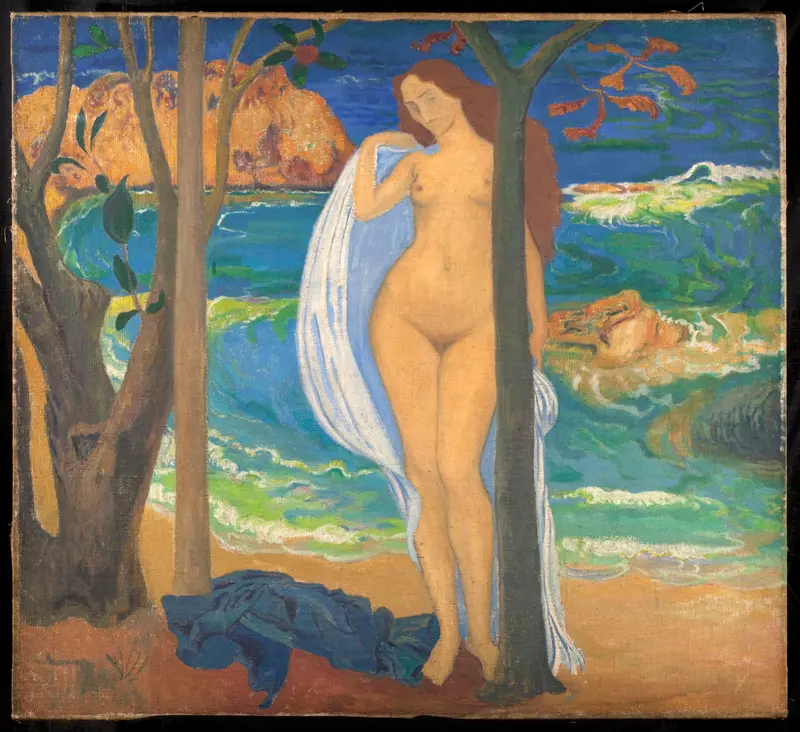
Méditerranée
Aristide Maillol
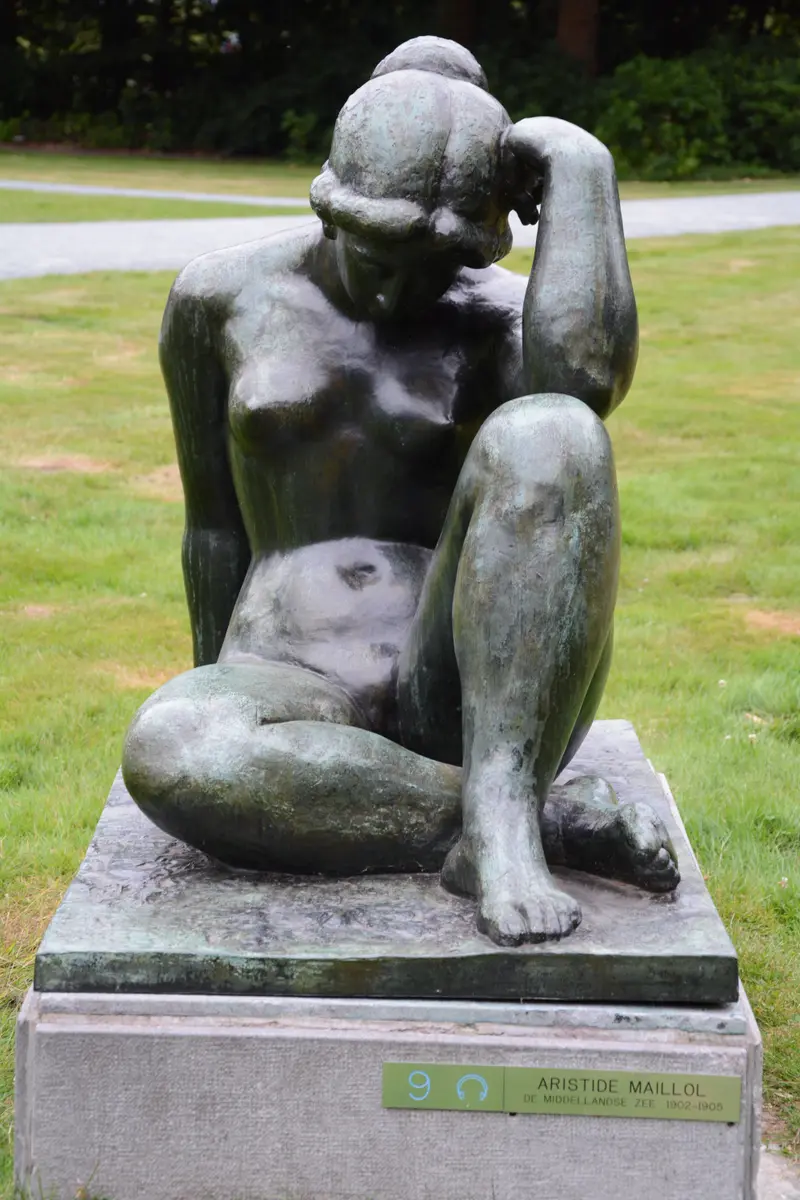
La Méditerranée
Aristide Maillol
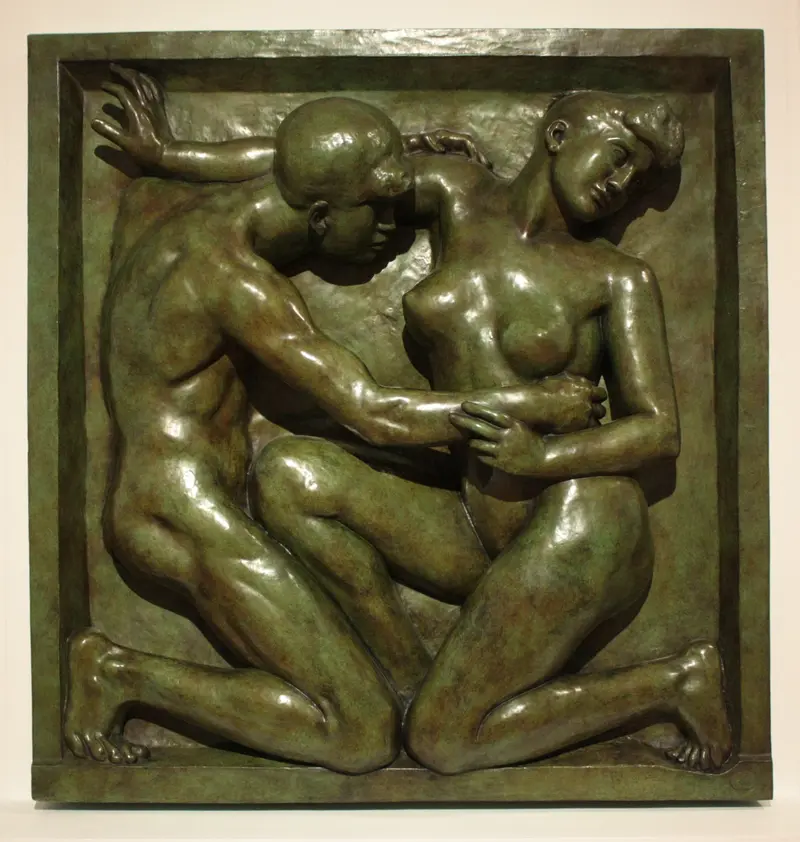
Le Désir
Aristide Maillol
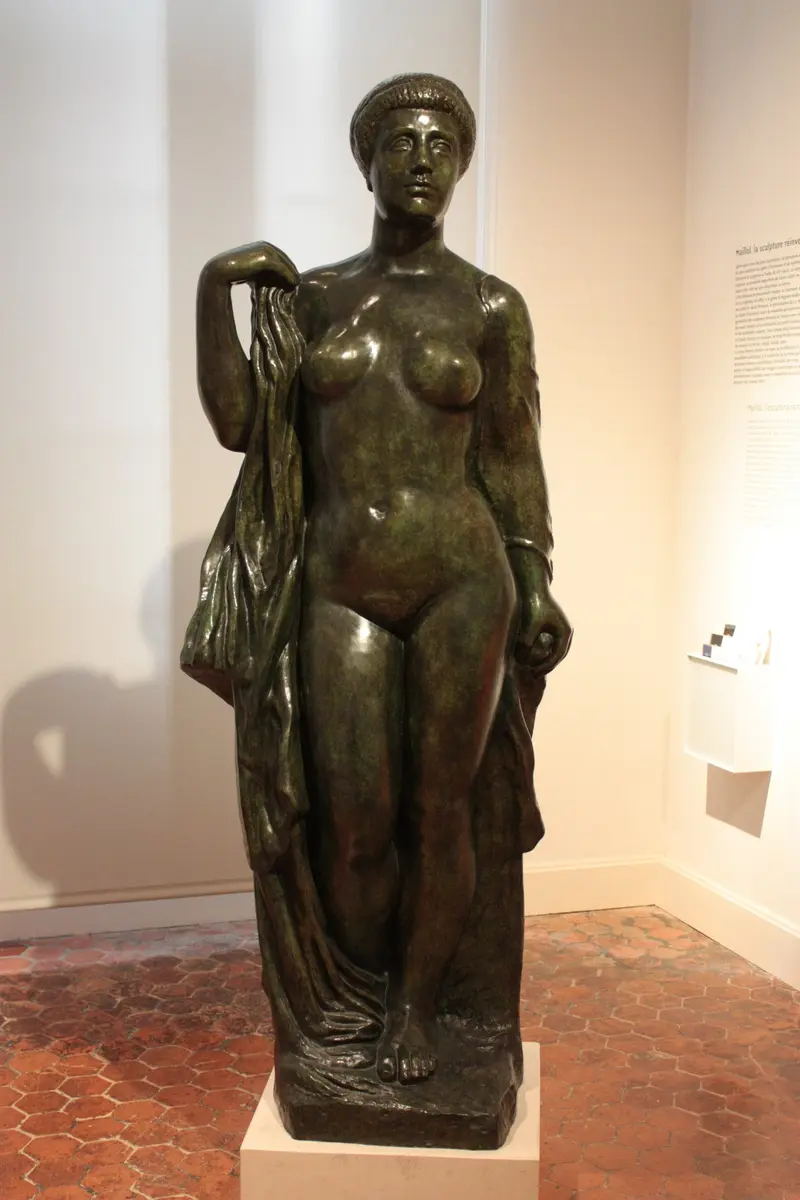
La Baigneuse drapée by Aristide Maillol
Aristide Maillol
Désir
Aristide Maillol



