
La Méditerranée — History & Facts
What first draws the eye in La Méditerranée is the quiet gravity of the figure’s pose: a woman, monumental yet introspective, sits with one arm draped over her knee and her head gently inclined, as if listening to the inner murmur of the sea itself. The weight of her body is balanced in a closed, almost circular form, her limbs echoing the rolling contours of the Mediterranean landscape. The surface of the sculpture, softly modeled and unadorned, invites the viewer to trace the subtle play of light across her skin, accentuating the calm solidity of her presence.
There is no narrative drama here—no myth, no storm, no heroism—only a sense of timeless reflection and contained energy, as if the figure holds the memory of ancient shores within her stillness. La Méditerranée belongs to the early twentieth-century world of Aristide Maillol, a time when sculpture was breaking away from the expressive turbulence of Rodin and seeking a new language of order and repose. Maillol’s work, often commissioned for public spaces or private gardens, was shaped by a desire to recover the classical ideals of harmony and balance, yet his figures are unmistakably modern in their simplicity and inwardness. This particular cast, documented in a collection as of July 2016, stands as a testament to that search for a new equilibrium between past and present.
History has kept few traces of the individual journeys of such sculptures, but their enduring appeal lies in the way they invite each viewer to pause and consider the silent conversation between form, space, and the world around them.
More Artworks by Aristide Maillol

Paysage à Banyuls
Aristide Maillol
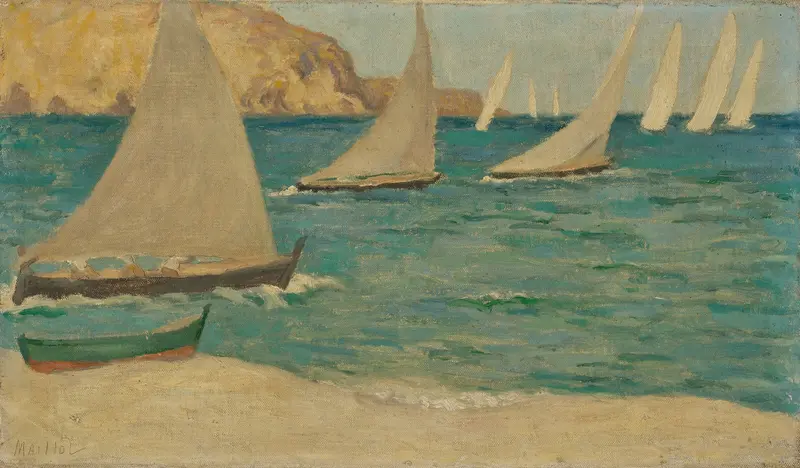
Les Régates
Aristide Maillol
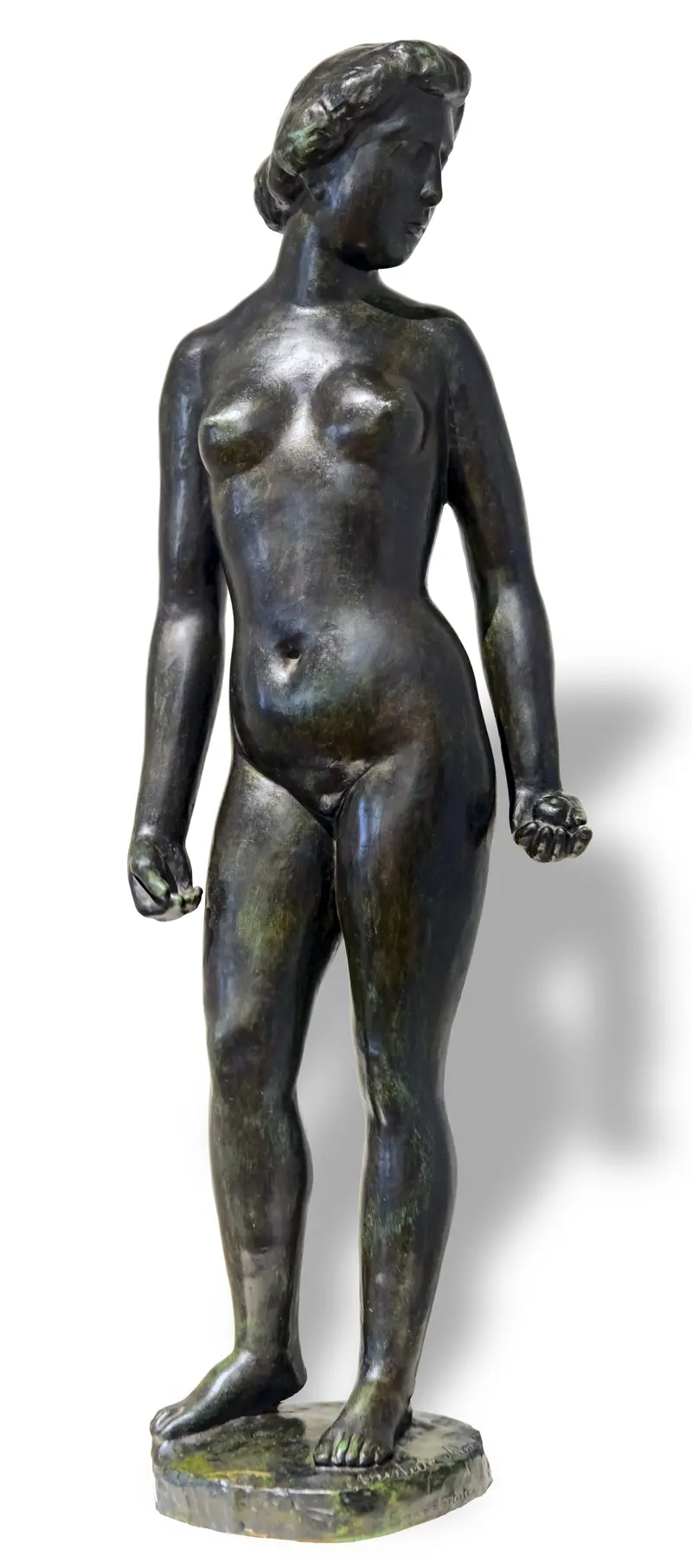
Eve with the Apple
Aristide Maillol
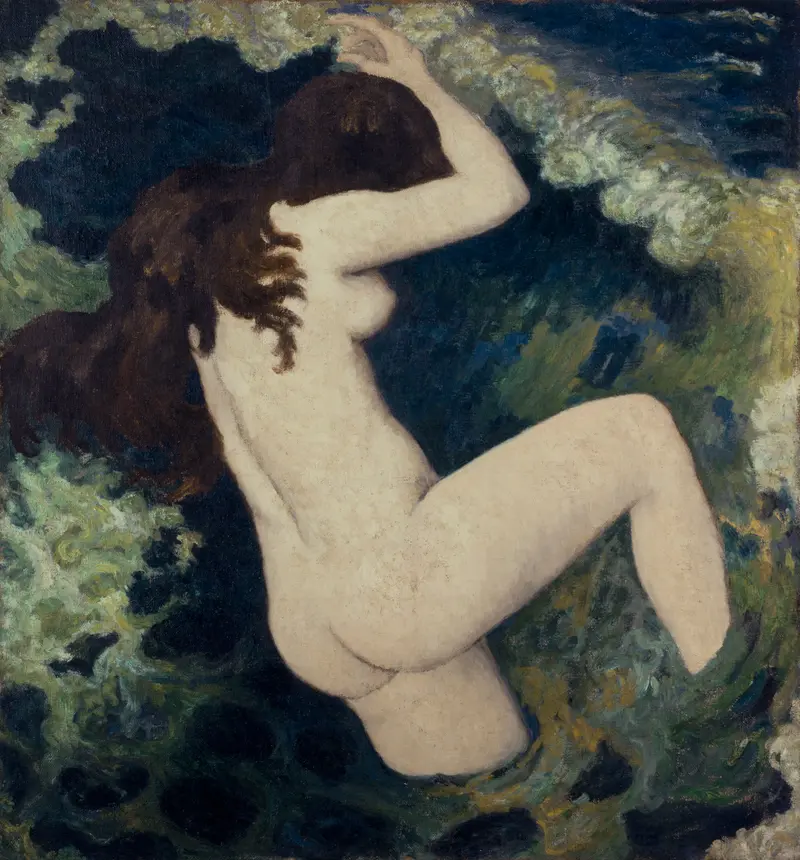
La vague
Aristide Maillol
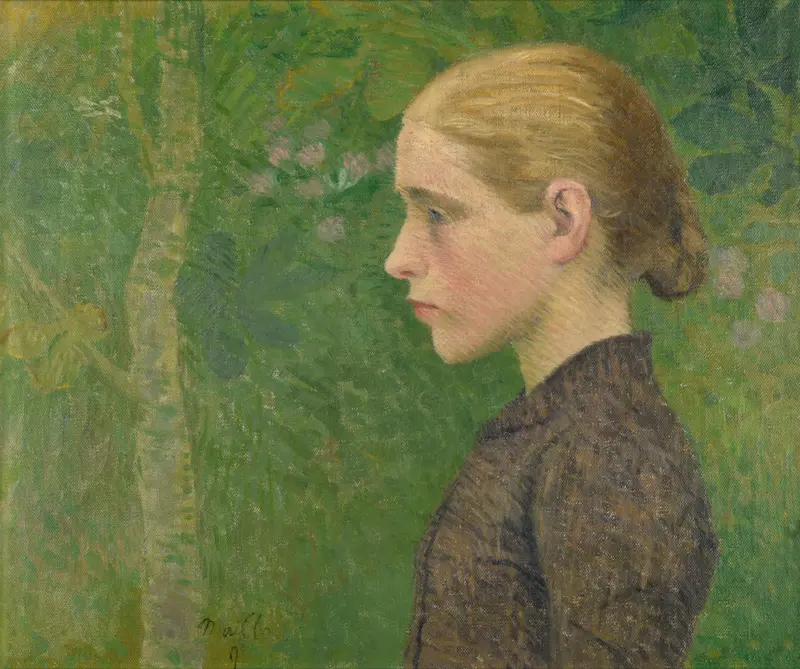
Jeune paysanne en buste
Aristide Maillol
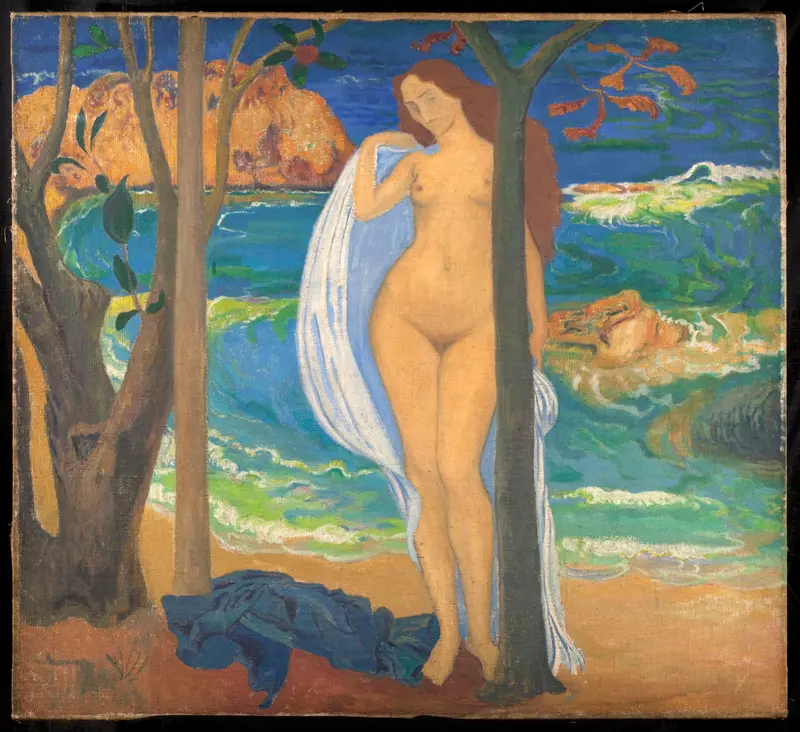
Méditerranée
Aristide Maillol
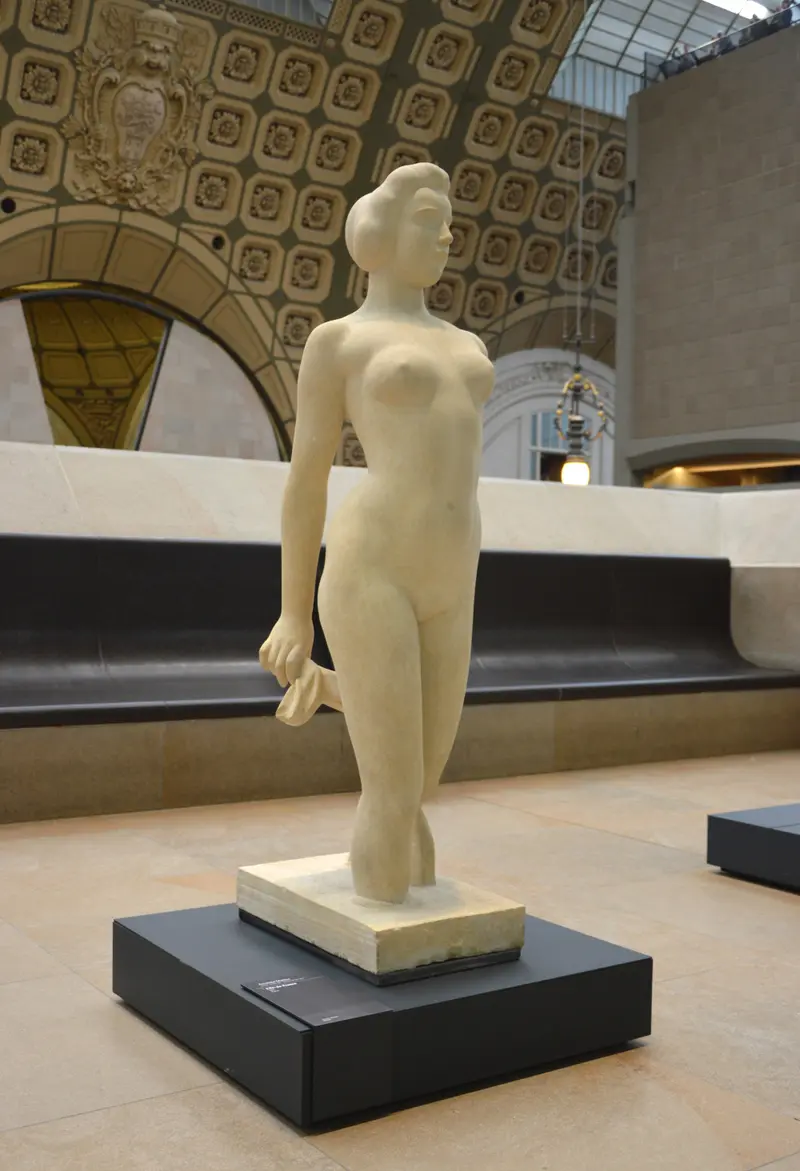
Ile de France
Aristide Maillol
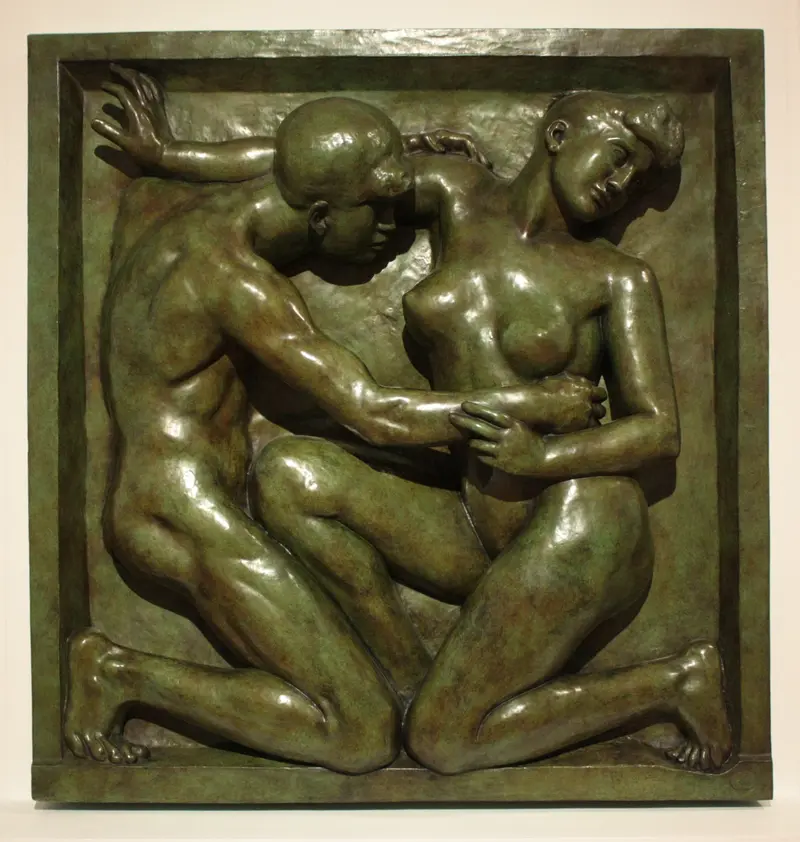
Le Désir
Aristide Maillol
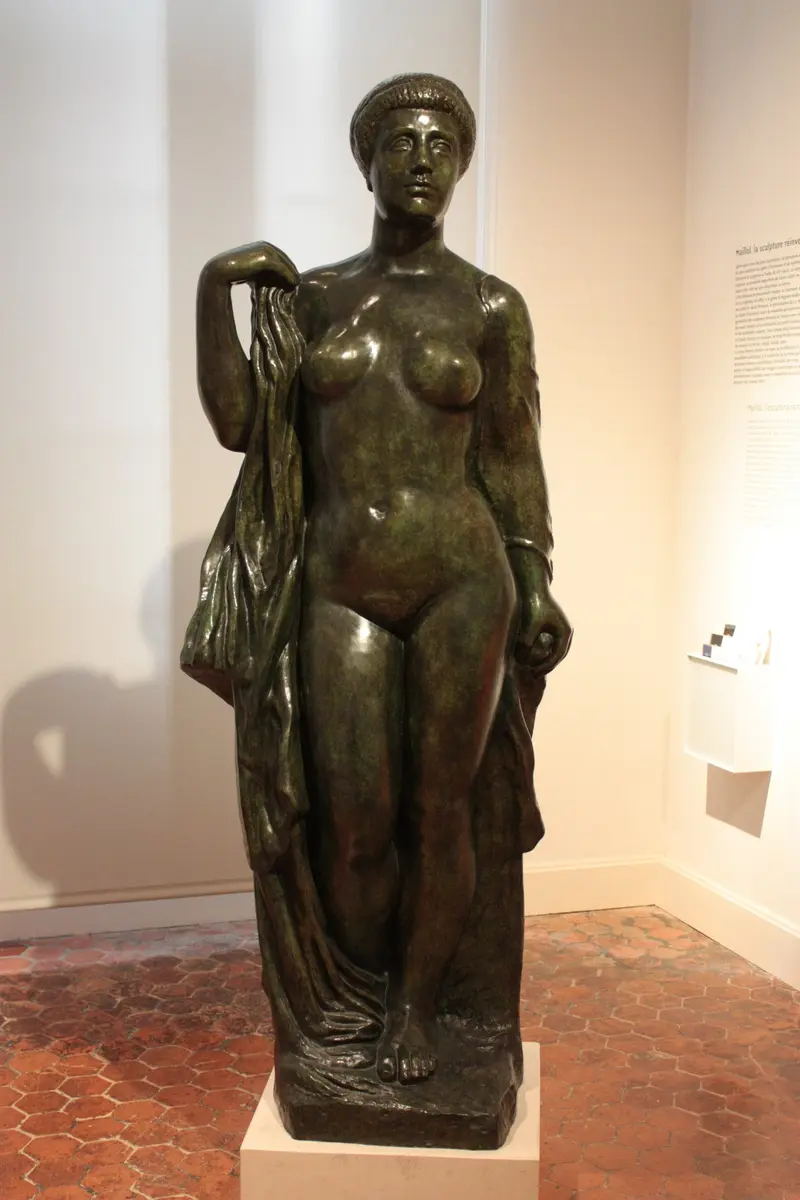
La Baigneuse drapée by Aristide Maillol
Aristide Maillol
Désir
Aristide Maillol



