
La vague — History & Facts
A single figure, pale against the deep, swirling sea, draws the viewer into a moment of suspended motion. The woman’s body arcs upward, her arm thrown above her head as if shielding herself from the cresting wave that threatens to engulf her. There is no horizon, no shore—just the interplay of flesh and water, the foam curling around her limbs.
The composition turns the viewer’s gaze in a circle, from her flowing hair to the bend of her knee, echoing the restless movement of the water itself. The palette is cool and restrained, the greens and blues of the sea setting off the warmth of her skin, while the brushwork in the waves suggests both danger and embrace. Painted in 1898, La vague belongs to a world on the cusp of modernity, when artists across Europe were reimagining the nude and the natural world. Aristide Maillol, later renowned for his sculptures, here channels the late 19th-century fascination with mythic, elemental subjects—nudes not as allegories, but as presences in their own right.
Works like this, created in Paris and now held by Paris Musées, reflect a time when the boundaries between painting and sculpture, myth and reality, were being redrawn. History has kept few traces of this particular canvas, but its energy and ambiguity invite us to linger, drawn again and again into the wave’s eternal return.
More Artworks by Aristide Maillol

Paysage à Banyuls
Aristide Maillol
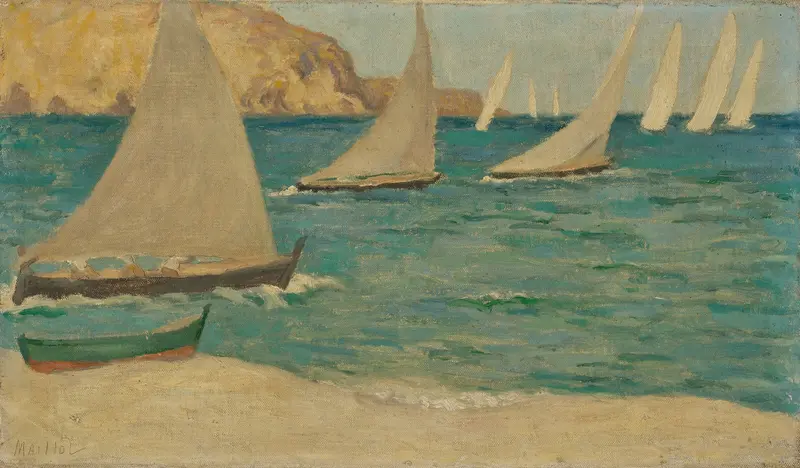
Les Régates
Aristide Maillol
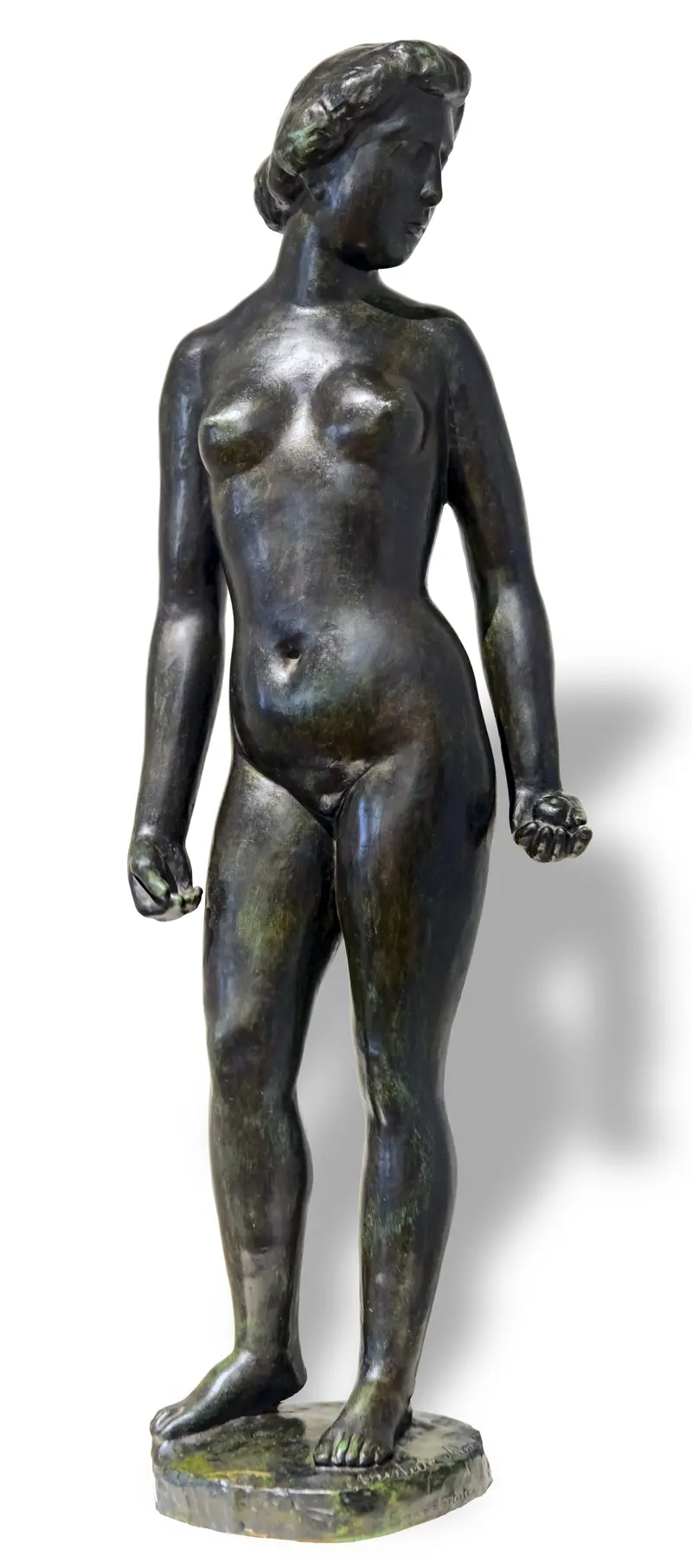
Eve with the Apple
Aristide Maillol
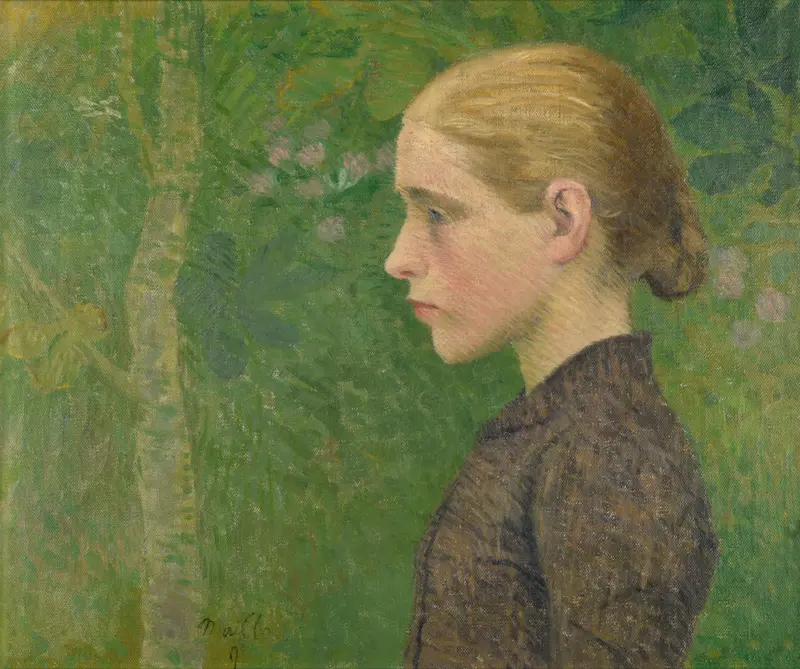
Jeune paysanne en buste
Aristide Maillol
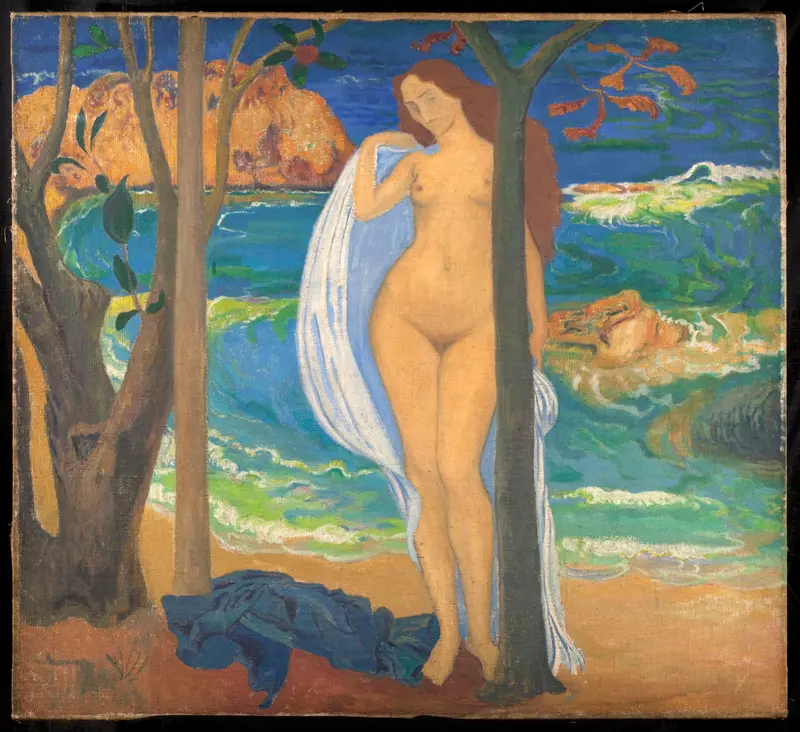
Méditerranée
Aristide Maillol
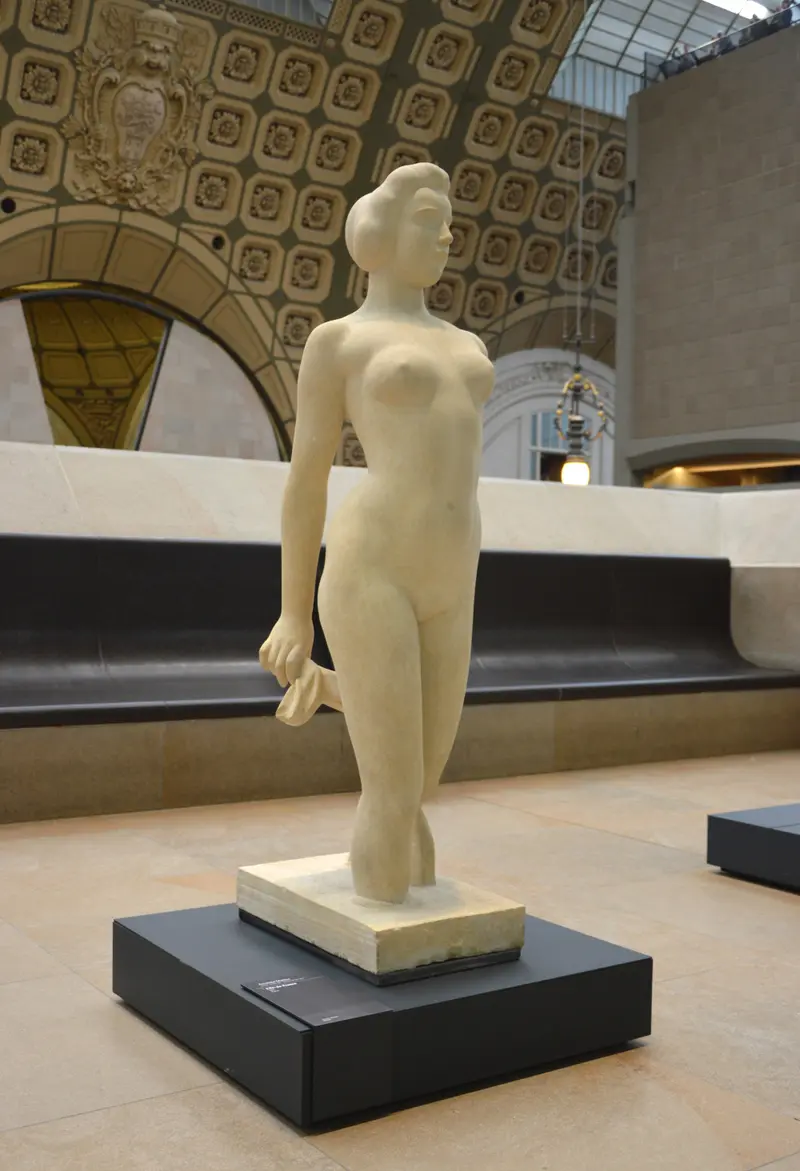
Ile de France
Aristide Maillol
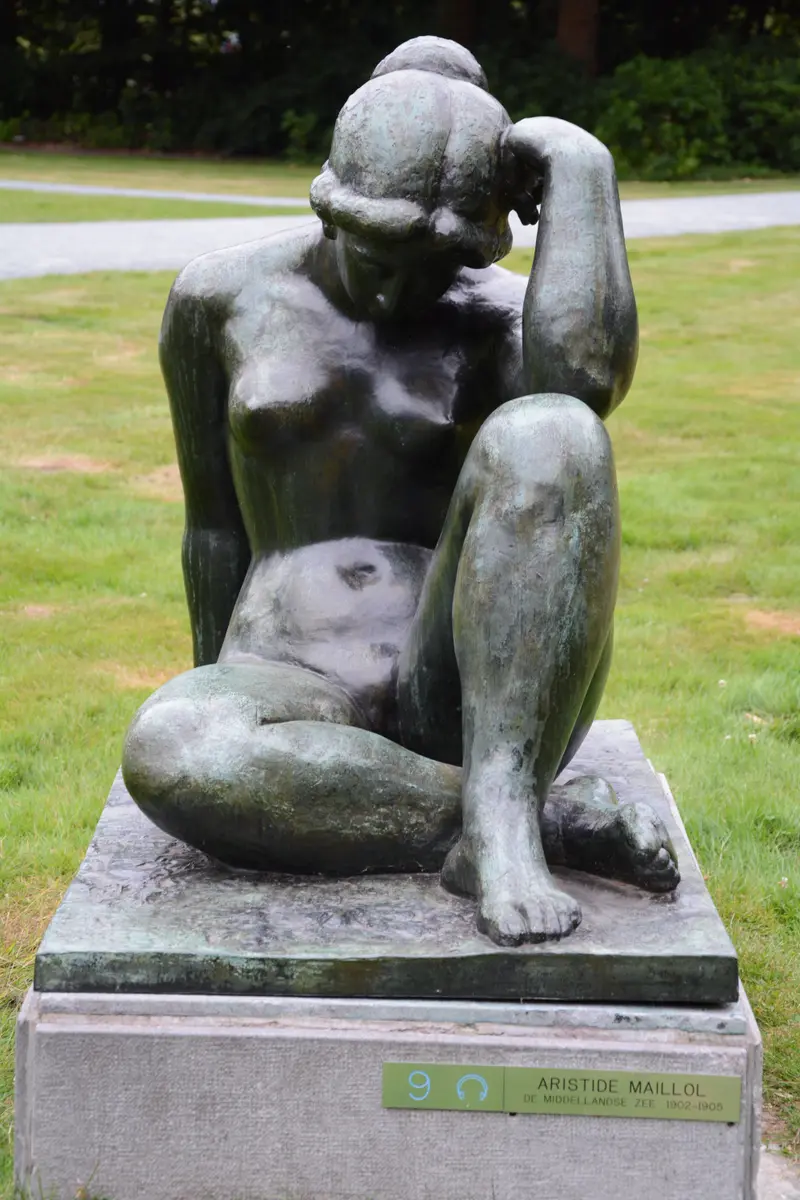
La Méditerranée
Aristide Maillol
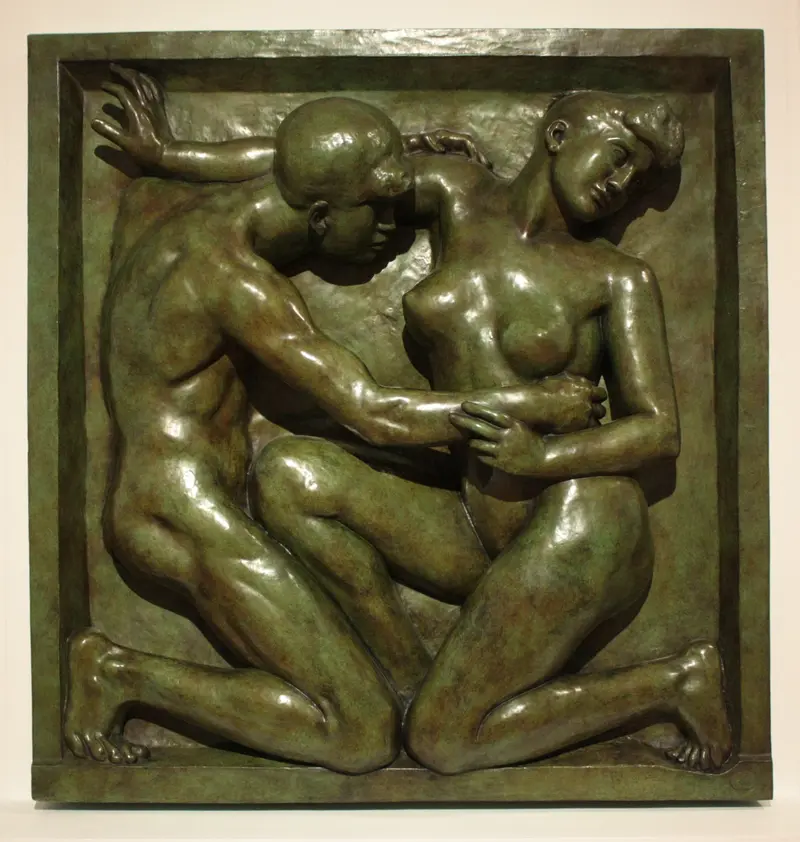
Le Désir
Aristide Maillol
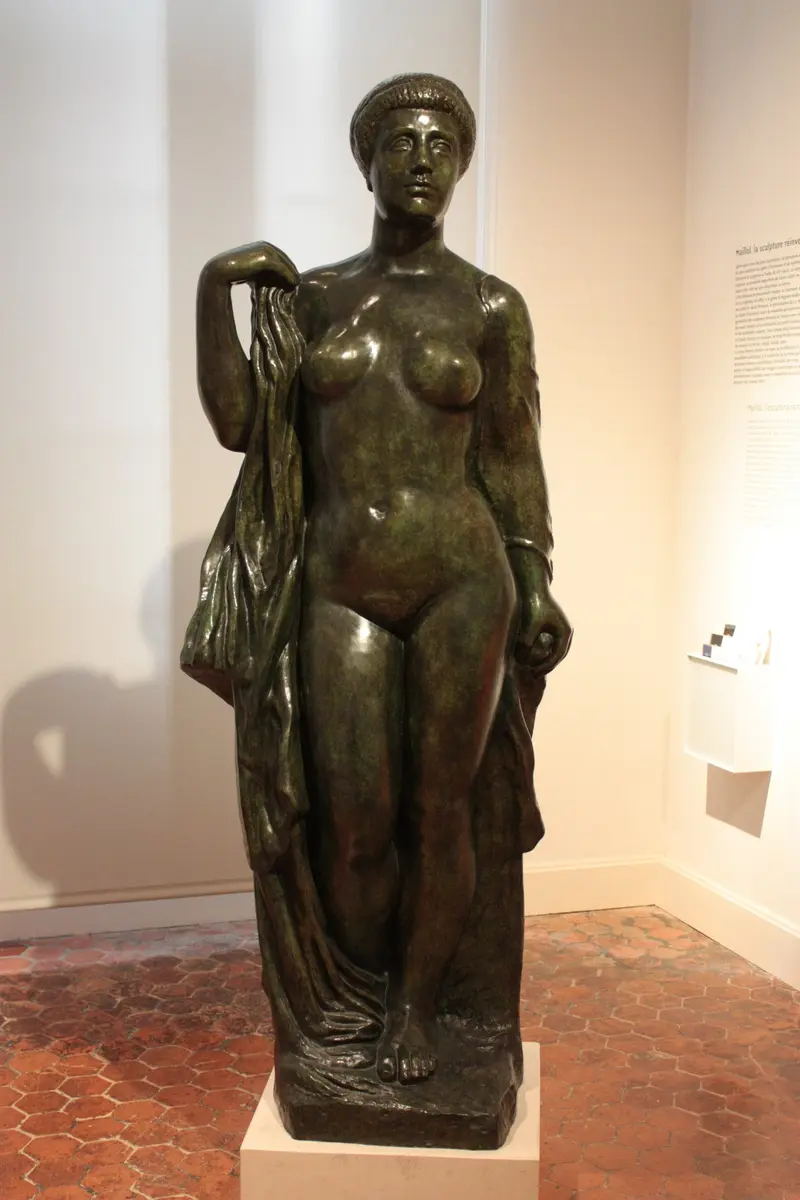
La Baigneuse drapée by Aristide Maillol
Aristide Maillol
Désir
Aristide Maillol





