
Evening Landscape — History & Facts
Can beauty exist without sorrow? In Evening Landscape, a breathtaking twilight scene unravels the illusion of tranquility, inviting the viewer to ponder the delicate balance between joy and melancholy. Look to the center of the canvas, where the horizon blurs into an array of dusky purples and soft blues, creating a tranquil yet mysterious atmosphere. The light gently spills over the landscape, casting elongated shadows that dance along the undulating hills. Notice how the brushstrokes evoke movement, with swirling clouds that appear to cradle the fading sun.
The artist's subtle use of color transitions from rich jewel tones to muted pastels enhances the depth, drawing the eye deeper into this serene yet haunting vista. In this composition, the contrast between the vibrant sky and the shadowed earth speaks volumes. The interplay of light and dark suggests an impending night—a moment that embodies both closure and new beginnings. Additionally, the distant silhouette of trees, standing firm against the encroaching darkness, symbolizes resilience amid the inevitable passage of time.
Together, these elements create a palpable tension, raising questions about the fleeting nature of beauty itself. Dwight William Tryon painted Evening Landscape in 1920, during a pivotal time in American art, as artists sought to capture the essence of their environments in more abstract ways. Living in New England, Tryon was influenced by the natural beauty surrounding him, and his work during this period reflected a desire to convey not just the physical landscape, but also the emotional landscapes that accompany them. This painting encapsulates his exploration of nature's complexities during a decade marked by both innovation and introspection in the art world.
More Artworks by Dwight William Tryon
Browse all →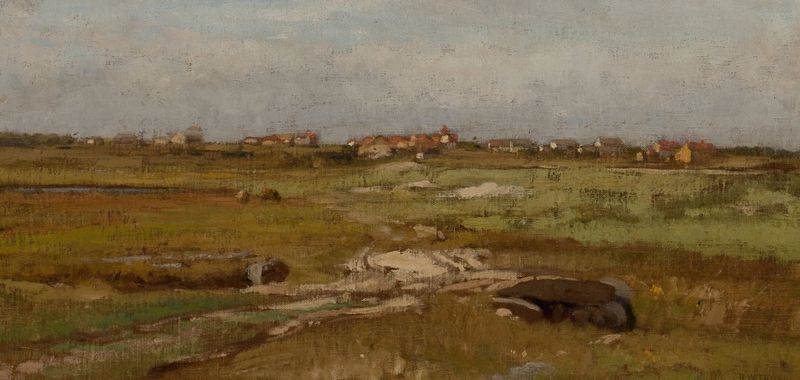
Marsh Landscape
Dwight William Tryon
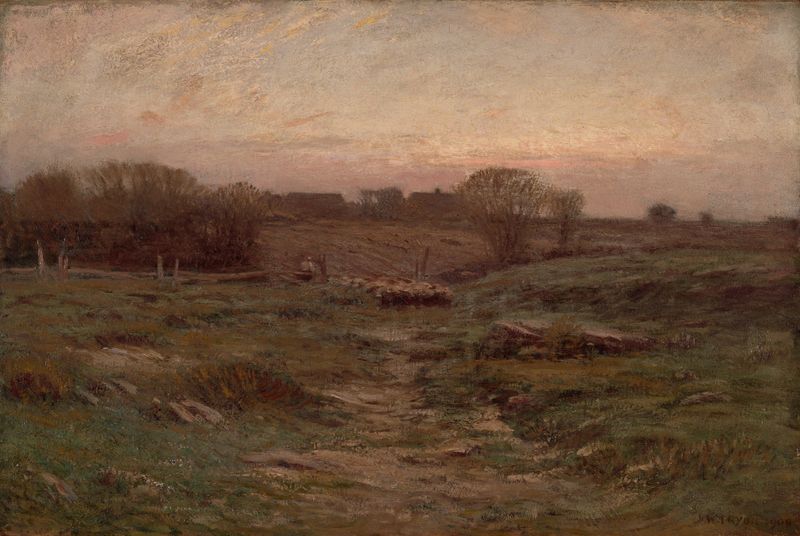
Landscape (Sheep in the Valley)
Dwight William Tryon
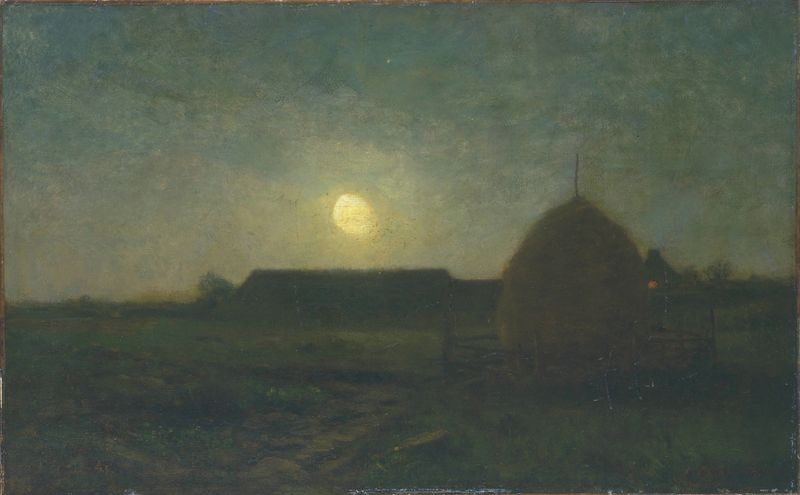
Moonlight
Dwight William Tryon
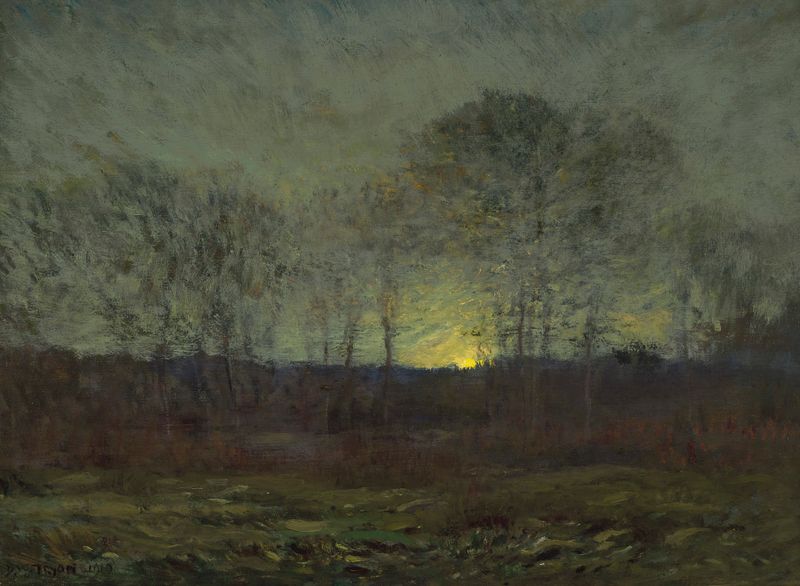
Moonrise
Dwight William Tryon
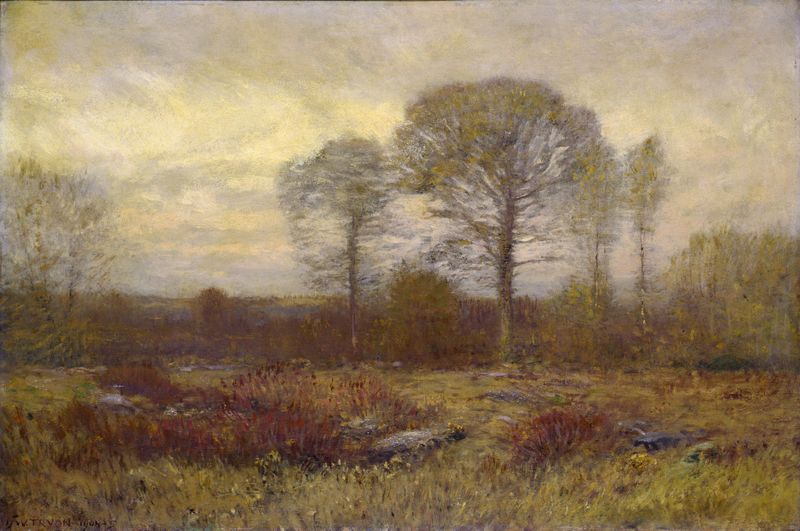
November
Dwight William Tryon
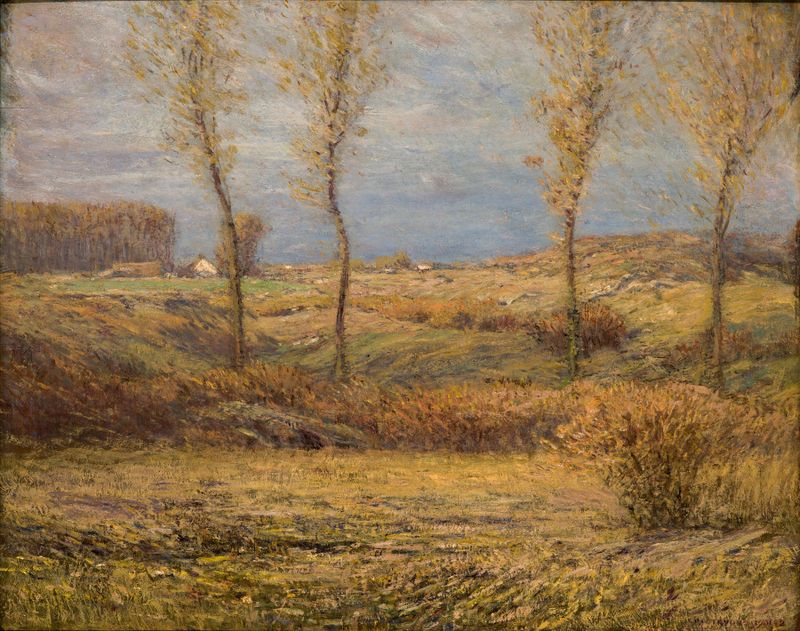
November Morning
Dwight William Tryon

Coastal Scene
Dwight William Tryon

Twilight
Dwight William Tryon
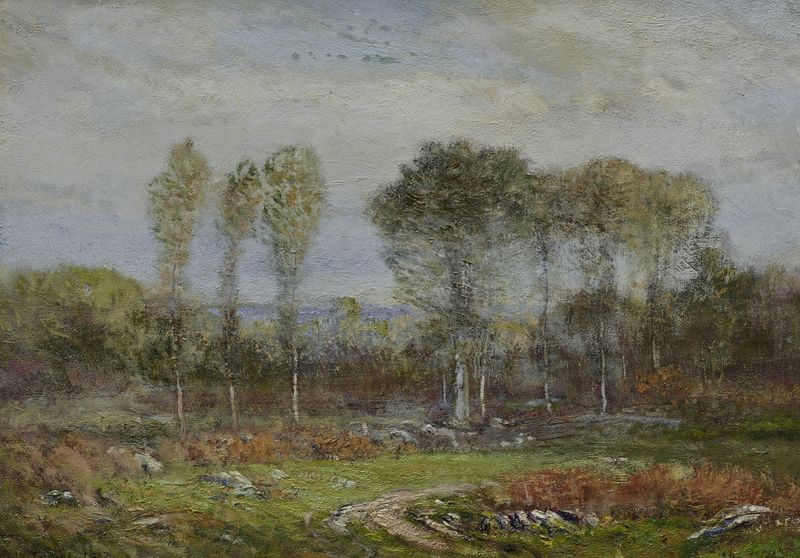
Morning in September
Dwight William Tryon

A Glimpse of the Sea
Dwight William Tryon





