
Marsh Landscape — History & Facts
Within the quiet embrace of nature, a landscape can weave a tapestry of emotions, revealing the invisible threads of human experience. Look to the left at the shimmering golden grasses swaying in the gentle breeze, their warmth contrasting against the cool blues of the distant water. Notice how the brushstrokes blend harmoniously, creating a soft yet vibrant texture that draws you into the scene. The interplay of light and shadow invites the viewer to wander deeper, revealing layers of richness across the canvas that suggest both serenity and underlying tumult. As you explore the painting, consider the juxtaposition of the lush foreground against the expansive yet foreboding sky.
This tension between the ecstatic beauty of the marshland and the ominous clouds overhead mirrors the complexity of life itself—joy intertwined with melancholy. The absence of human figures accentuates solitude, allowing nature’s voice to resonate powerfully. Each detail, from the reflective water to the towering clouds, serves as a reminder that beauty can often conceal deeper sorrows. Dwight William Tryon painted this work in an era marked by a burgeoning interest in American Impressionism, reflecting both personal and national transformations.
Residing in New England, he sought to capture the ephemeral qualities of light and atmosphere in the landscape surrounding him. During this time, artists were increasingly turning to nature as a source of inspiration, pushing the boundaries of traditional representation and inviting viewers to reconnect with the essence of the world around them.
More Artworks by Dwight William Tryon
Browse all →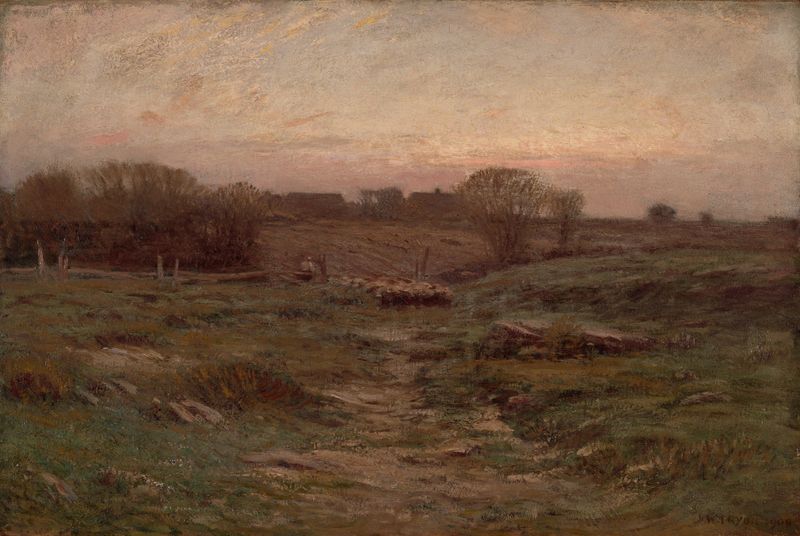
Landscape (Sheep in the Valley)
Dwight William Tryon
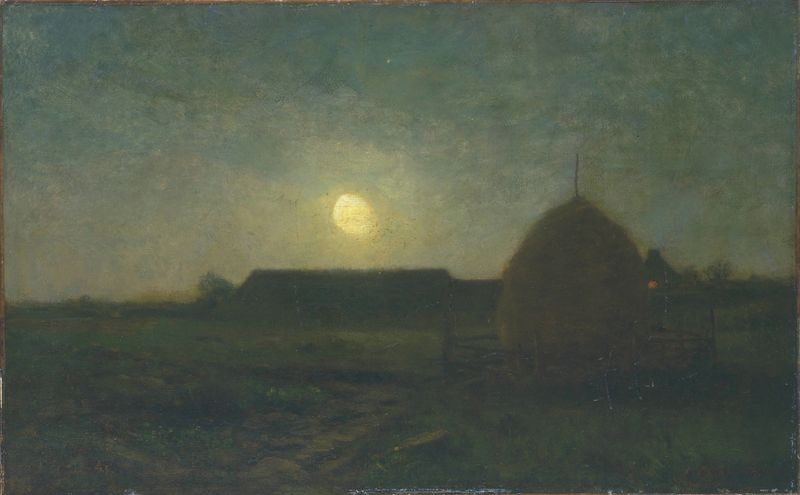
Moonlight
Dwight William Tryon

Evening Landscape
Dwight William Tryon
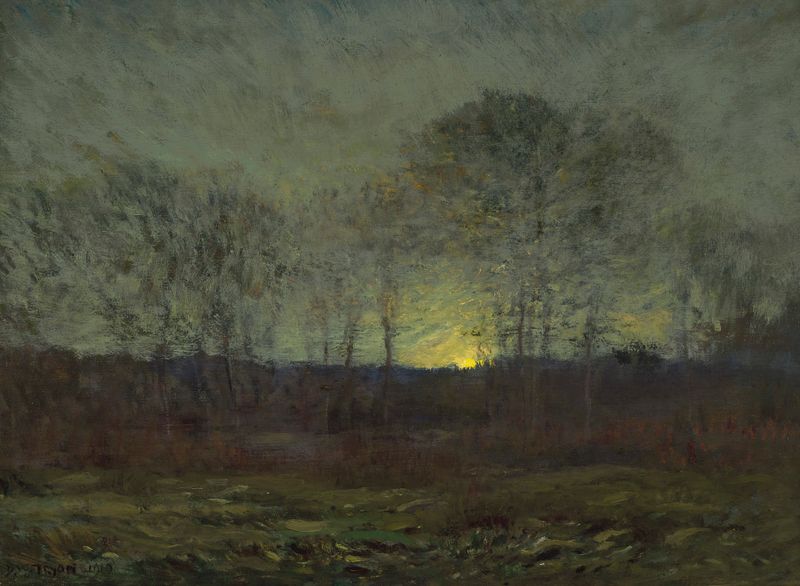
Moonrise
Dwight William Tryon
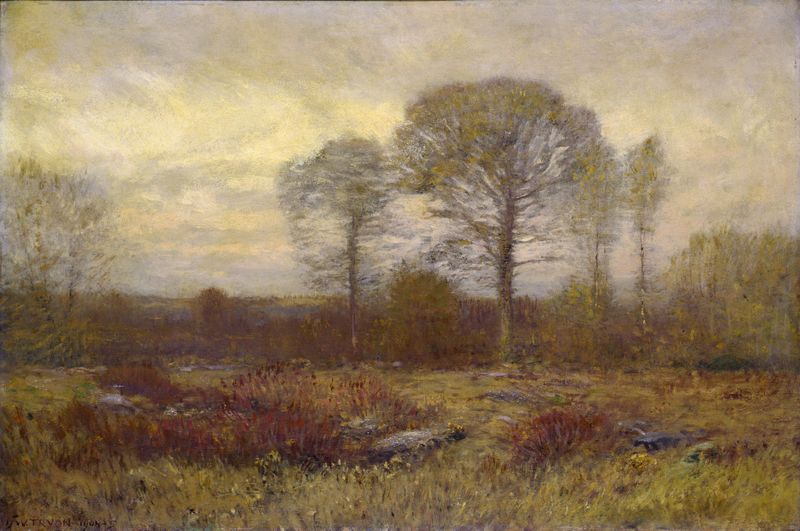
November
Dwight William Tryon
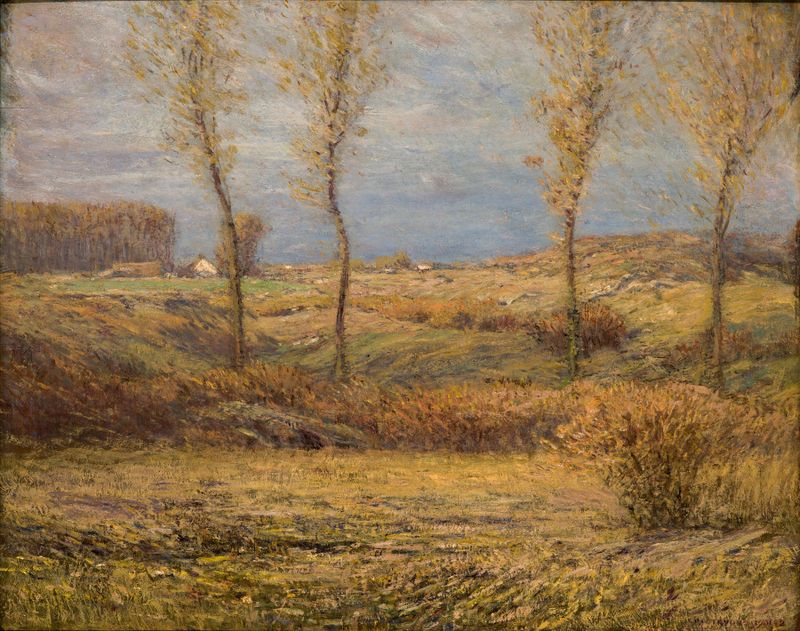
November Morning
Dwight William Tryon

Coastal Scene
Dwight William Tryon

Twilight
Dwight William Tryon
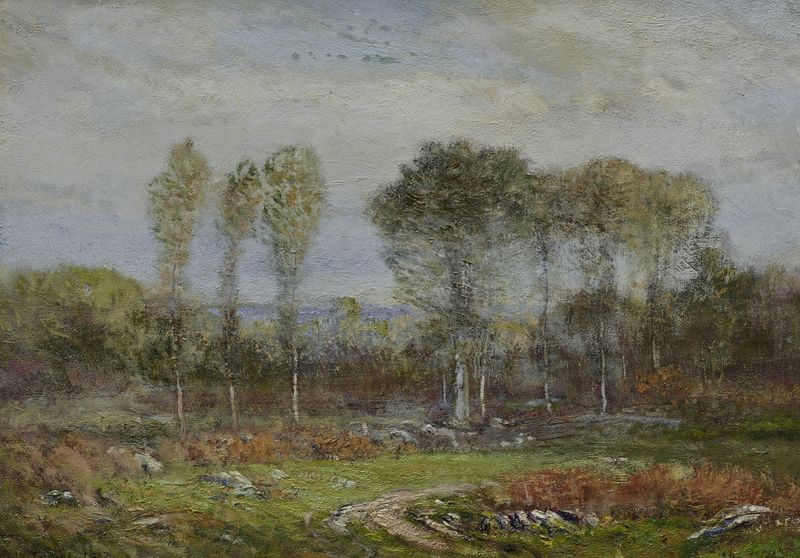
Morning in September
Dwight William Tryon

A Glimpse of the Sea
Dwight William Tryon





