
Coastal Scene — History & Facts
When did color learn to lie? In Coastal Scene, a whispering dream of the ocean unfolds, where hues tangibly merge with the soul’s longing, inviting contemplation of truth and illusion. Look to the left at the gentle swell of the waves, their edges kissed by sunlight, revealing a spectrum of blues that oscillate between serenity and tumult. Notice how the warm tones of the sandy shore contrast with the coolness of the sea, creating a rhythmic dance that draws your gaze across the canvas. The soft brushstrokes evoke a sense of movement, while layers of paint build depth, trapping light and shadow in a harmonious dialogue. Within this tranquil moment lies a tension between the ephemeral and the eternal.
The fleeting figures of fishermen in the distance hint at human endeavor against nature's vastness, suggesting vulnerability amid beauty. The clouds overhead, both serene and foreboding, imply the unpredictability of weather and life, while the horizon flirts with mystery, reminding us of dreams that drift beyond reach. In the summer of 1887, Tryon painted this work in the quietude of New England, a time when the American Impressionist movement was gaining prominence. Immersed in a world of shifting artistic paradigms, he embraced the challenge of capturing fleeting moments of light and color, seeking to evoke emotional depth through nature's spectacle.
More Artworks by Dwight William Tryon
Browse all →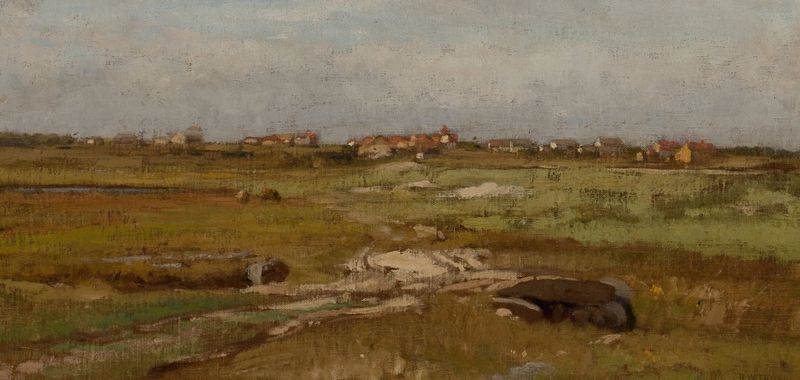
Marsh Landscape
Dwight William Tryon
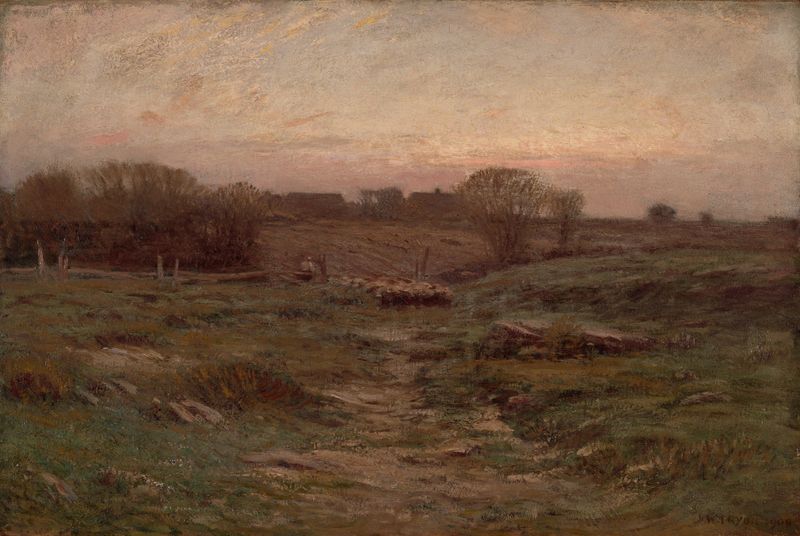
Landscape (Sheep in the Valley)
Dwight William Tryon
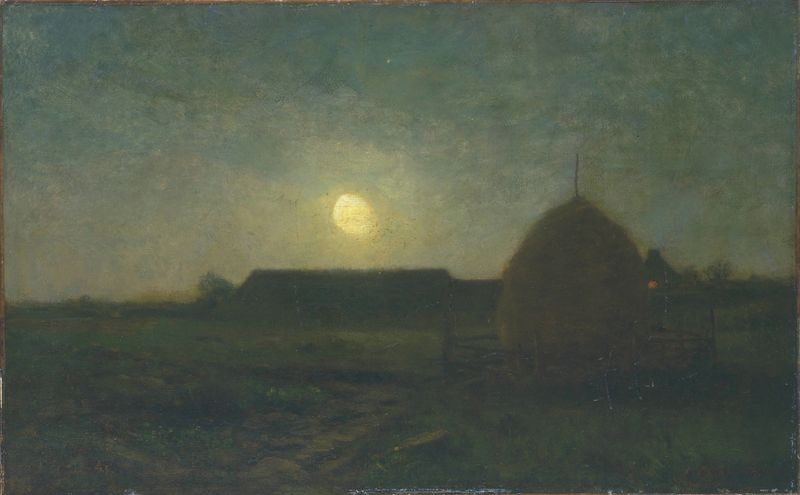
Moonlight
Dwight William Tryon

Evening Landscape
Dwight William Tryon
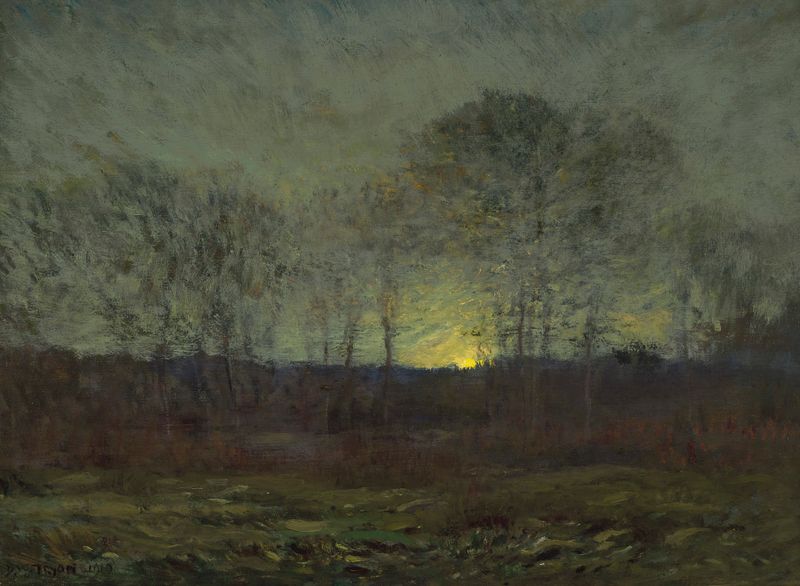
Moonrise
Dwight William Tryon
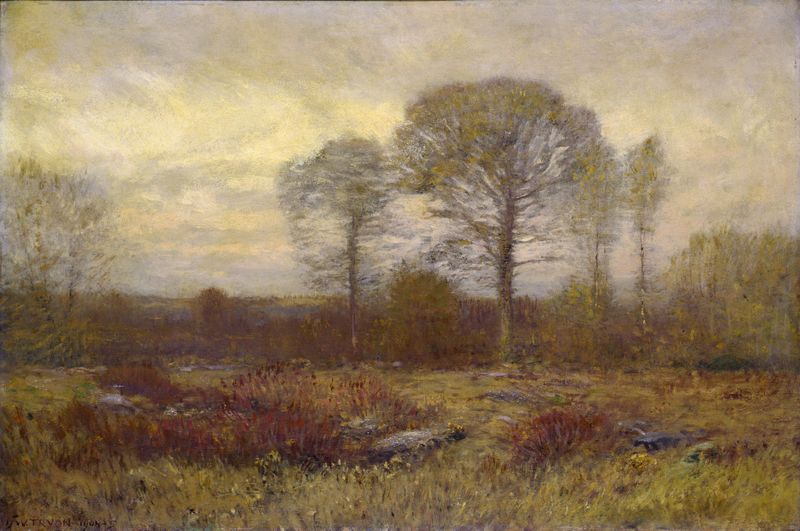
November
Dwight William Tryon
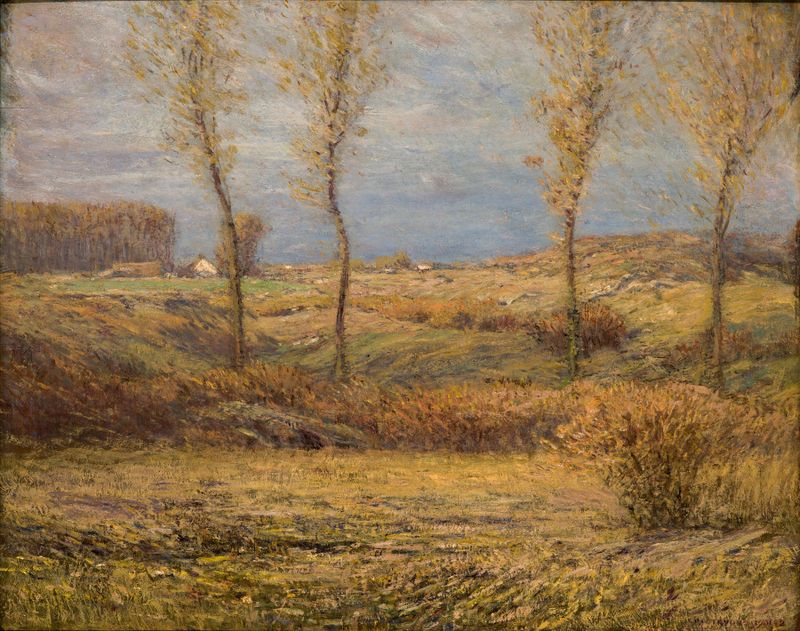
November Morning
Dwight William Tryon

Twilight
Dwight William Tryon
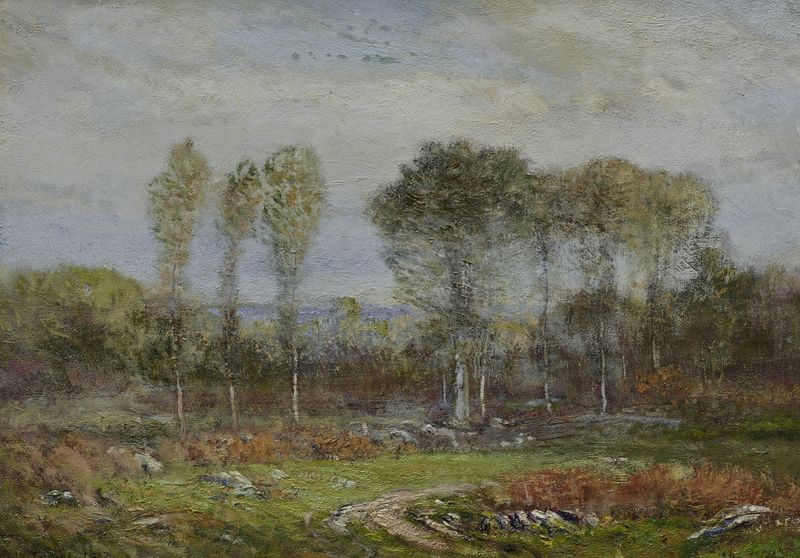
Morning in September
Dwight William Tryon

A Glimpse of the Sea
Dwight William Tryon





