
November — History & Facts
In that stillness, one can find the delicate balance between faith and doubt, echoing the unspoken thoughts that linger in the air. Look to the left side of the canvas, where muted shades of gray and brown intertwine like whispered secrets of a fading autumn. The soft brushwork invites the viewer to trace the shapes of barren trees, their skeletal forms reaching upward in a silent plea, while a spectral light filters through the clouds above. The subtle layers of color merge seamlessly, creating a sense of depth that draws you into the quiet landscape, as if you are walking through a world suspended in time. The contrasts in November reveal the complexity of the human experience.
The starkness of the tree branches against the somber sky challenges the viewer to confront feelings of isolation and longing. Yet, within that starkness lies a fragile beauty, suggesting resilience in the face of desolation—a reminder that light exists even in the darkest moments. Through the haze of muted tones, a faint glow hints at hope, urging us to hold onto faith amidst uncertainty. During the early 1900s, Tryon was deeply influenced by the American Impressionist movement, embracing the natural world around him.
Created between 1904 and 1905, November reflects his explorations into the emotional resonance of landscapes, a time when he was seeking to communicate the profound connection between nature and humanity. This painting not only marks a pivotal period in his artistic evolution but also encapsulates the broader tension between the great outdoors and the inner landscape of the human spirit.
More Artworks by Dwight William Tryon
Browse all →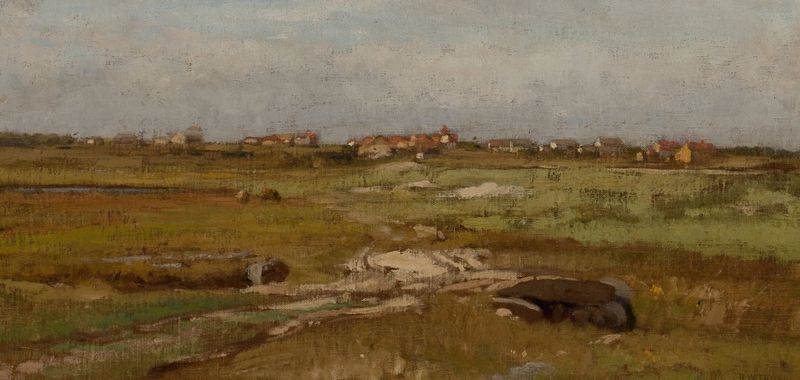
Marsh Landscape
Dwight William Tryon
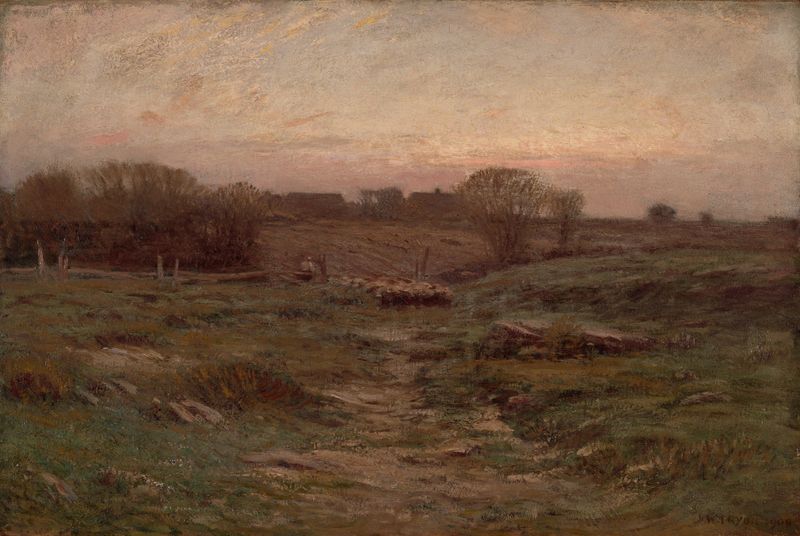
Landscape (Sheep in the Valley)
Dwight William Tryon
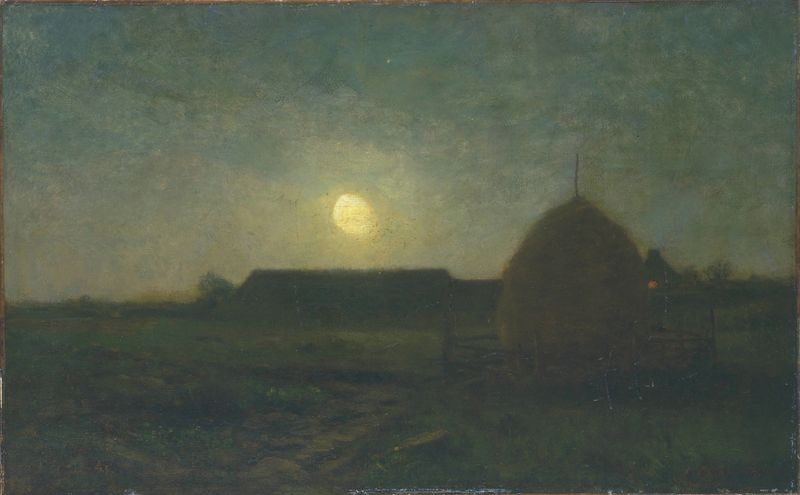
Moonlight
Dwight William Tryon

Evening Landscape
Dwight William Tryon
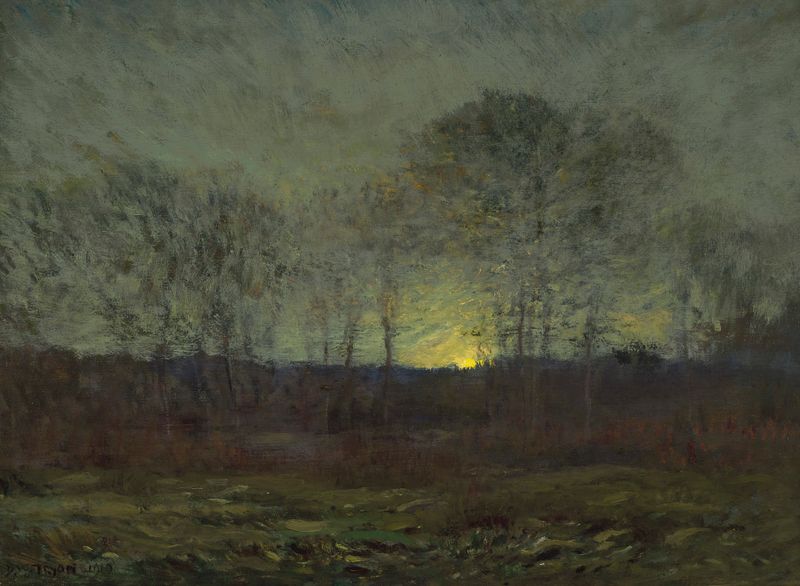
Moonrise
Dwight William Tryon
November Morning
Dwight William Tryon

Coastal Scene
Dwight William Tryon

Twilight
Dwight William Tryon
Morning in September
Dwight William Tryon

A Glimpse of the Sea
Dwight William Tryon





