
Expulsion from Paradise — History & Facts
What secret hides in the quiet of the canvas? In the stillness of Expulsion from Paradise, a profound sense of hope intertwines with loss, urging us to seek light even in the darkest of moments. Look to the center where the figures of Adam and Eve stand, their bodies a stark contrast against the lush greenery that surrounds them. The delicate interplay of light and shadow highlights their expressions—Eve's despair, Adam's resolute demeanor—drawing the viewer into their shared plight. Notice the intricate details of the foliage, painted with meticulous care, as it envelops the couple yet also hints at a new beginning, a promise of renewal after their fall. In the background, the archangel brandishing a sword serves as a harbinger of divine judgment, yet his wings glint with golden hues, suggesting that even in condemnation, there exists a path to redemption.
The juxtaposition of the serene paradise they are expelled from and the turmoil of their emotions creates a tension that reverberates throughout the canvas. This duality reflects the human experience—though we may face tribulations, the essence of hope lingers, waiting to be embraced. Lucas van Leyden created this remarkable piece in 1529, during a period when Northern Renaissance art was flourishing. The artist, known for his detailed engravings and paintings, was navigating a time of significant change in both art and society.
His work often reflected complex human emotions, and in this piece, he masterfully captured the bittersweet essence of humanity's journey, transforming a moment of despair into an enduring beacon of hope.
More Artworks by Lucas van Leyden
Browse all →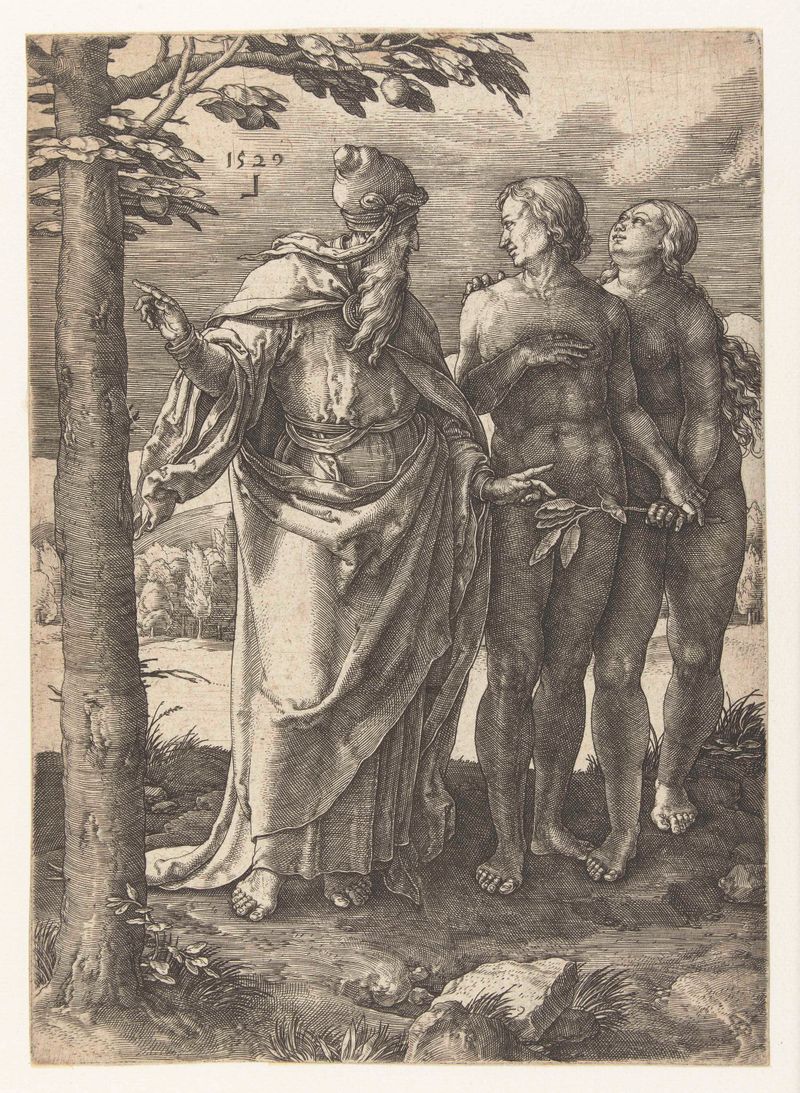
Het eerste verbod
Lucas van Leyden
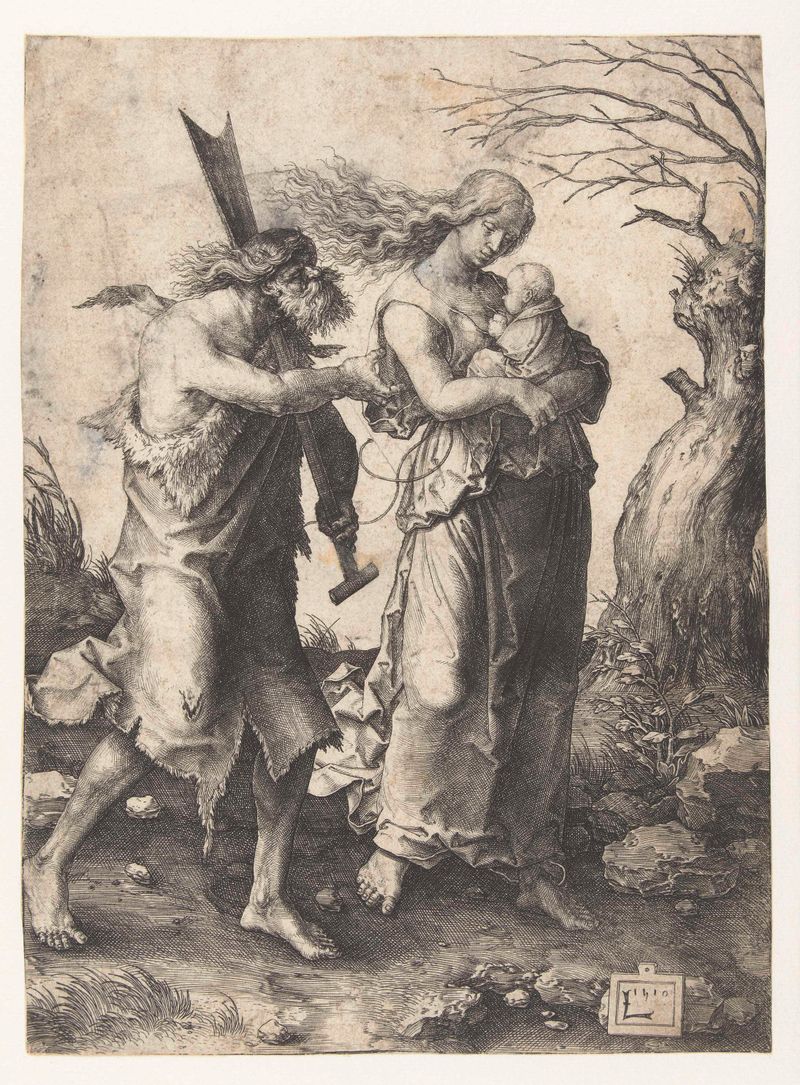
Adam en Eva na de verdrijving uit het paradijs
Lucas van Leyden
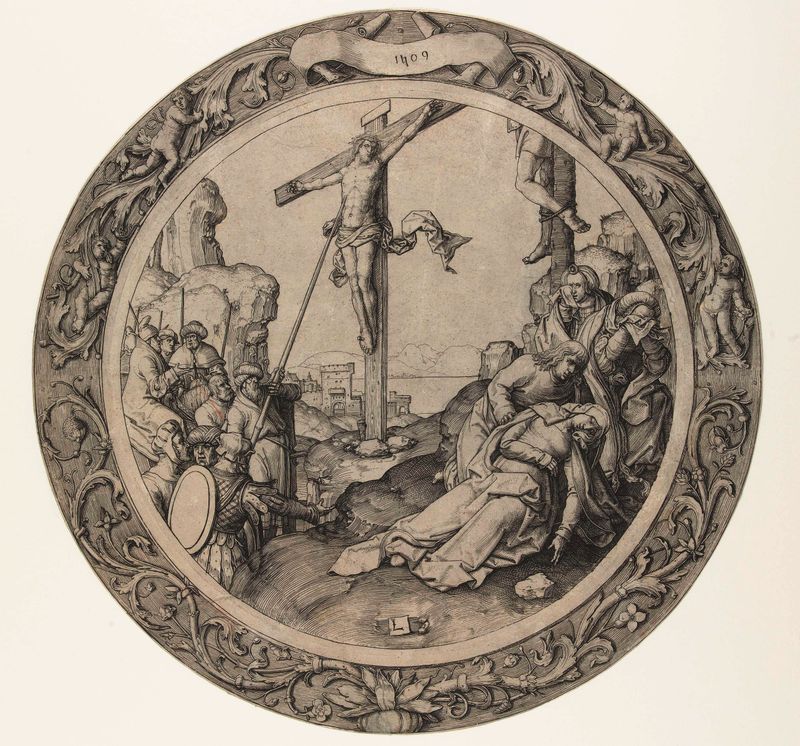
De kruisiging
Lucas van Leyden
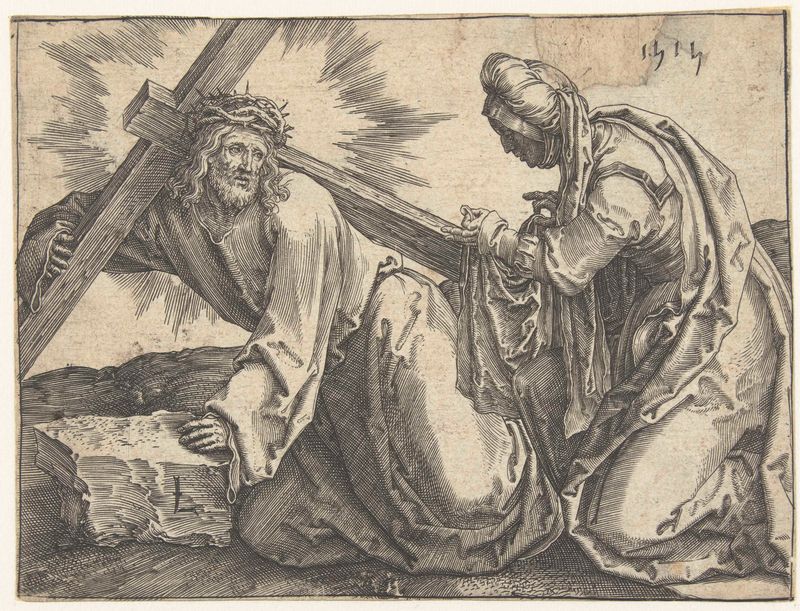
Kruisdraging
Lucas van Leyden
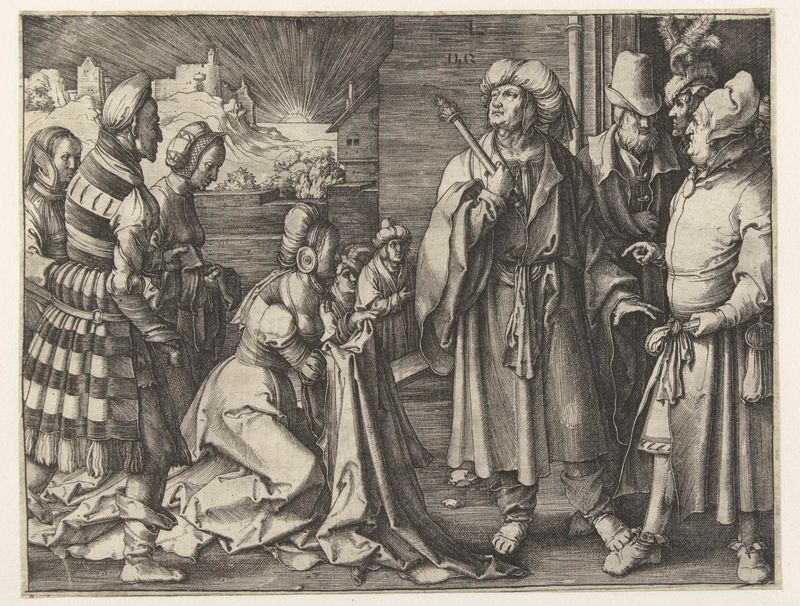
De vrouw van Potifar beschuldigt Jozef
Lucas van Leyden
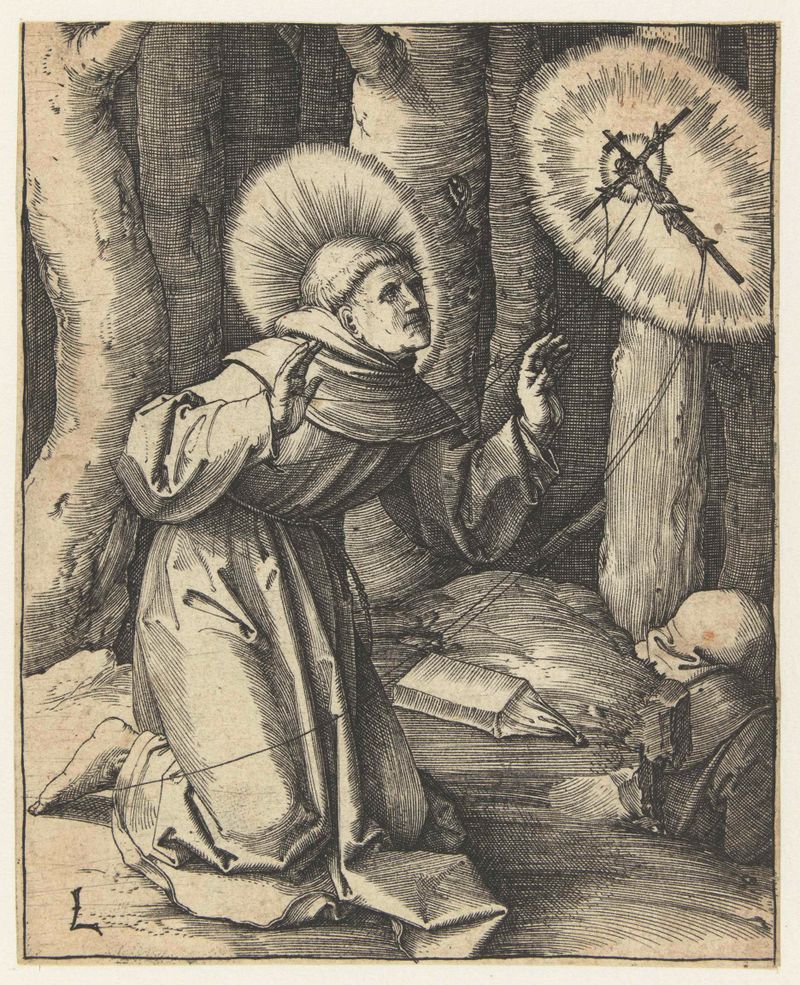
De stigmatisatie van de heilige Franciscus
Lucas van Leyden
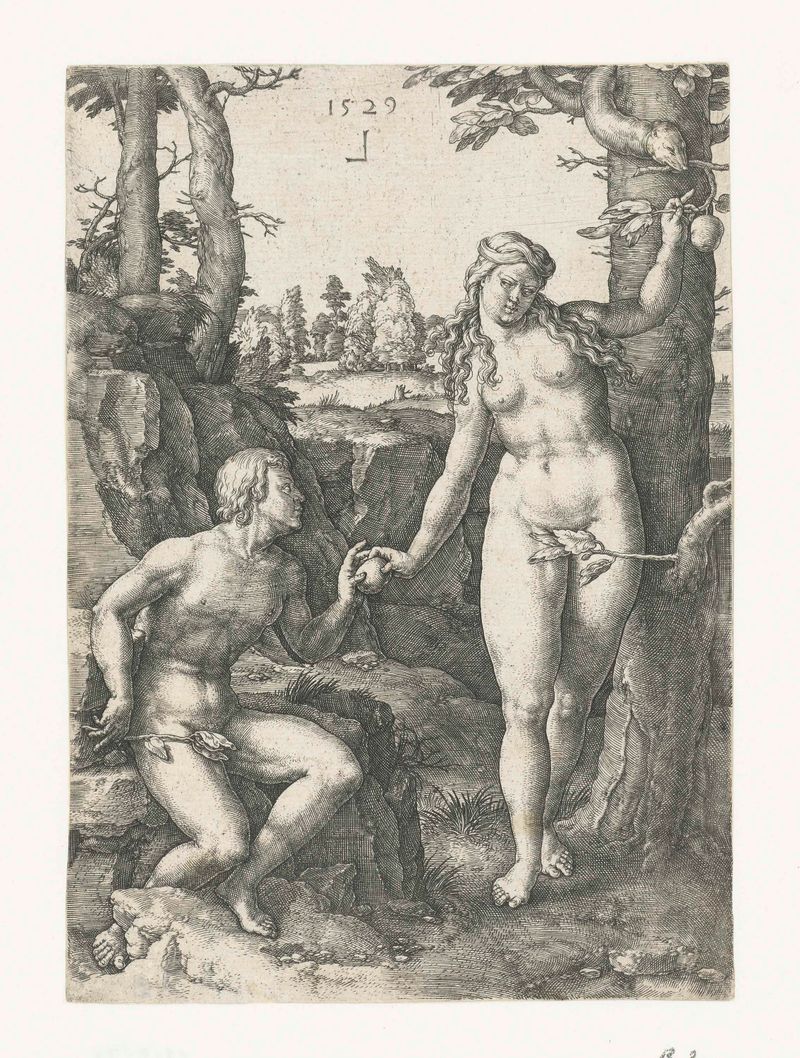
De zondeval
Lucas van Leyden
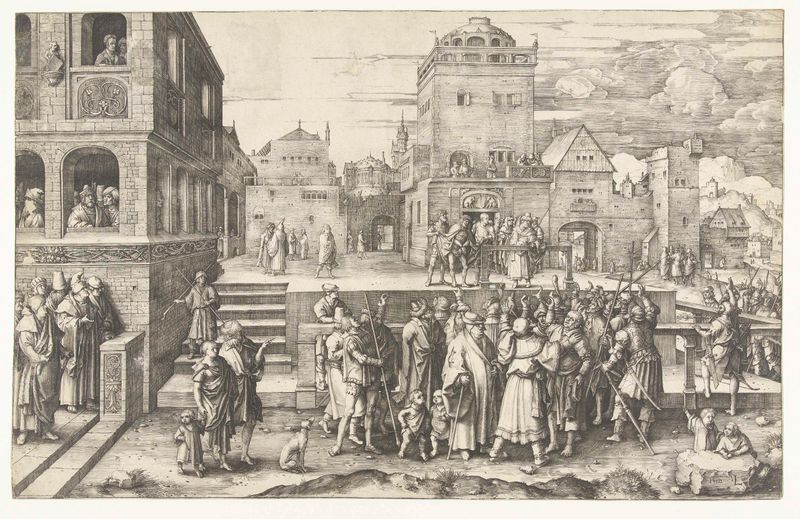
De grote Ecce Homo
Lucas van Leyden
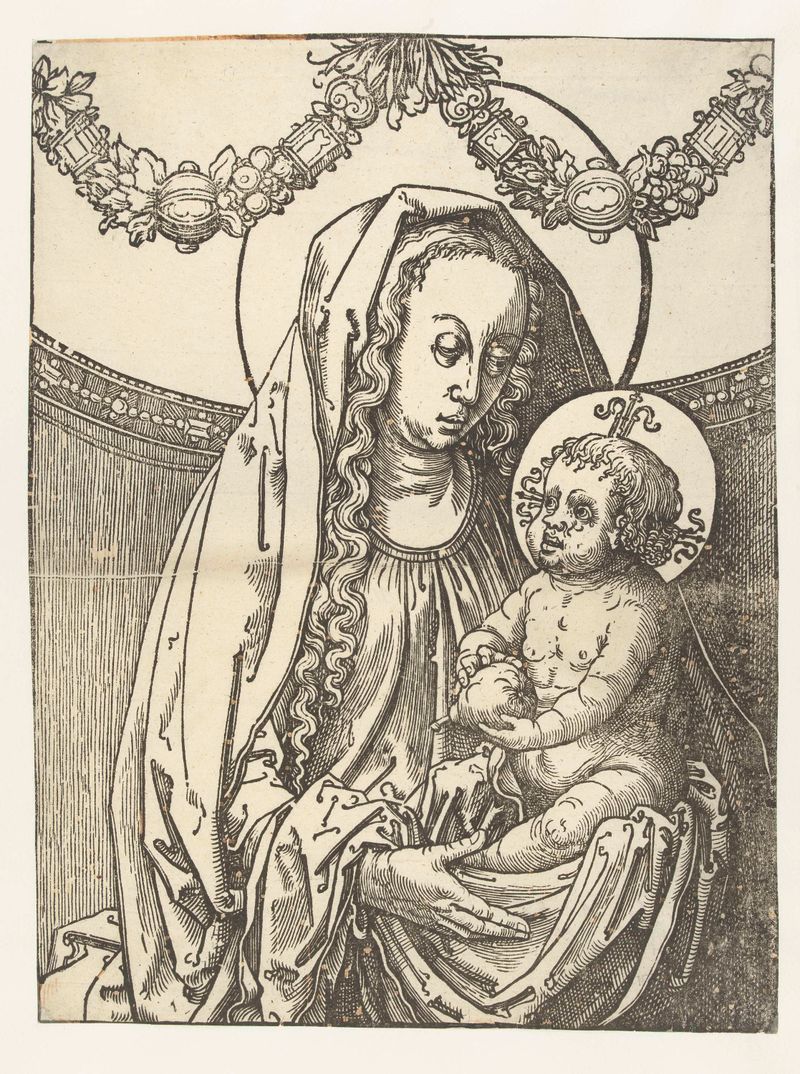
Maria met kind
Lucas van Leyden

Doornenkroning
Lucas van Leyden
More Religious Art
Browse all →
The Return of the Prodigal Son
Rembrandt van Rijn

The Garden of Earthly Delights
El Bosco

Count Orgaz’ funeral
El Greco

The Hundred Guilder Print: the central piece with Christ preaching, the plate arched
Rembrandt van Rijn

The Descent from the Cross
Rogier van der Weyden

The return of the prodigal son
Rembrandt van Rijn