Fabel van de sater en de boer — History & Facts
Could beauty survive in a century of chaos? This poignant question echoes through Wenceslaus Hollar's Fabel van de sater en de boer, a testament to the pursuit of harmony amidst disarray. Look closely at the interaction between the satyr and the farmer. The satyr, with his playful grin and carefree posture, contrasts sharply with the farmer's furrowed brow and tense body language. The earthy palette, rich in greens and browns, grounds the figures in a pastoral setting, while soft light dances across the scene, illuminating their expressions and lending an air of tranquility to the moment.
Notice how the delicate lines of Hollar’s etching capture the fluidity of the satyr’s movements against the farmer’s rigid stance, creating a visual dialogue between freedom and responsibility. Beneath the surface, tension simmers. The satyr embodies untamed nature and indulgence, a stark juxtaposition to the farmer’s embodiment of toil and duty. This contrast invites contemplation on the balance between hedonism and labor, suggesting that life’s pleasures often come at the expense of diligent effort.
The subtle humor woven into the narrative encourages the viewer to reflect on the folly of neglecting one’s responsibilities for fleeting desires, urging a reconciliation between the two realms. Hollar created this work in 1644 while in England, a time when the turmoil of the English Civil War loomed large. Influenced by the Baroque movement, he sought to capture the human experience with intricate detail and narrative depth. In an era marked by conflict, his art serves as a reminder of the delicate balance between the chaotic and the serene, elevating the ordinary to something profound.
More Artworks by Wenceslaus Hollar
Browse all →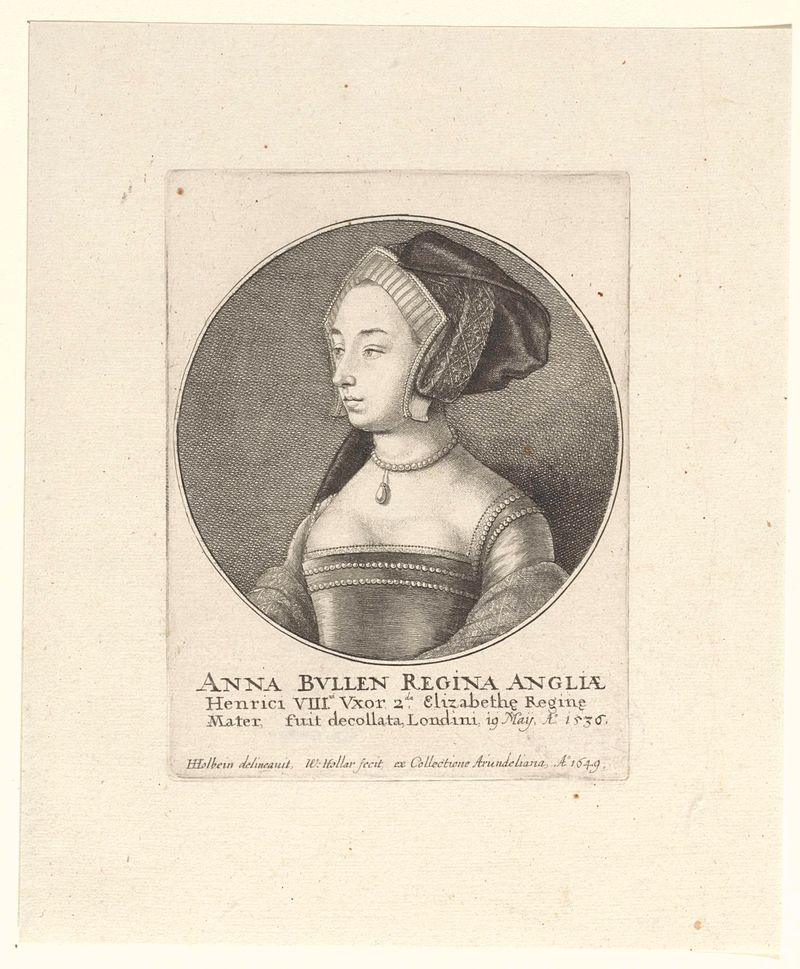
Portret van Anna Boleyn, koningin van Engeland
Wenceslaus Hollar
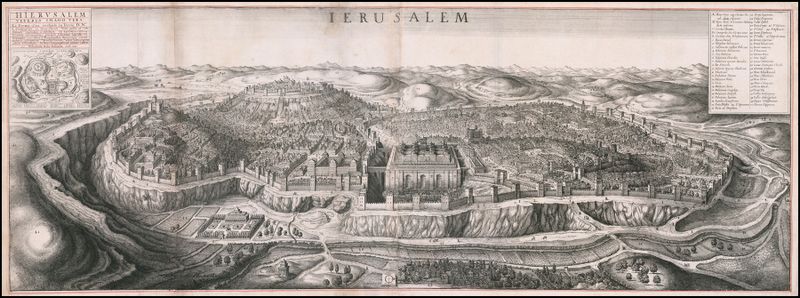
Bird’s eye view of Jerusalem
Wenceslaus Hollar
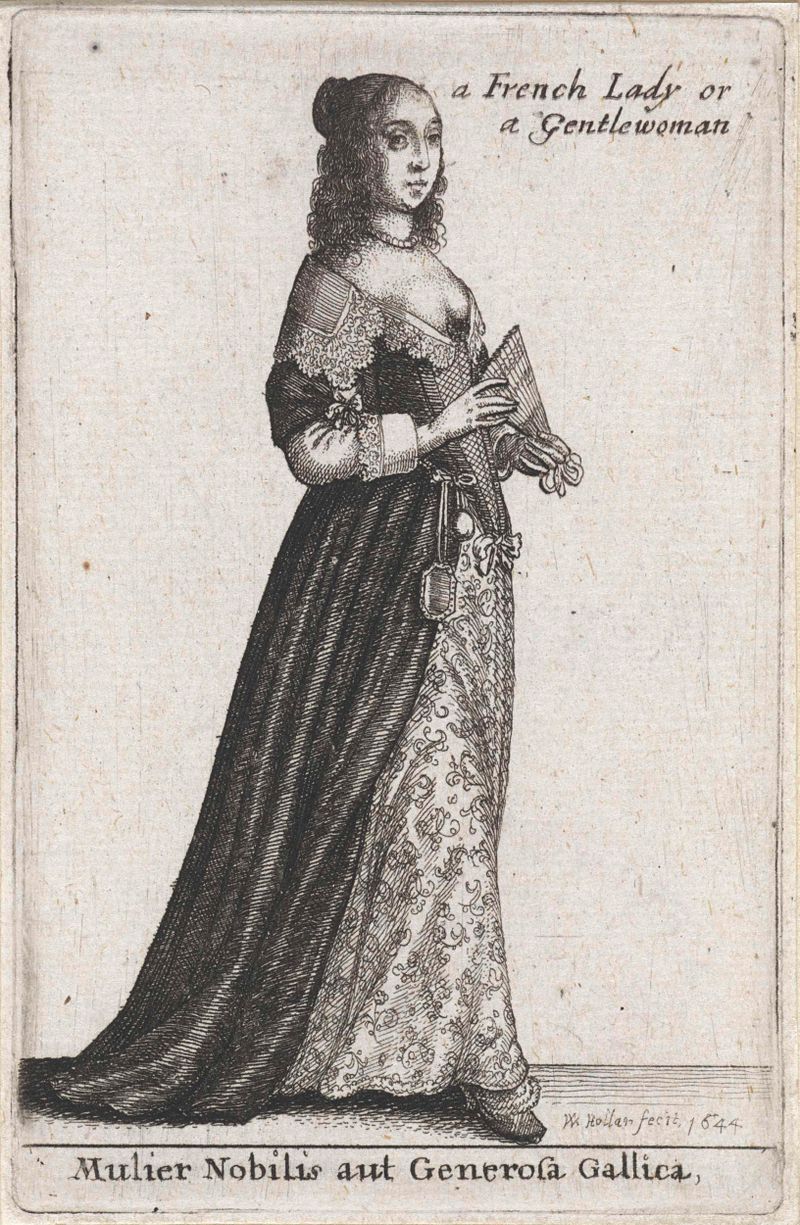
Mulier Nobilis aut Generosa Gallica / a French Lady or Gentlewoman
Wenceslaus Hollar
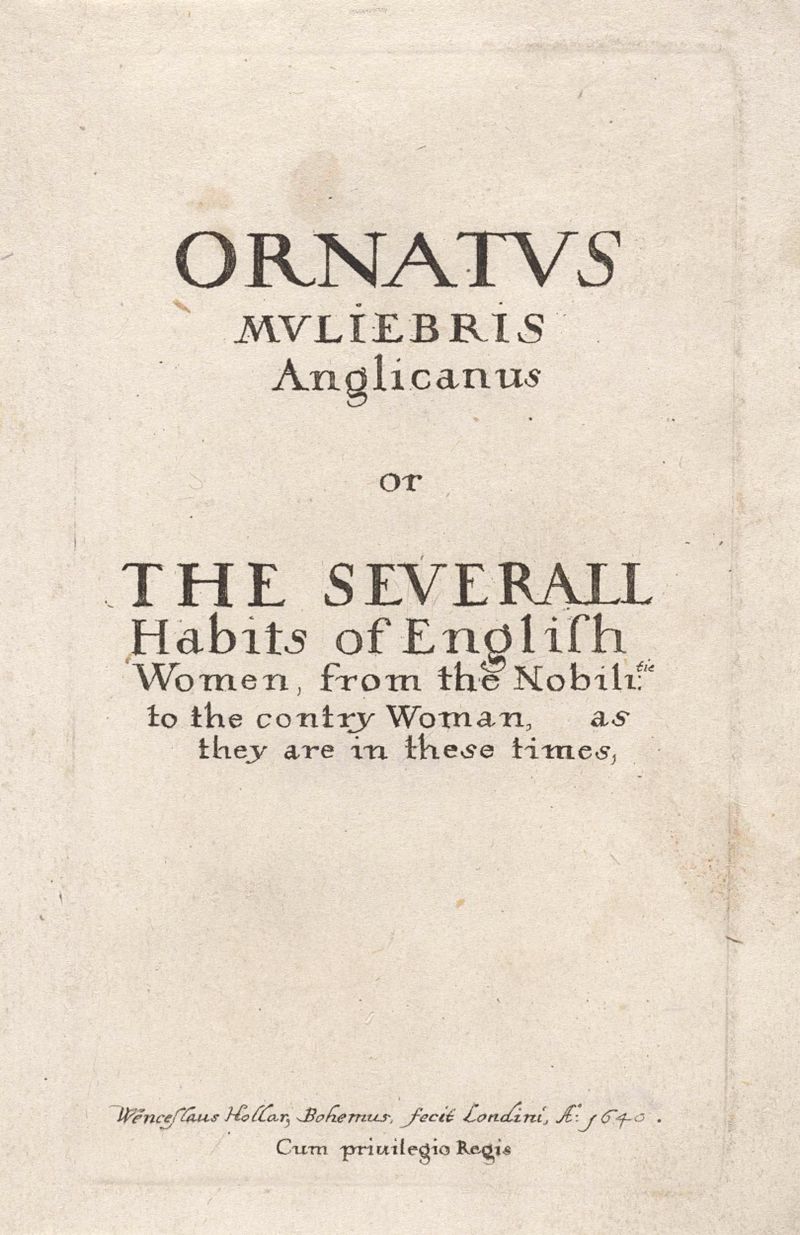
Titelprent voor: Ornatus Muliebris Anglicanus
Wenceslaus Hollar
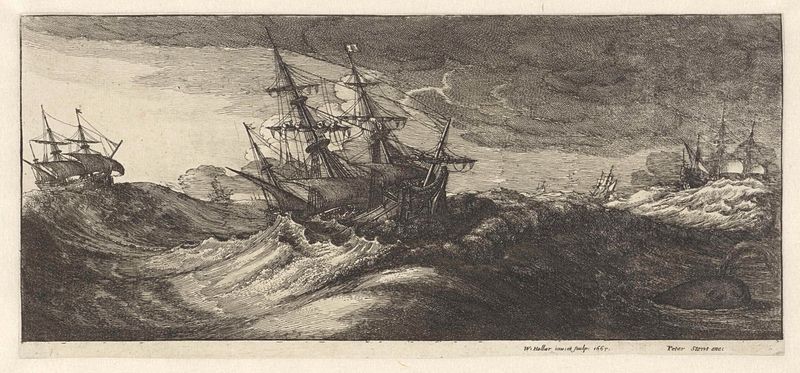
Oorlogsschepen en een walvis in een zeestorm
Wenceslaus Hollar
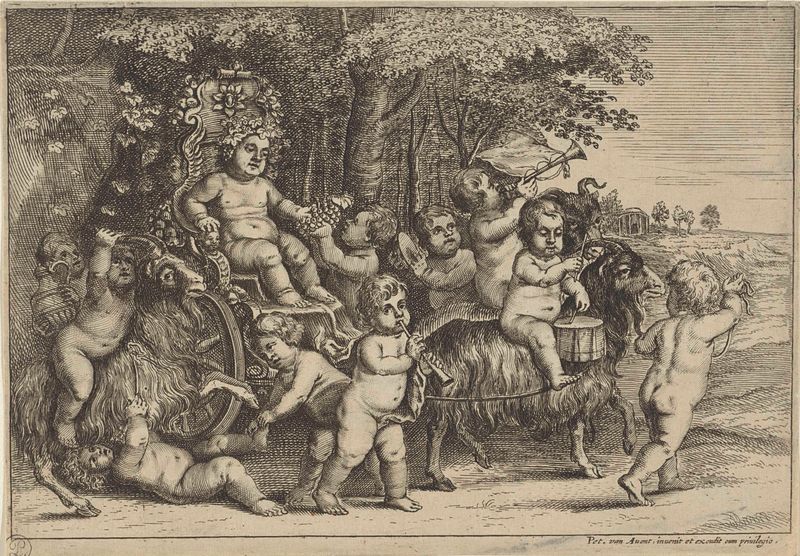
Optocht van bacchant en jongetjes op geiten
Wenceslaus Hollar
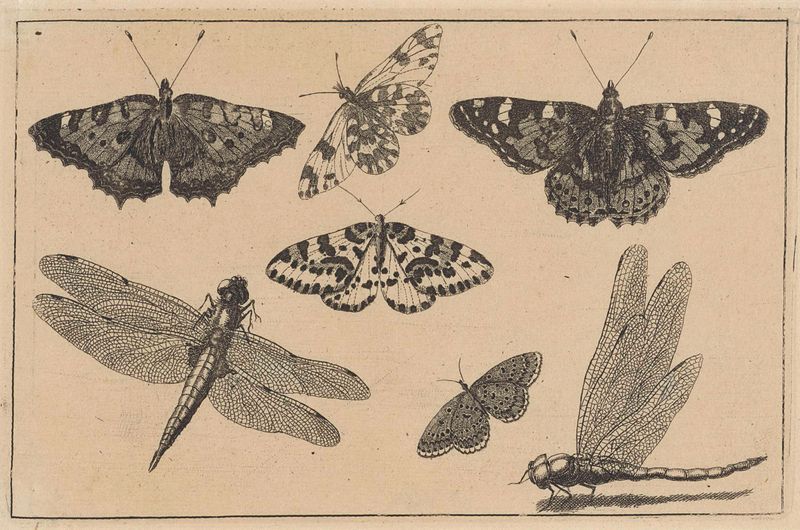
Twee libellen en vijf vlinders
Wenceslaus Hollar
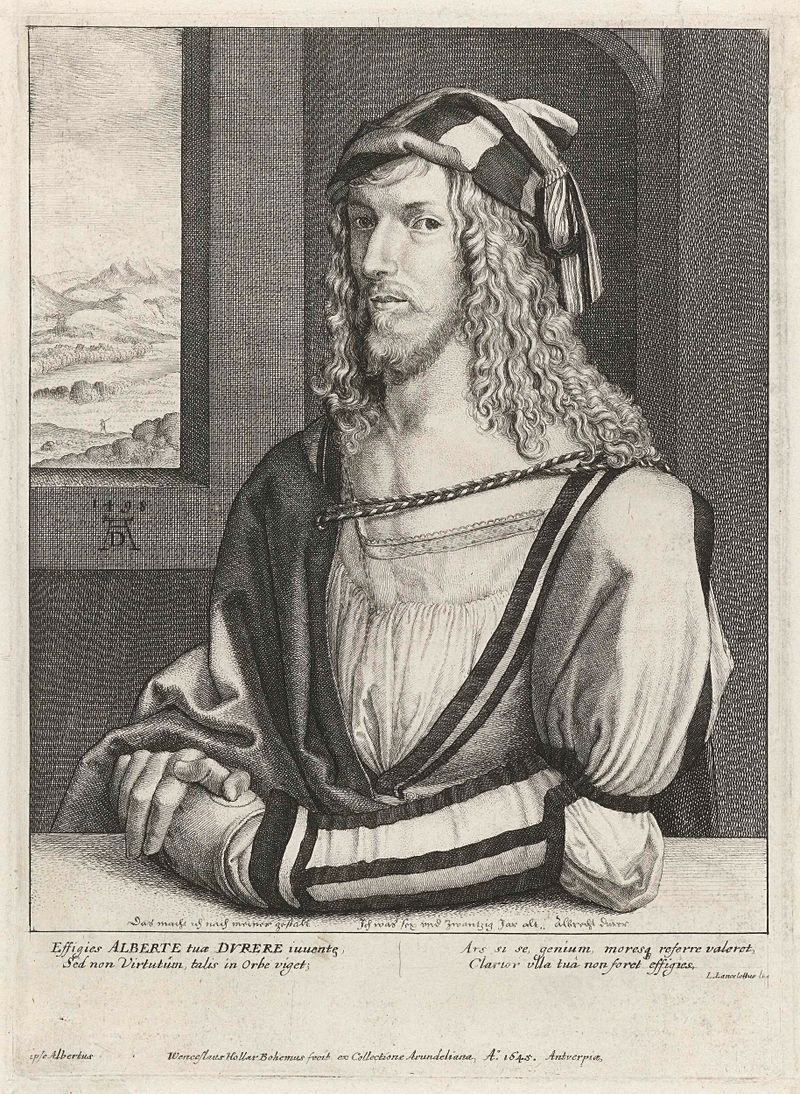
Portret van Albrecht Dürer
Wenceslaus Hollar
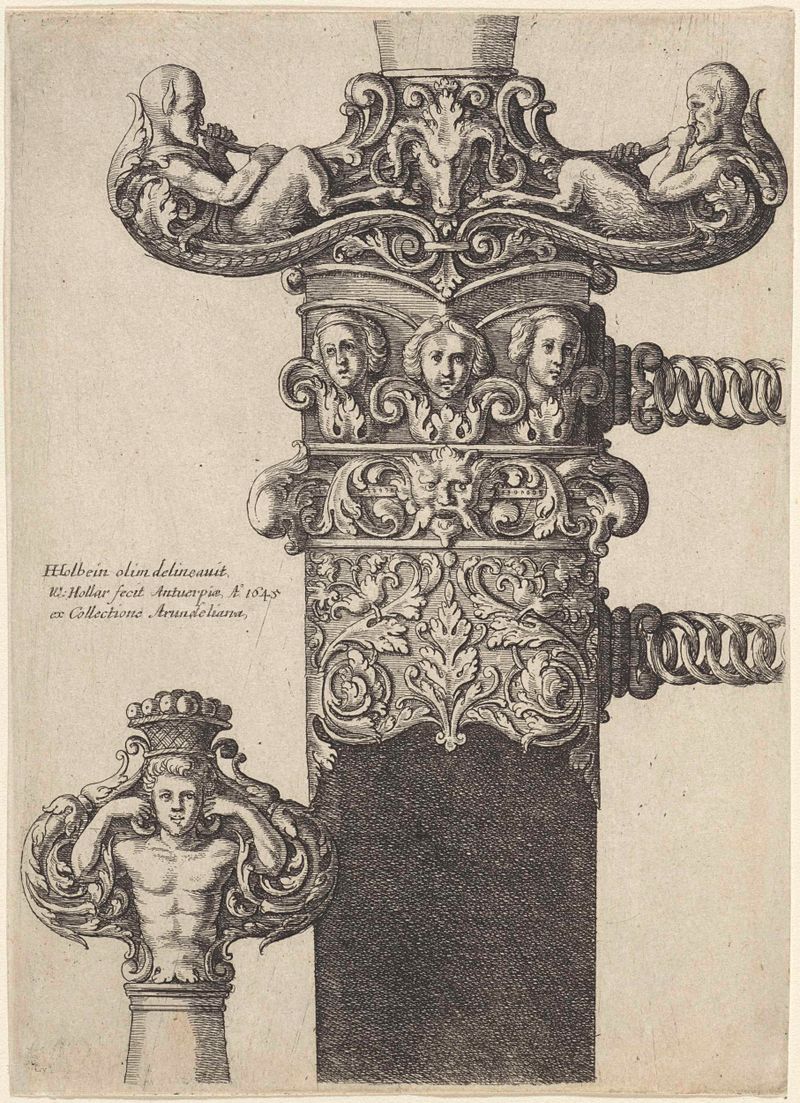
Ornamenteel ontwerp voor een dolk
Wenceslaus Hollar
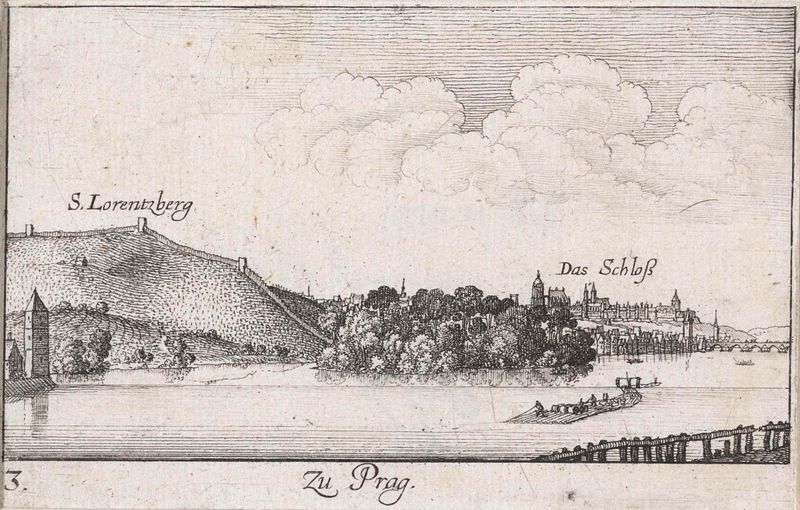
Gezicht op Praag vanaf de Moldau
Wenceslaus Hollar