
Factories at Clichy — History & Facts
Did the painter know this moment would outlive them? In the bustling heart of Clichy, a scene unfolds that transcends time, capturing the essence of industrial life and its stark contrast to human experience. Look to the left at the towering chimneys, their forms rising against a turbulent sky. Notice how the thick strokes of paint entwine in shades of gray and ochre, reflecting the smoke that billows upwards, a haunting reminder of the relentless machinery at work. The foreground, a blurred amalgam of color, invites the viewer to feel the pulse of an era, as the vibrant brushwork contrasts with the impending gloom of industry. Hidden within the chaos of this industrial landscape lies a profound commentary on progress and alienation.
The juxtaposition of the natural browns and greens against the harshness of the gray industrial palette evokes a sense of loss, hinting at a world where nature's beauty is overshadowed by man's creations. The ethereal light, almost celestial, casts an unsettling glow, suggesting that while machines may dominate, they cannot extinguish the human spirit. In 1887, Vincent van Gogh painted this work during his time in Paris, where he was influenced by the burgeoning Impressionist movement. As he grappled with his own artistic identity, the changing landscape of the city mirrored his search for meaning in a rapidly industrializing world.
This piece stands as a testament to that struggle, forever immortalizing a moment in history that speaks to the legacy of art amid the relentless march of advancement.
More Artworks by Vincent van Gogh
Browse all →
Starry Night
Vincent van Gogh
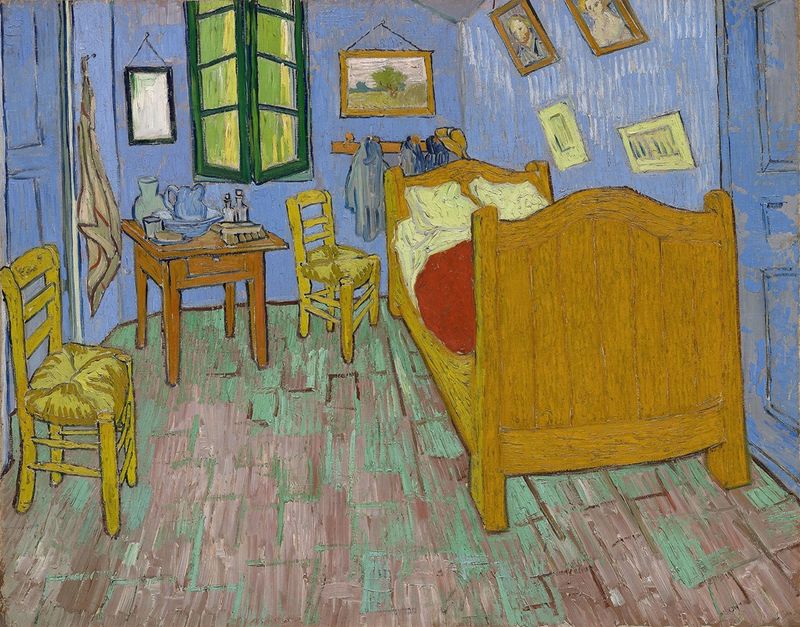
The Bedroom
Vincent van Gogh
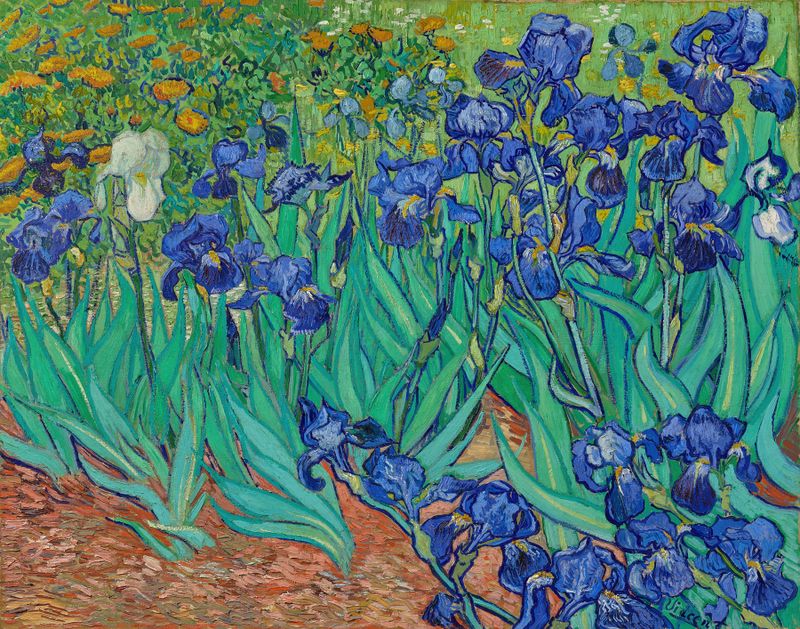
Irises
Vincent van Gogh
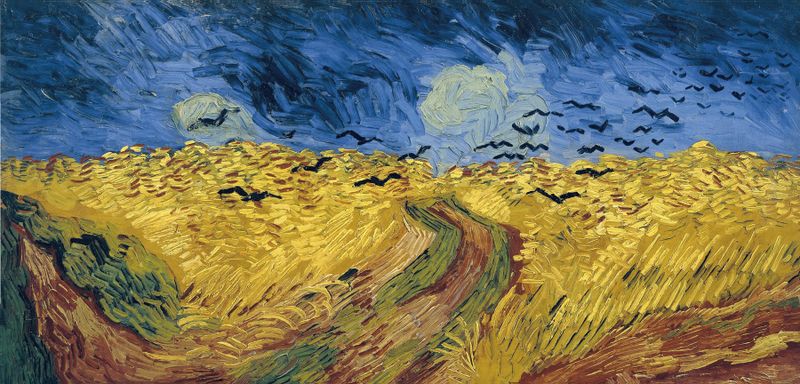
Wheatfield with Crows
Vincent van Gogh
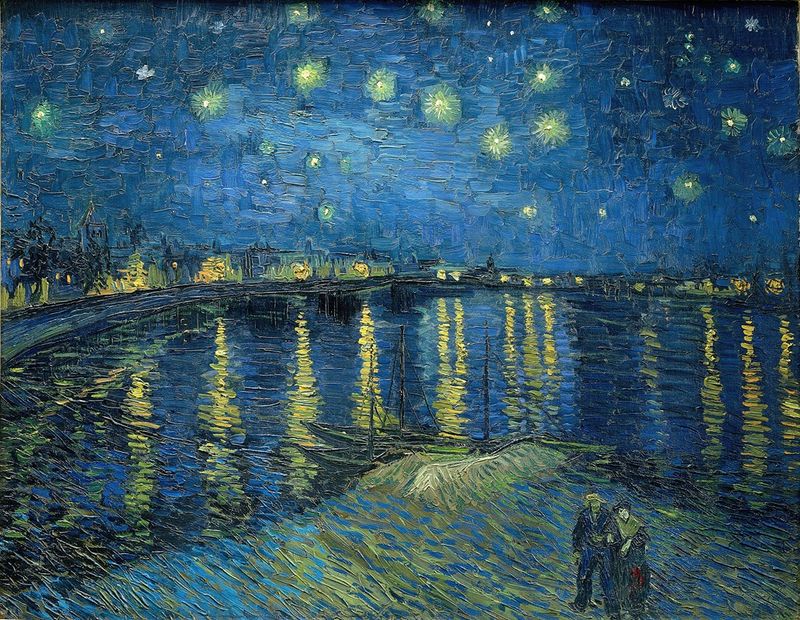
Starry Night over the Rhone
Vincent van Gogh

The yellow house
Vincent van Gogh
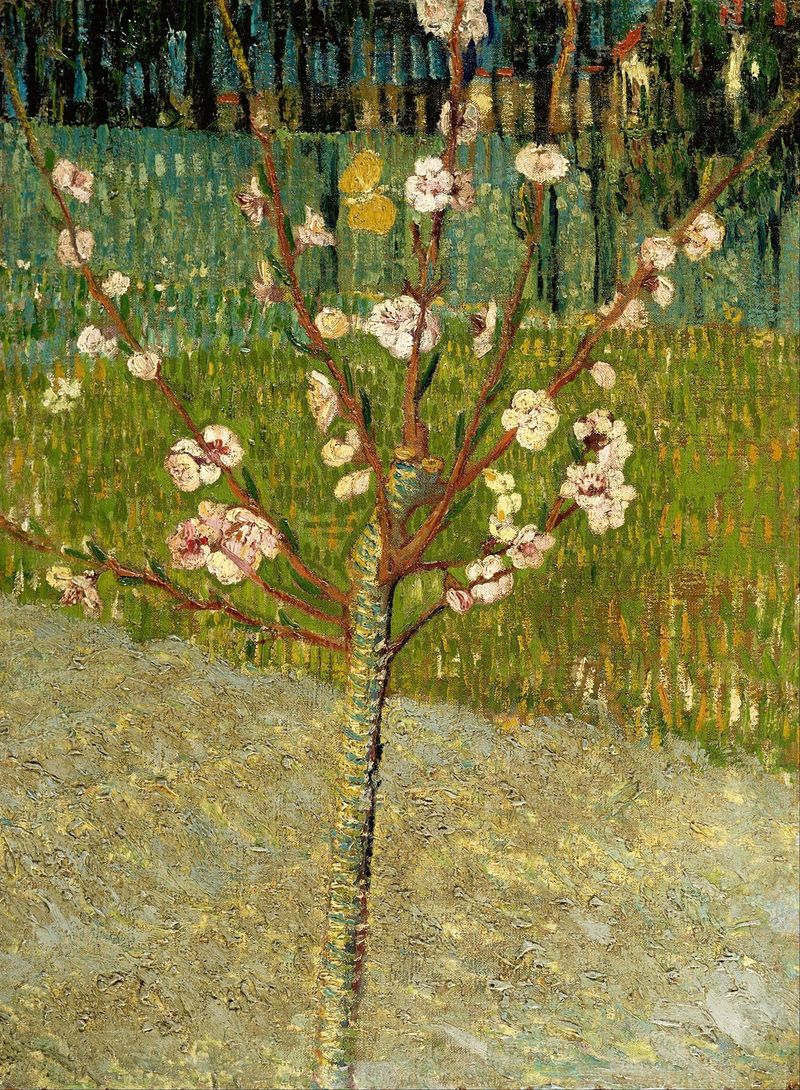
Almond tree in blossom
Vincent van Gogh

Portrait of Dr Gachet
Vincent van Gogh

The Church in Auvers-sur-Oise, View from the Chevet
Vincent van Gogh

Self-Portrait
Vincent van Gogh





