
Fair Rosamund — History & Facts
A young woman with a mane of golden hair stands half-hidden in a bower of ivy and wild roses, her hand raised to her head as if startled by a distant sound. The lushness of the garden wraps around her, every leaf and petal rendered with patient care, while her embroidered belt quietly spells out her name—Rosamund. The eye is drawn from her wary, luminous face to the shadowy figure in blue at the far end of a sunlit path, a presence that seems to threaten the fragile peace of this secret haven.
The violet cloth draped across a table catches the light, its peacock-feather pattern echoing the hidden beauty and danger of the scene, while a dove perches above, watching. Here, the garden is not just a setting but a living shield, its tangled growth both sanctuary and snare. Painted in 1854, Fair Rosamund belongs to the world of mid-nineteenth-century British art, when the Pre-Raphaelite Brotherhood and their circle sought to revive the detail and color of early Renaissance painting. Artists like Arthur Hughes often turned to medieval legend and English folklore, weaving stories of love, secrecy, and fate into their canvases.
Such works were prized by collectors who wanted to fill their homes with scenes of romance and moral tension, and who delighted in the technical brilliance and narrative richness these artists brought to familiar tales. While history has kept few traces of this particular painting’s early journey, its presence in the Google Cultural Institute’s collection today lets us linger over every leaf and shadow, caught between beauty and threat, just as Rosamund herself is.
More Artworks by Arthur Hughes

Cecily Ursula, aged three years
Arthur Hughes

April Love
Arthur Hughes
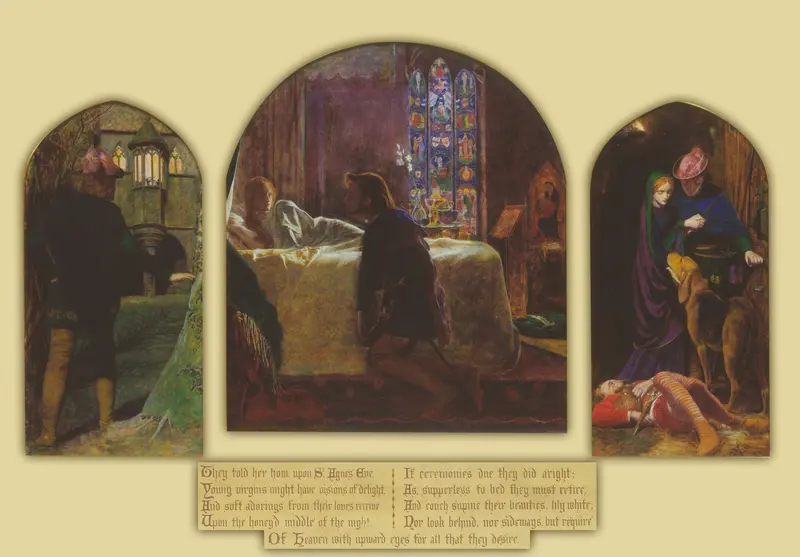
The Eve of St Agnes
Arthur Hughes
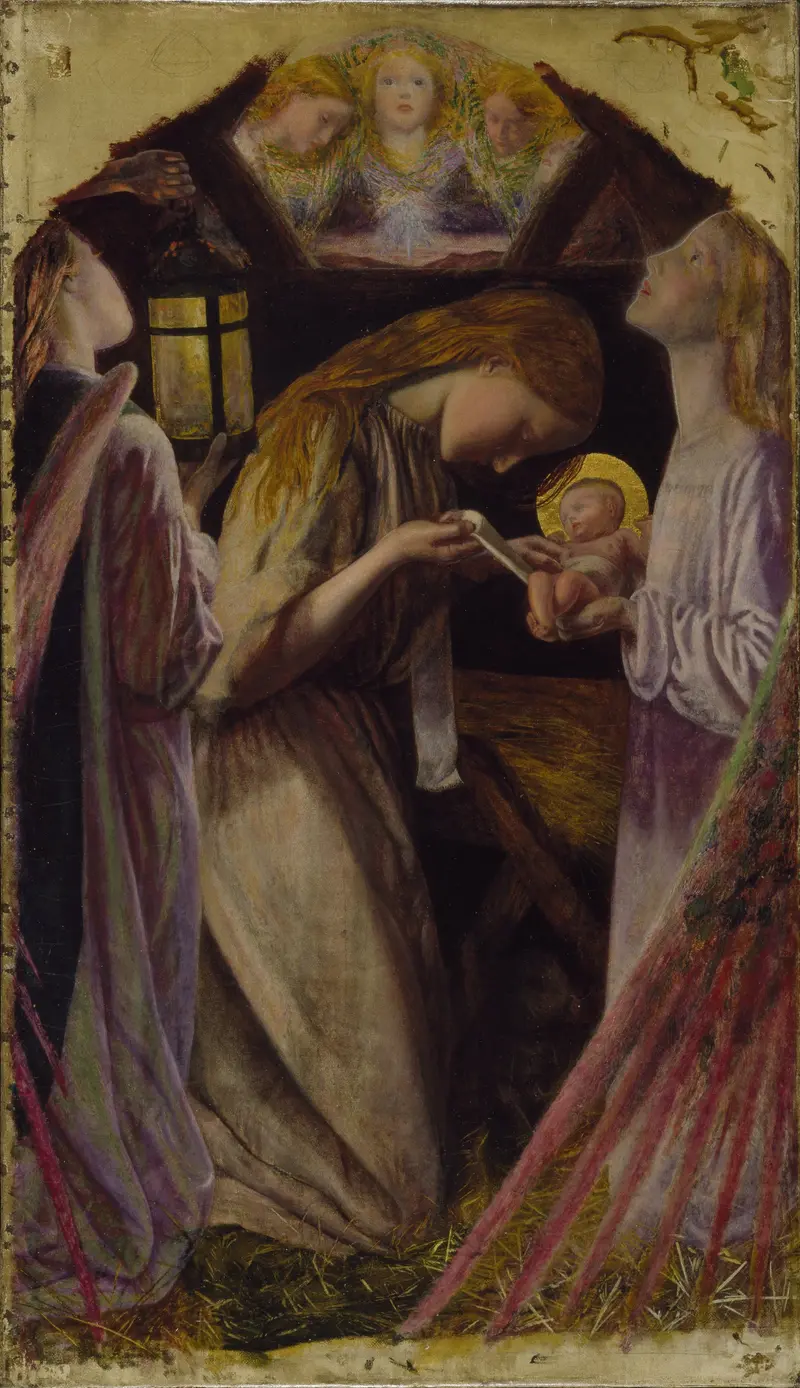
The Nativity
Arthur Hughes
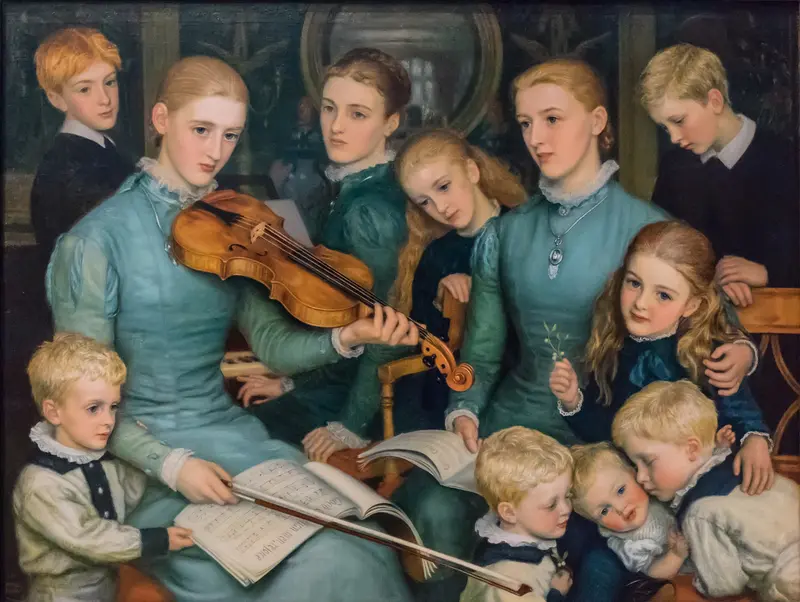
A Christmas Carol at Bracken Dene
Arthur Hughes
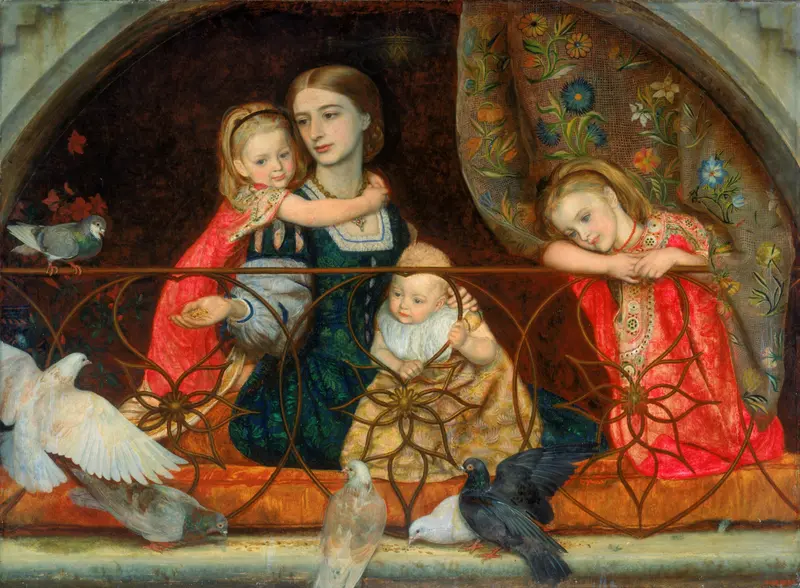
Mrs Leathart and Her Three Children
Arthur Hughes
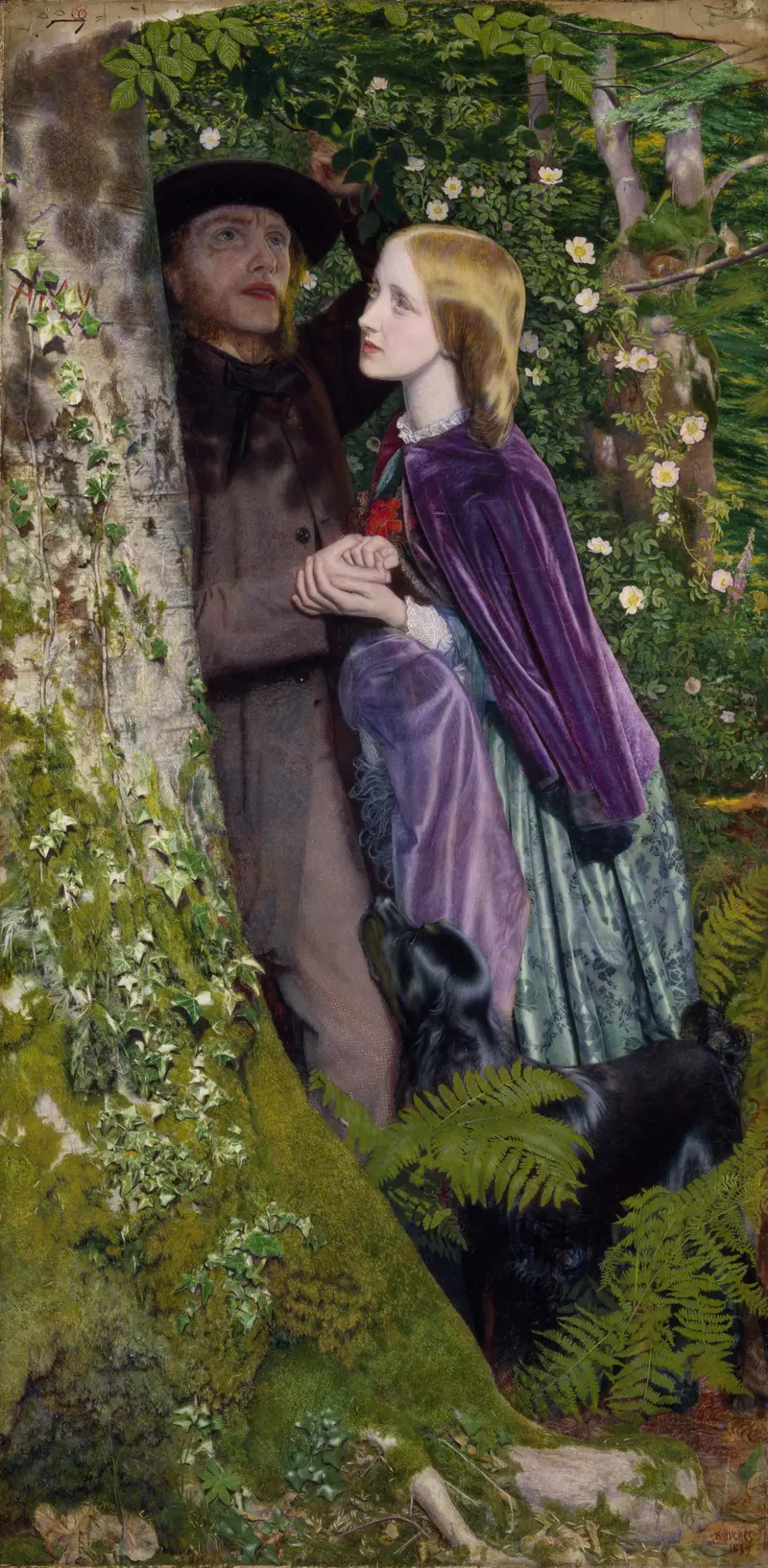
The Long Engagement
Arthur Hughes
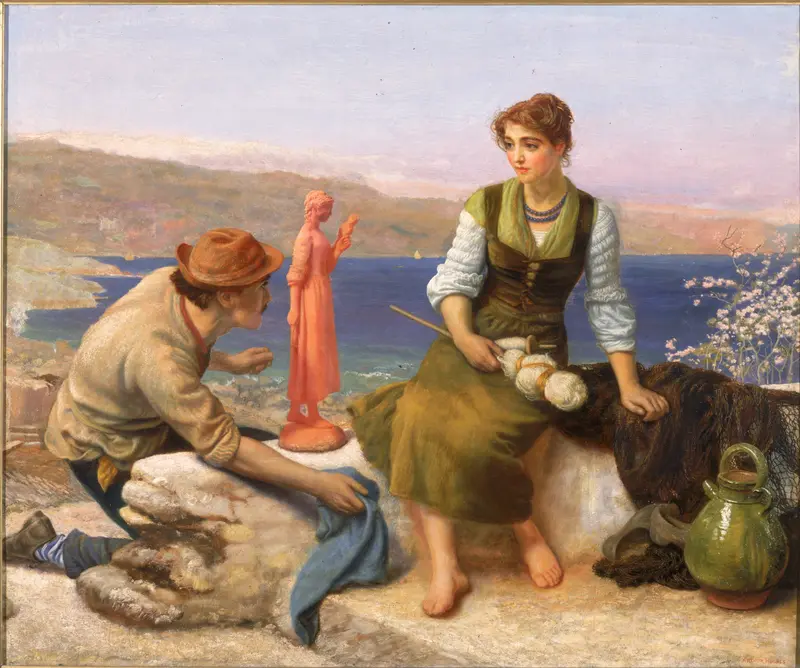
The Potter's Courtship
Arthur Hughes
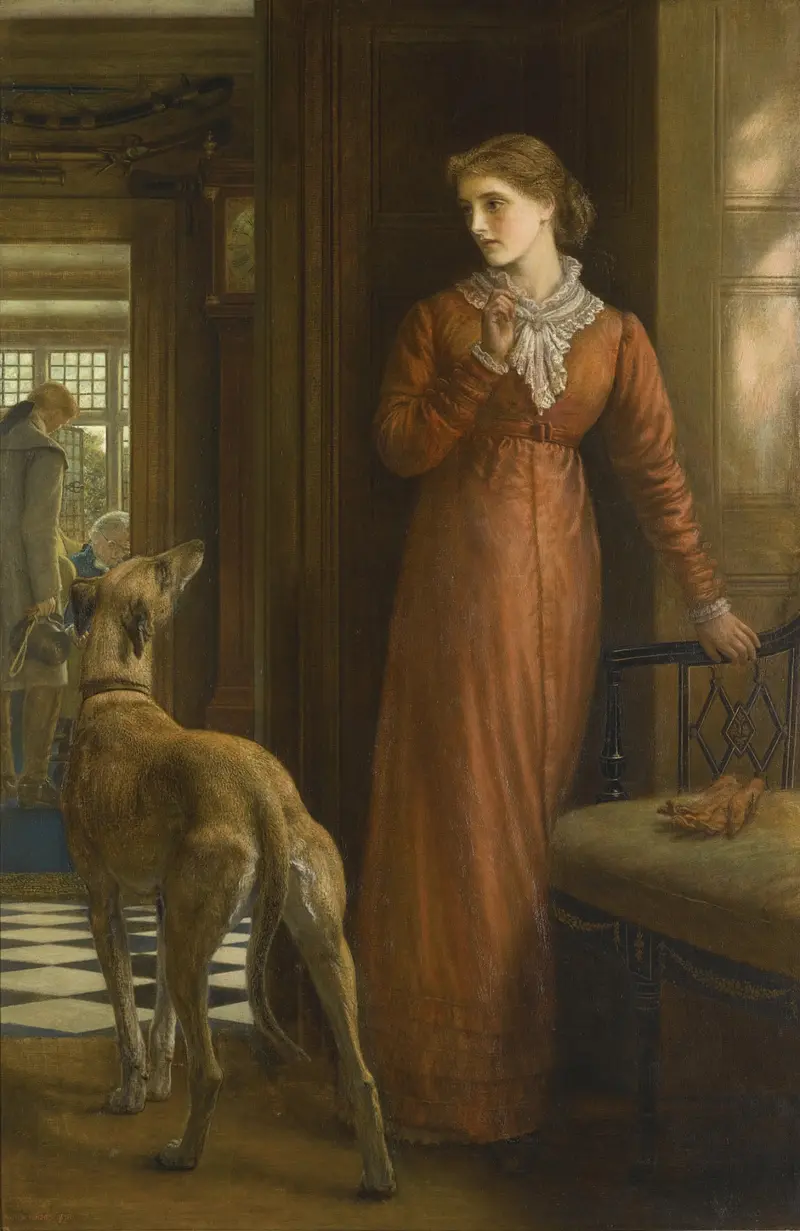
Uncertainty
Arthur Hughes
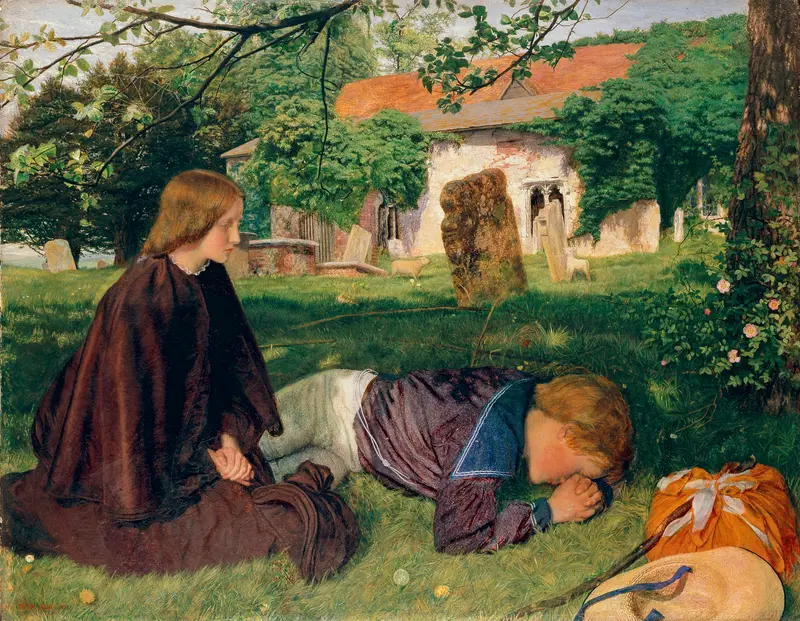
Home from Sea
Arthur Hughes



