
A Christmas Carol at Bracken Dene — History & Facts
What draws the eye first is the hush of anticipation in the children's faces, as if the music about to be played will conjure Christmas itself into the room. The central figure, poised with her violin, is not only the anchor of the composition but the emotional heart: her steady gaze and gentle grip on the bow suggest both confidence and tenderness. Around her, the family gathers in a tight constellation, each child’s posture and expression revealing their own relationship to the moment—some intent on the music, others lost in private reverie, and the youngest nestled together in a tangle of arms and golden hair.
The mirrored background hints at a larger world beyond, but the cool, harmonious palette of blues and greens keeps the focus on this intimate gathering, where music and kinship are inseparable. Painted in 1878, A Christmas Carol at Bracken Dene belongs to a Victorian tradition that prized scenes of domestic harmony and moral instruction. Such works were often commissioned by prosperous patrons eager to celebrate family values and the comforts of home, especially during the Christmas season, which was being reinvented in Victorian Britain as a festival of warmth and togetherness. This painting, commissioned by James Leathart, is a portrait of the artist’s own family, and its careful composition and attention to individual character mark it as a product of both affection and skill.
While history has kept few traces of this specific work beyond its source listing, its spirit is unmistakable: a window into a world where music, memory, and the rituals of home are cherished above all. Look again at the way the children lean into each other, and the story of the painting deepens.
More Artworks by Arthur Hughes

Cecily Ursula, aged three years
Arthur Hughes

April Love
Arthur Hughes
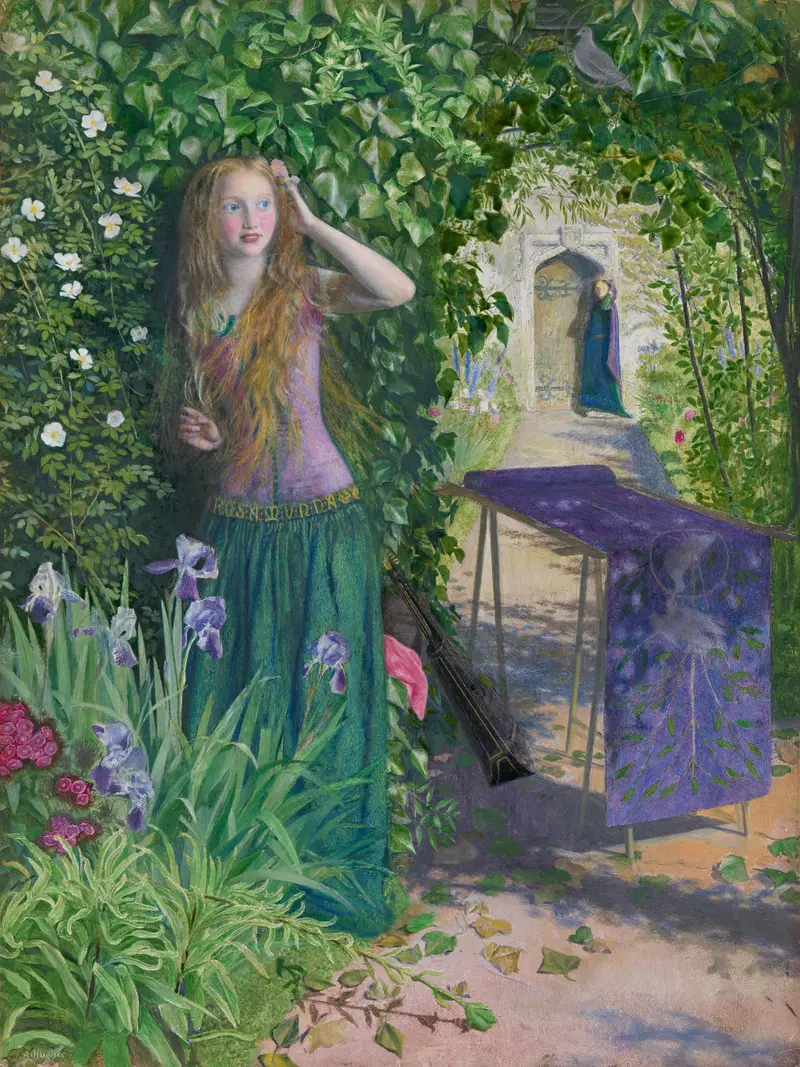
Fair Rosamund
Arthur Hughes
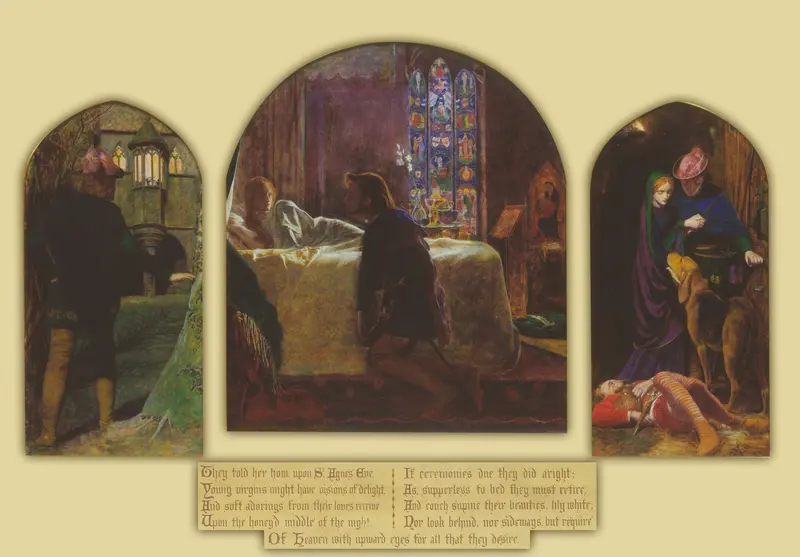
The Eve of St Agnes
Arthur Hughes
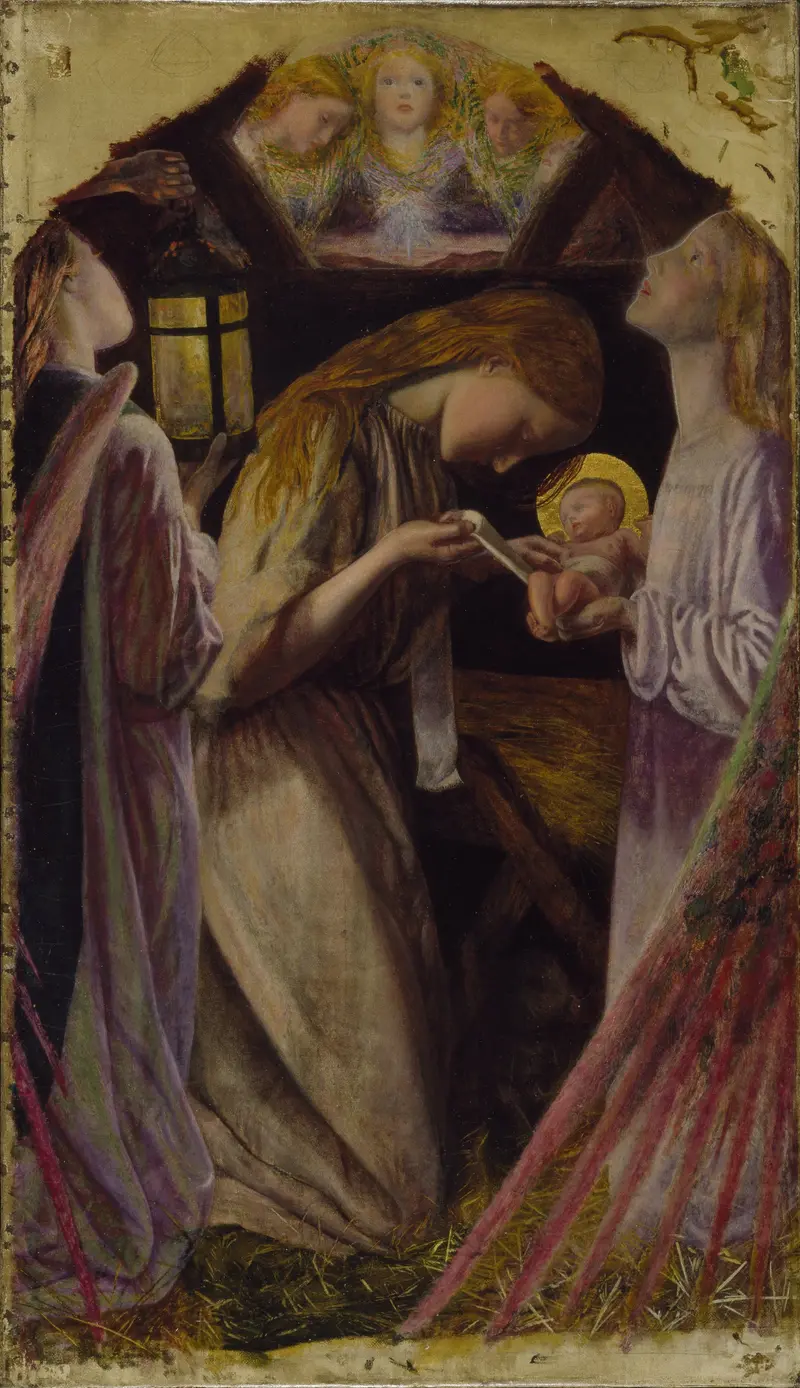
The Nativity
Arthur Hughes
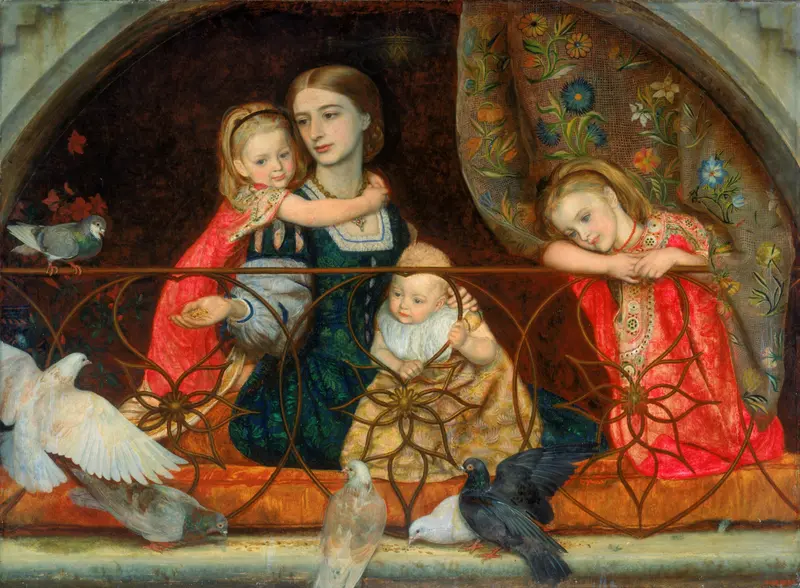
Mrs Leathart and Her Three Children
Arthur Hughes
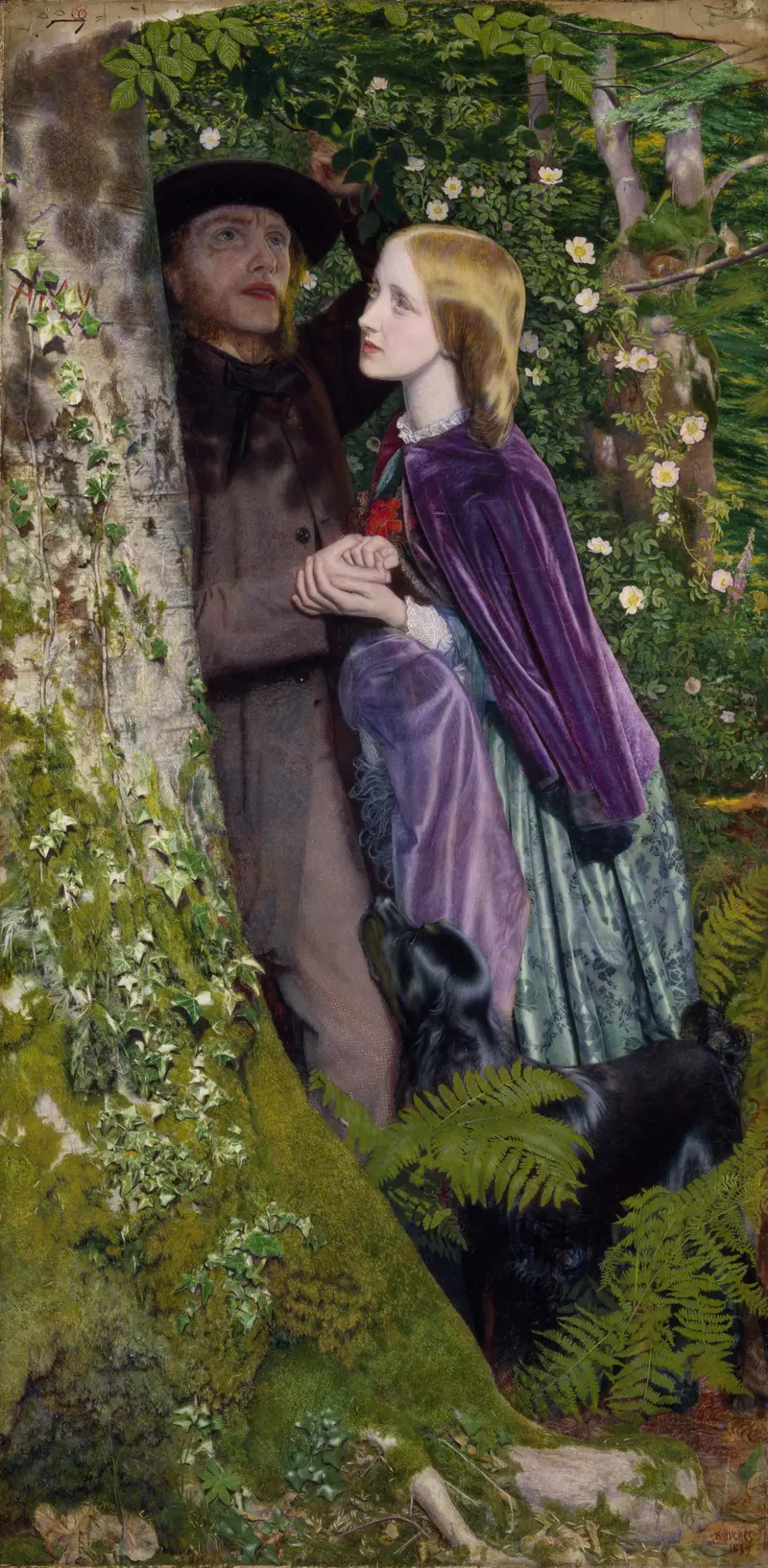
The Long Engagement
Arthur Hughes
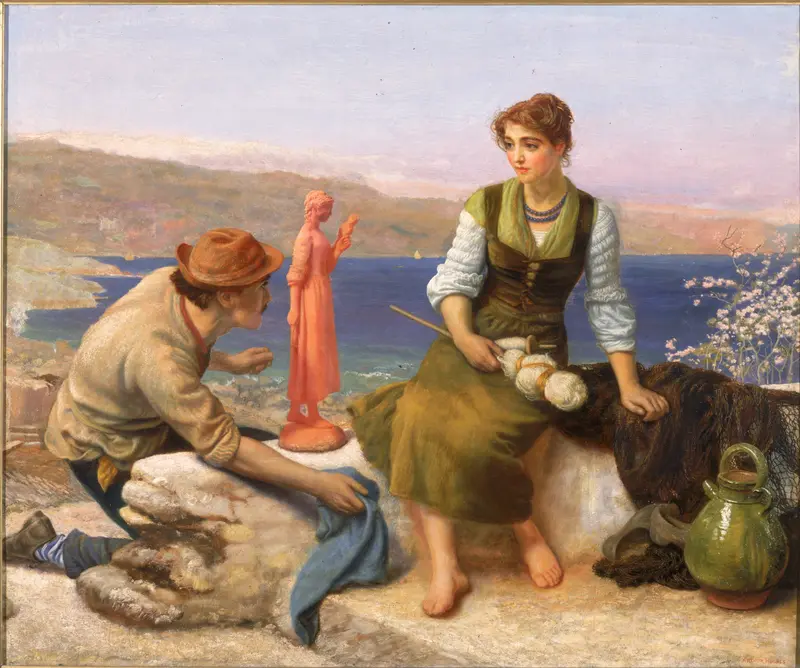
The Potter's Courtship
Arthur Hughes
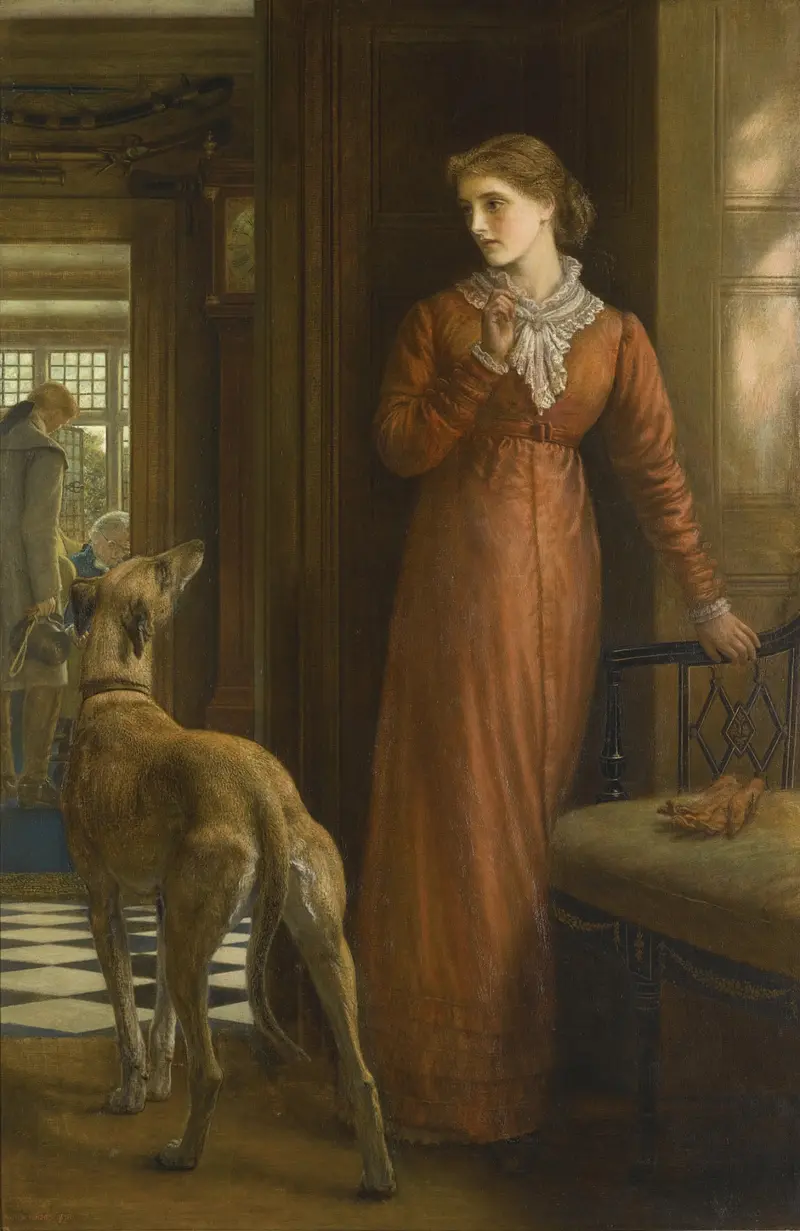
Uncertainty
Arthur Hughes
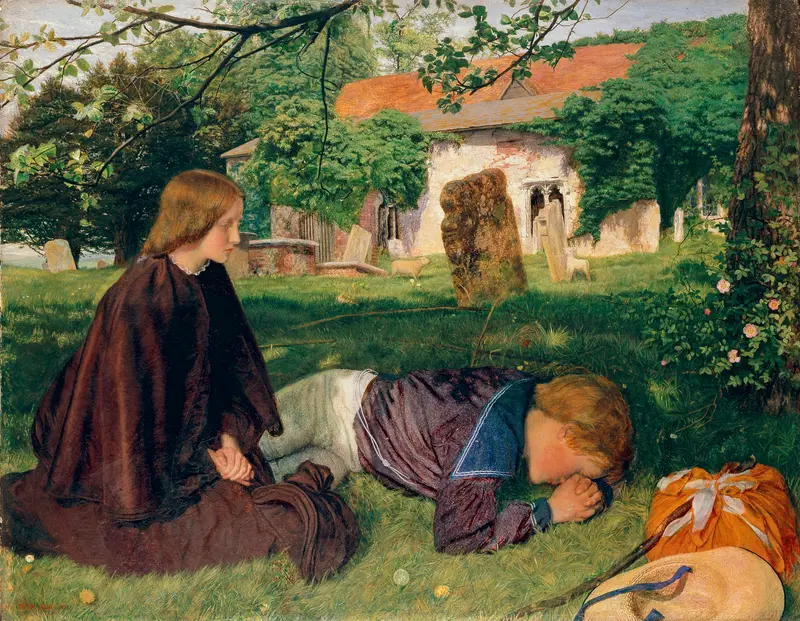
Home from Sea
Arthur Hughes
More Genre Scene Art

Banquet of the Officers of the St George Civic Guard
Frans Hals

Rembrandt and Saskia in the Scene of the Prodigal Son
Rembrandt van Rijn

Bal du moulin de la Galette
Pierre-Auguste Renoir

Quadrille at the Moulin Rouge
Henri de Toulouse-Lautrec

A Burial at Ornans
Gustave Courbet

When Will You Marry?
Paul Gauguin