
Mrs Leathart and Her Three Children — History & Facts
What draws the eye first in Mrs Leathart and Her Three Children is the gentle choreography of hands and glances—a mother, her arms encircling her children, offers grain to a gathering of doves, while her daughters and infant son cluster around her in a tableau of intimacy. The open palm, outstretched toward the birds, becomes a quiet emblem of nurture and generosity, echoed by the affectionate embrace of the eldest daughter and the dreamy repose of the other. The wrought-iron railing, with its floral motifs, frames the family in a protective arc, while the embroidered curtain behind them, bursting with flowers, hints at a world both sheltered and blooming with life.
Light falls softly on their faces and garments, drawing out the rich textures of velvet, lace, and golden hair, and setting a mood of warmth and quiet absorption. Painted between 1863 and 1865, this work belongs to a moment in British art when domestic life and childhood were celebrated as ideals of innocence and moral beauty. Artists like Arthur Hughes—often associated with the later Pre-Raphaelite circle—found inspiration in the everyday rituals of home, using jewel-like color and meticulous detail to elevate the private sphere. Such paintings were often commissioned or cherished by families eager to commemorate their bonds in an age of rapid social change.
Today, housed in the digital collection of Google Arts & Culture, Mrs Leathart and Her Three Children invites us to linger over a vision of Victorian family life that is both specific to its era and quietly universal—an invitation to look again at the small, luminous dramas unfolding in any home.
More Artworks by Arthur Hughes

Cecily Ursula, aged three years
Arthur Hughes

April Love
Arthur Hughes
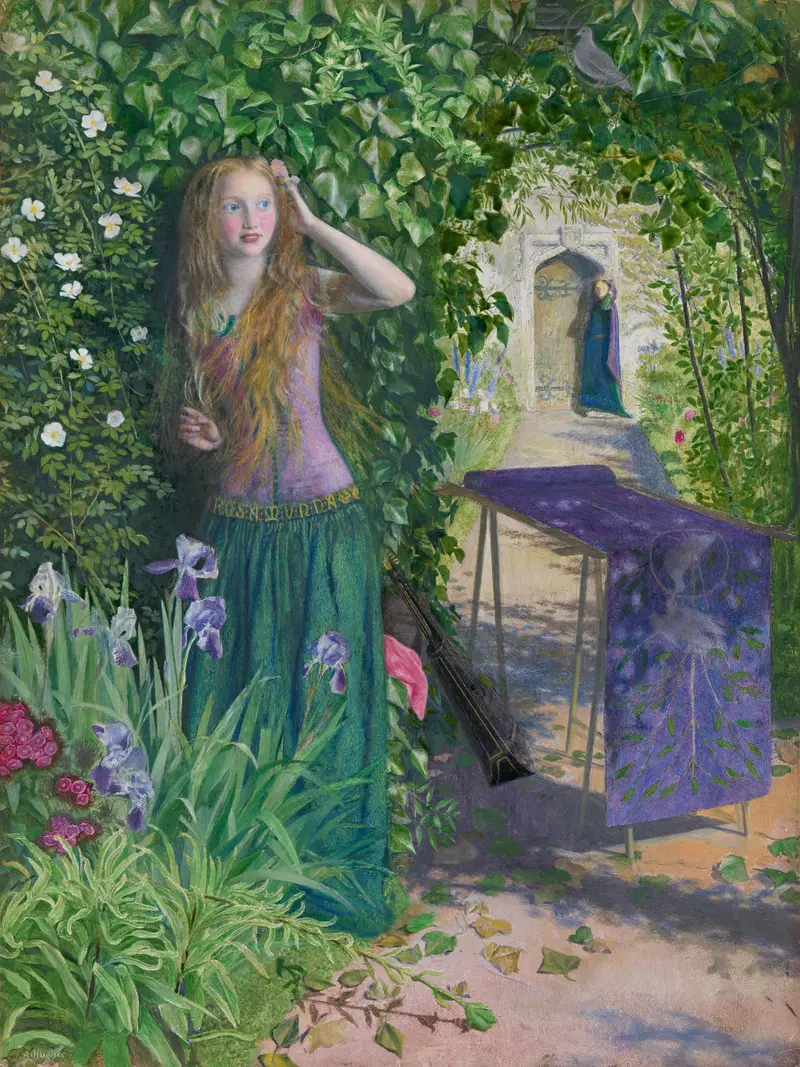
Fair Rosamund
Arthur Hughes
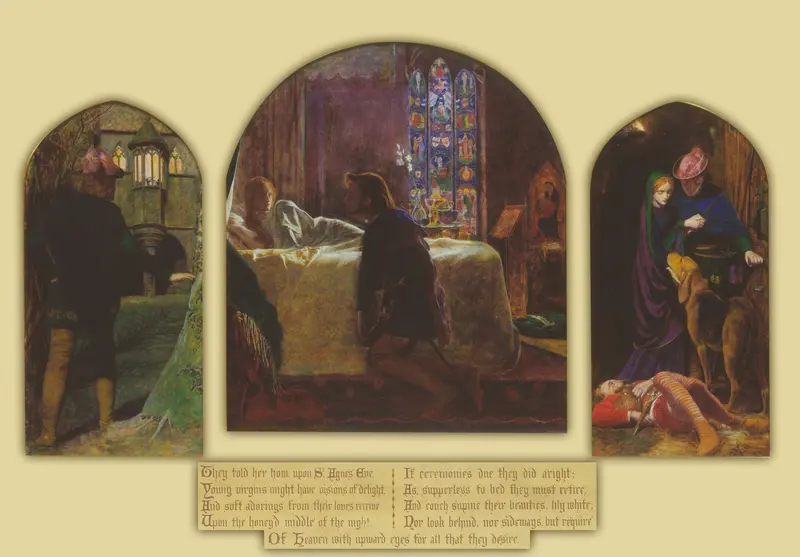
The Eve of St Agnes
Arthur Hughes
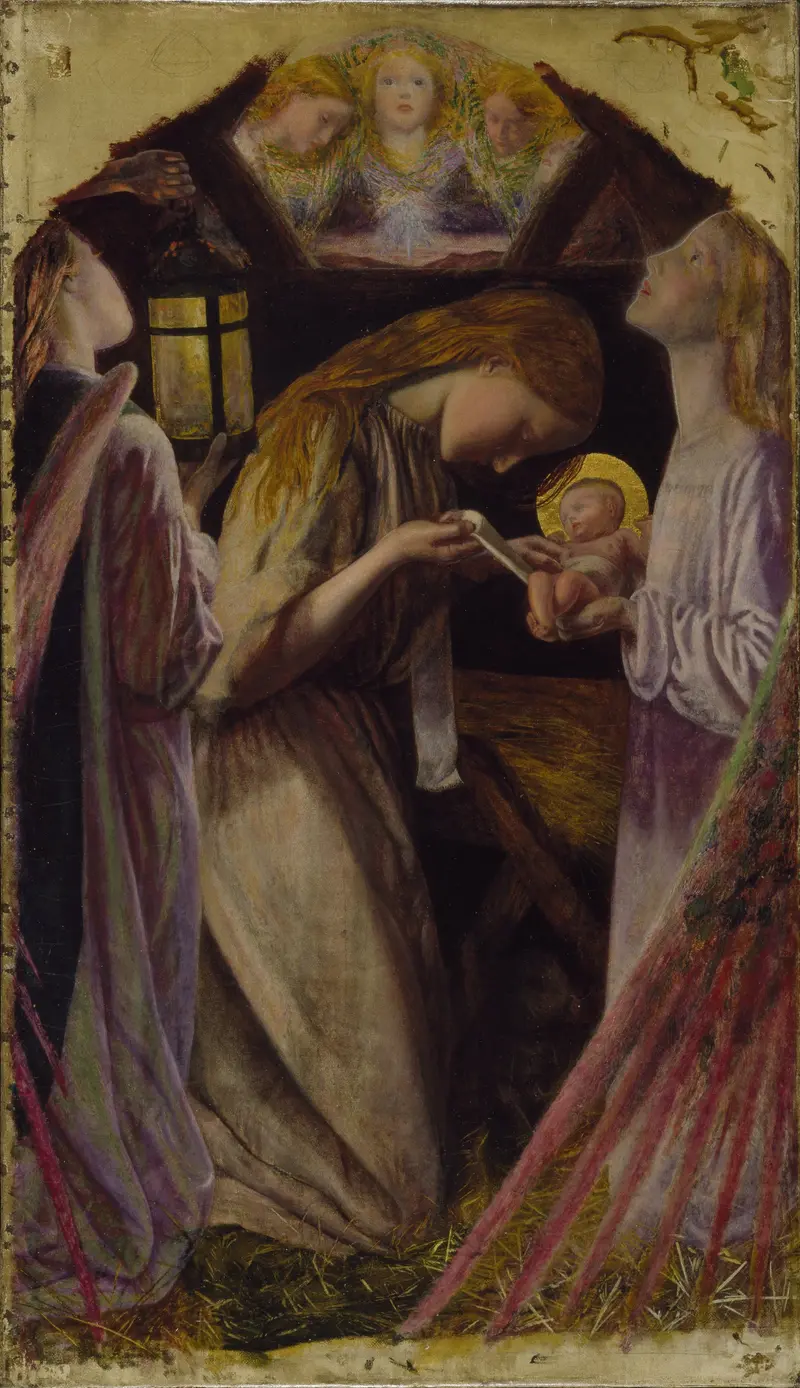
The Nativity
Arthur Hughes
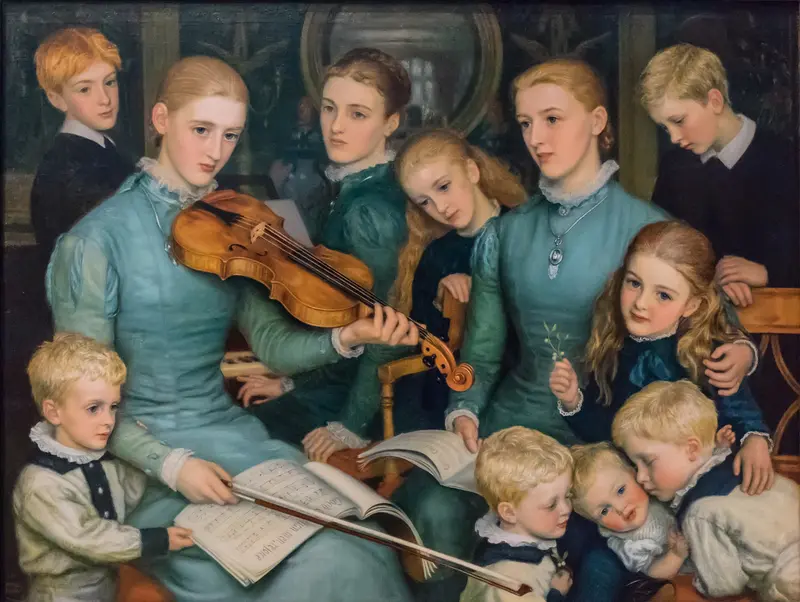
A Christmas Carol at Bracken Dene
Arthur Hughes
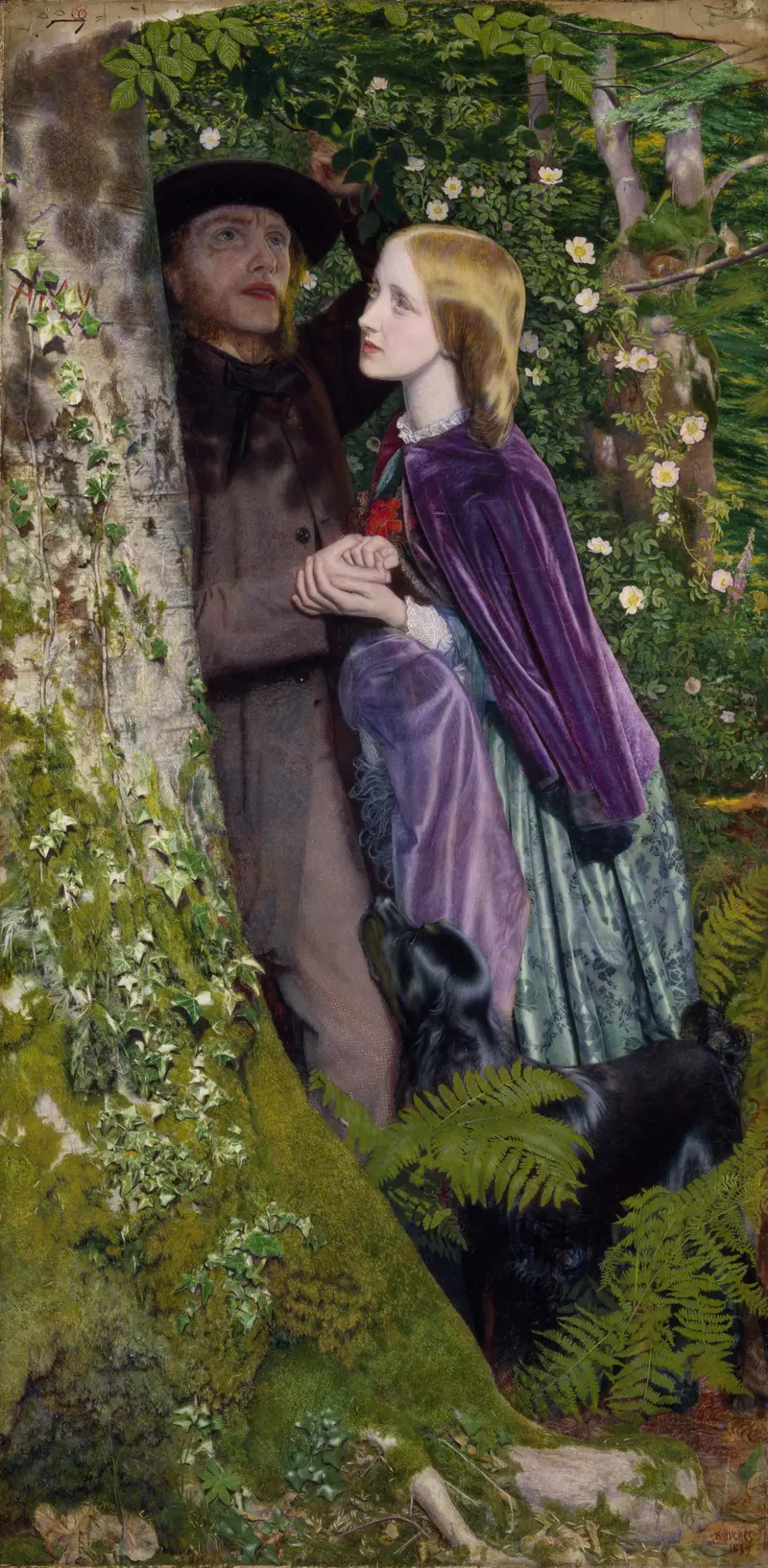
The Long Engagement
Arthur Hughes
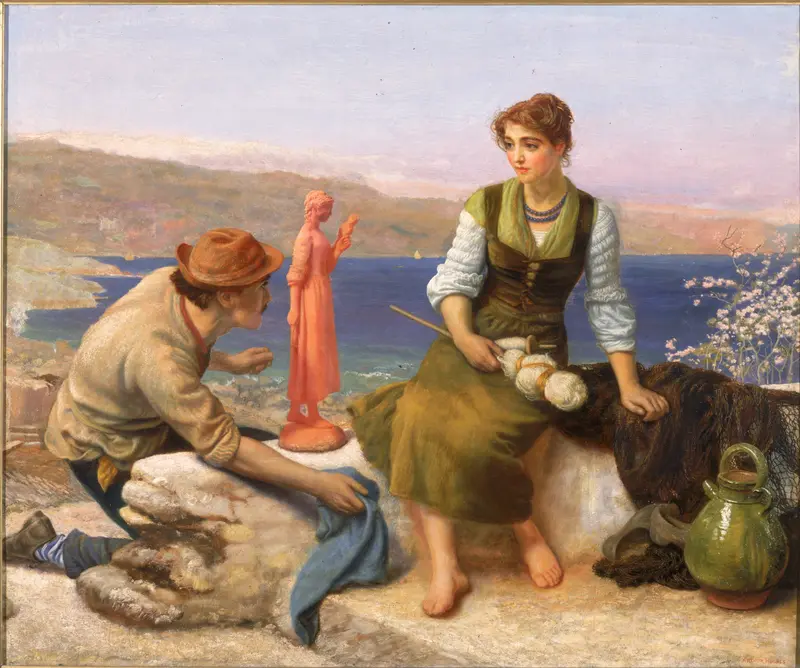
The Potter's Courtship
Arthur Hughes
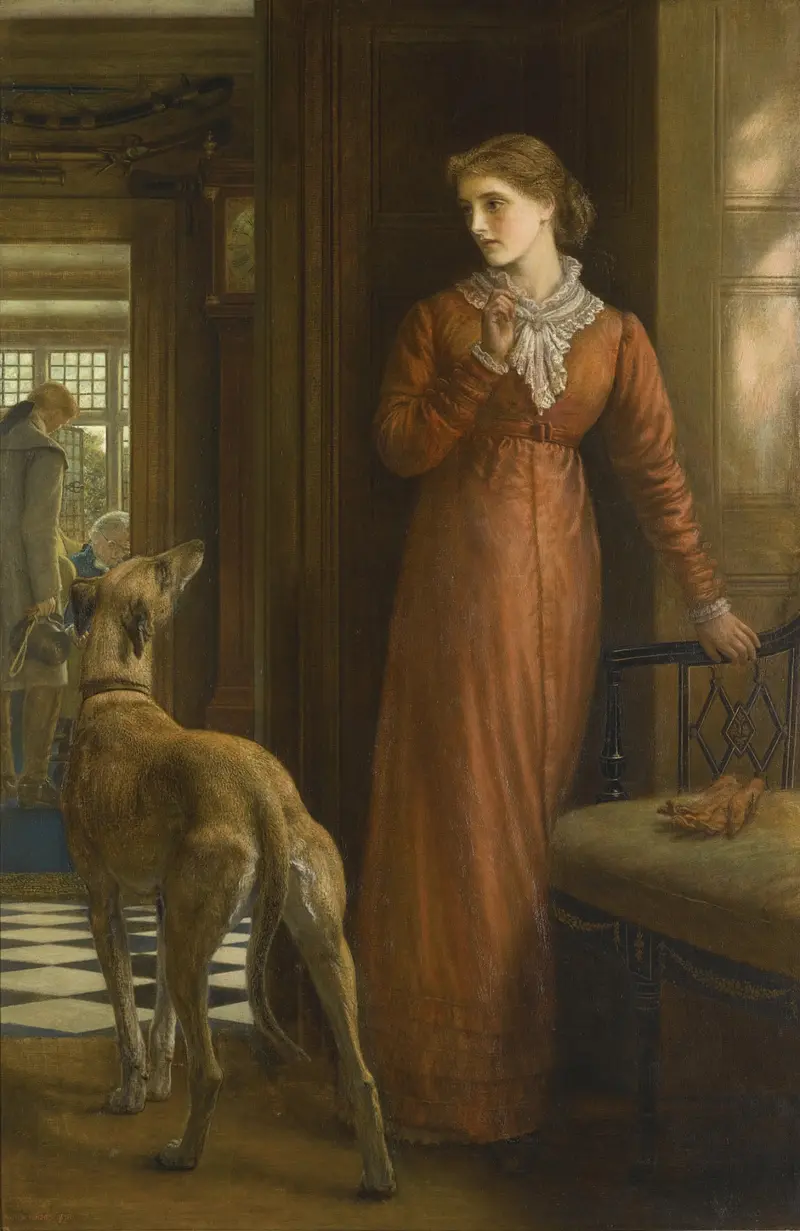
Uncertainty
Arthur Hughes
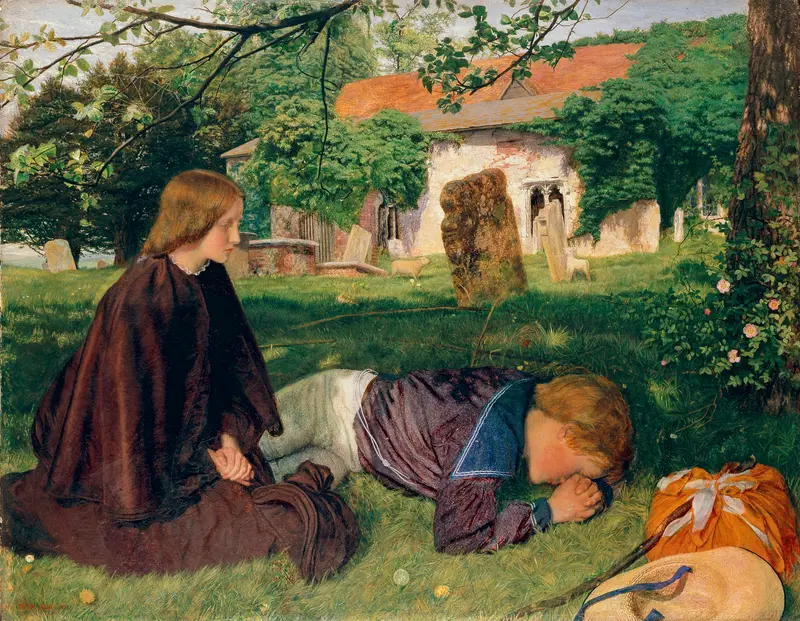
Home from Sea
Arthur Hughes
More Genre Scene Art

Banquet of the Officers of the St George Civic Guard
Frans Hals

Rembrandt and Saskia in the Scene of the Prodigal Son
Rembrandt van Rijn

Bal du moulin de la Galette
Pierre-Auguste Renoir

Quadrille at the Moulin Rouge
Henri de Toulouse-Lautrec

A Burial at Ornans
Gustave Courbet

When Will You Marry?
Paul Gauguin