
The Potter's Courtship — History & Facts
What first catches the eye in The Potter's Courtship is the silent conversation unfolding between two figures, their world stilled at a moment of offering and hesitation. The young man, intent and hopeful, presents a freshly crafted statuette—its terracotta glow echoing the warmth of his gaze. The woman, perched on a low wall with spindle and wool in hand, meets his gesture with a sidelong glance, her posture poised between curiosity and reserve.
The Mediterranean blue of the sea behind them sets their encounter apart from the everyday, while the soft, golden light and blooming branches hint at spring’s promise and the tender uncertainty of new affection. Painted circa 1886 by Arthur Hughes, this work belongs to the last flowering of Victorian narrative painting, when artists reveled in scenes of rural life and quiet romance. Such pictures were cherished by middle-class collectors seeking both beauty and a story—often, a story of honest labor or courtly love. Hughes, known for his association with the Pre-Raphaelites, brings to this genre a gentle realism: the potter’s earnestness, the woman’s bare feet, the careful rendering of everyday objects.
Now in the collection of the Laing Art Gallery (TWCMS : B8146), The Potter's Courtship stands as a window onto a world where meaning is spun from gesture, and where the smallest exchange can hold the weight of hope.
More Artworks by Arthur Hughes

Cecily Ursula, aged three years
Arthur Hughes

April Love
Arthur Hughes
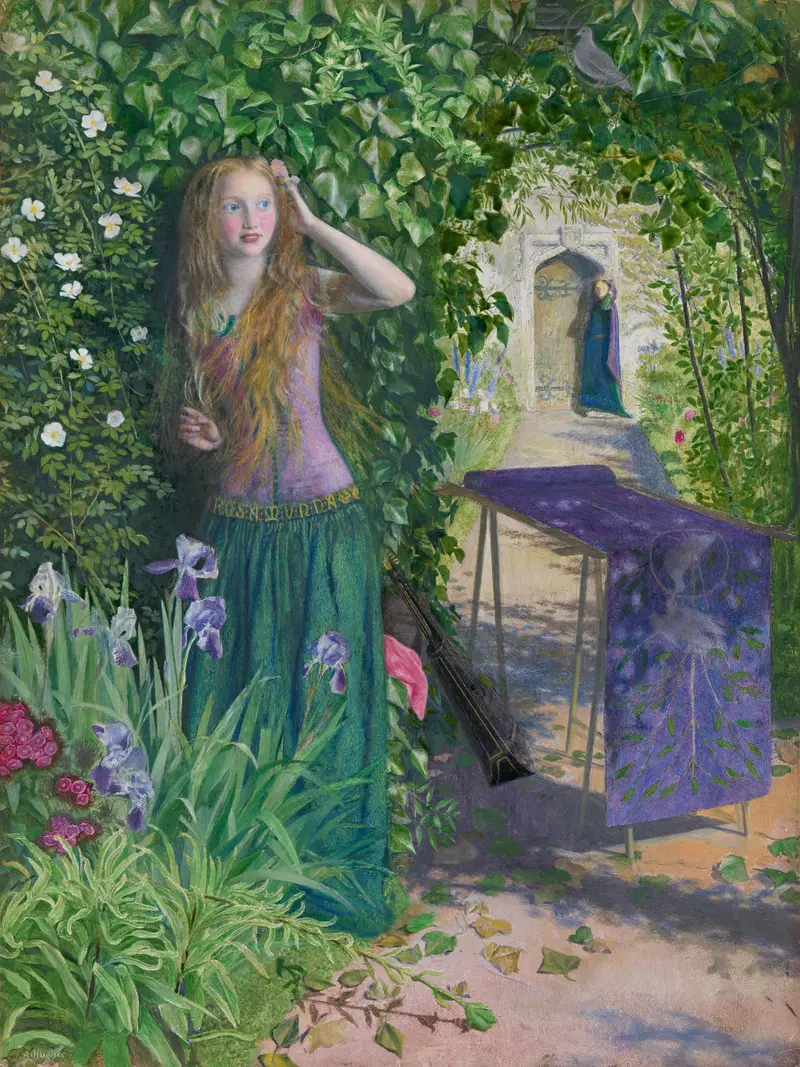
Fair Rosamund
Arthur Hughes
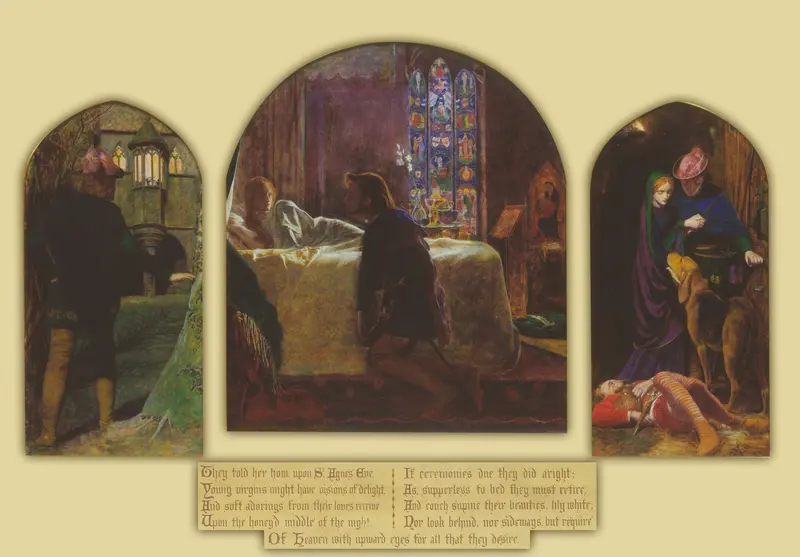
The Eve of St Agnes
Arthur Hughes
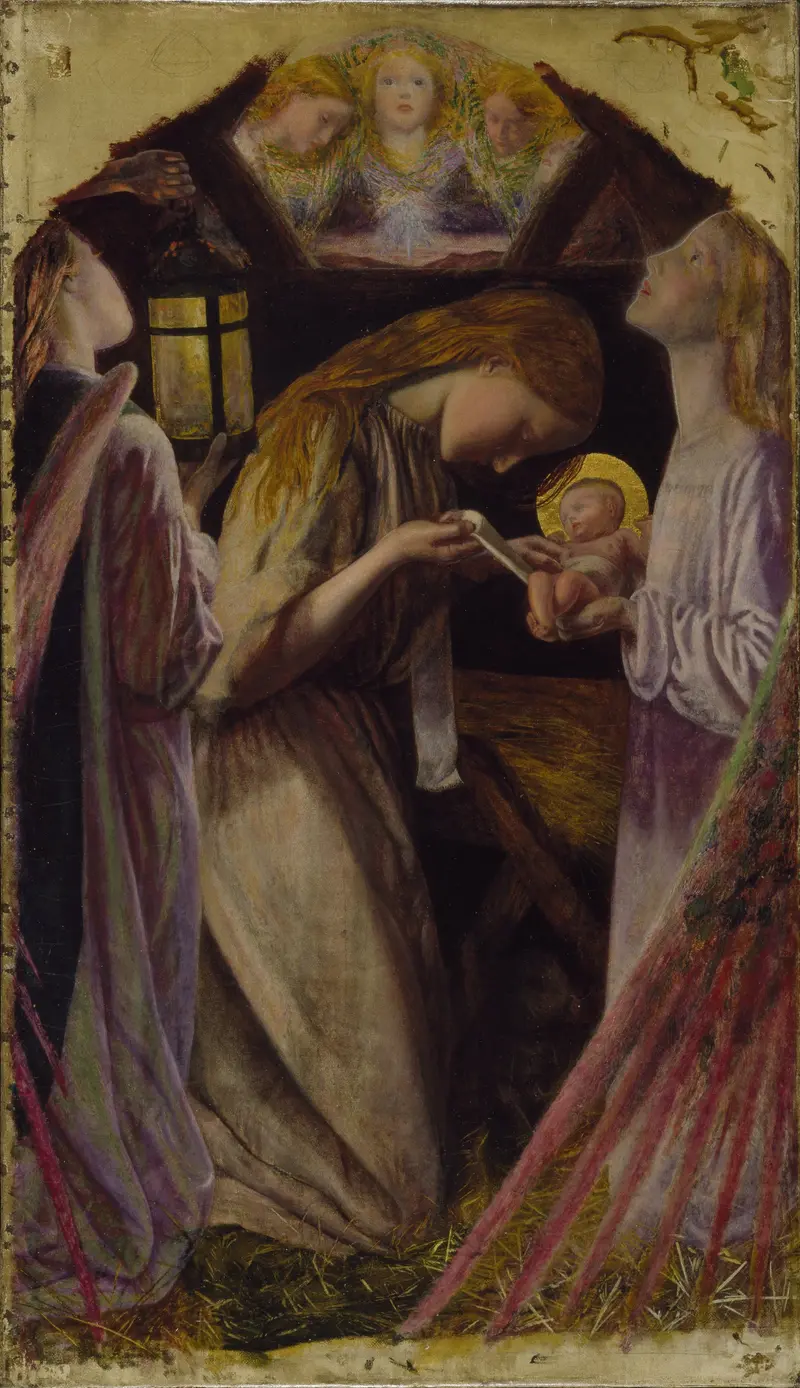
The Nativity
Arthur Hughes
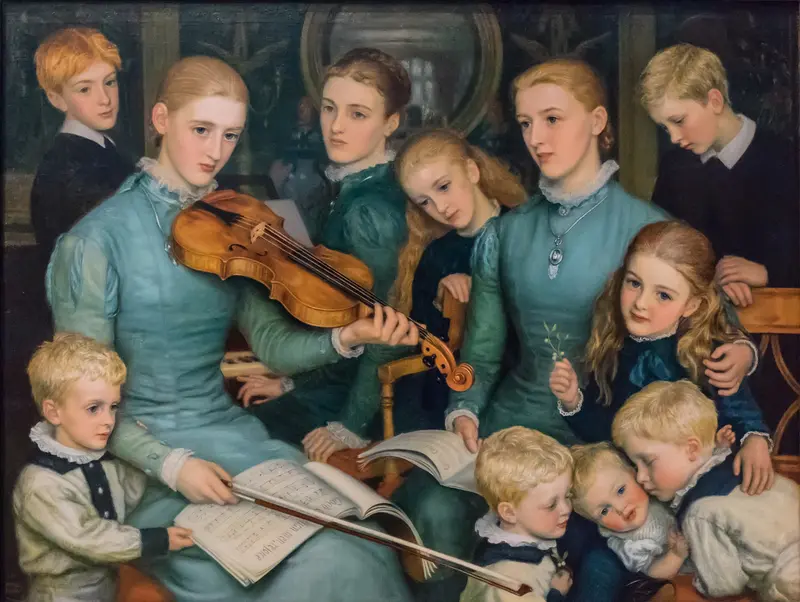
A Christmas Carol at Bracken Dene
Arthur Hughes
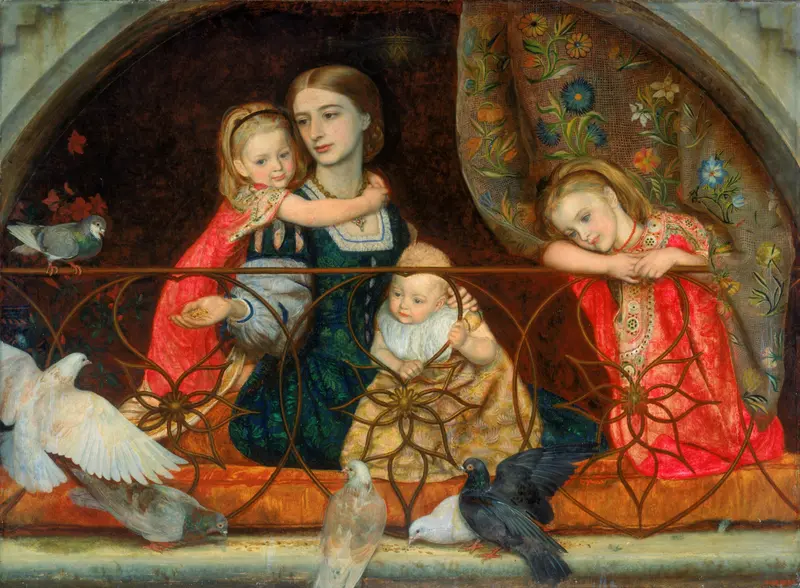
Mrs Leathart and Her Three Children
Arthur Hughes
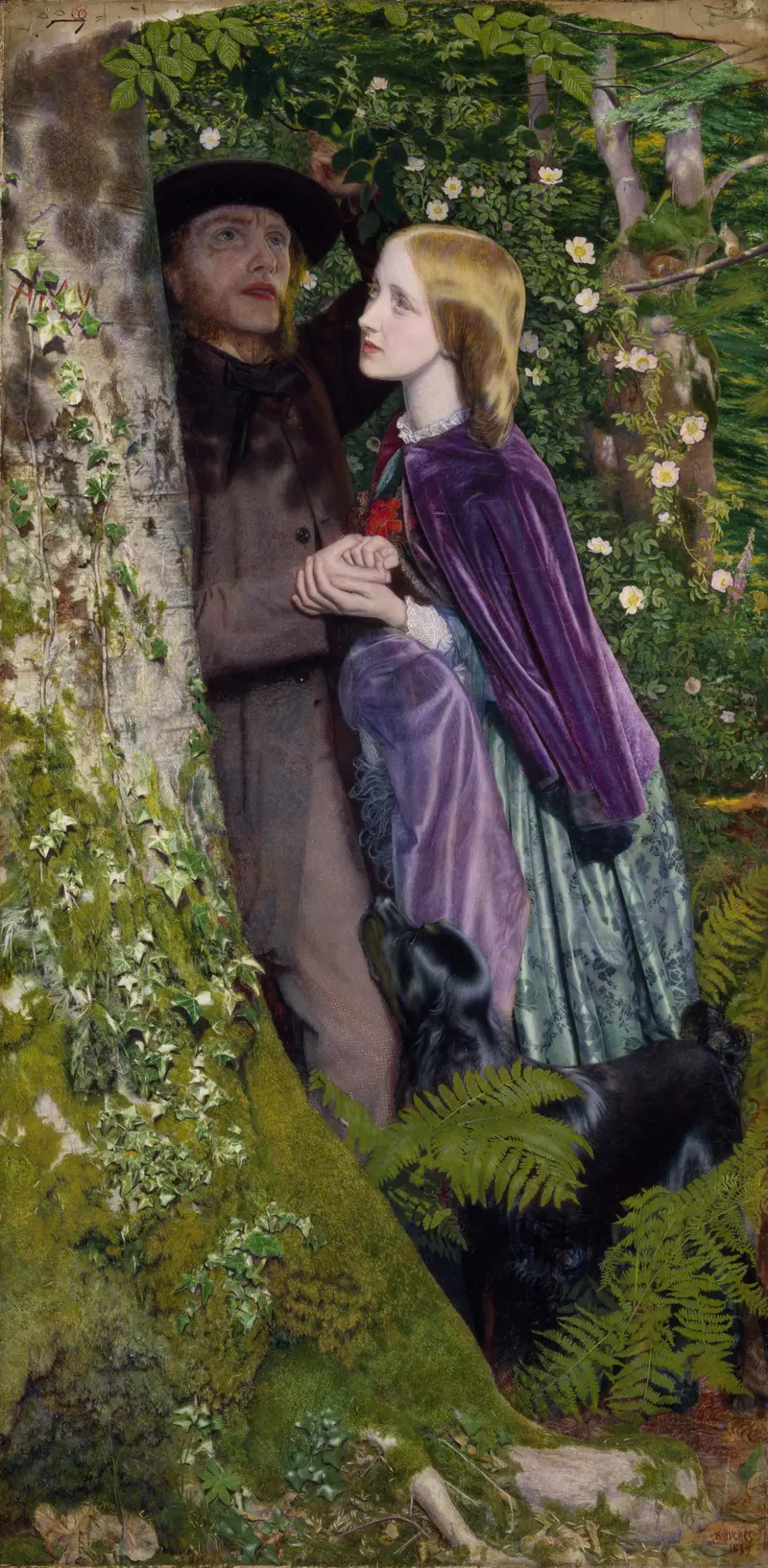
The Long Engagement
Arthur Hughes
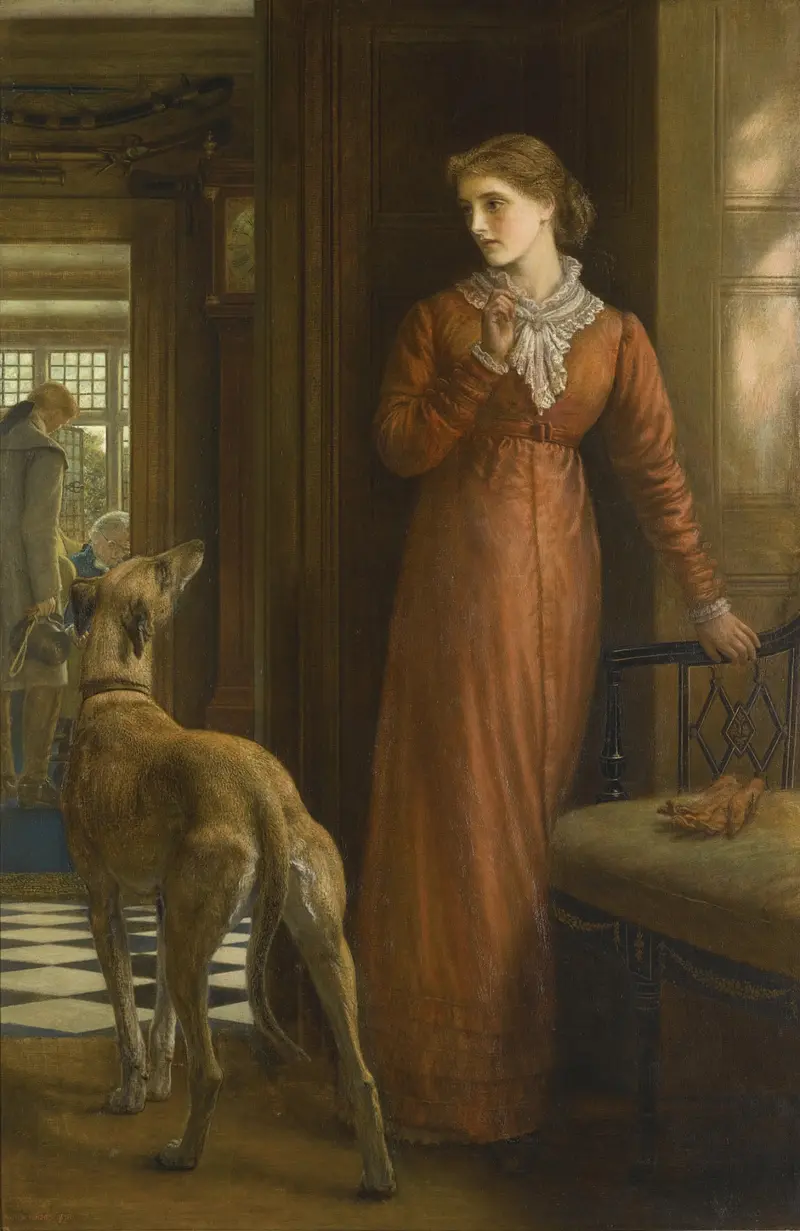
Uncertainty
Arthur Hughes
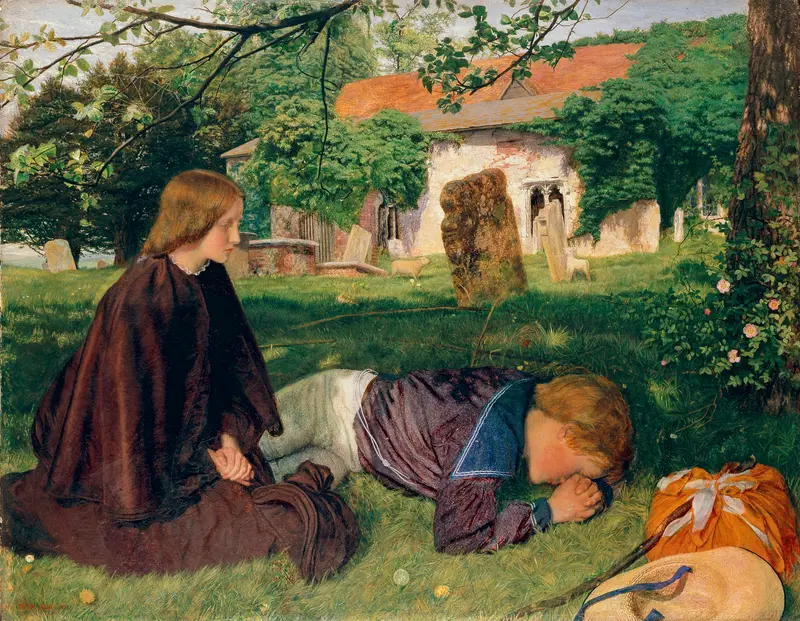
Home from Sea
Arthur Hughes
More Genre Scene Art

Banquet of the Officers of the St George Civic Guard
Frans Hals

Rembrandt and Saskia in the Scene of the Prodigal Son
Rembrandt van Rijn

Bal du moulin de la Galette
Pierre-Auguste Renoir

Quadrille at the Moulin Rouge
Henri de Toulouse-Lautrec

A Burial at Ornans
Gustave Courbet

When Will You Marry?
Paul Gauguin