
Fairy Tales — History & Facts
What draws the eye first in Fairy Tales by Ethel Reed is not the book or the doll, but the girl's gaze—upward, dreamy, almost conspiratorial. Her small chin rests in her palms, elbows pressed to the open book in her lap, as if she is caught between worlds: the one on the page and the one in her mind. The oversized bows in her hair and the voluminous red of her dress exaggerate her childlike presence, making her seem both grand and small at once.
At her feet, a doll lies discarded, its own face turned upward in a silent echo of its owner, suggesting that the stories unfolding in her imagination have already outstripped the need for toys. The palette is warm, the brushwork loose and fluid, giving the whole scene a sense of immediacy and private reverie. This image belongs to the flourishing world of late nineteenth-century American art posters, a time when publishers like Lamson, Wolffe & Co. sought to capture the eye and the imagination of a growing reading public.
Created in 1895, as documented by the Metropolitan Museum of Art, this work is both advertisement and invitation—a visual promise that the book it heralds, Fairy Tales by Mabel F. Blodgett, will transport its readers to other realms. Ethel Reed, one of the few recognized female poster artists of her day, brought a distinctive wit and sensitivity to her commercial commissions.
History has kept only scattered traces of many such posters, but this surviving example, preserved by the Boston Public Library and shared through the Digital Public Library of America, lets us linger in that moment of anticipation, when the world of fairy tales is just about to begin.
More Artworks by Ethel Reed
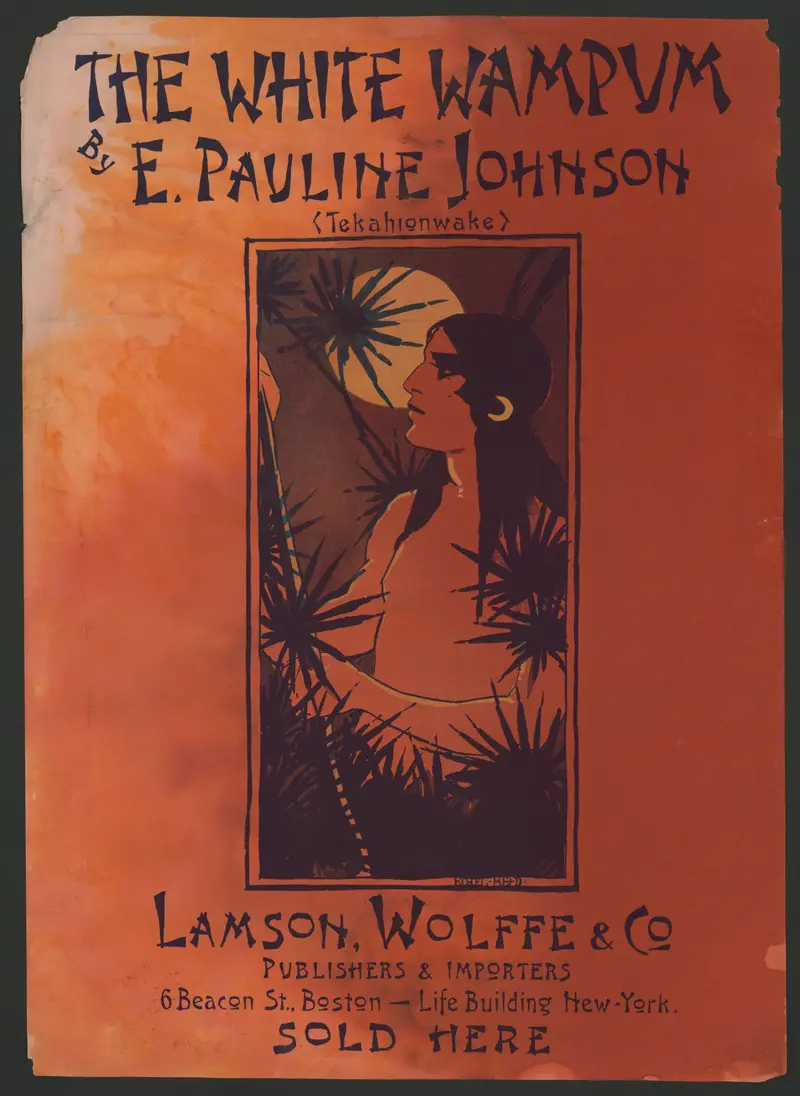
The White Wampum
Ethel Reed
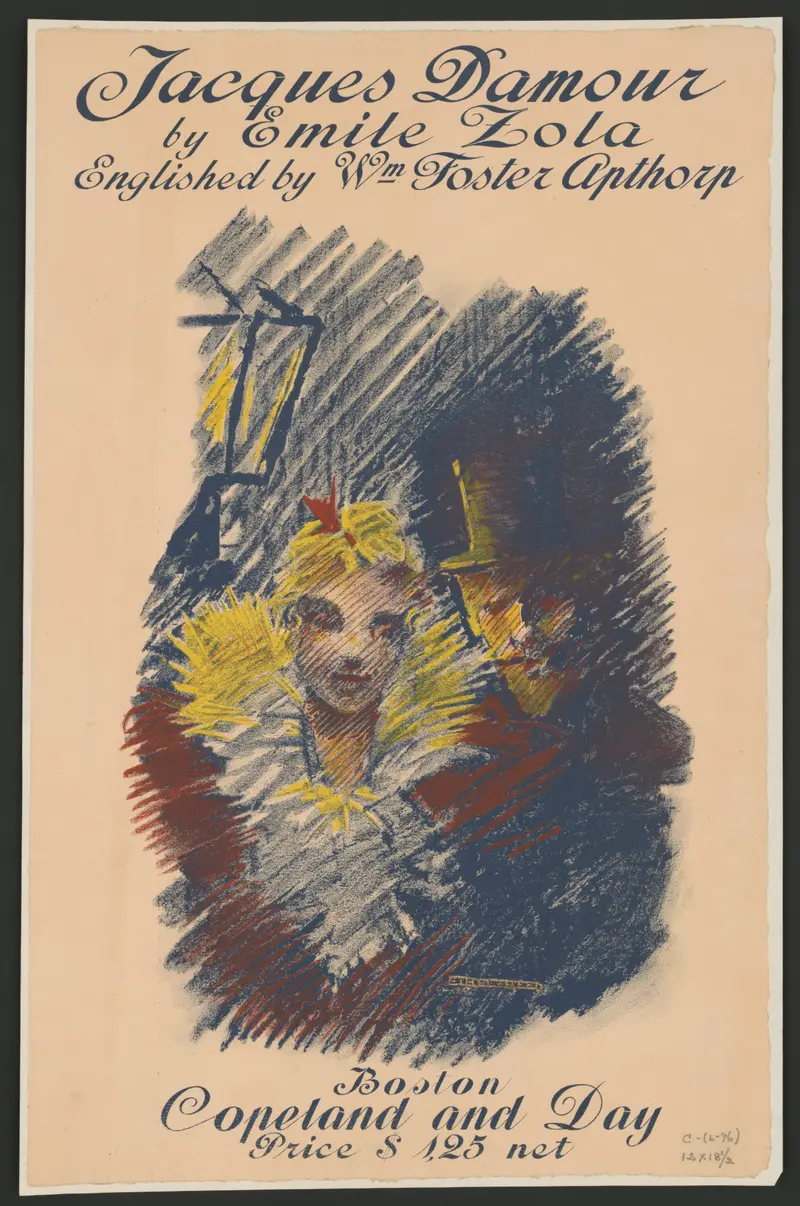
Jacques Damour
Ethel Reed
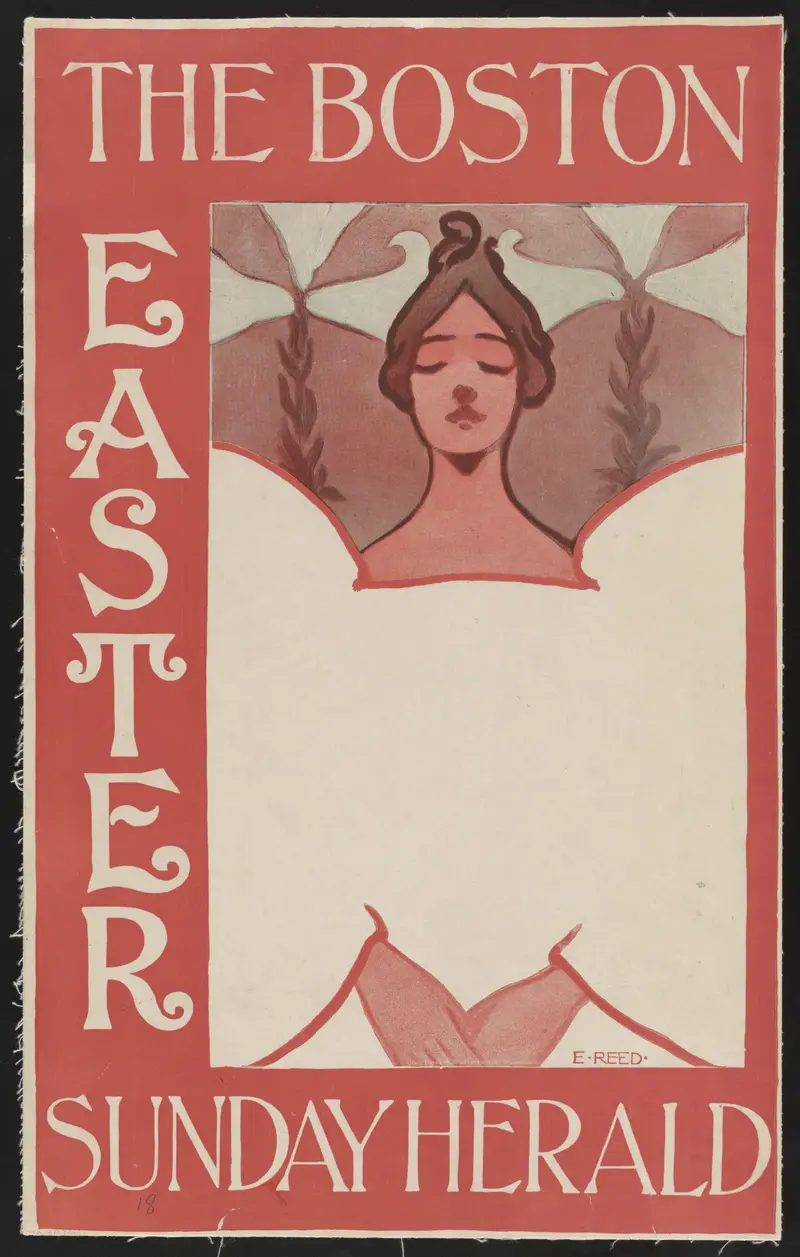
The Boston Sunday Herald: Easter
Ethel Reed
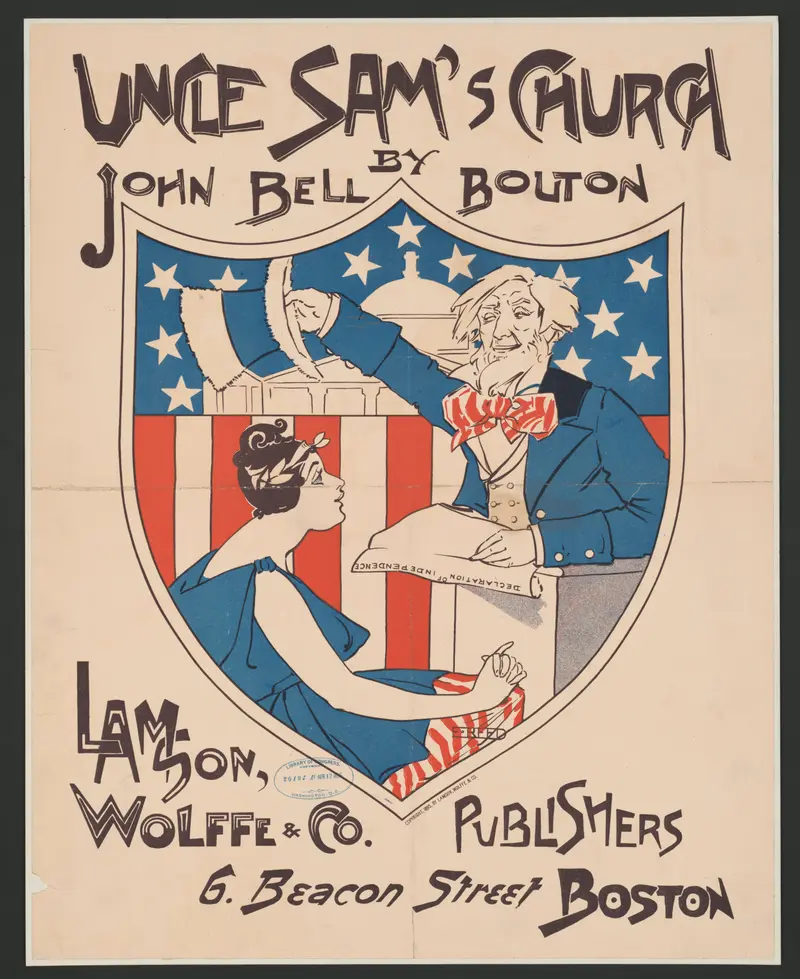
Uncle Sam's Church
Ethel Reed
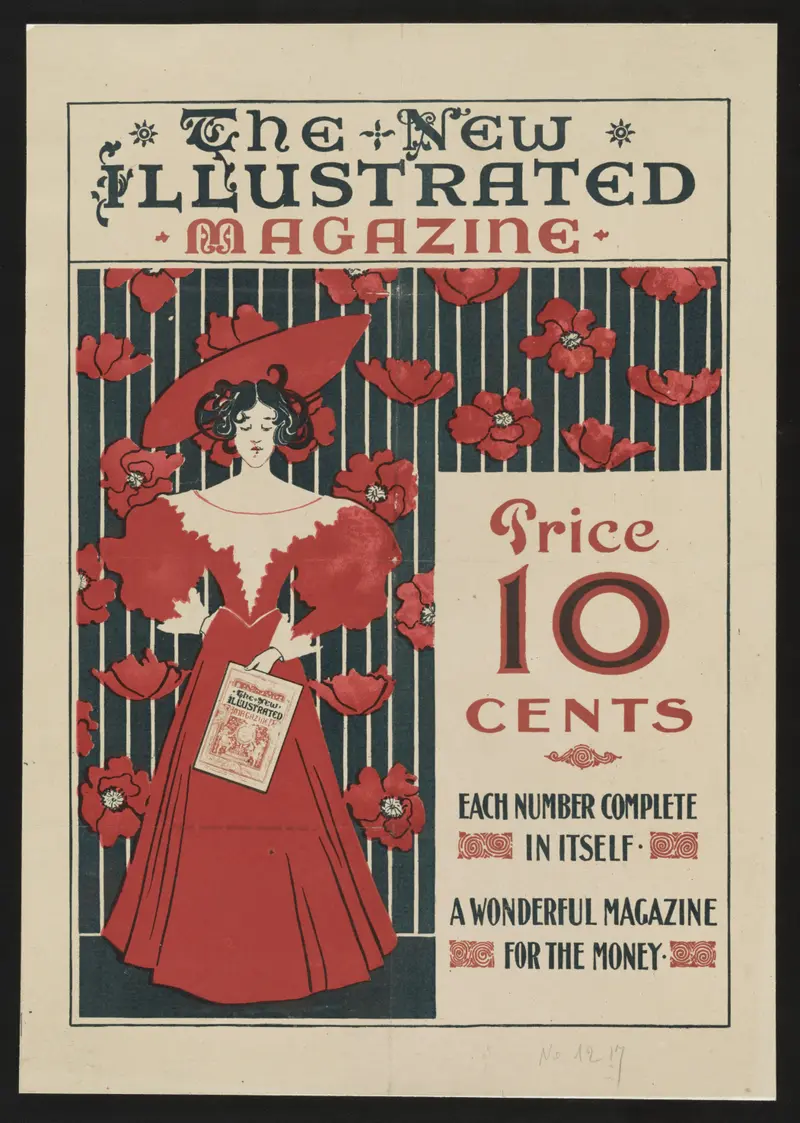
The New Illustrated Magazine
Ethel Reed
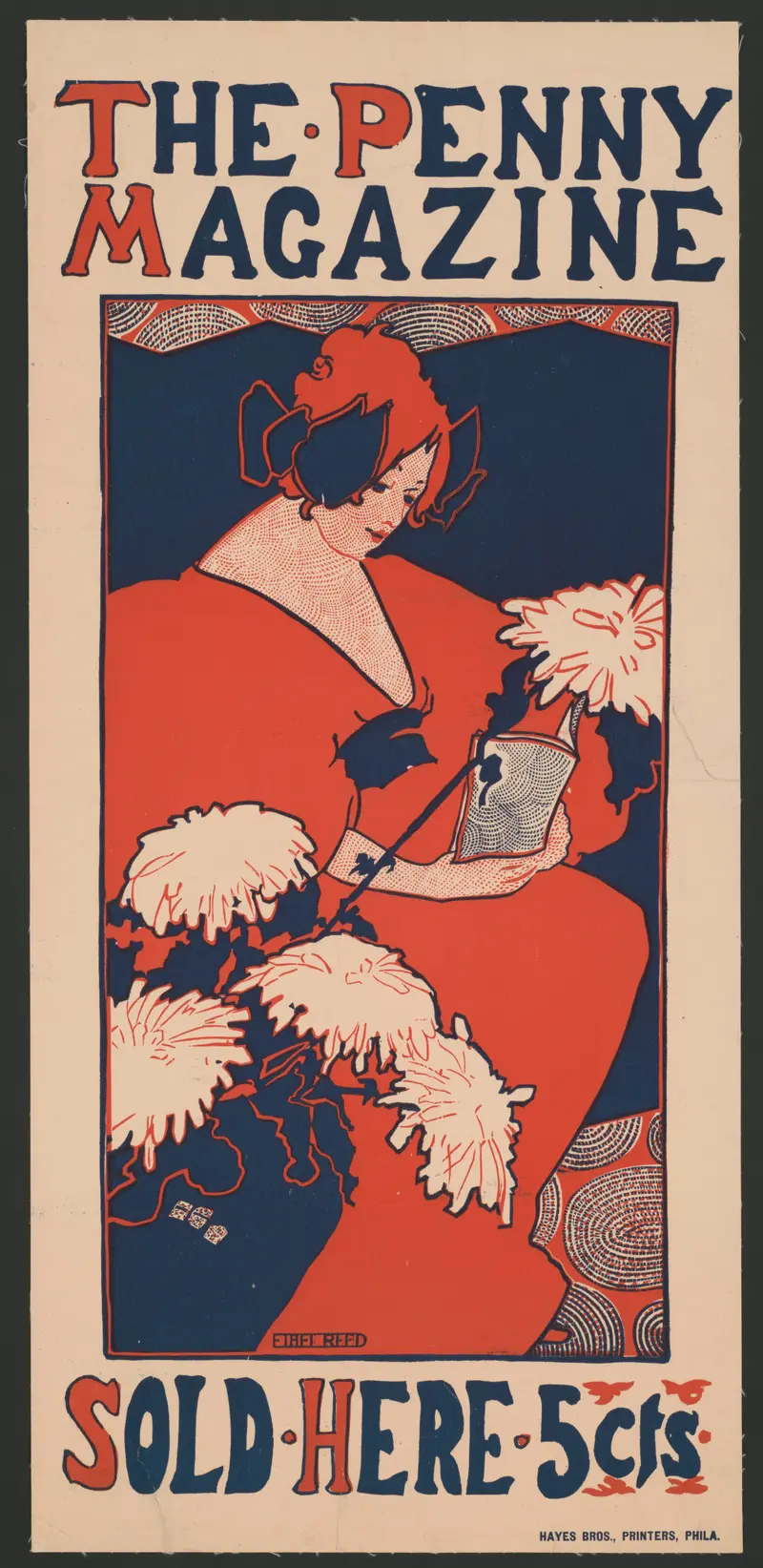
The Penny Magazine
Ethel Reed
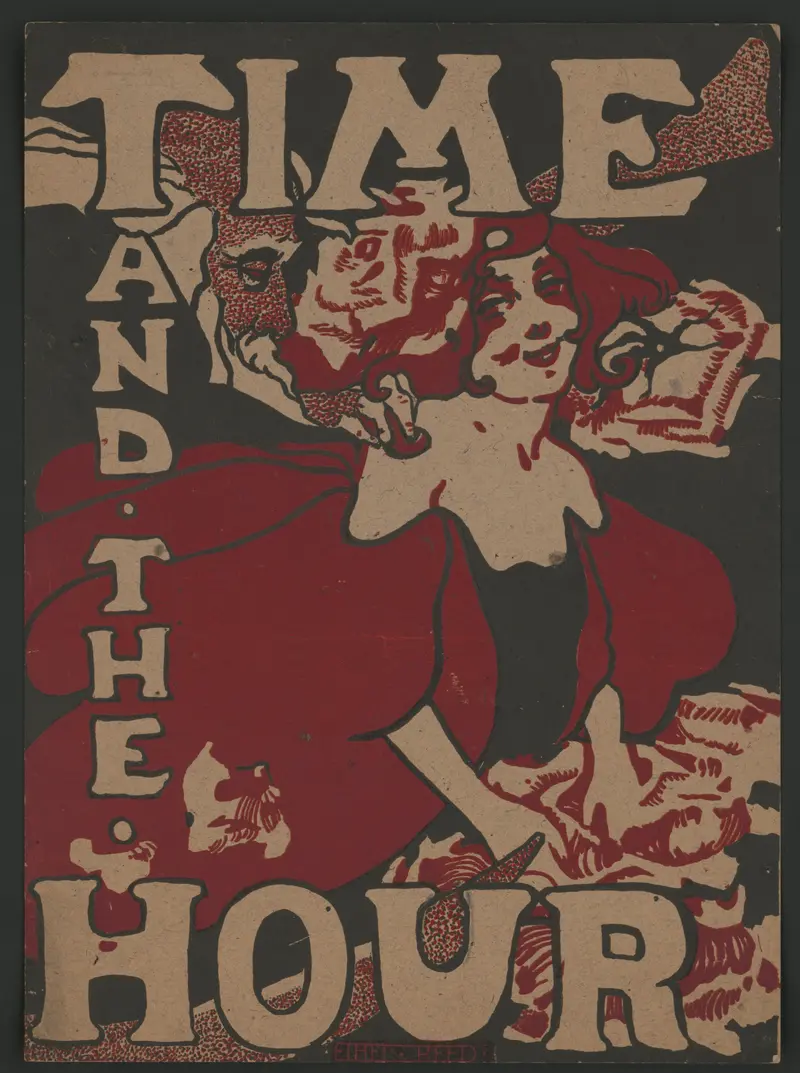
Time and the Hour
Ethel Reed
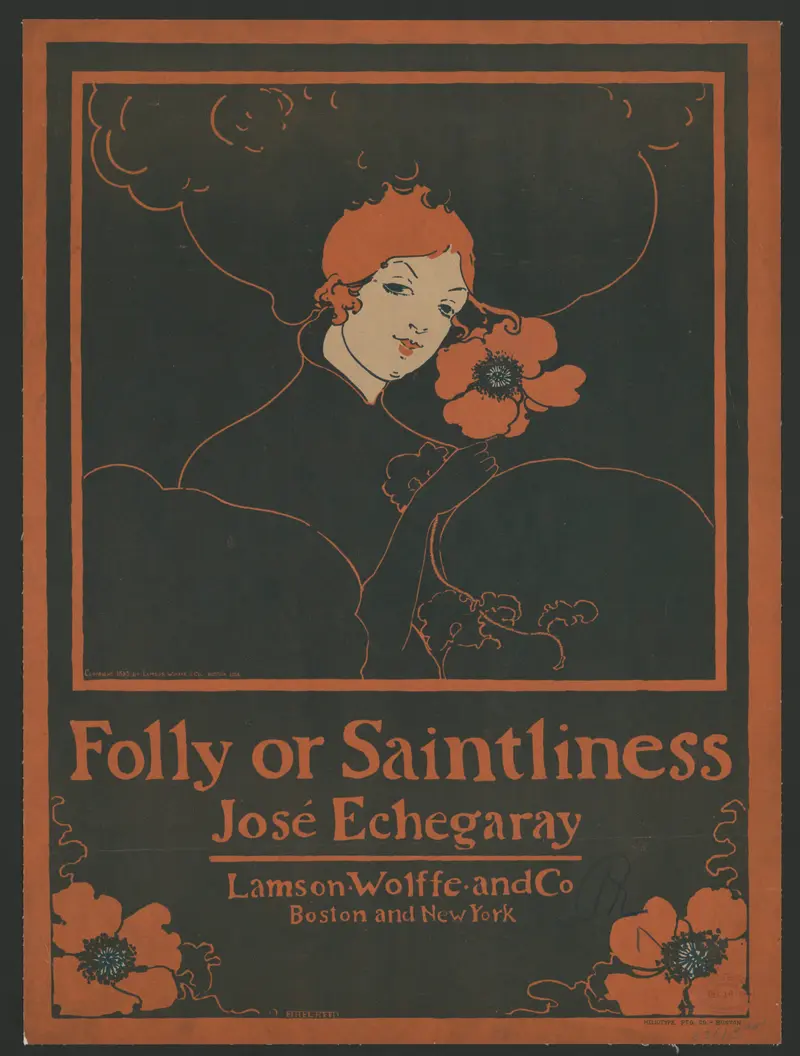
Folly or Saintliness
Ethel Reed
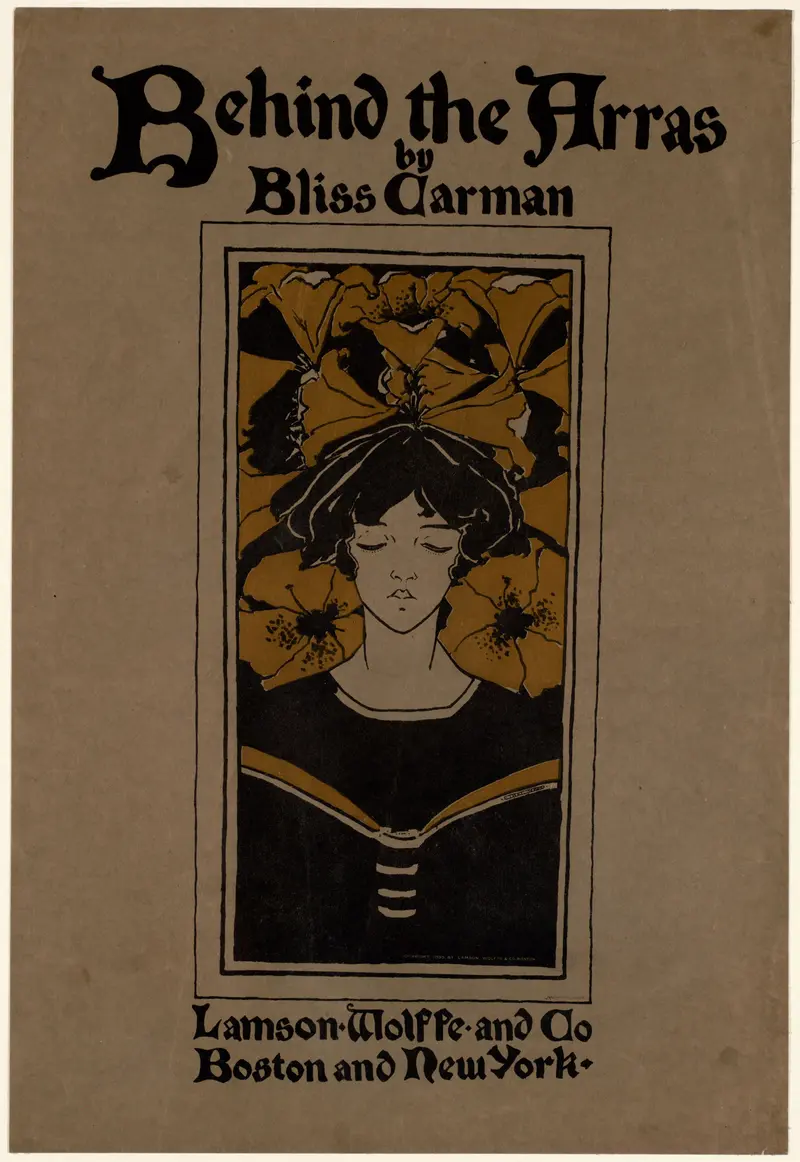
Behind the Arras
Ethel Reed
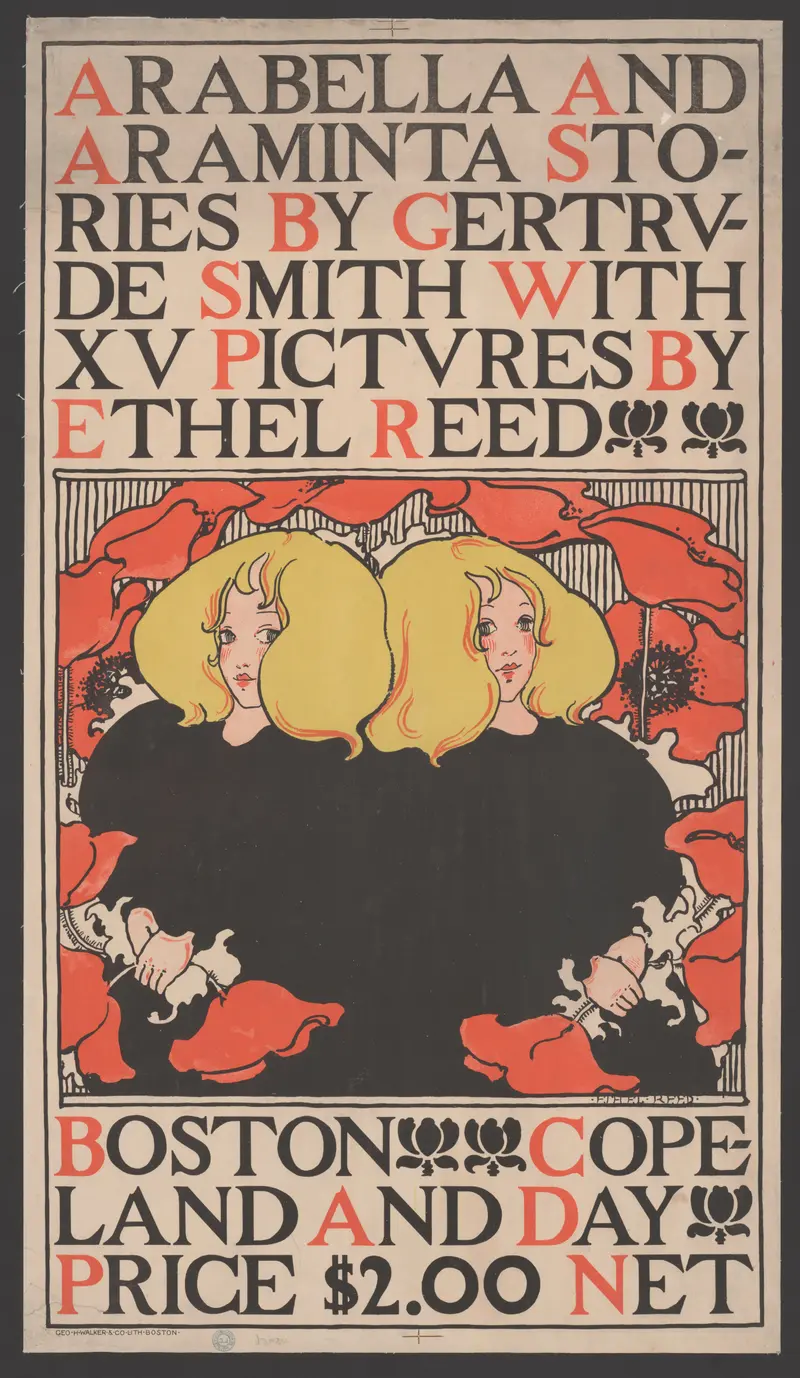
Arabella and Araminta Stories
Ethel Reed



