Faith — History & Facts
In 1507, Raphael completed a series of small panels representing the theological virtues, likely commissioned as part of a private devotional ensemble. Among these, Faith stands out for its delicate balance of human emotion and spiritual symbolism—yet the original context and patron remain uncertain, fueling ongoing scholarly debate. The whereabouts of the companion panels have shifted over the centuries, but Faith has long been celebrated as a key example of Raphael's early maturity, painted just before his move to Rome transformed his style forever.
Its intimate scale and refined execution suggest it was intended for close, personal contemplation rather than public display. At the heart of Faith, a serene young woman sits quietly, her gaze lowered in meditation. She cradles a chalice and host in her hands—clear references to the Eucharist and Christian belief in transubstantiation. The purity of her white robe and the gentle fall of light across her face reinforce the virtue’s association with spiritual clarity and trust.
Unlike Botticelli’s more allegorical treatments of the virtues, Raphael imbues his figure with a warmth and humanity that draws the viewer into a private moment of devotion. The gold chain around her neck and the subtle, almost imperceptible cross remind us that faith, for Raphael, is both an inward conviction and a visible sign. The precise journey of Faith as an object is difficult to trace, as records from the early 16th century are incomplete. What is clear is that it belongs to a group of panels painted during Raphael's Florentine period, just before his celebrated Roman commissions.
Over time, the painting has passed through various collections, sometimes misattributed or paired with other virtues by different hands. Today, it is recognized as an authentic work by Raphael, admired for its quiet intensity and technical finesse, and serves as a testament to the artist’s early exploration of devotional themes. Its survival allows us to glimpse the private world of Renaissance faith and the young painter’s growing genius.
More Artworks by Raphael
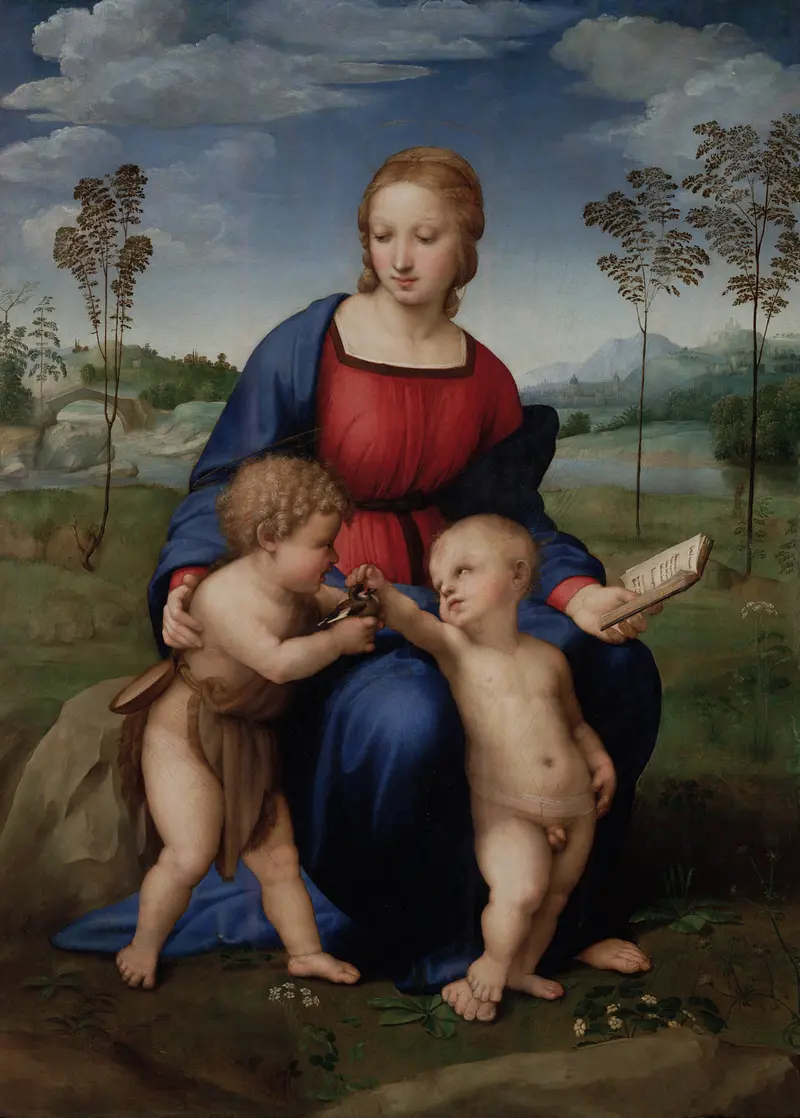
Madonna of the Goldfinch
Raphael

Madonna with the Fish
Raphael
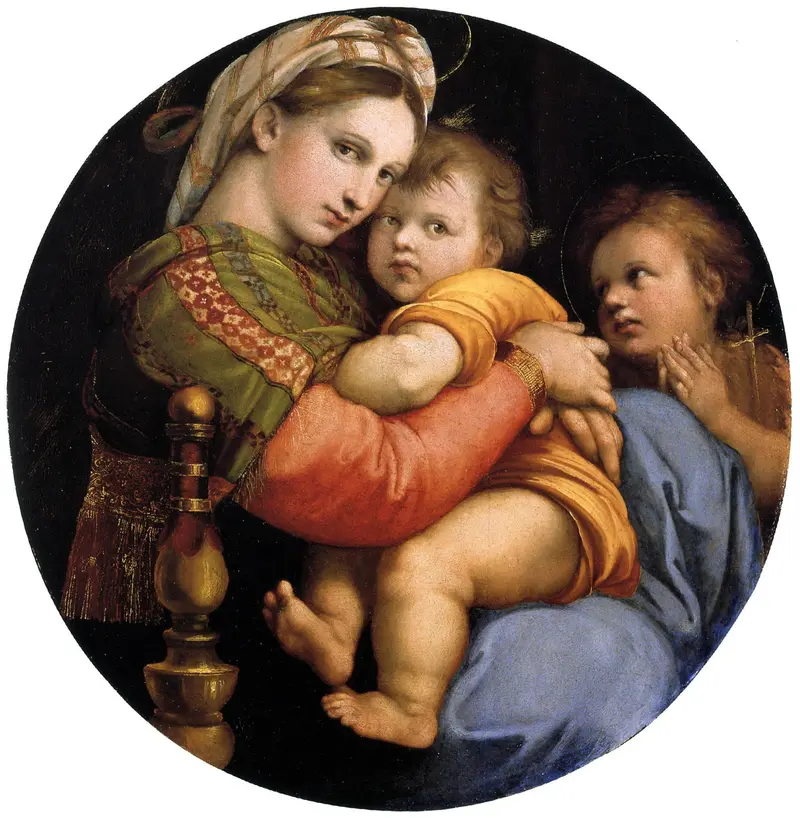
Madonna and Child (Madonna della Seggiola)
Raphael
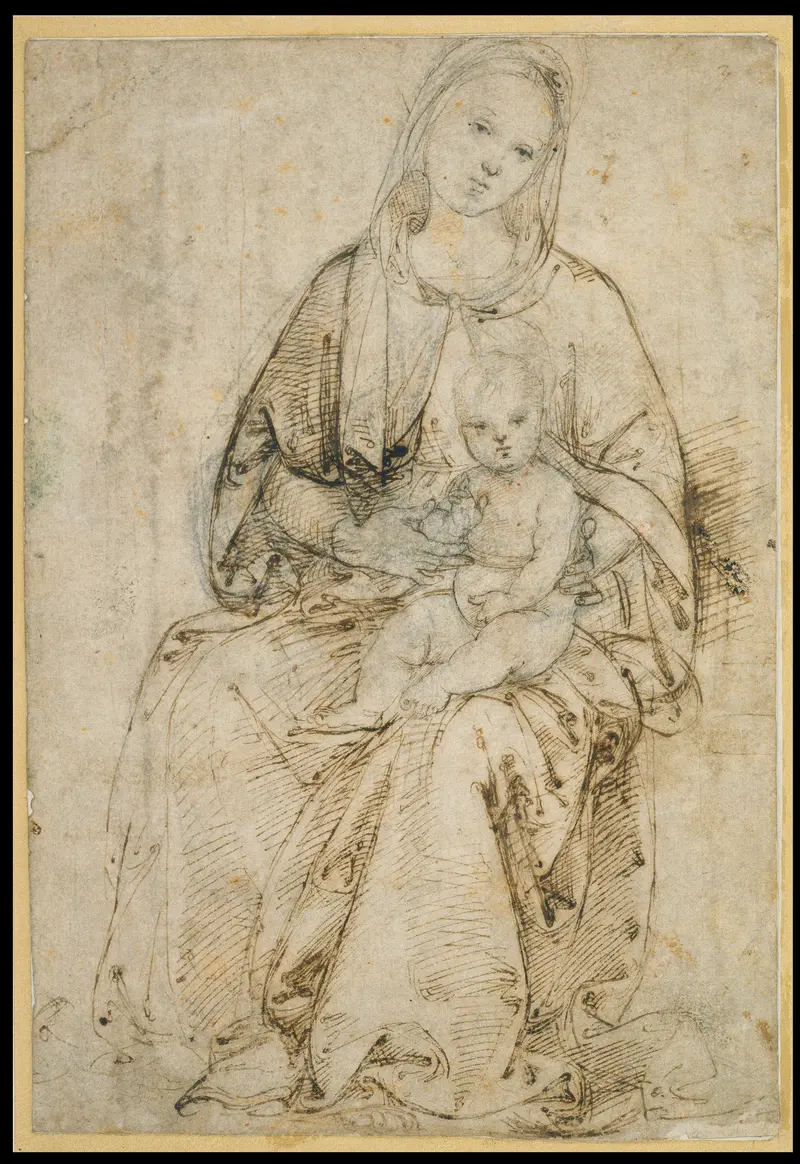
Seated Madonna and Child
Raphael
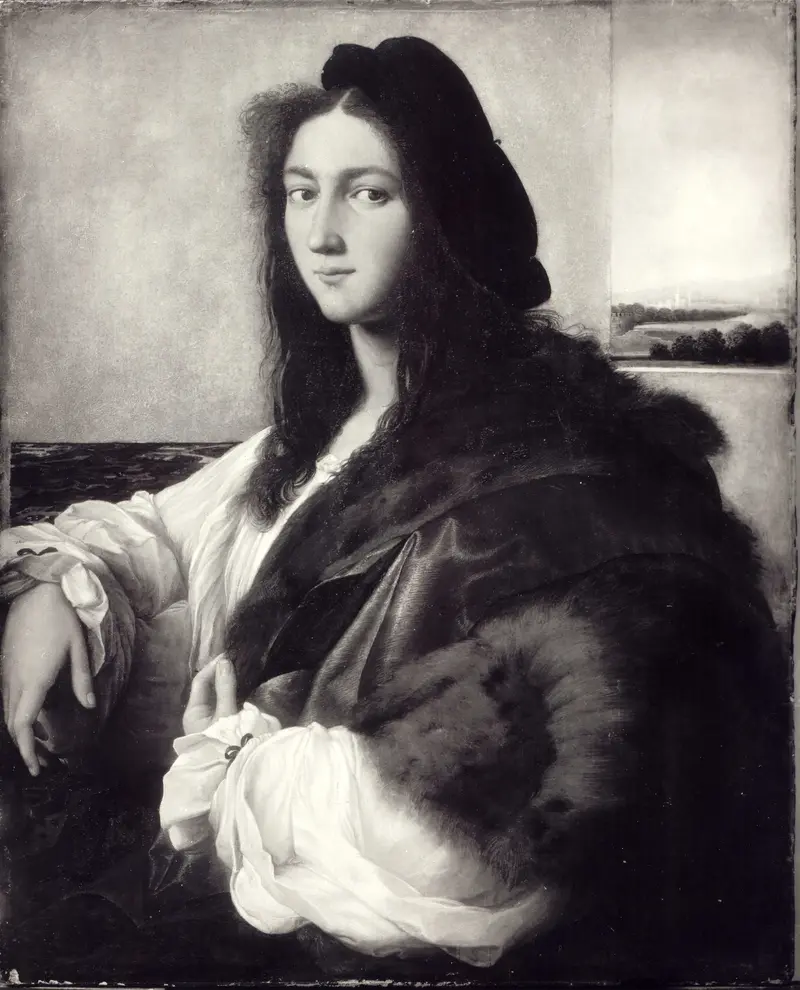
Portrait of a Young Man
Raphael
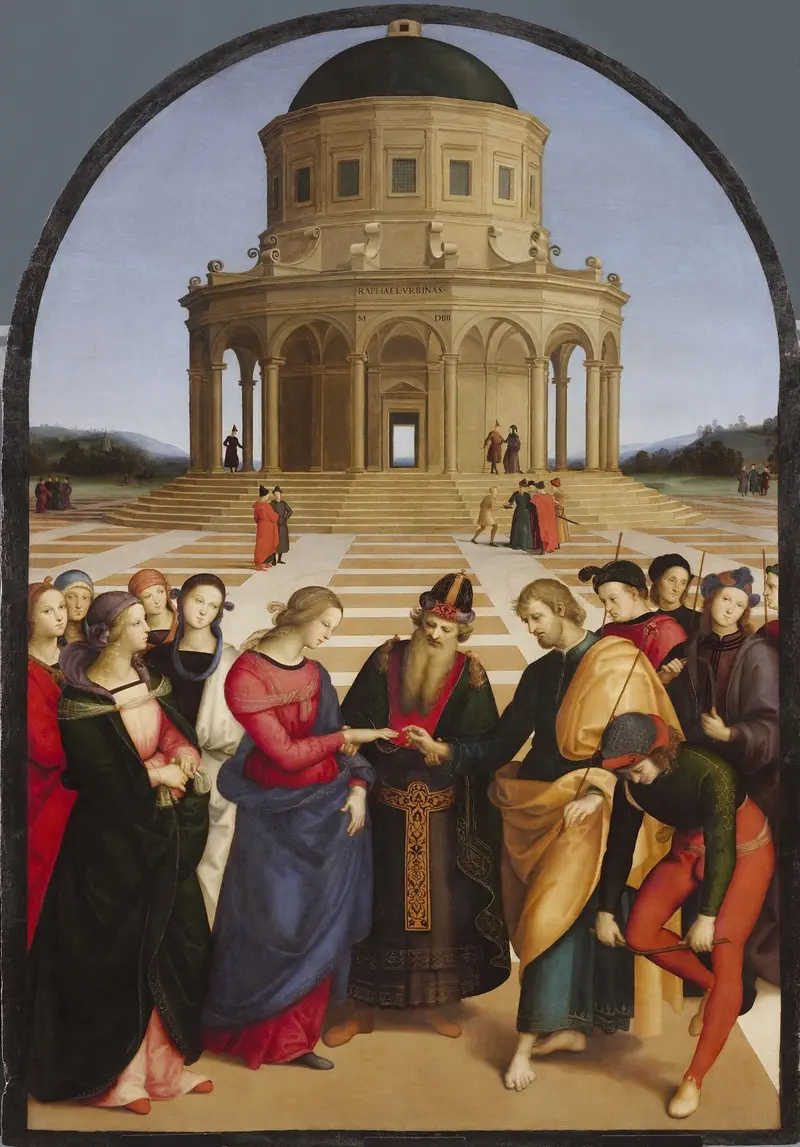
The Marriage of the Virgin
Raphael
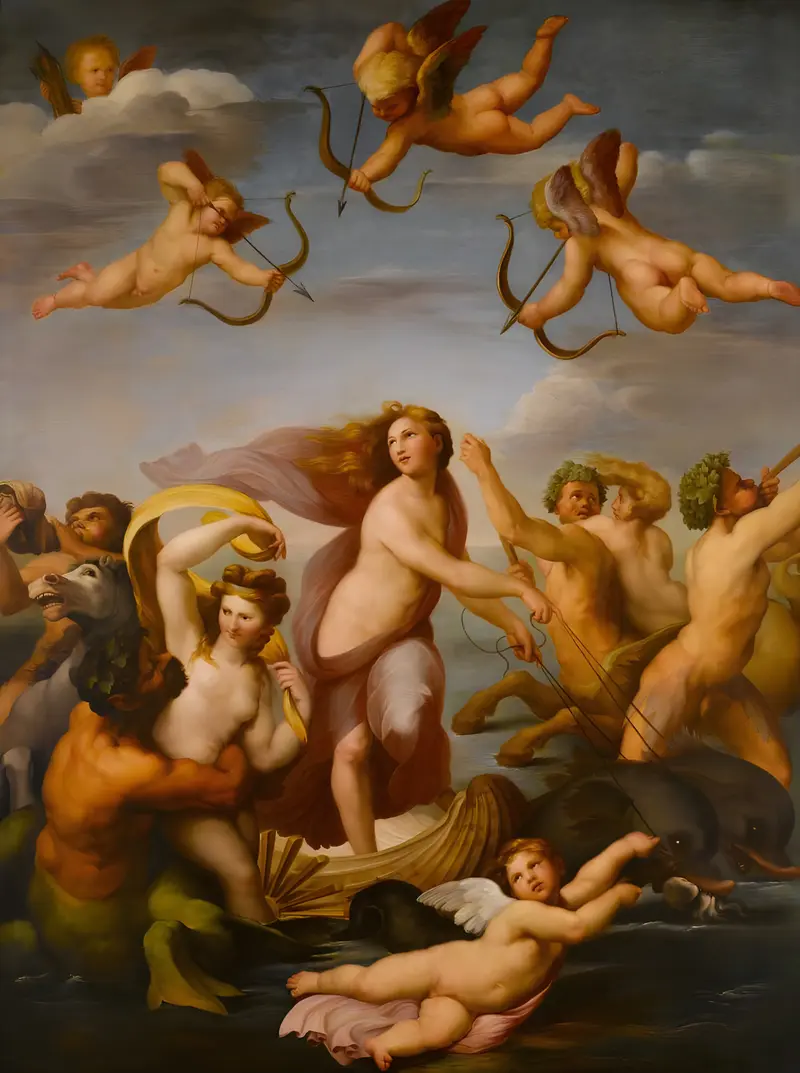
The Triumph of Galatea (copy after Raphael)
Raphael
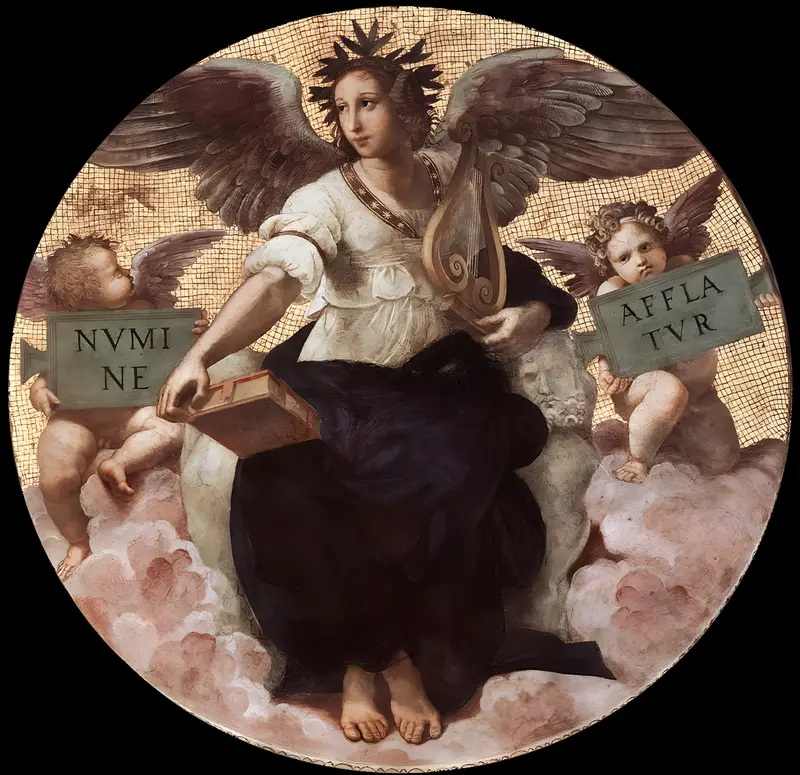
Poetry
Raphael
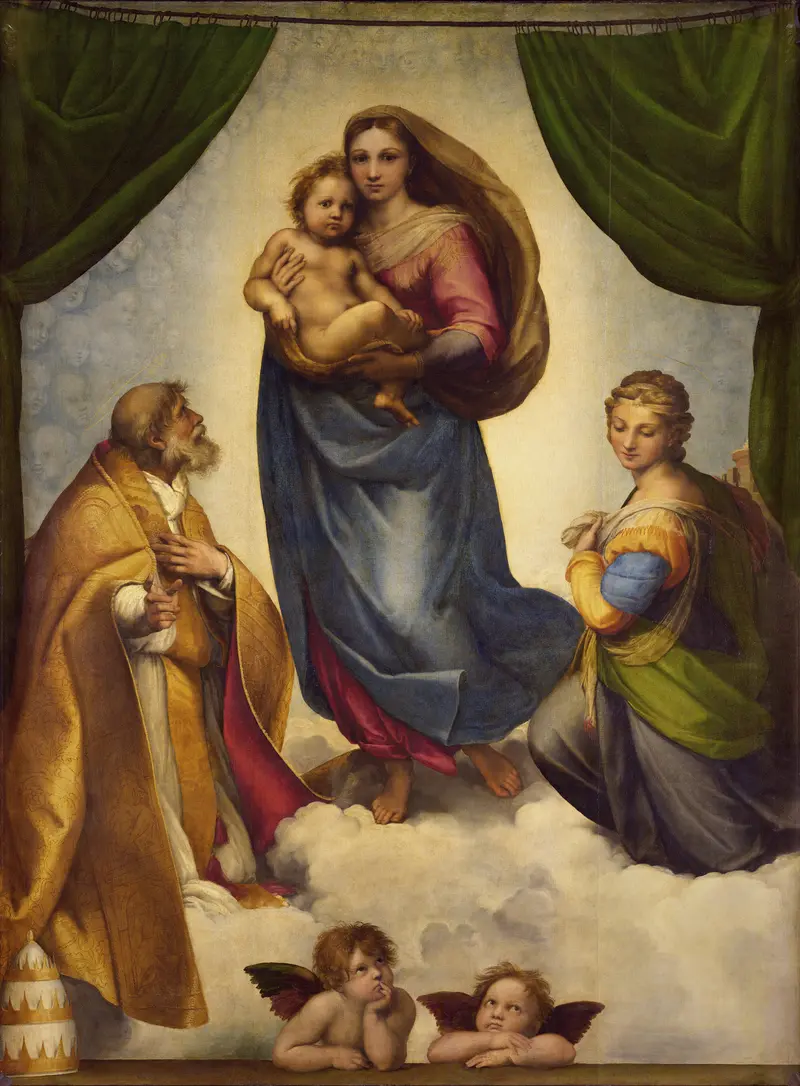
Sistine Madonna
Raphael
Madonna and Child Enthroned with Saints
Raphael