
Falaises Au Bord De La Mer Sous La Neige — History & Facts
Who listens when art speaks of silence? In Falaises Au Bord De La Mer Sous La Neige, the stillness of a snowy seascape invites introspection, as if nature itself is holding its breath, waiting for revelation. Look to the horizon where the muted palette of grays and whites saturates the canvas. The jagged cliffs rise sharply against the delicate fall of snow, their rugged textures meticulously rendered. Notice how the soft light bathes the scene, transforming the harshness of the rocky outcrop into a serene monument to winter’s quiet strength.
The interplay of shadow and light reveals Courbet's masterful technique, inviting the viewer to not only see but feel the chill of the atmosphere. In this composition, contrasts abound: the solidity of the cliffs against the ephemeral nature of snow, the vibrancy of the sea muted under a blanket of winter. The painting speaks to the power of nature, a force timeless and unyielding, yet fragile in its serenity. This balance echoes the revolutionary spirit of Courbet’s time, where art was not merely a reflection but a challenge to traditional narratives and the status quo. Created during a period of shifting artistic paradigms, Falaises Au Bord De La Mer Sous La Neige emerged from Courbet’s deep connection to the natural world while living in France in the mid-19th century.
This era was marked by the rise of realism, as the artist sought to document the unembellished truth of his surroundings, reflecting both personal and societal upheaval.
More Artworks by Gustave Courbet
Browse all →
Marine
Gustave Courbet
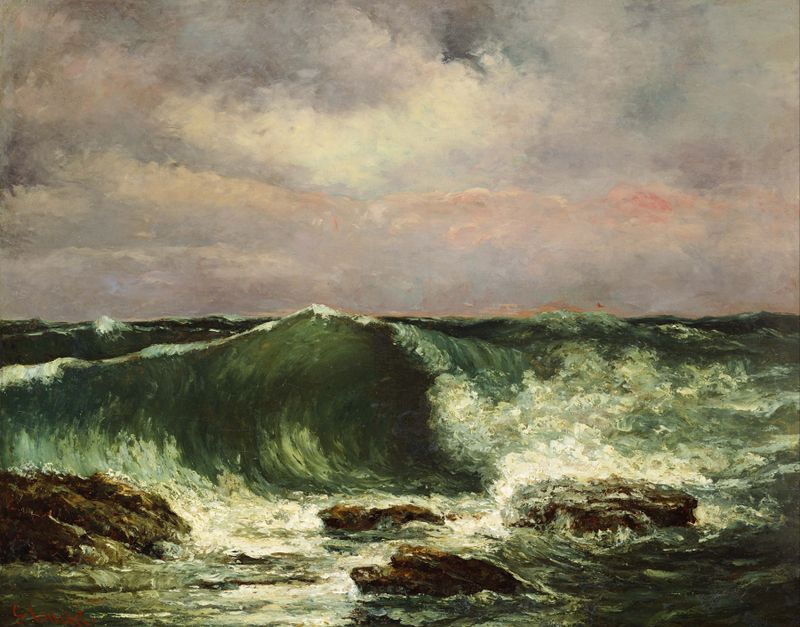
Waves
Gustave Courbet

Étretat; Les Falaises
Gustave Courbet
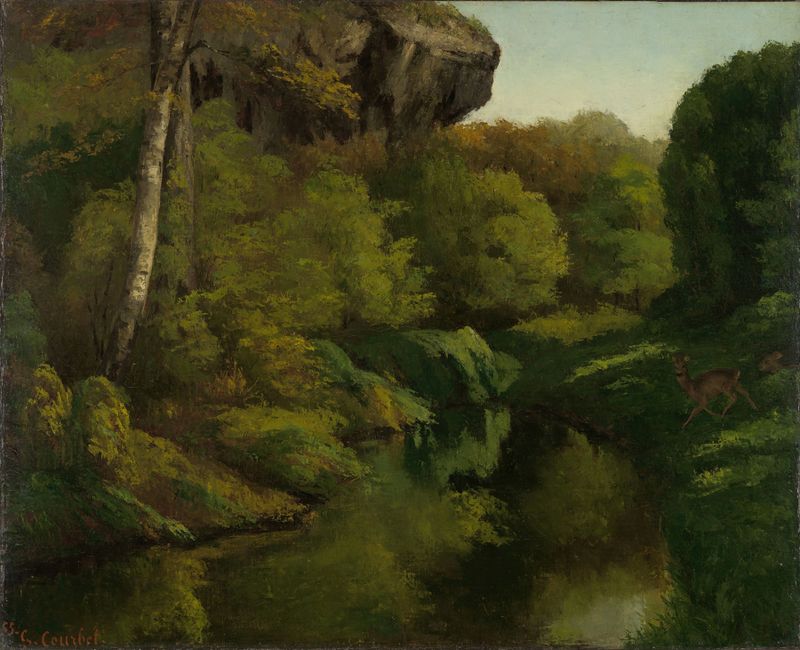
View in the Forest of Fontainebleau
Gustave Courbet
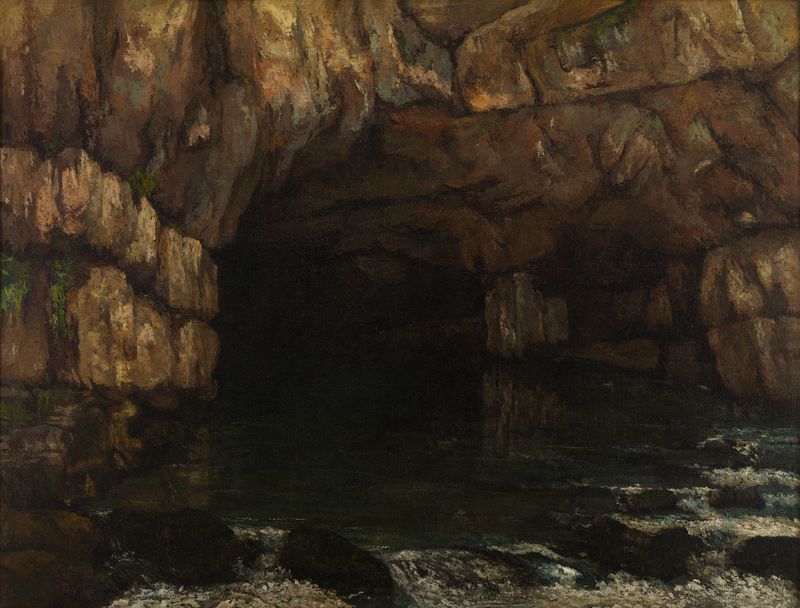
La source de la Loue (The Source of the Loue)
Gustave Courbet

Low Tide at Trouville
Gustave Courbet
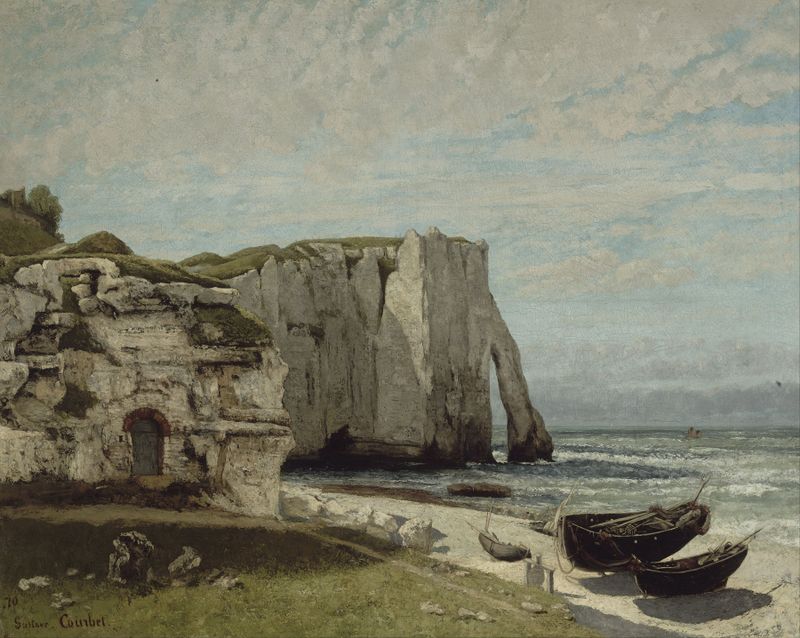
The Etretat Cliffs after the Storm
Gustave Courbet
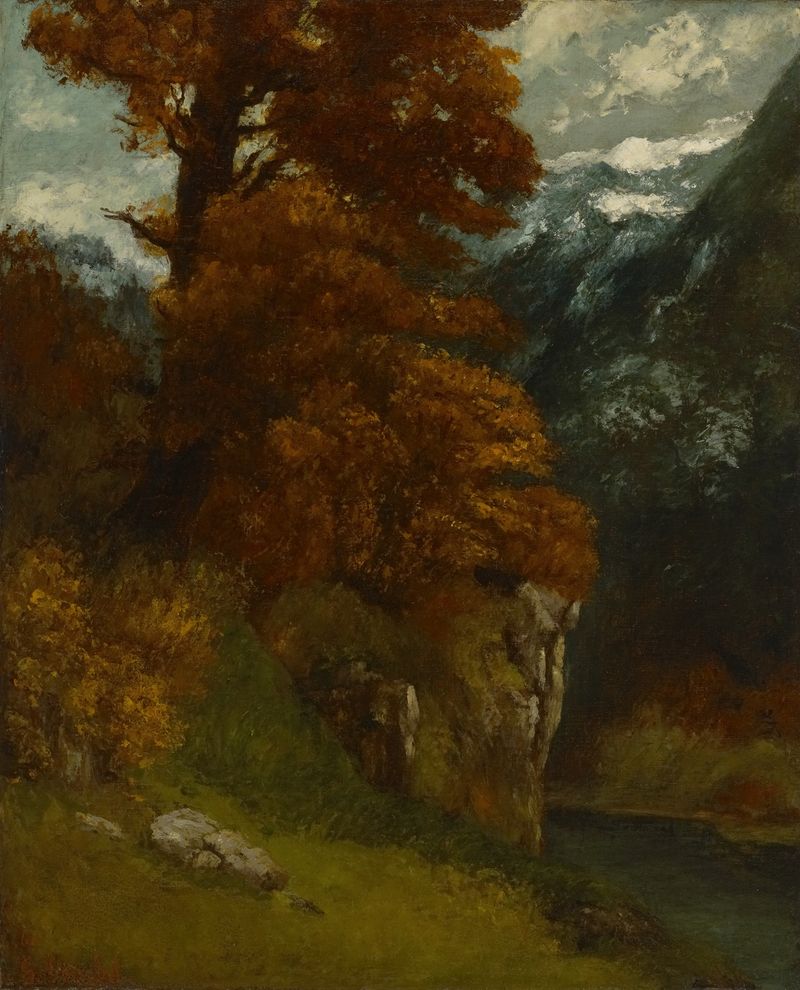
The Glen at Ornans (Bords du Doubs; Effet d’Automne)
Gustave Courbet
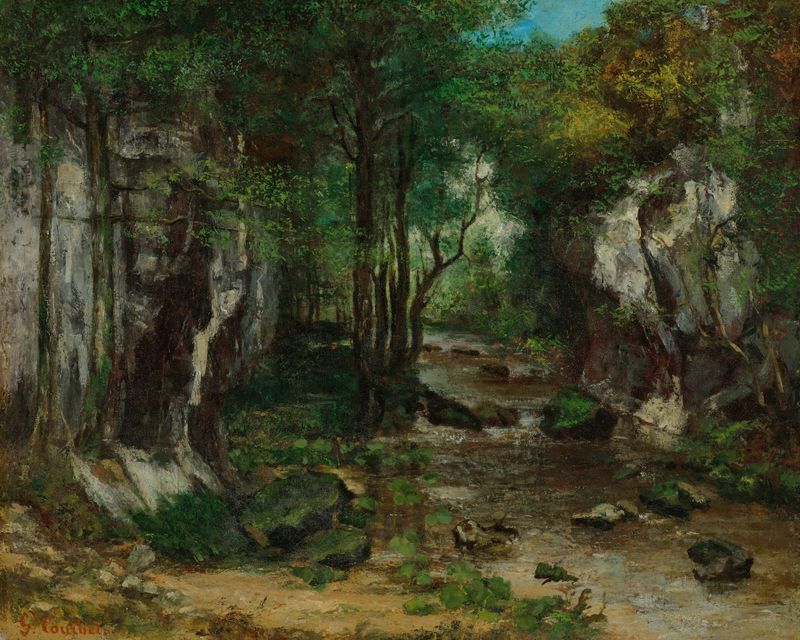
Le Ruisseau de Puits Noir
Gustave Courbet
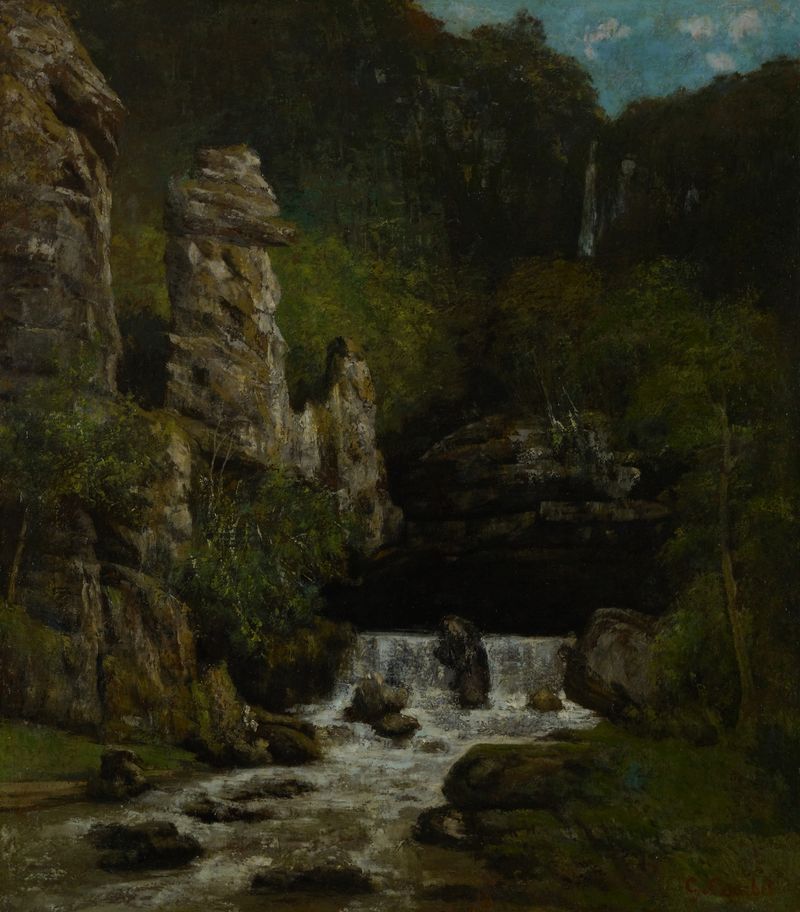
Landscape with a Waterfall
Gustave Courbet





