
Farallon Island — History & Facts
What grips the eye first is the wild, teeming life pressed against the ragged edge of land and sea—a congregation of sea lions perched on a natural stone arch, their bodies catching the last golden light before a towering wave crashes in. The drama is not in chaos but in the tension: the animals, poised and alert, seem to sense the ocean’s restless power gathering just beside them. Bierstadt draws us in with this precarious balance, using the arch as a stage where the sea’s might and the animals’ resilience meet.
The sweep of the wave, luminous with greens and whites, commands the right side of the canvas, while the left is dense with the warm, earthy forms of the colony, each creature distinct yet part of the whole. Painted in 1887, Farallon Island belongs to a period when American artists like Albert Bierstadt were captivated by the raw, untamed edges of the continent. This work, now at the Carnegie Museum of Art, stands as a vivid example of the era’s fascination with nature’s grandeur and unpredictability. Such paintings were often made for audiences hungry for images of distant, almost mythic places—scenes that promised adventure and the thrill of the unknown.
While history has left few traces about this specific canvas, its energy and detail invite viewers to imagine the world as Bierstadt saw it: vast, alive, and always on the verge of transformation. Look again and notice how every brushstroke urges you to feel the salt spray and the watchful quiet before the wave breaks.
More Artworks by Albert Bierstadt

A Storm in the Rocky Mountains, Mt. Rosalie
Albert Bierstadt
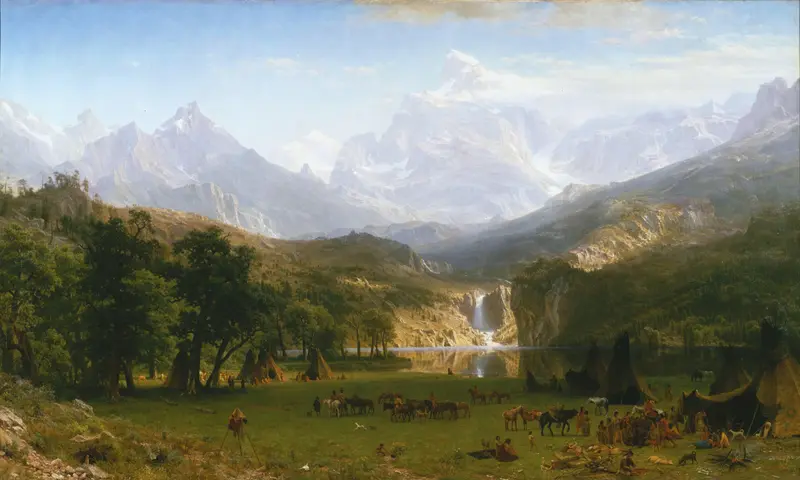
The Rocky Mountains, Lander's Peak
Albert Bierstadt
Niagara from the American Side
Albert Bierstadt
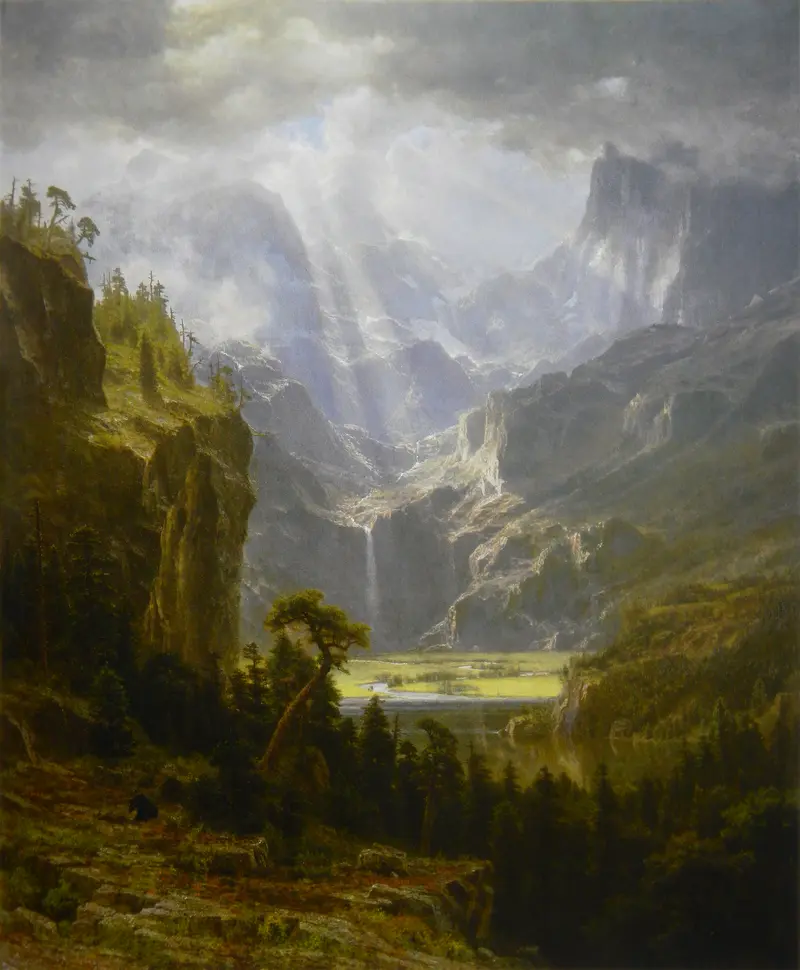
Rocky Mountains, Lander’s Peak
Albert Bierstadt

Valley of the Yosemite
Albert Bierstadt
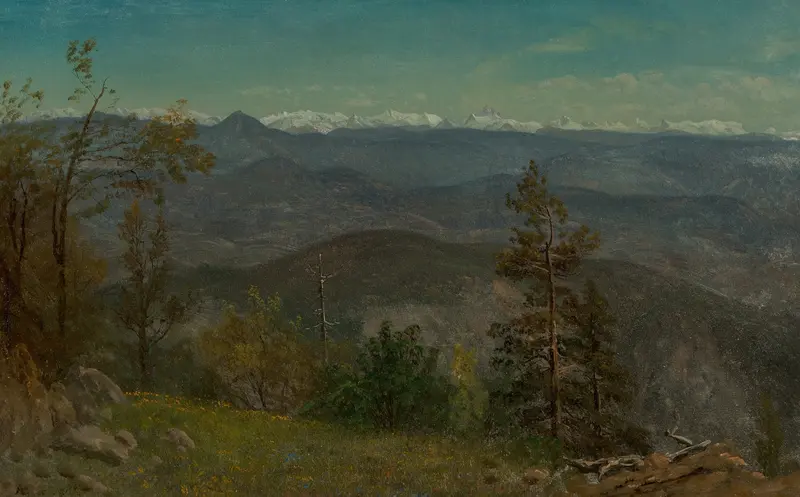
Yosemite Valley, California
Albert Bierstadt
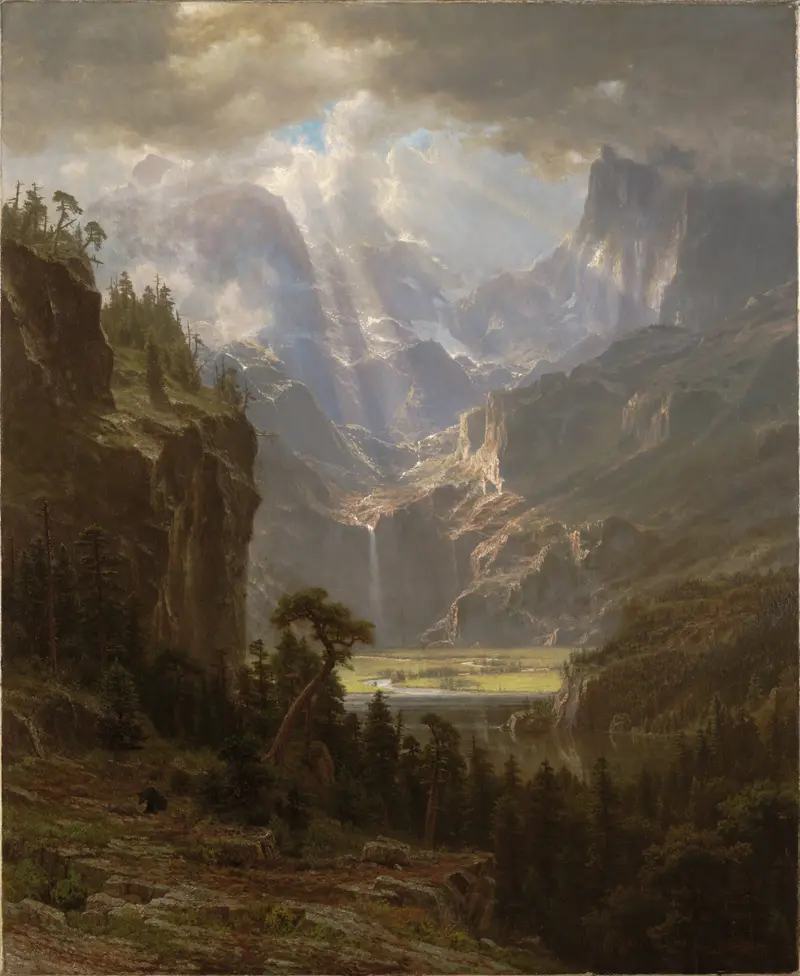
Rocky Mountains, "Lander's Peak"
Albert Bierstadt

Laramie Peak
Albert Bierstadt
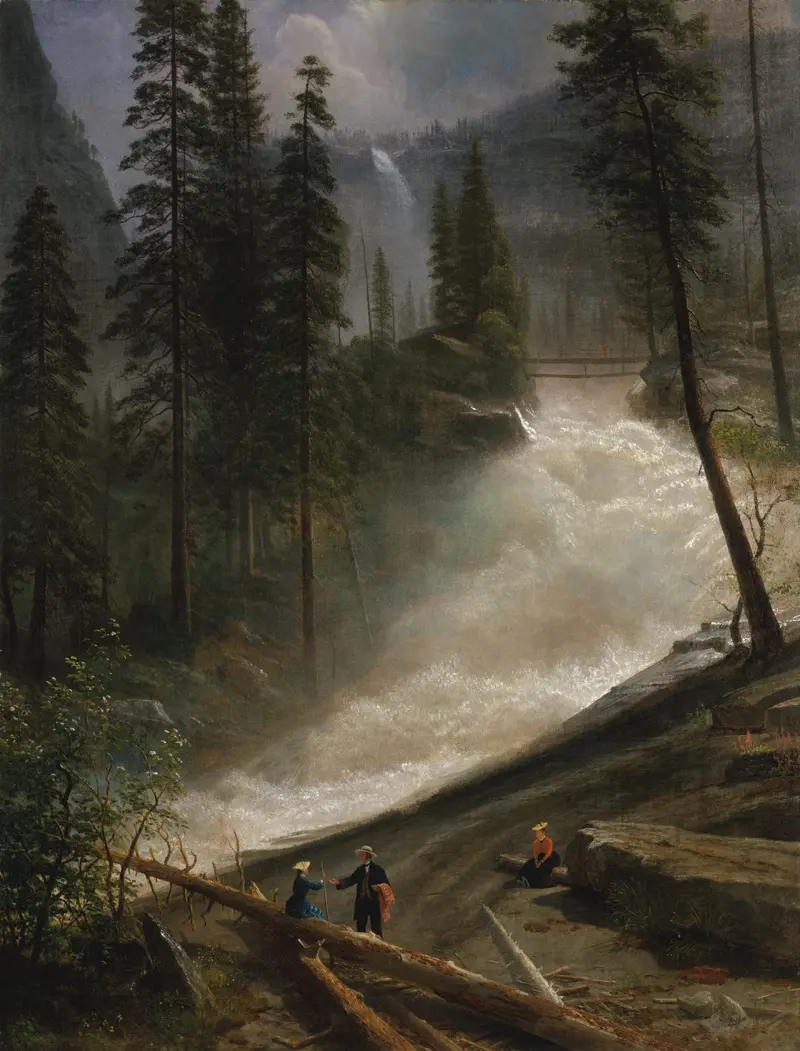
Nevada Falls, Yosemite
Albert Bierstadt
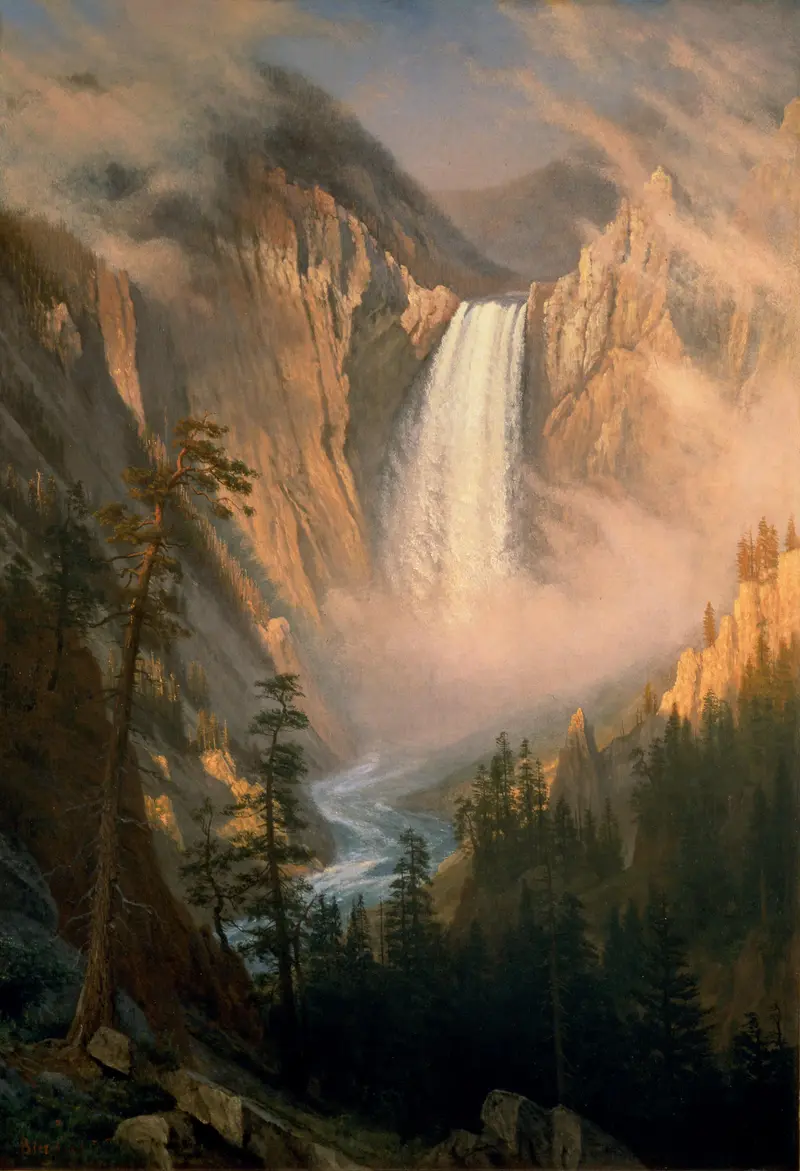
Yellowstone Falls
Albert Bierstadt





