
Farming Village at Twilight — History & Facts
What if silence could speak through light? In the quiet embrace of twilight, a farming village stands poised between the labors of the day and the tranquility of night, embodying balance and reflection. Look to the left at the gentle hues of lavender and deep blue that envelop the landscape, transitioning seamlessly from warm golds of the setting sun. Notice how the soft brush strokes create a sense of movement, as if the fading light dances across the thatched roofs and fields. The juxtaposition of dark silhouettes against the luminous sky draws the eye, inviting contemplation of the day’s end and the promise of rest. Delve deeper into the emotional tensions present in the work — the harmony between the vibrant life of the village and the encroaching stillness of night.
The rhythm of rural existence is palpable, while the twilight sky encapsulates both an end and a beginning. The choice of colors conveys a sense of serenity, yet hints at the inevitable passage of time, evoking nostalgia and reflection on life's cycles. In 1884, during his time in the Netherlands, the artist created this piece as he grappled with his identity and artistic vision. The post-Impressionist movement was gaining momentum, and van Gogh sought to establish his own style, melding emotion and observation.
This work, influenced by his connection to the countryside and the themes of rural life, was pivotal in his journey toward the vibrant expressions that would later define his legacy.
More Artworks by Vincent van Gogh
Browse all →
Starry Night
Vincent van Gogh
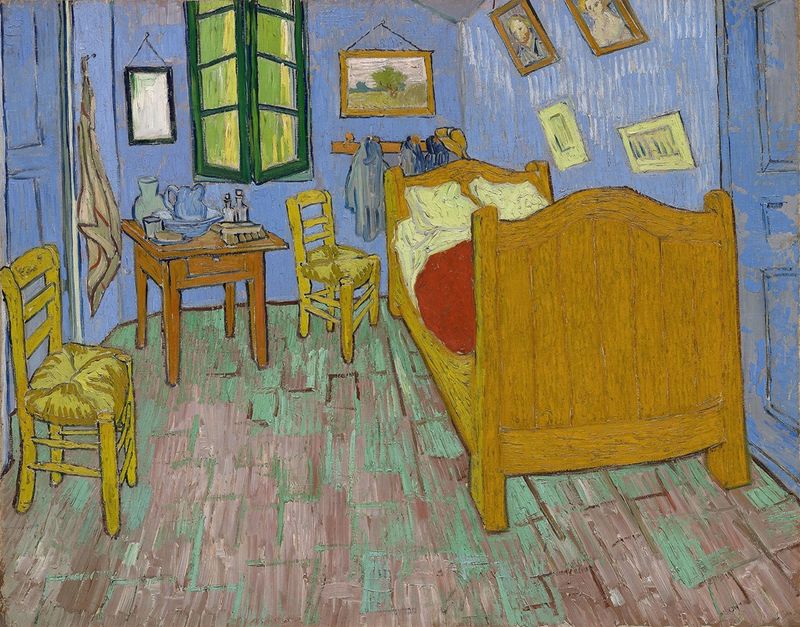
The Bedroom
Vincent van Gogh
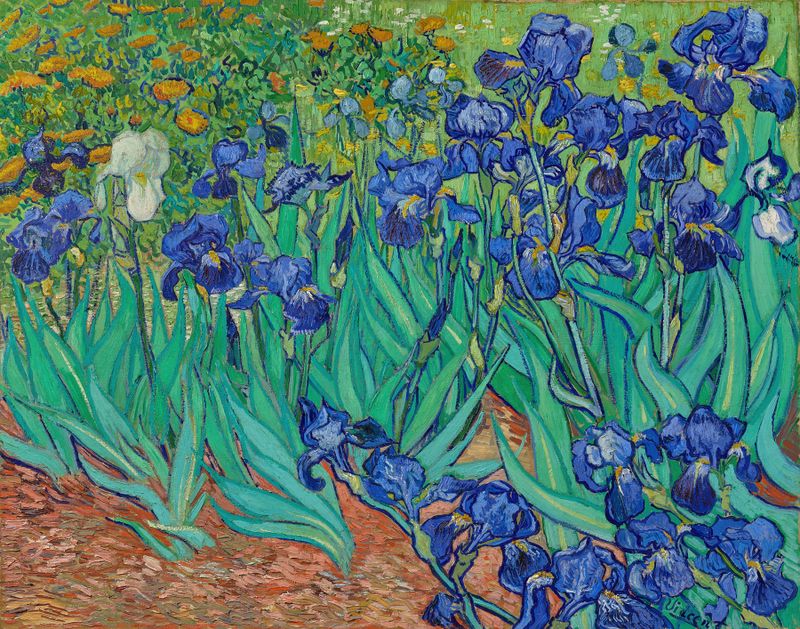
Irises
Vincent van Gogh
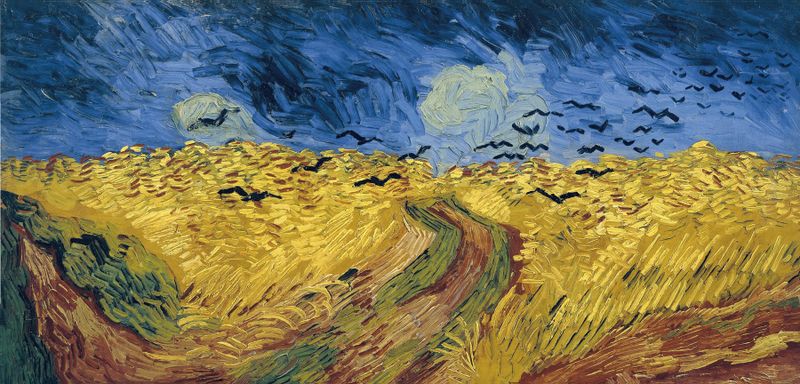
Wheatfield with Crows
Vincent van Gogh
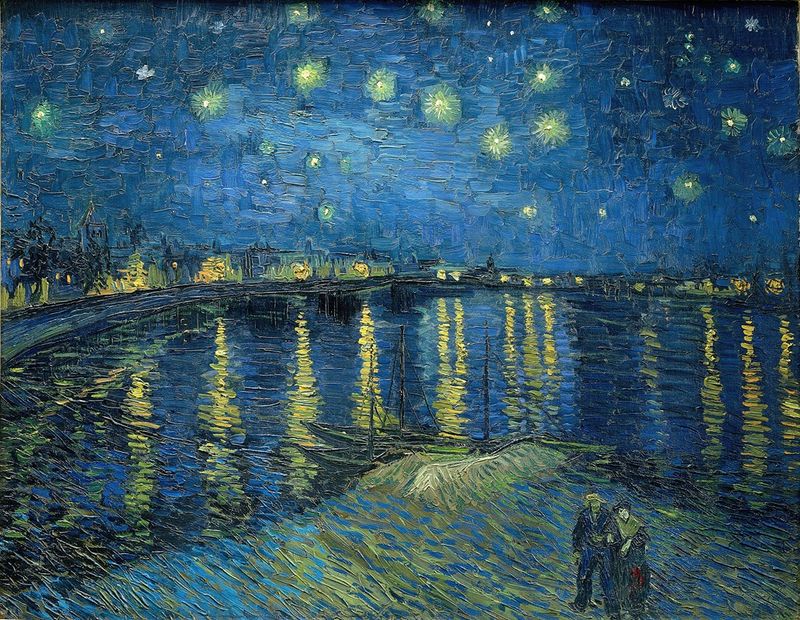
Starry Night over the Rhone
Vincent van Gogh

The yellow house
Vincent van Gogh
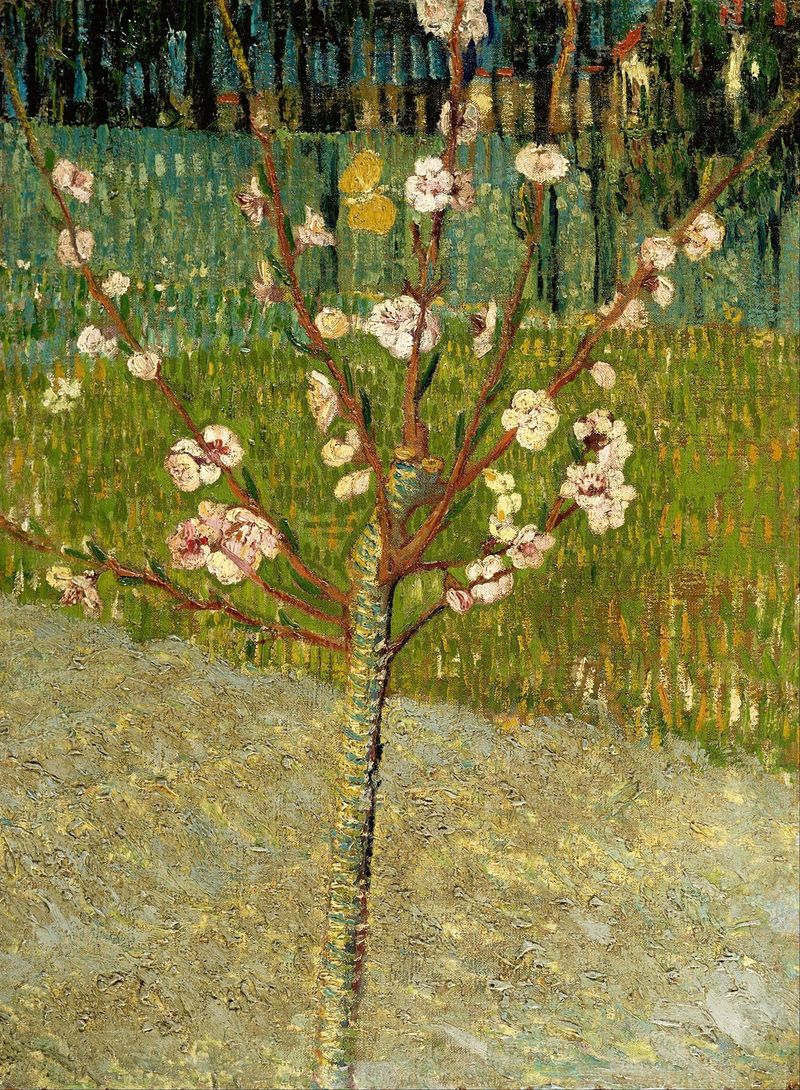
Almond tree in blossom
Vincent van Gogh

Portrait of Dr Gachet
Vincent van Gogh

The Church in Auvers-sur-Oise, View from the Chevet
Vincent van Gogh

Self-Portrait
Vincent van Gogh





