Fawn in the snow in the woods — History & Facts
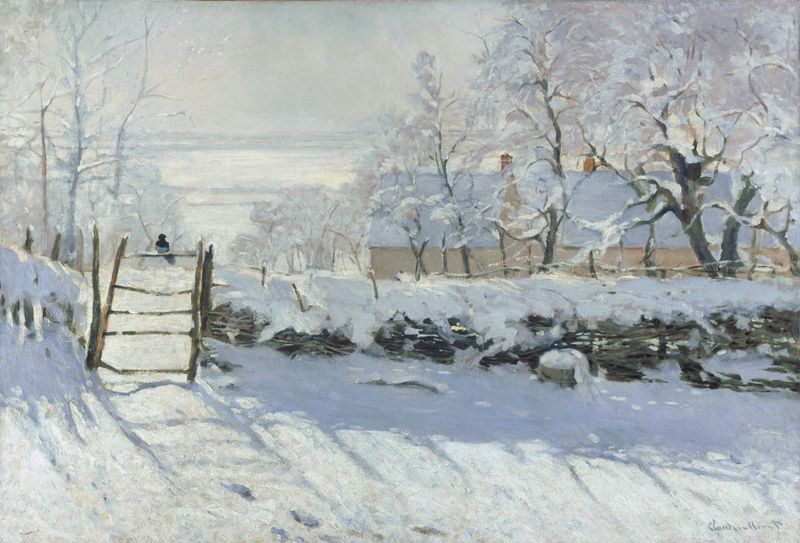
In the stillness of a snowy woodland, a delicate fawn embodies both vulnerability and grace, a whisper of divinity amidst the stark chill of winter's breath. The soft white ground cradles the creature, transforming an ordinary moment into an intimate communion with nature — a fleeting glimpse into the sacred. Look to the center of the canvas where the fawn stands, its doe eyes wide and trusting against the backdrop of stark white snow. The artist's brushwork evokes a sense of softness, capturing the texture of its fur and the gentle outline of its form.
Notice how the muted palette of whites and browns enhances the creature’s innocence, while the trees in the background loom like ancient sentinels, their gnarled branches etched against a pale sky. The composition draws you inward, inviting contemplation on the fragility of life. Yet, beneath the serene surface lies a deeper tension — the juxtaposition of innocence and the harshness of nature. The fawn’s solitude evokes a poignant sense of vulnerability, reminding us of the delicate balance between life and death in the wild.
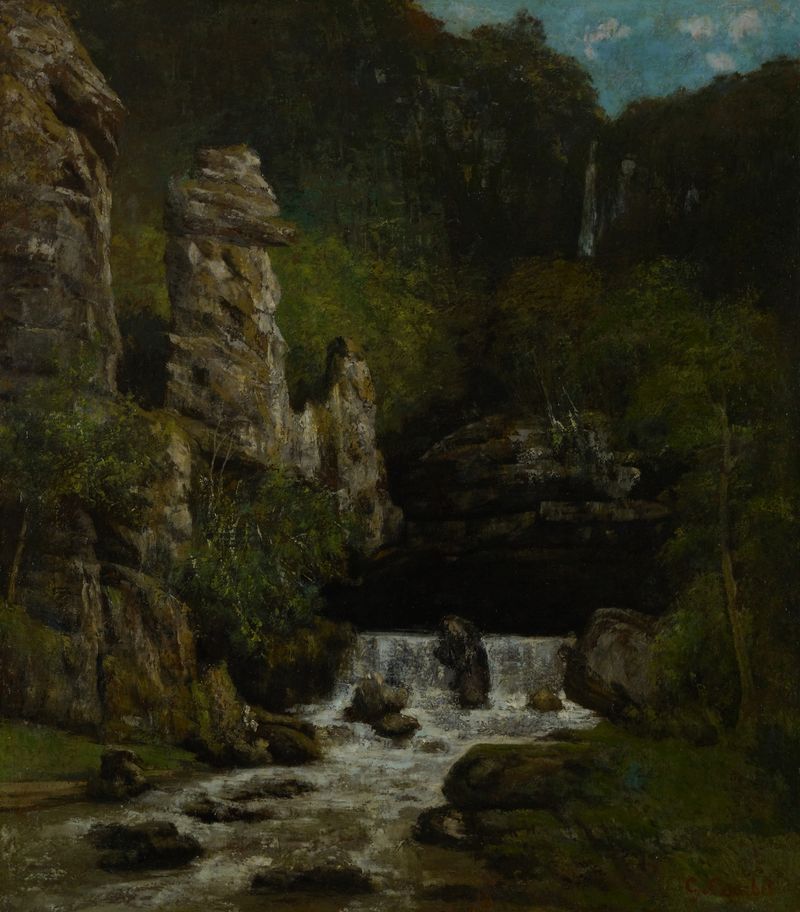
Here, each flake of snow becomes a testament to the transient beauty of existence, suggesting that divinity might reside in the quiet acceptance of fate. During the period from 1865 to 1877, Courbet was deeply immersed in the Realist movement, seeking to present nature honestly and unembellished. Living in France, he was influenced by the changing socio-political landscape, moving away from idealized subjects to reflect the raw authenticity of life. This painting captures that essence, positioning an ordinary moment as extraordinary, as he challenged the conventions of art and embraced the beauty of the unrefined.
More Artworks by Gustave Courbet
Browse all →
Marine
Gustave Courbet
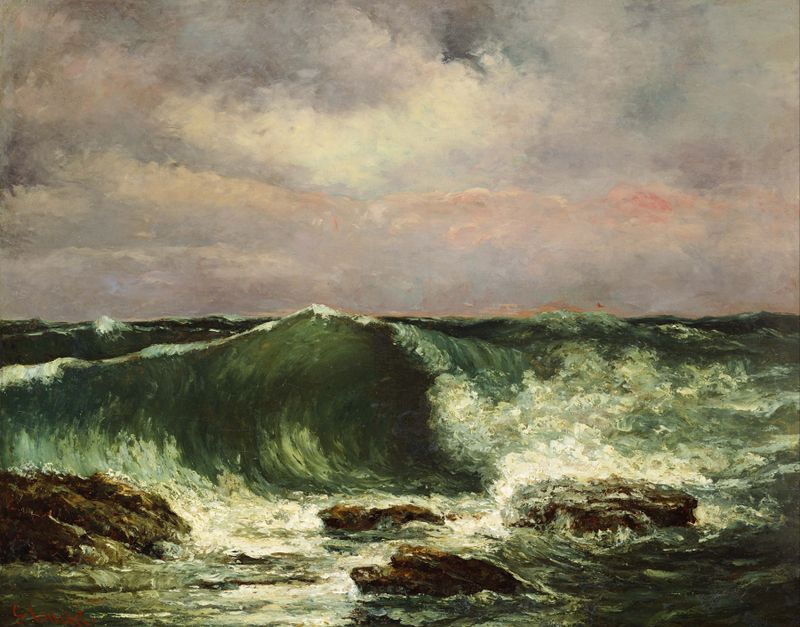
Waves
Gustave Courbet

Étretat; Les Falaises
Gustave Courbet
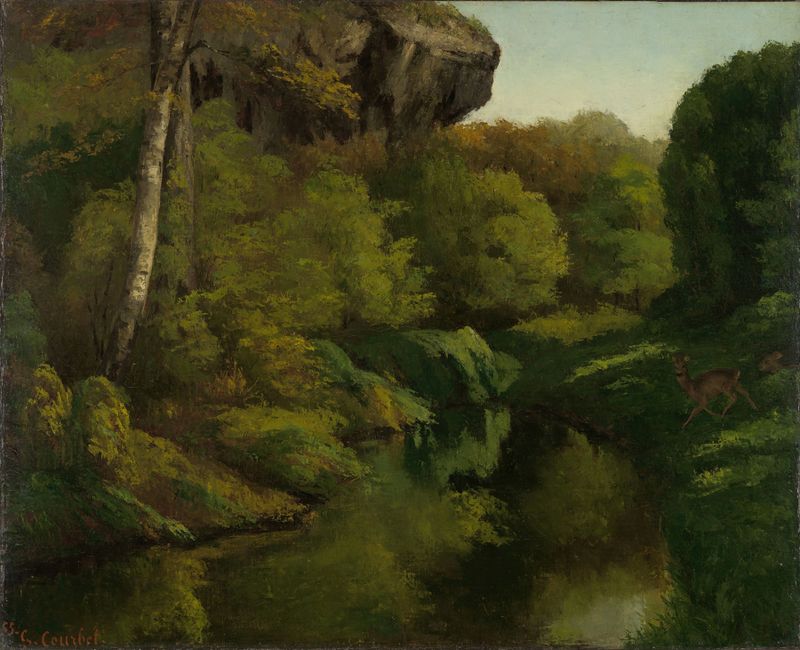
View in the Forest of Fontainebleau
Gustave Courbet
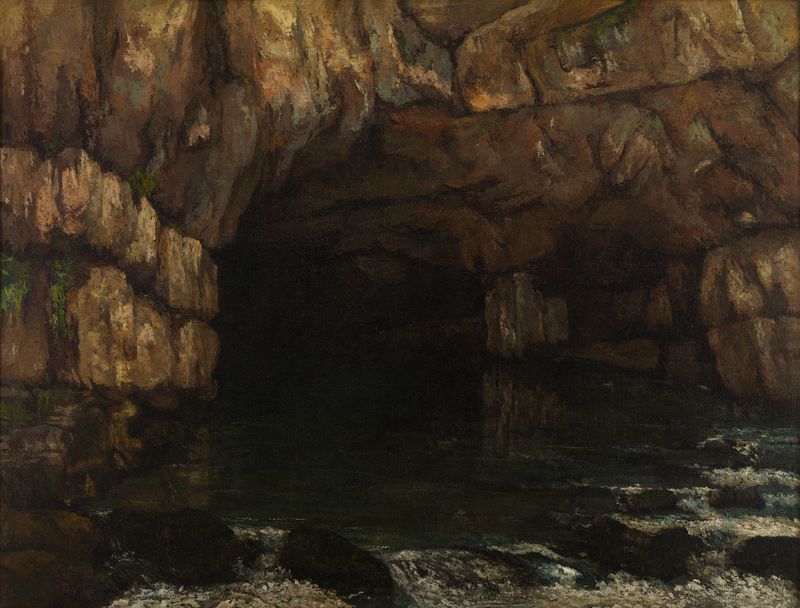
La source de la Loue (The Source of the Loue)
Gustave Courbet

Low Tide at Trouville
Gustave Courbet
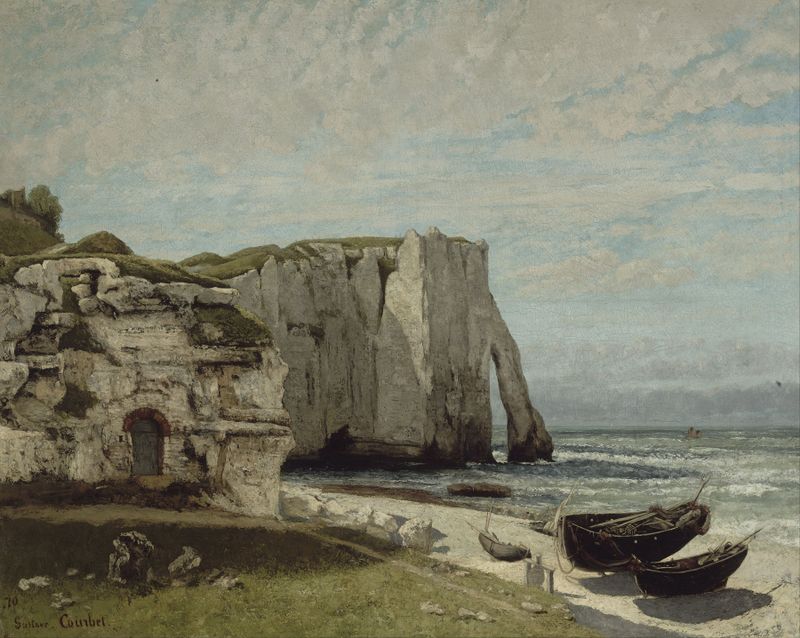
The Etretat Cliffs after the Storm
Gustave Courbet
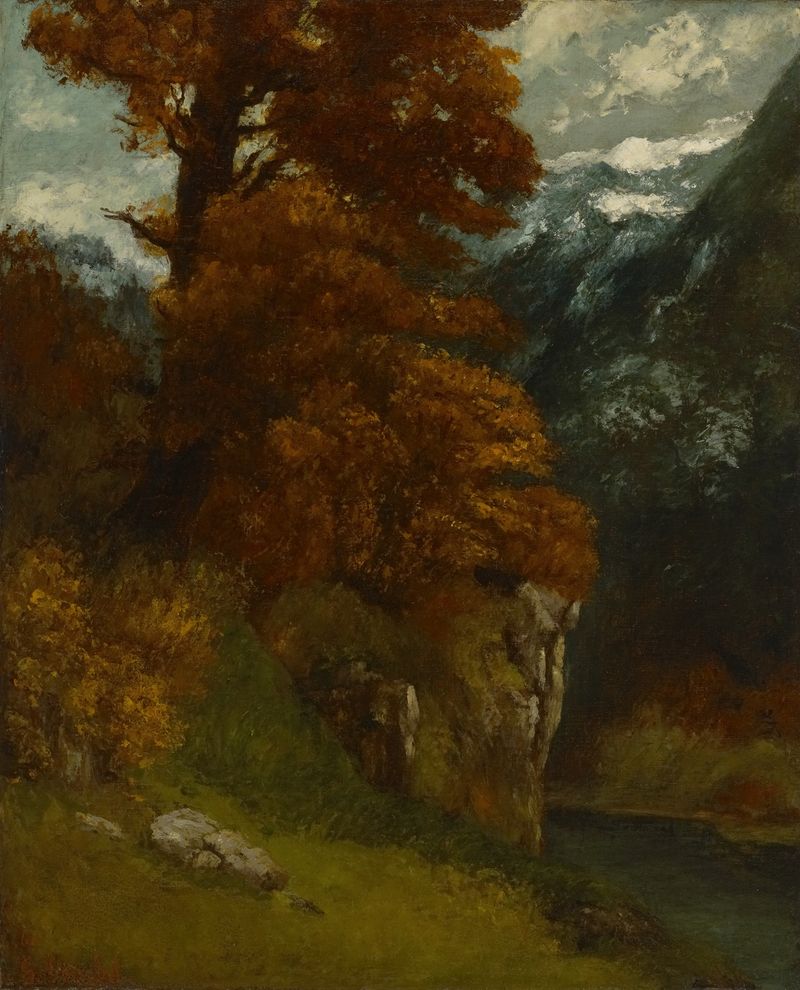
The Glen at Ornans (Bords du Doubs; Effet d’Automne)
Gustave Courbet
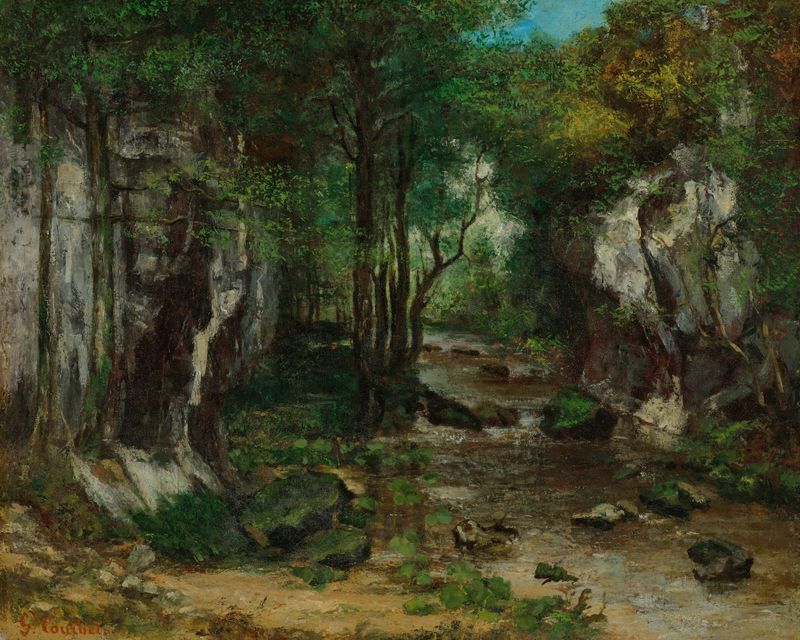
Le Ruisseau de Puits Noir
Gustave Courbet
Landscape with a Waterfall
Gustave Courbet