
Federigo — History & Facts
What draws the viewer in first is the direct, almost solemn gaze of the infant, rendered with a gravity that belies the sitter’s age. The soft light falls gently across the child’s rounded cheeks and pale bonnet, catching the faintest blush of pink in the skin and the watery blue of the eyes. The crisp folds of the white bib, painted with swift, sure strokes, anchor the figure in the shallow space, while the background remains a muted haze, offering no distraction from the quiet presence at the center.
There is a sense of stillness, as if time momentarily pauses to let us study this early, fleeting moment of personhood. Painted in 1855, Federigo belongs to a period when portraits of children were cherished tokens of family memory, often commissioned to mark milestones or preserve the innocence of youth before it vanished. In the mid-nineteenth century, artists like Arnold Böcklin were still negotiating the balance between realism and sentiment, and here the artist’s careful observation hints at the influence of both academic training and the growing taste for more intimate, psychological portraits. Little is recorded about this particular work’s journey, but it now resides in the collection documented by ETH Zurich, a quiet witness to the era’s fascination with childhood and the painter’s own evolving craft.
The painting invites us to linger, searching for the story behind those watchful eyes.
More Artworks by Arnold Böcklin

Die Toteninsel III
Arnold Böcklin
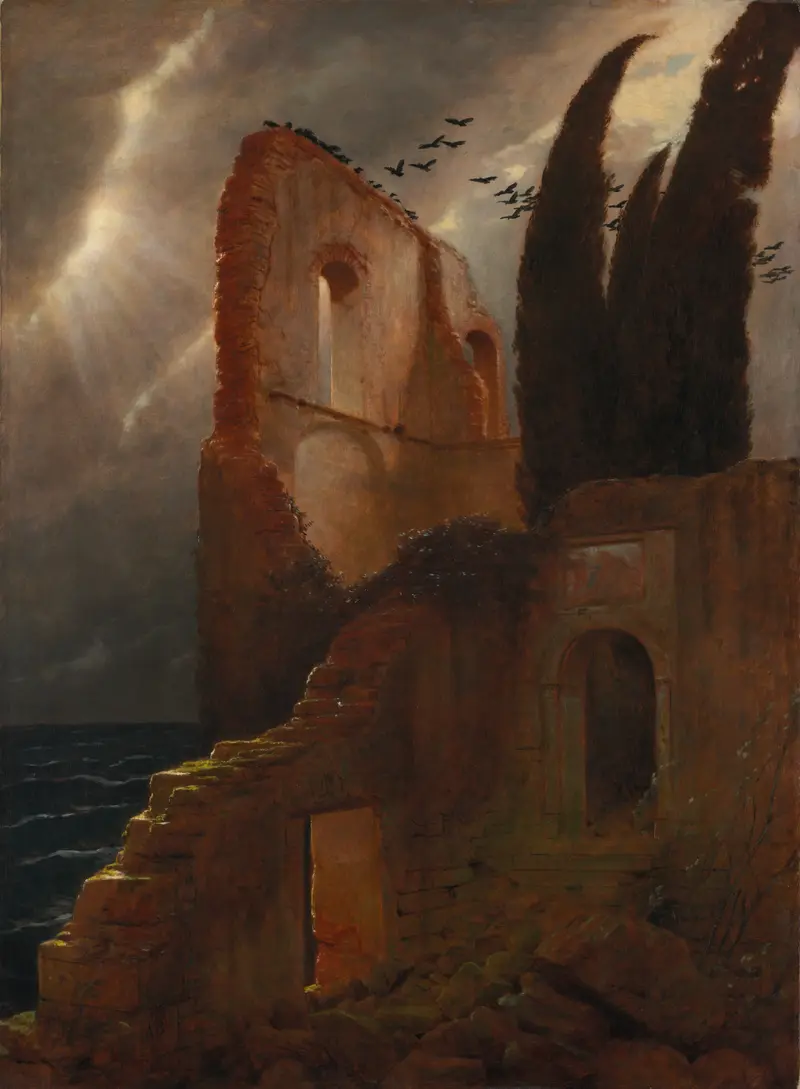
Ruin by the Sea
Arnold Böcklin
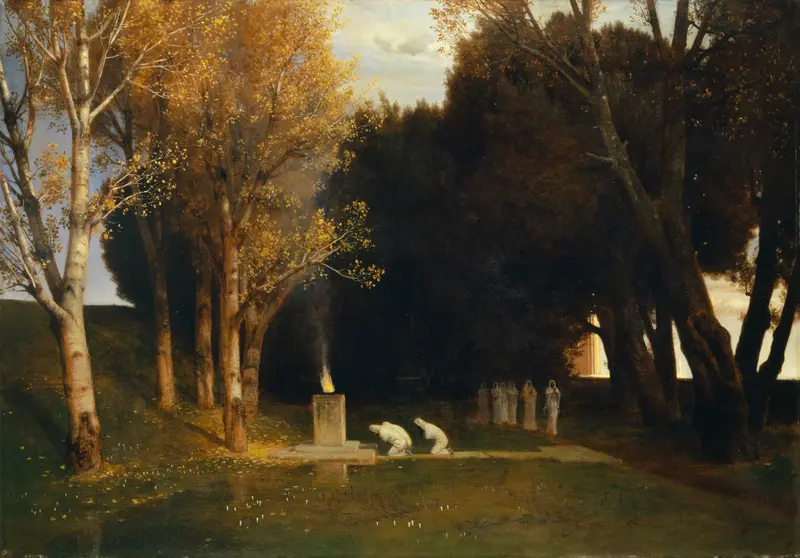
The Sacred Grove
Arnold Böcklin
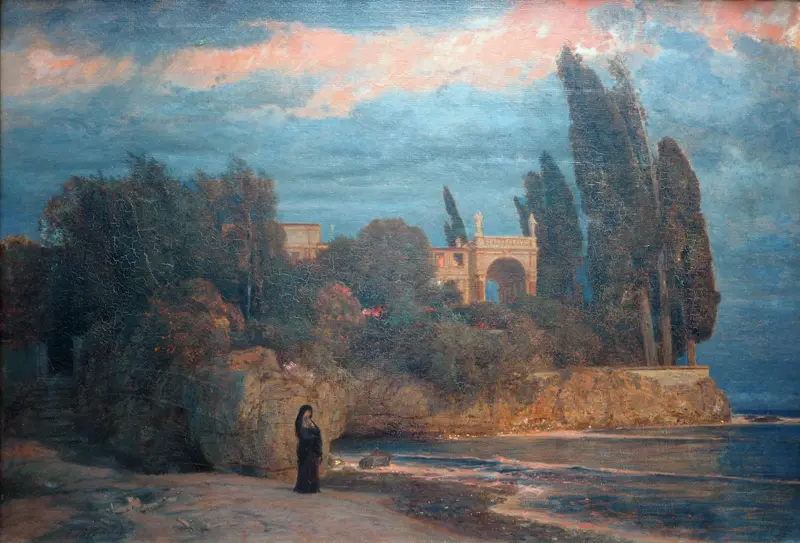
Villa by the Sea
Arnold Böcklin
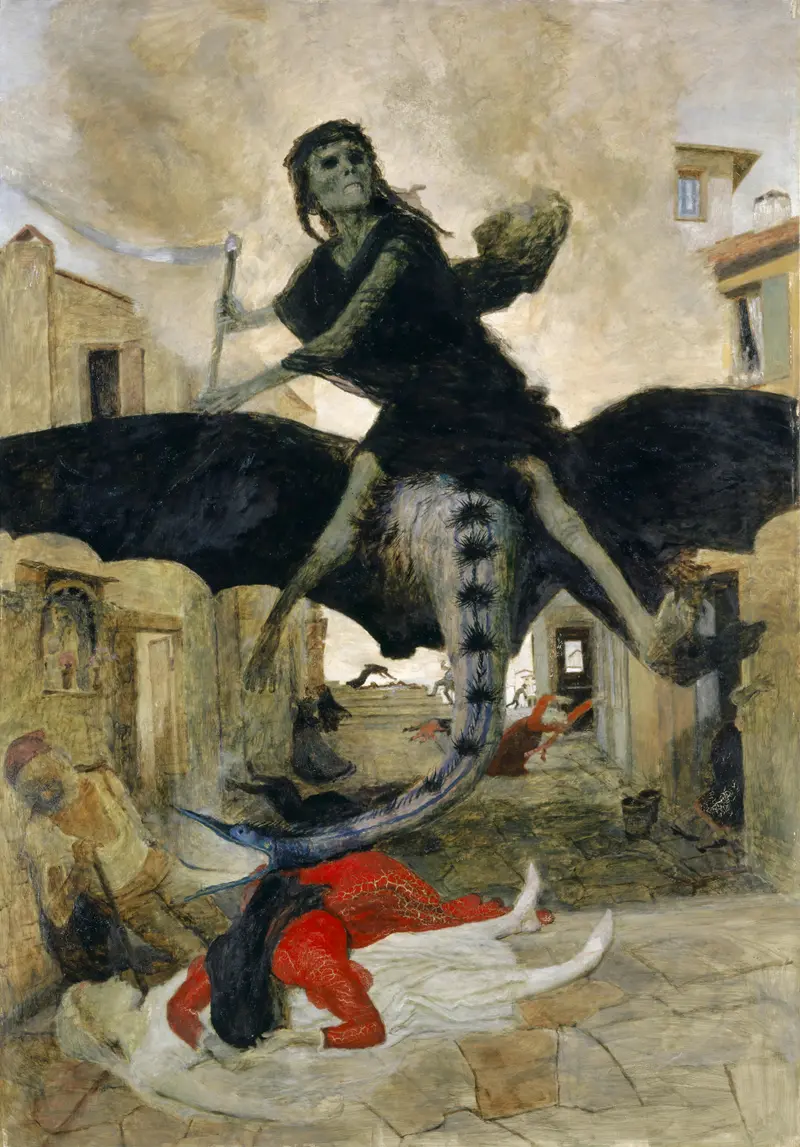
The Plague
Arnold Böcklin
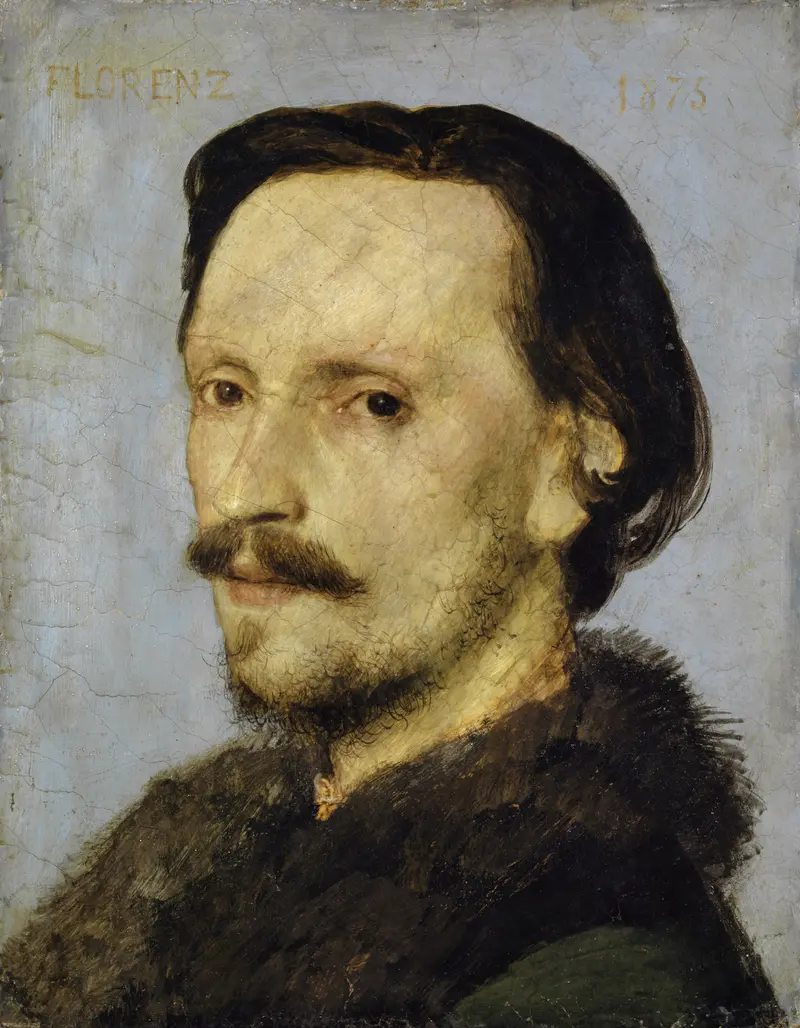
Böcklin Bildnis des Kunsthistorikers Adolph Bayersdorfer, 1875
Arnold Böcklin
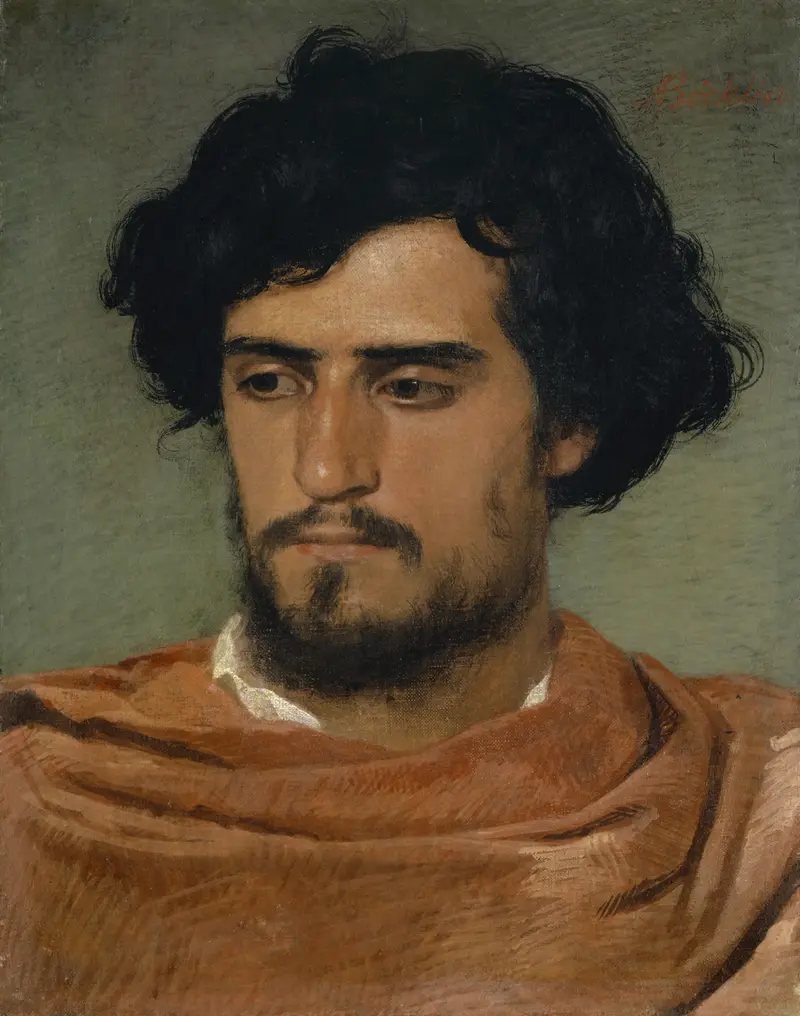
Head of a Roman
Arnold Böcklin
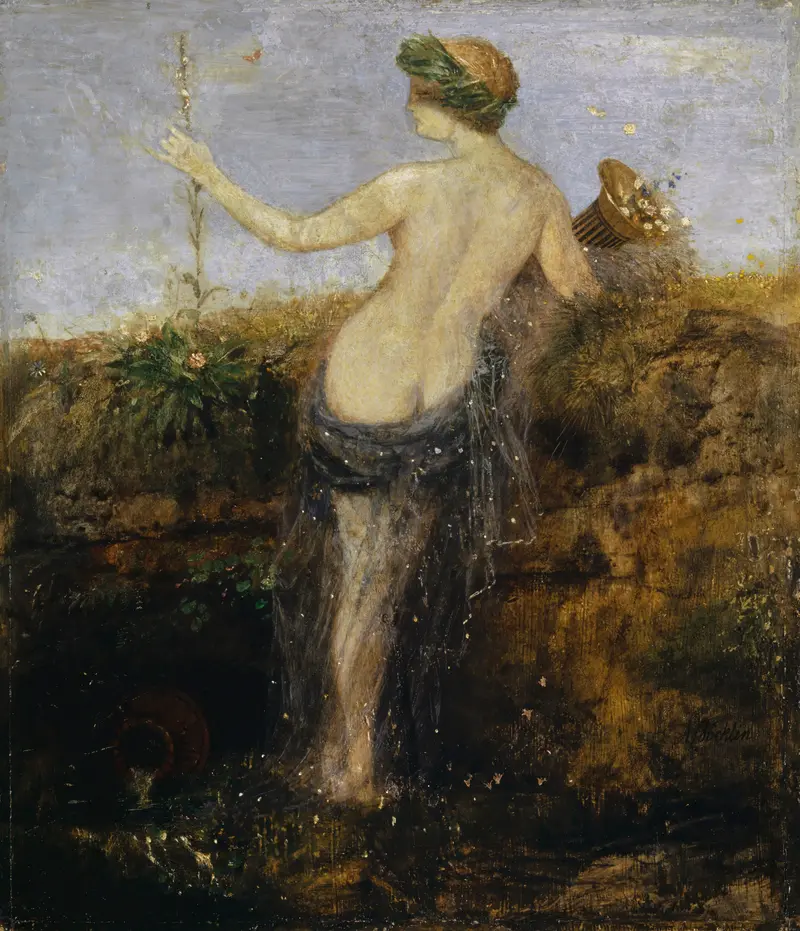
Nymphe with Horn of Plenty
Arnold Böcklin
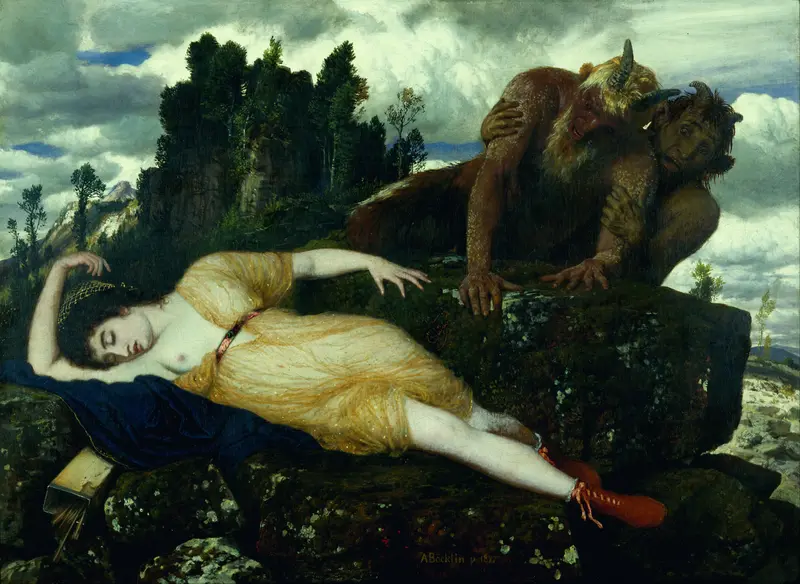
Sleeping Diana Watched by Two Fauns
Arnold Böcklin
Spring (Songs of Spring)
Arnold Böcklin





