
Felsige Gebirgslandschaft mit Wasserfall — History & Facts
What secret hides in the quiet of the canvas? A world of revolution and natural beauty whispers through every stroke, inviting contemplation and deep reflection. Look to the foreground, where rugged rocks jostle against the gentle flow of a waterfall. The artist’s deft brushwork captures the interplay between the stark, jagged forms of the mountains and the smooth, cascading water that brings life to the rugged landscape. Notice how the light plays across the scene, highlighting the contrast between shadowed recesses and sunlit crests, creating a palpable tension that vibrates with the energy of nature's raw power. Delve deeper into the composition, and you’ll uncover layers of meaning nestled within the contrasting elements.
The tumultuous waterfall serves as a metaphor for change, symbolizing the revolutionary spirit of its time, while the serene mountains stand firm, representing stability amidst upheaval. This duality evokes a sense of struggle and harmony, capturing the essence of a world on the cusp of transformation, both visually and emotionally. Christian Wilhelm Ernst Dietrich painted this captivating landscape during the late 18th century, a period marked by the rise of romanticism in art. As Europe grappled with social and political changes, the artist found himself in Dresden, where he produced works that reflected both the beauty and tumult of the natural world.
This painting encapsulates the spirit of an era grappling with revolution, revealing the artist's commitment to capturing the sublime in nature.
More Artworks by Christian Wilhelm Ernst Dietrich
Browse all →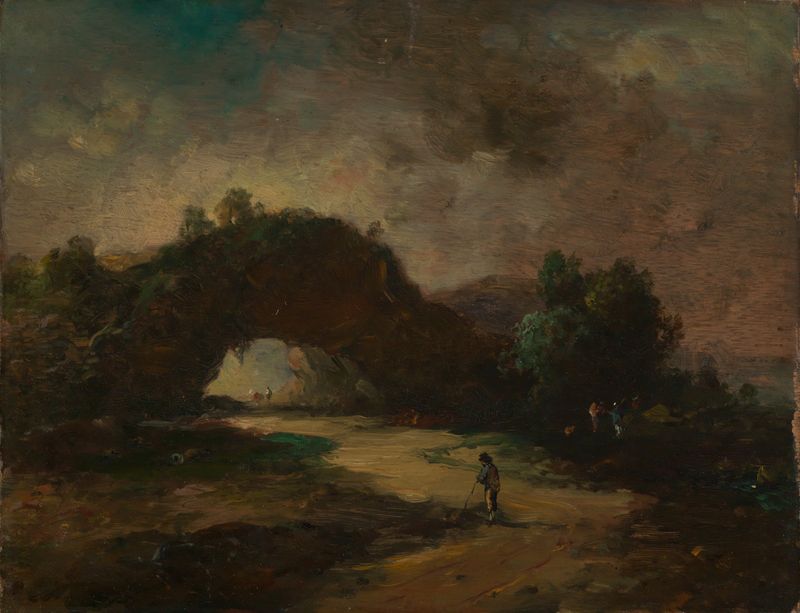
Landschaft mit einem von Buschwerk überwachsenen Felsenbogen
Christian Wilhelm Ernst Dietrich
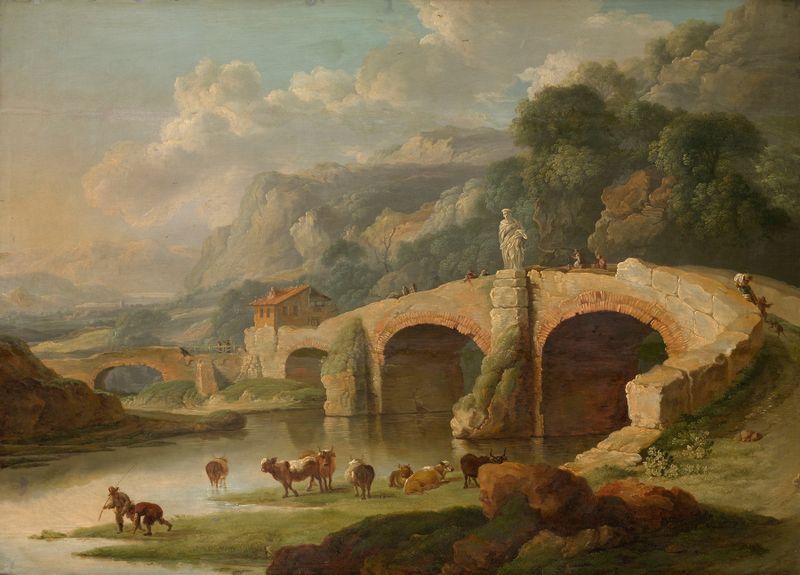
Italian Landscape
Christian Wilhelm Ernst Dietrich
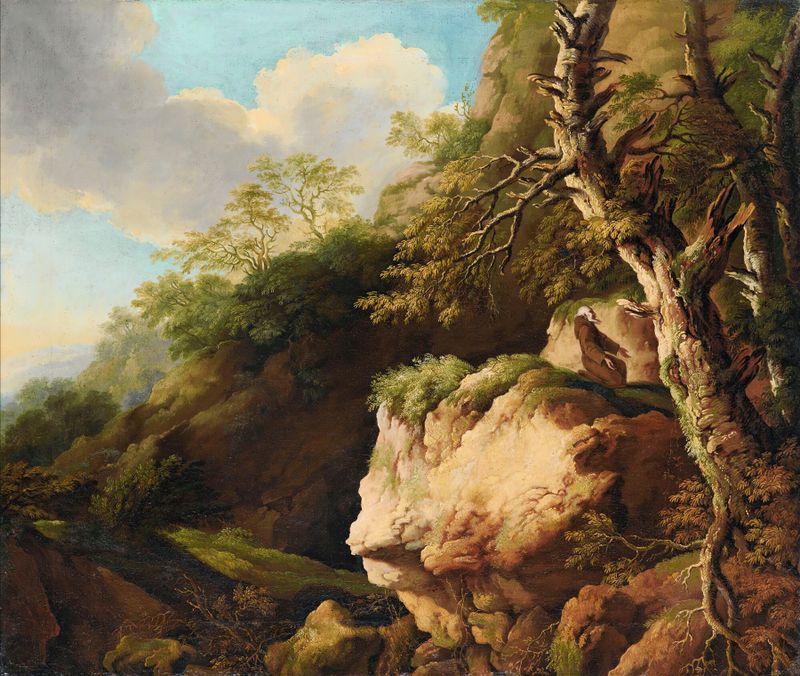
Landscape with a Franciscan monk
Christian Wilhelm Ernst Dietrich
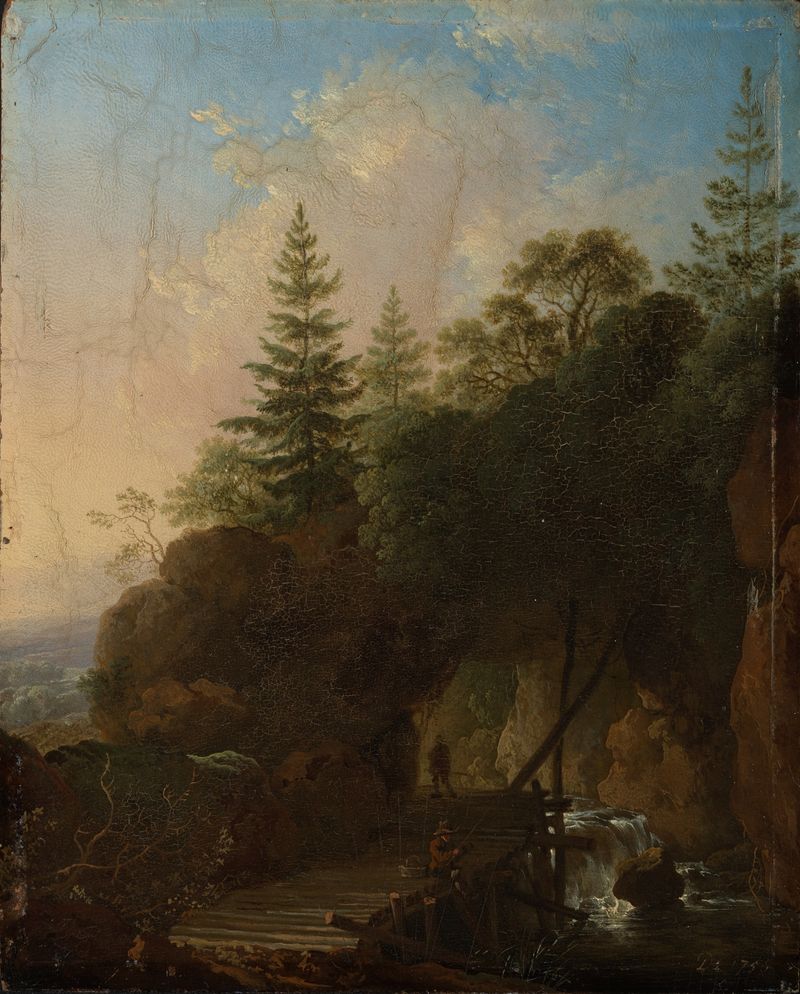
Gebirgslandschaft mit Wasserfall und hölzerner Brücke
Christian Wilhelm Ernst Dietrich

Scene from rural life
Christian Wilhelm Ernst Dietrich
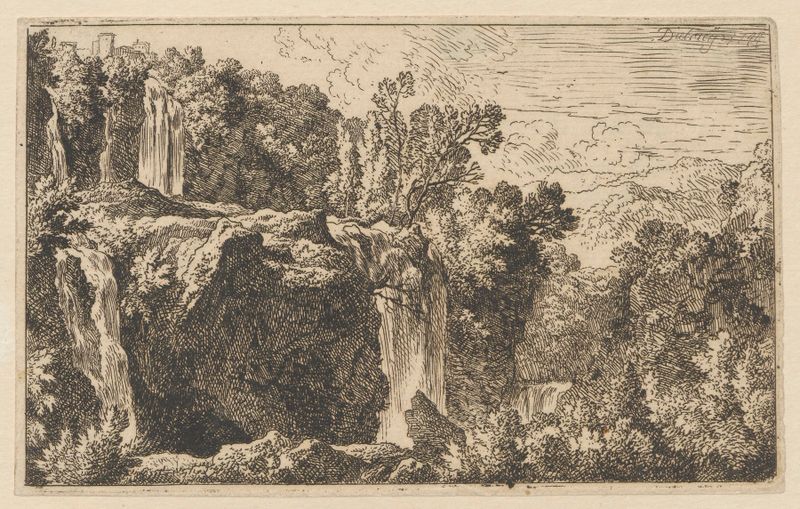
Landscape with a waterfall in Tivoli
Christian Wilhelm Ernst Dietrich
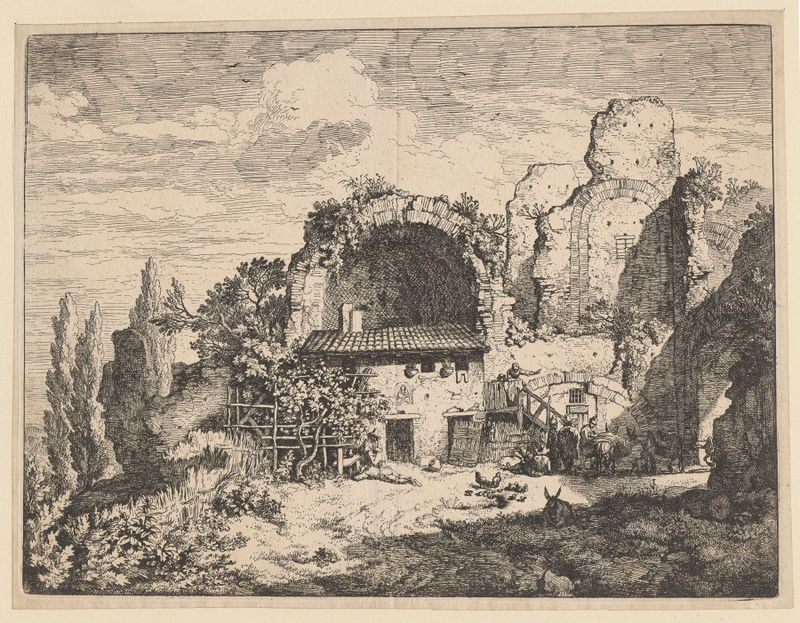
Landscape with ruins and farm buildings
Christian Wilhelm Ernst Dietrich
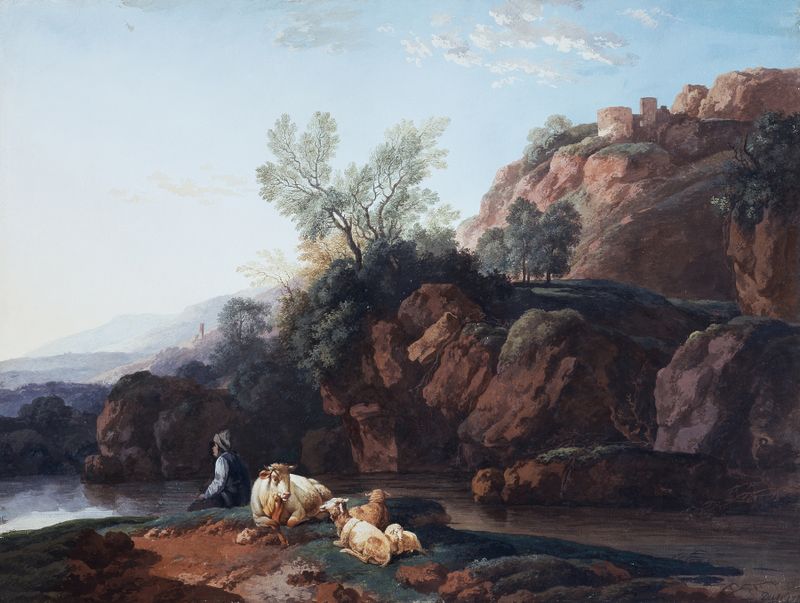
Felsige Gegend an einem Fluß
Christian Wilhelm Ernst Dietrich

Landscape with a nymph sitting on a rock and two cupids
Christian Wilhelm Ernst Dietrich
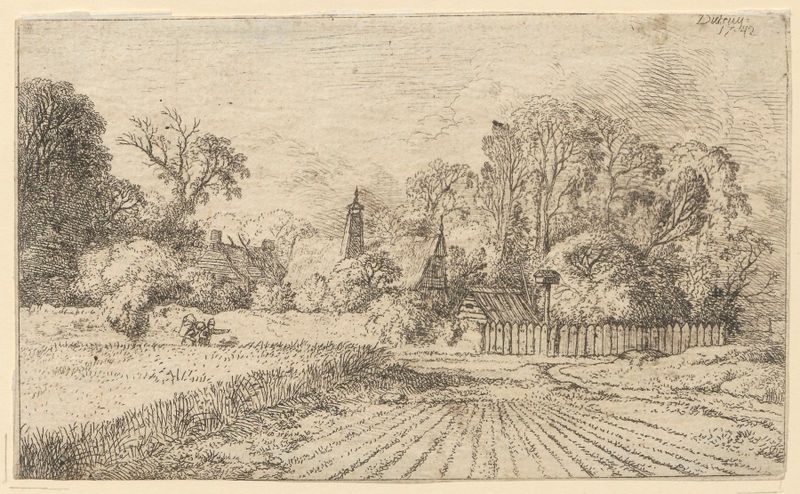
Landscape with rural buildings (Road next to a corn field)
Christian Wilhelm Ernst Dietrich





