
Femme à sa toilette — History & Facts
In Femme à sa toilette, we see a woman seated at her dressing table, surrounded by soft, muted colors. The palette features warm tones of cream, beige, and hints of pastel, creating a serene atmosphere. The figure is elegantly dressed, with her hair styled, reflecting the fashion of the time.
The setting is intimate, suggesting a moment of personal care and reflection. The painting is executed in oil on canvas, showcasing Fantin-Latour's skillful brushwork and attention to detail. The textures of the fabrics and the delicate play of light on the woman's face and the objects around her are particularly noteworthy. The composition is balanced, drawing the viewer's eye to the subject while allowing the surrounding elements to complement her presence.
This work exemplifies the Realism style, focusing on everyday moments. Henri Fantin-Latour was known for his still lifes and portraits, often capturing the essence of 19th-century life. Femme à sa toilette reflects his interest in the private lives of women, a theme that resonates throughout his body of work. An interesting fact about this painting is that it was created during a period when women were increasingly stepping into the public sphere, yet still engaged in traditional domestic roles.
This duality is subtly captured in the work, making it a significant piece in his oeuvre.
More Artworks by Henri Fantin-Latour
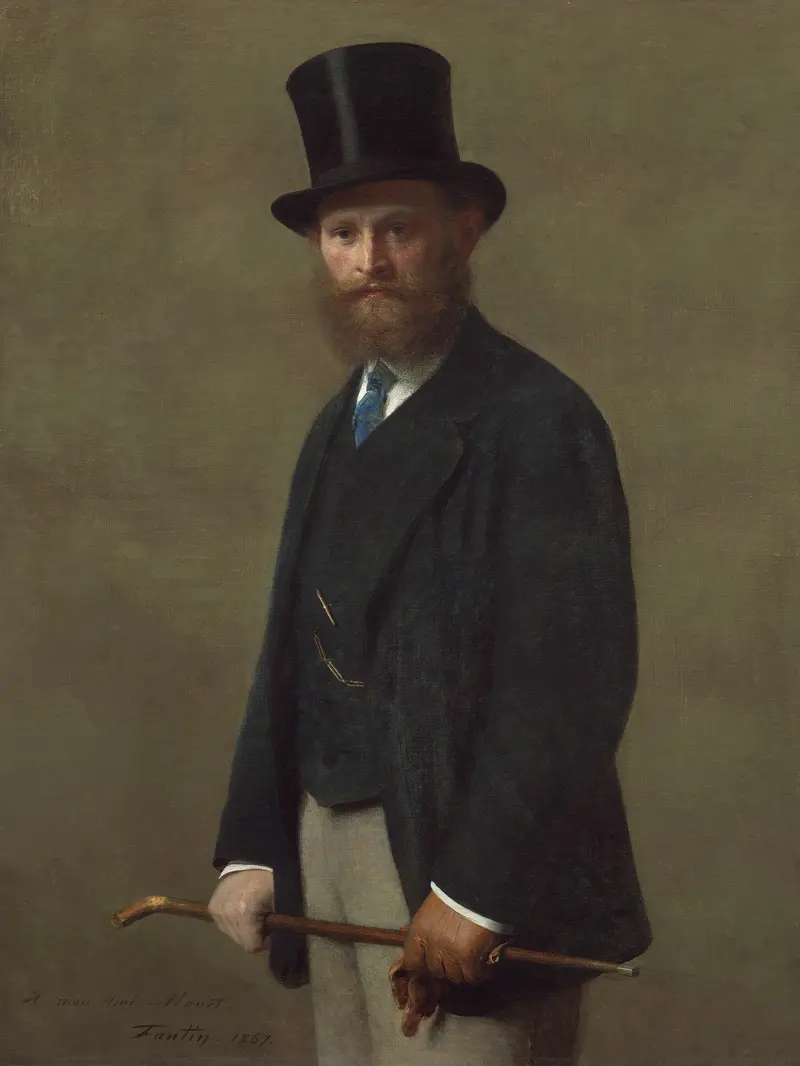
Édouard Manet
Henri Fantin-Latour
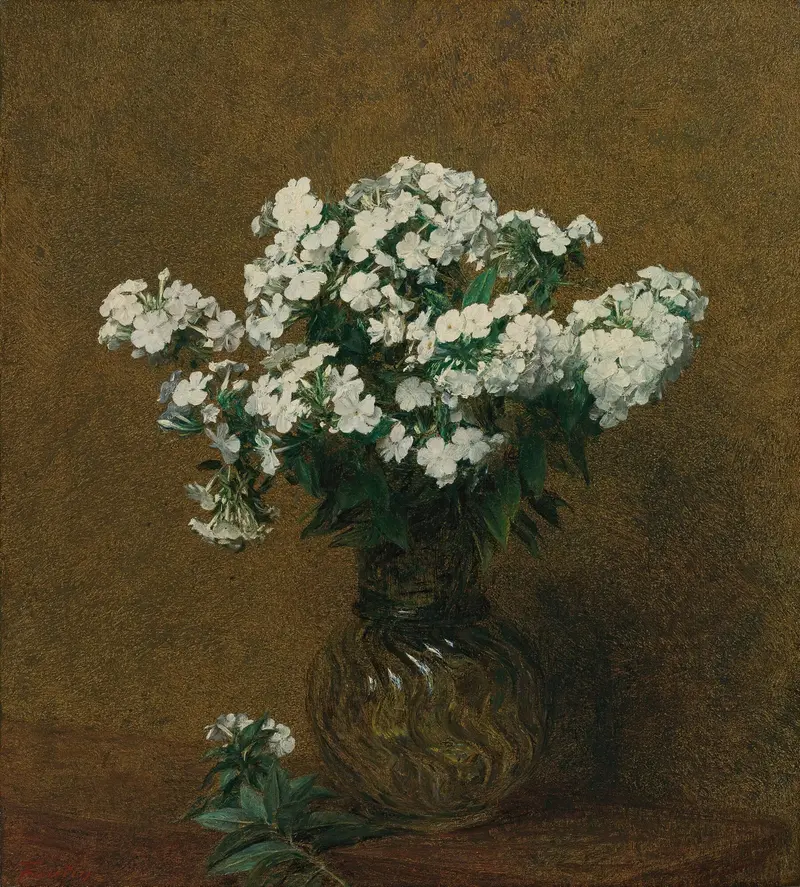
Phlox Blancs Dans Un Vase
Henri Fantin-Latour
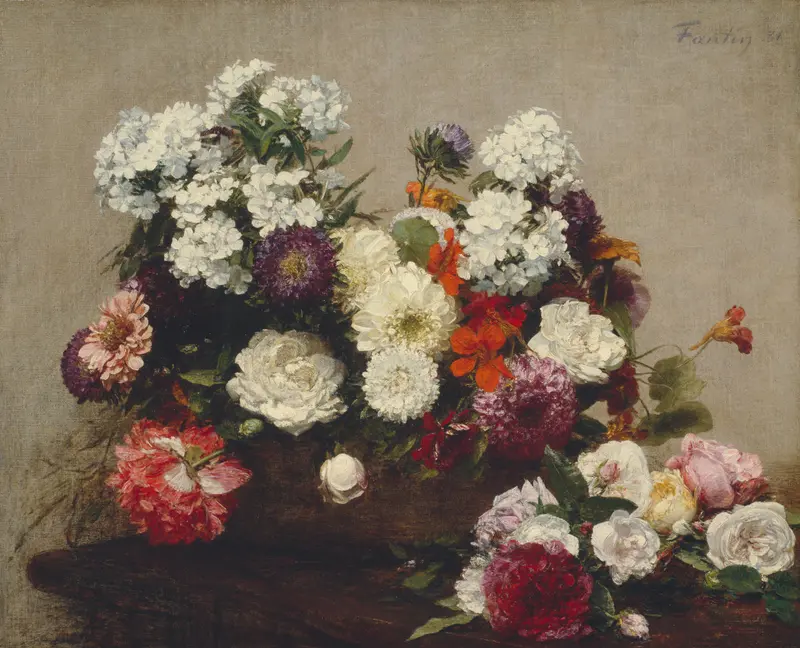
Still Life with Flowers
Henri Fantin-Latour
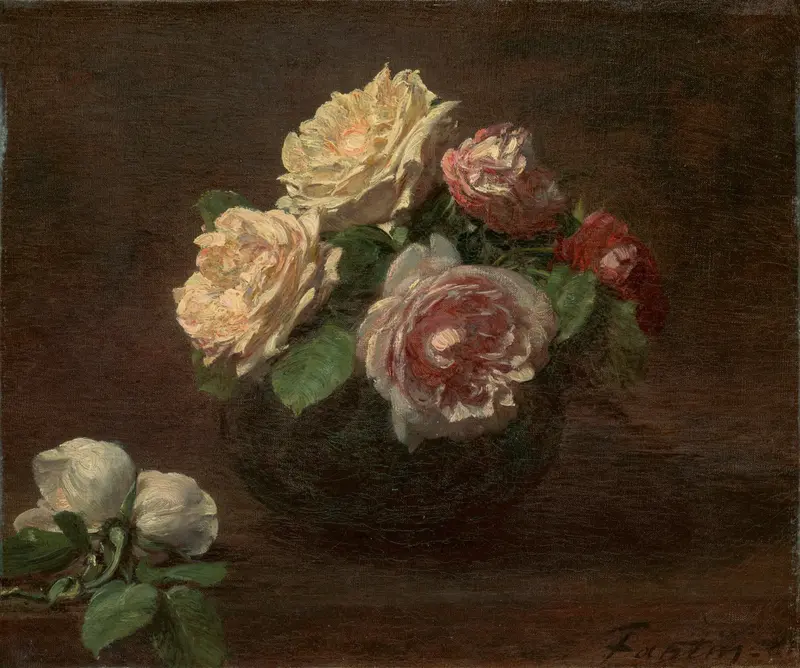
Roses in a Bowl
Henri Fantin-Latour
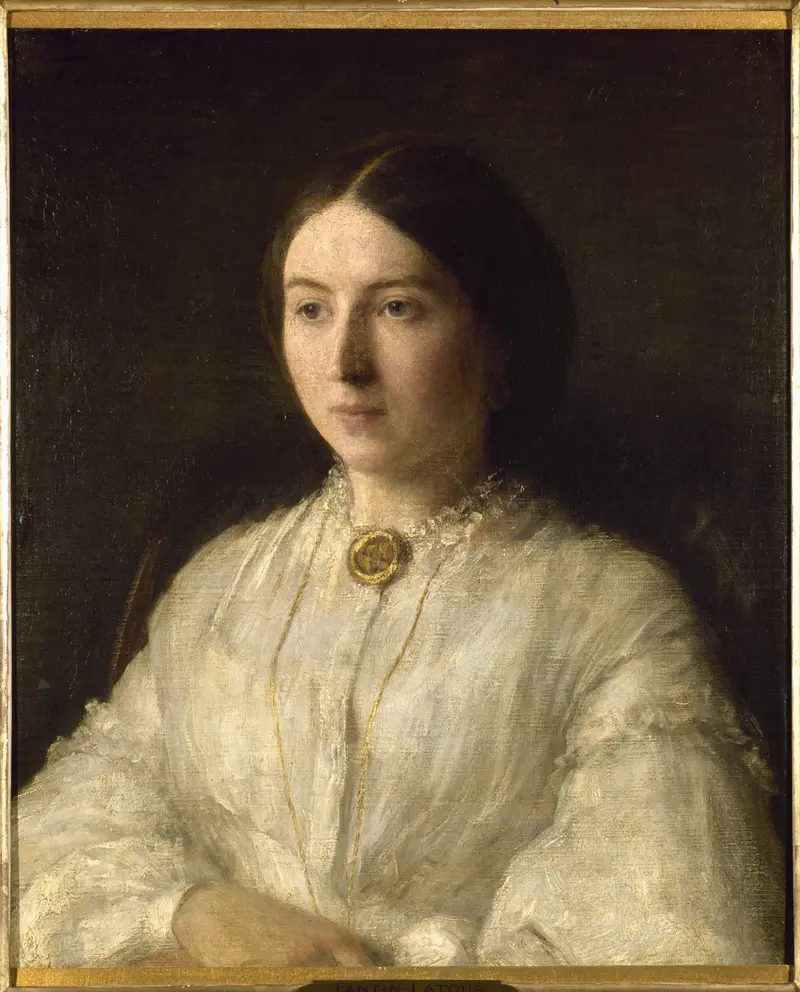
Portrait de Mme Edwin Edwards
Henri Fantin-Latour
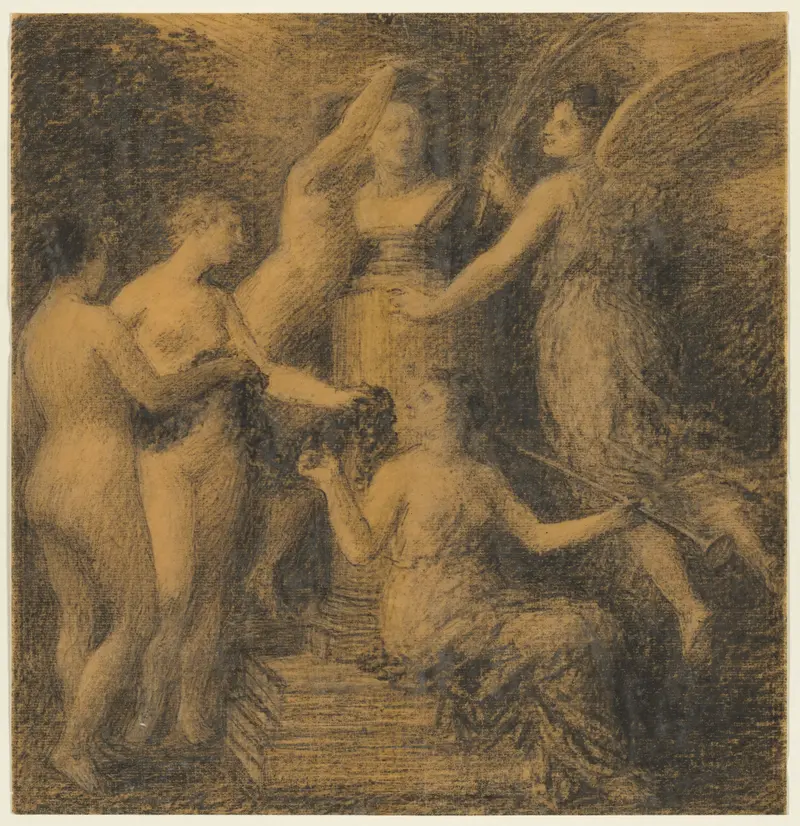
Homage to Rossini
Henri Fantin-Latour
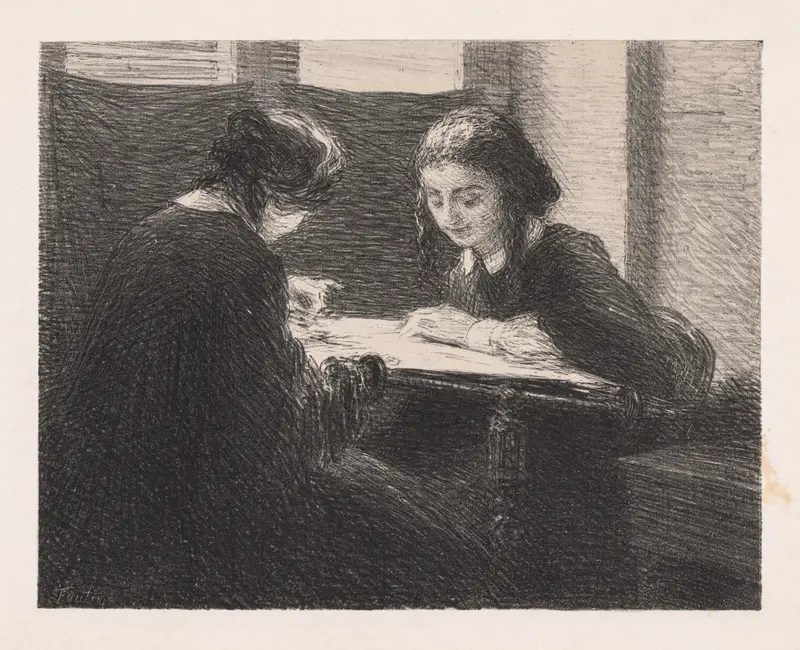
The Embroideres (Les Brodeuses)
Henri Fantin-Latour
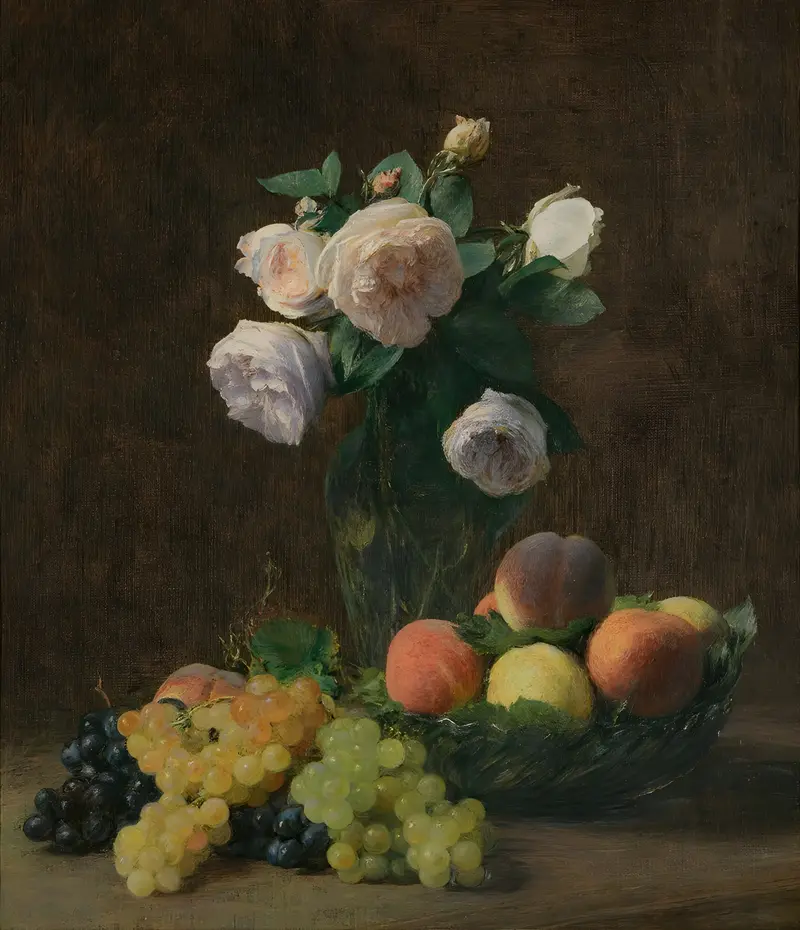
Nature Morte; Vase De Roses, Pêches Et Raisins
Henri Fantin-Latour
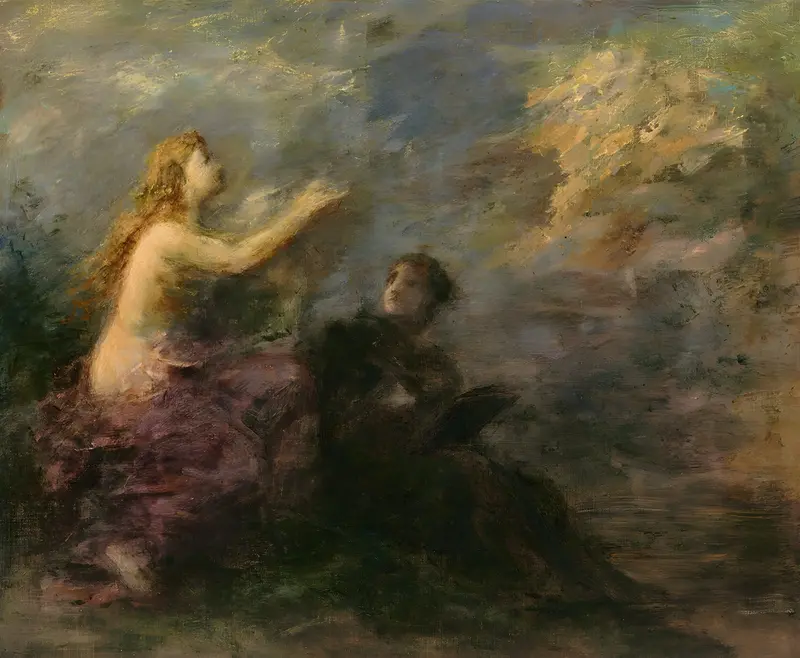
Inspiration
Henri Fantin-Latour
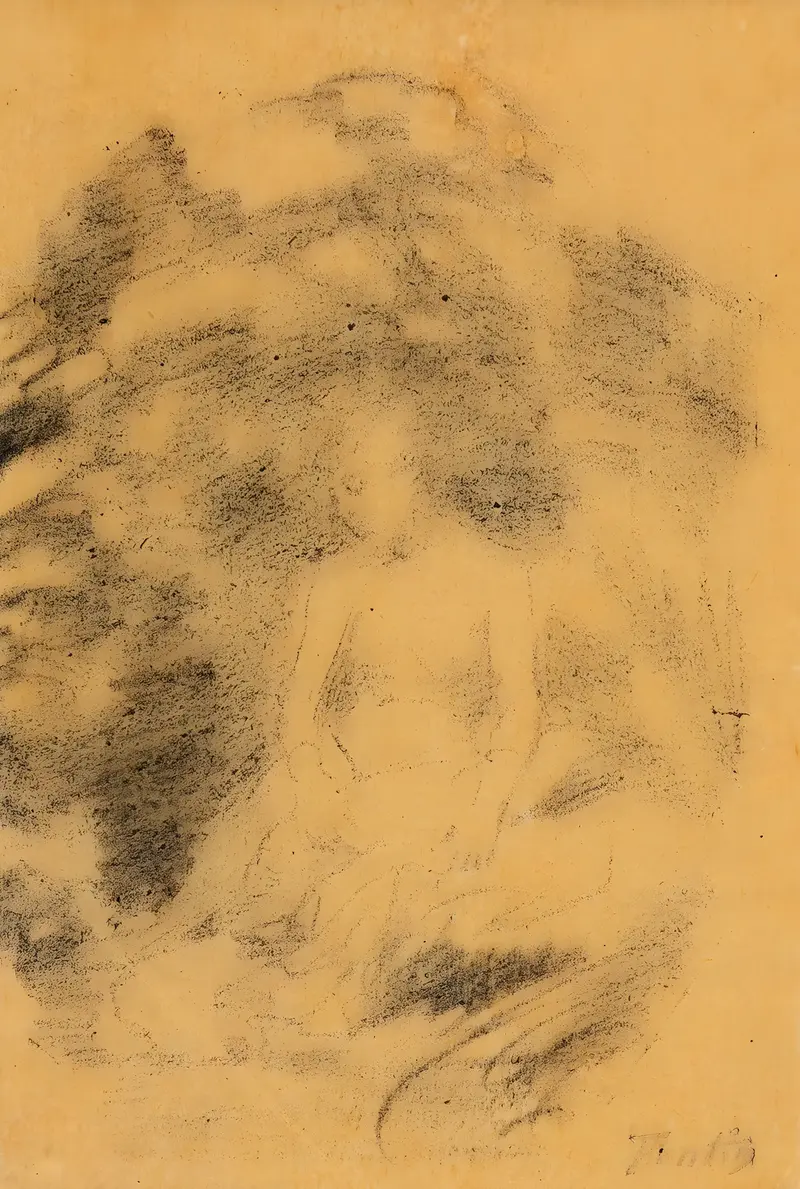
Nude study
Henri Fantin-Latour





