
Femme dans un hamac — History & Facts
When did color learn to lie? The interplay of light and shadow in this piece invites a reflection on truth and illusion, coaxing viewers into a deeper contemplation of reality. Look to the center where a woman reclines in a hammock, her figure enveloped in soft, yet striking hues. Notice how the light illuminates her skin while creating a delicate contrast with the surrounding dark shadows. The gentle curves of her body are painted with a fluidity that exudes both comfort and vulnerability, while the rich, earthy tones of the background ground the scene in an intimate, yet somewhat ambiguous space. Behind the serene exterior lies a tension between the subject's tranquility and the weight of her surroundings.
The enveloping shadows suggest a depth of emotion, perhaps hinting at isolation or introspection. The juxtaposition of light and dark not only reveals the woman's physical form but also invites us to ponder the complexities of her inner world, making the viewer question what lies beneath the surface of her placid expression. Courbet painted this evocative work during a time of artistic upheaval in the mid-19th century, known for challenging traditional aesthetics with realism. Emerging from a society that often upheld conventions, he sought to depict life in all its rawness.
This particular piece resonates with his broader philosophy of art, where nature and human experience converge, reflecting his own journey towards authenticity amidst a changing world.
More Artworks by Gustave Courbet
Browse all →
Marine
Gustave Courbet
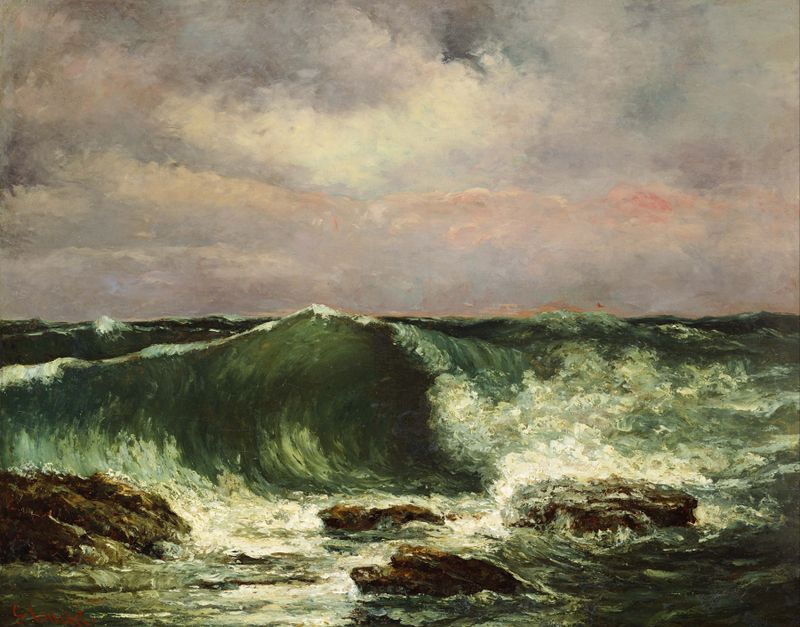
Waves
Gustave Courbet

Étretat; Les Falaises
Gustave Courbet
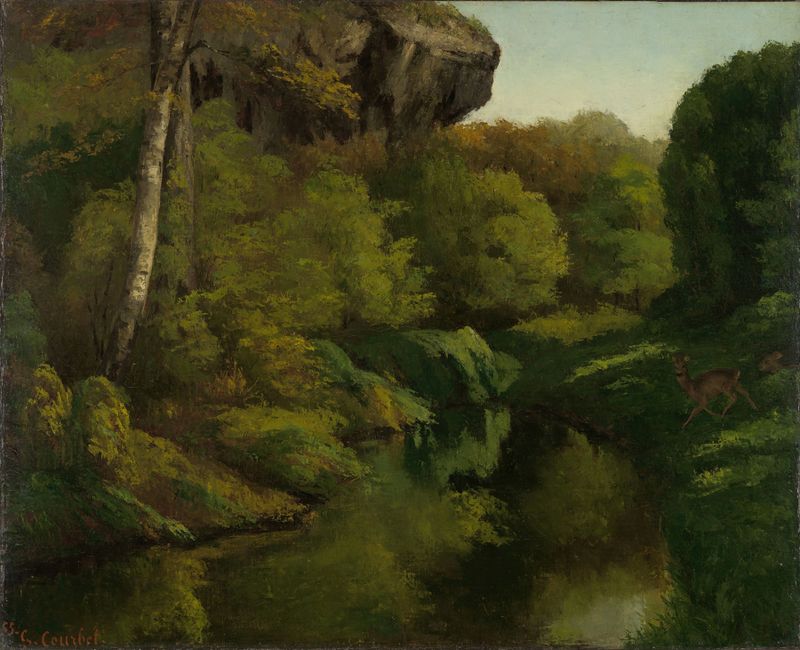
View in the Forest of Fontainebleau
Gustave Courbet
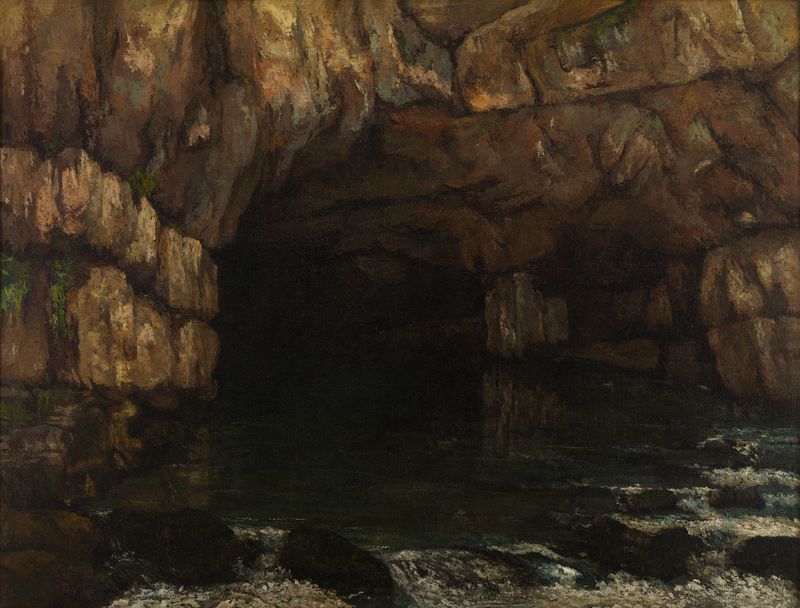
La source de la Loue (The Source of the Loue)
Gustave Courbet

Low Tide at Trouville
Gustave Courbet
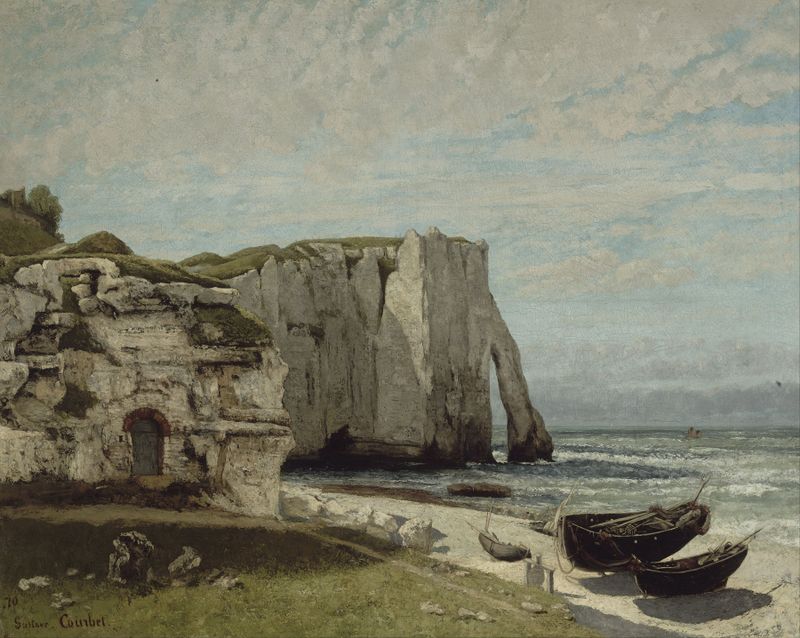
The Etretat Cliffs after the Storm
Gustave Courbet
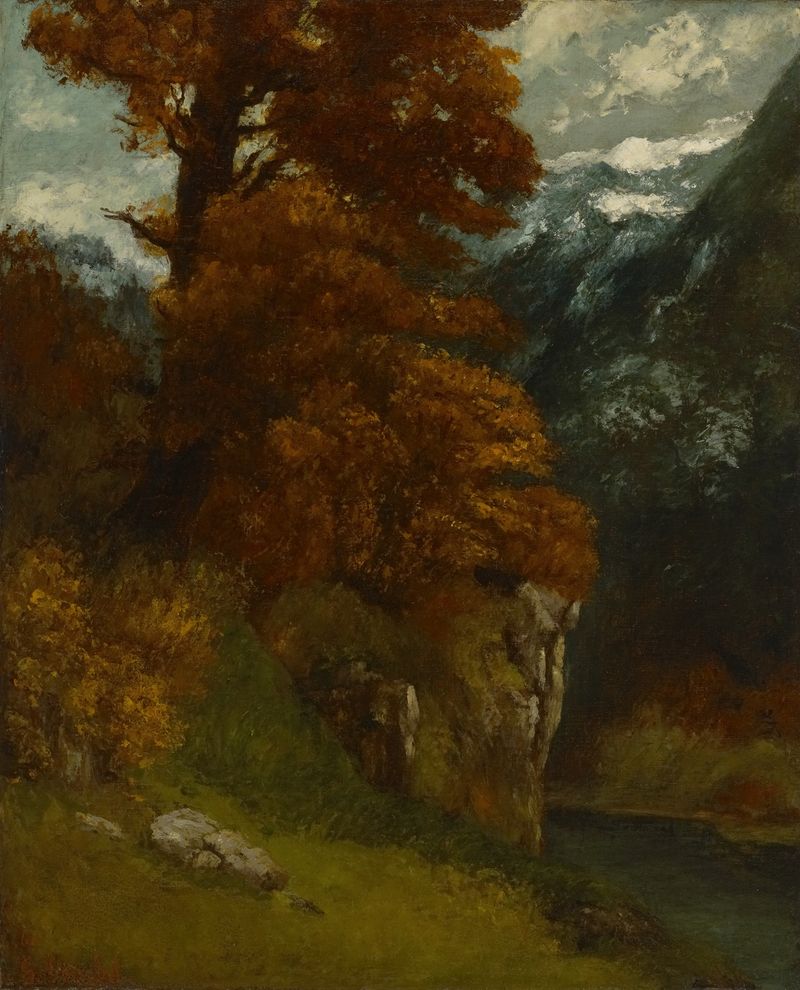
The Glen at Ornans (Bords du Doubs; Effet d’Automne)
Gustave Courbet
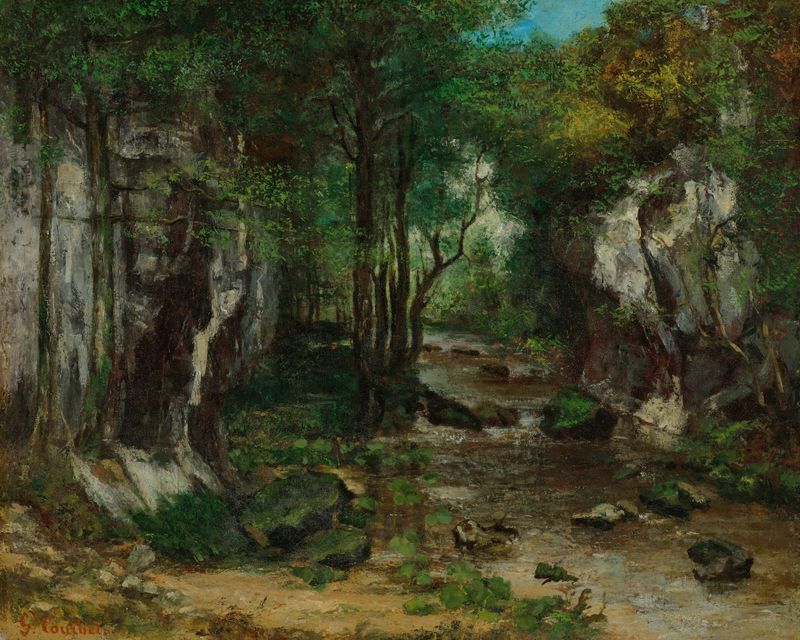
Le Ruisseau de Puits Noir
Gustave Courbet
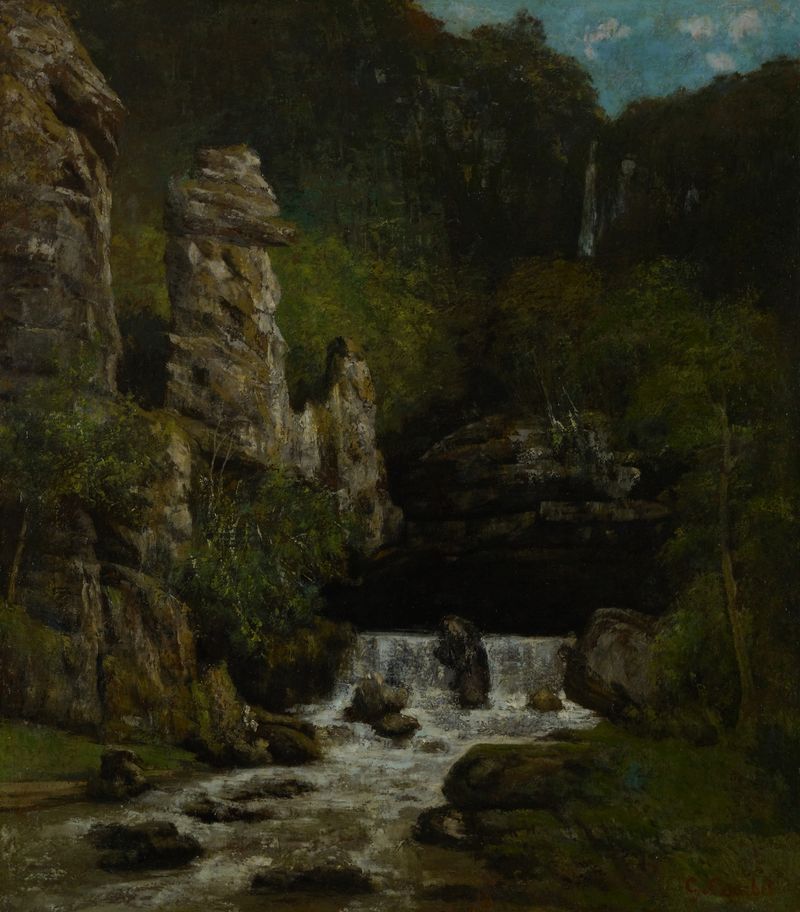
Landscape with a Waterfall
Gustave Courbet





