
Field with Poppies — History & Facts
When did color learn to lie? The vibrant hues of poppy red amidst the green fields evoke an undeniable sense of hope, compelling the viewer to reflect on the deeper truths hidden beneath the surface. Look to the foreground at the wild swath of scarlet petals, each one a brushstroke of passion that draws the eye immediately. Notice how the golden sunlit sky contrasts with the darker, swirling clouds above, creating a tension between light and shadow. The bold impasto technique enlivens the flowers, making them seem to dance in the breeze, while the rhythmic brushwork adds a sense of movement that breathes life into the landscape. The poppies symbolize a fleeting beauty, a reminder of life’s impermanence, juxtaposed with the earthbound wheat fields, representing stability and endurance.
As light plays over the canvas, it suggests a fleeting moment of joy in a world that can often feel chaotic. This harmony between vibrancy and turmoil reveals van Gogh's internal struggles and his quest for solace, reflected in nature’s resilience amidst his own emotional turmoil. In 1889, van Gogh painted this masterpiece while living in the Saint-Paul-de-Mausole asylum in Saint-Rémy-de-Provence, France. During this period, he grappled with his mental health challenges, yet he found solace in the natural world surrounding him.
This work emerged from a time when he was exploring the interplay of color and emotion, pushing the boundaries of impressionism and laying foundational stones for expressionism.
More Artworks by Vincent van Gogh
Browse all →
Starry Night
Vincent van Gogh
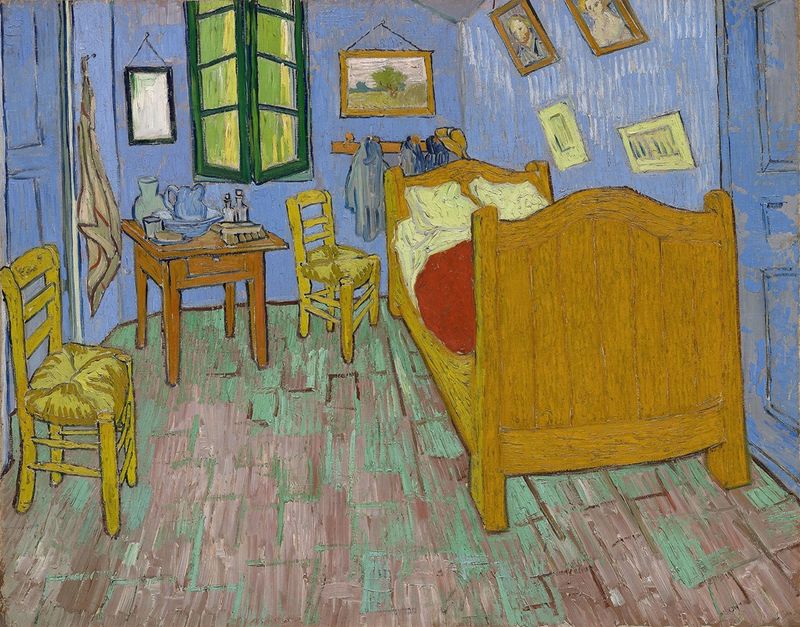
The Bedroom
Vincent van Gogh
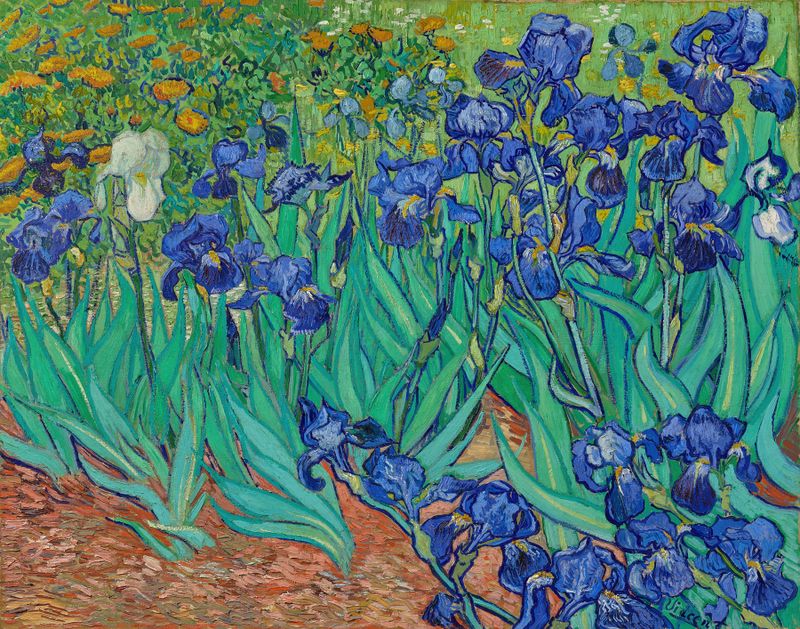
Irises
Vincent van Gogh
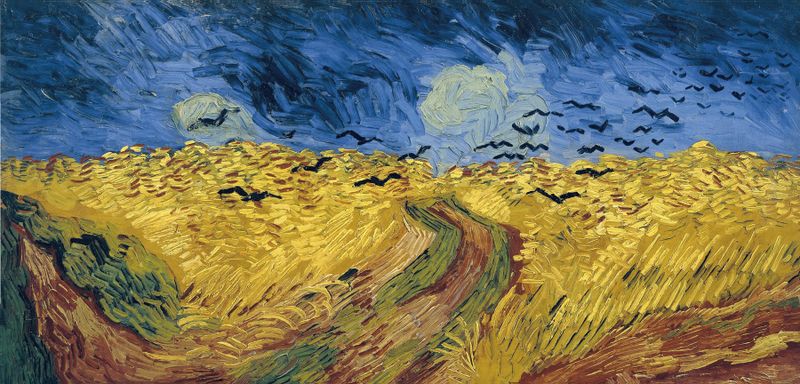
Wheatfield with Crows
Vincent van Gogh
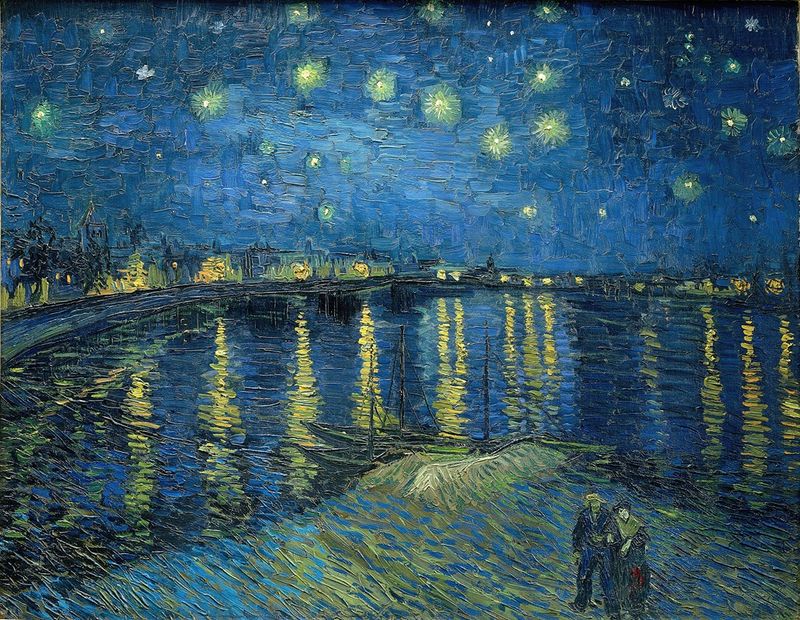
Starry Night over the Rhone
Vincent van Gogh

The yellow house
Vincent van Gogh
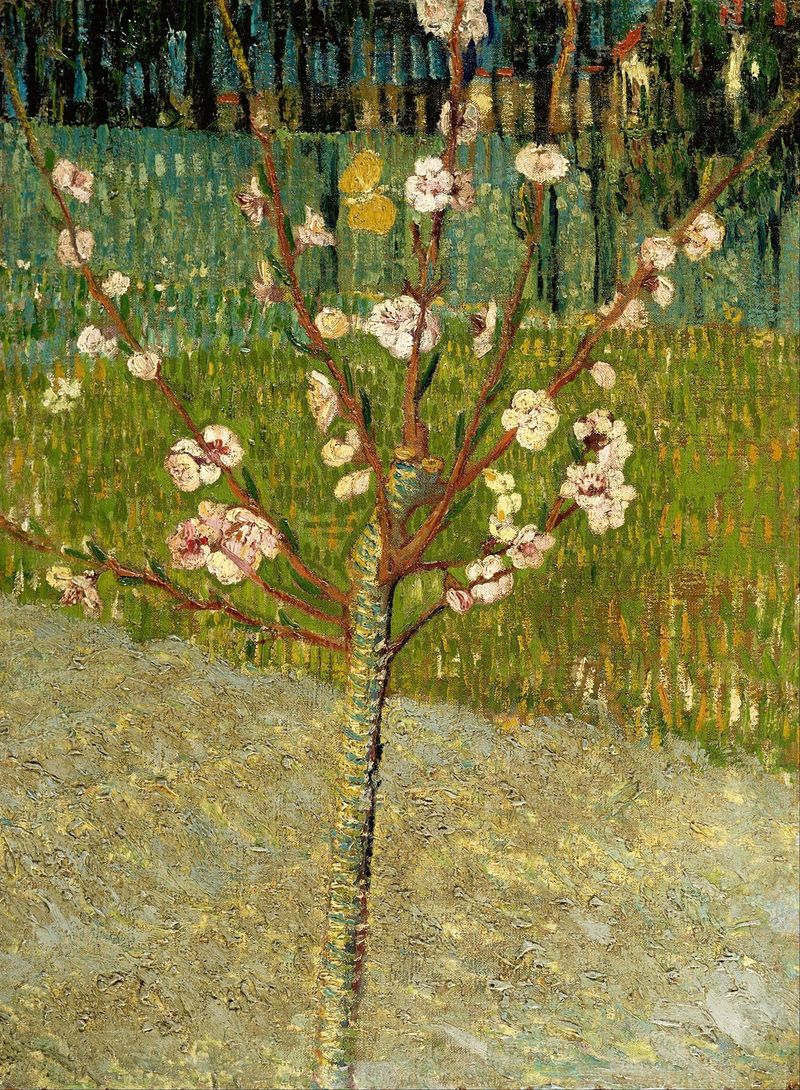
Almond tree in blossom
Vincent van Gogh

Portrait of Dr Gachet
Vincent van Gogh

The Church in Auvers-sur-Oise, View from the Chevet
Vincent van Gogh

Self-Portrait
Vincent van Gogh





