Figures and Animals in a Vineyard — History & Analysis
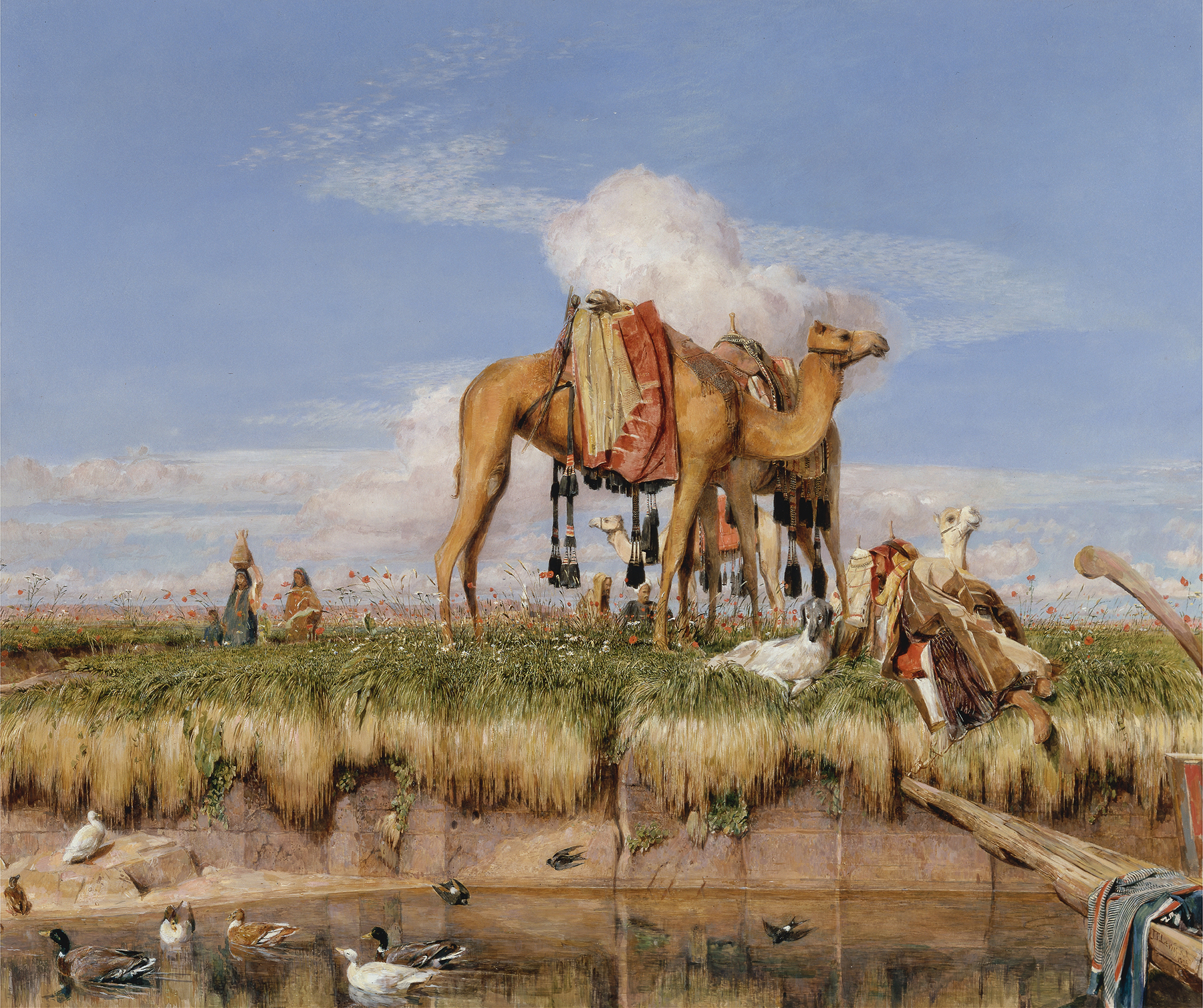
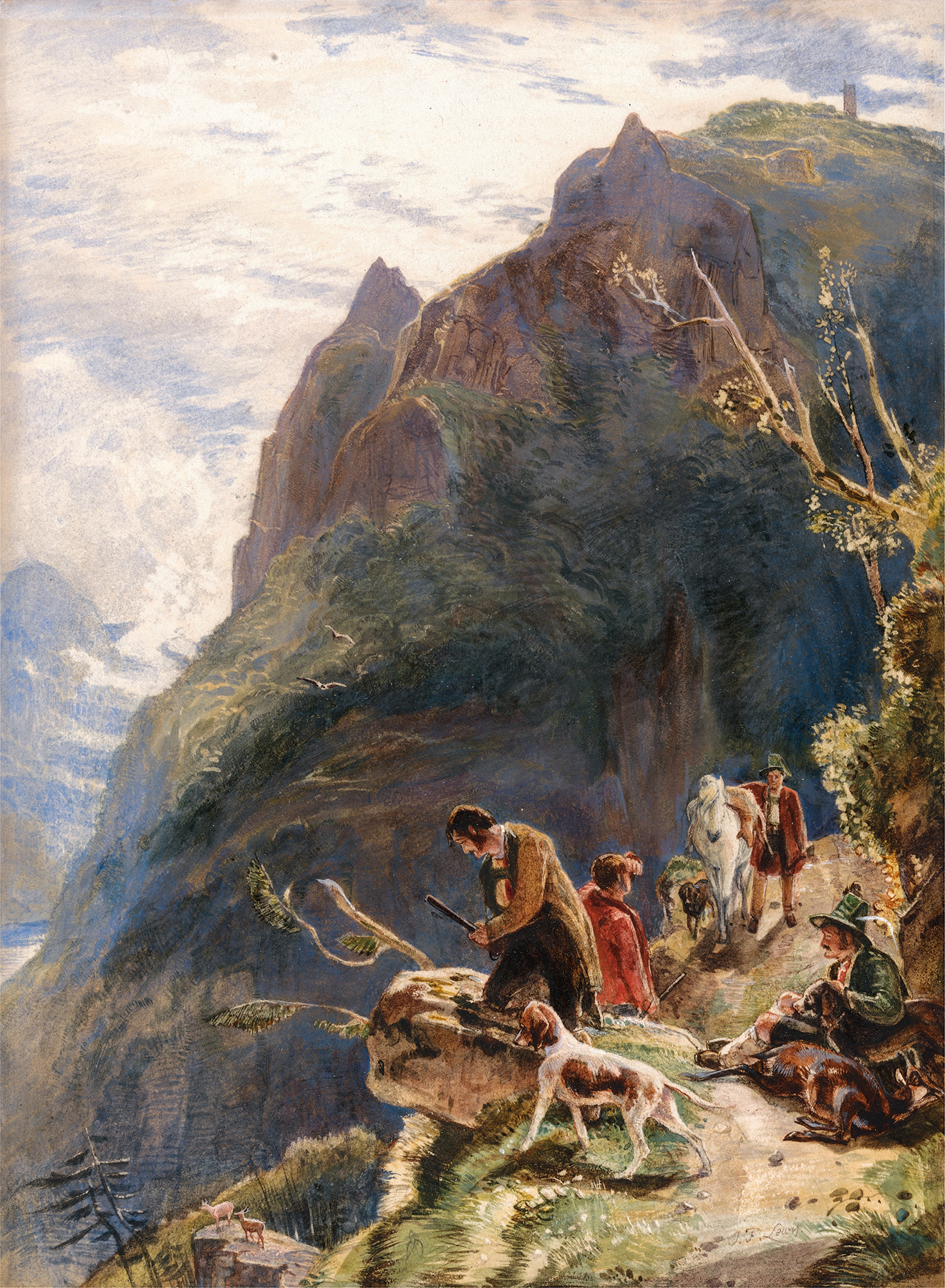
Who listens when art speaks of silence? In Figures and Animals in a Vineyard, the weight of stillness invites contemplation, urging us beyond the canvas into a realm where nature and humanity intertwine. Look to the left at the delicate figures, their postures suggesting a shared moment of reflection amid the lush vineyard. The soft, muted greens and warm earth tones create a harmonious blend that immerses the viewer in tranquility.
Notice how the sunlight filters through the grapevines, casting playful shadows that dance across the figures, enhancing the sense of intimacy while revealing the artist’s meticulous attention to detail. Each brushstroke whispers a narrative of coexistence, a fleeting capture of the everyday. Delve deeper into the painting and observe the subtle tensions at play: the juxtaposition of human activity against the serene backdrop of nature serves as a meditation on the relationship between labor and leisure. The animals present, seemingly at ease, embody a quiet transcendence, reminding us of the harmony that can exist between man and beast in this pastoral setting.
In the distance, the undulating hills frame the vineyard, suggesting that life, like the grapes, is both cultivated and wild, an intricate balance of control and freedom. Created in 1829, this work emerged during a period where Lewis was deeply engaged with Eastern themes and landscapes, having been influenced by his travels. Living in London at the time, he was part of a burgeoning wave of art that embraced realism and detail, establishing an appreciation for everyday scenes and the beauty within them. Such influences shaped his vision, allowing him to capture a serene moment that resonates with the universal experience of connection to the land.