
Fin Du Travail — History & Facts
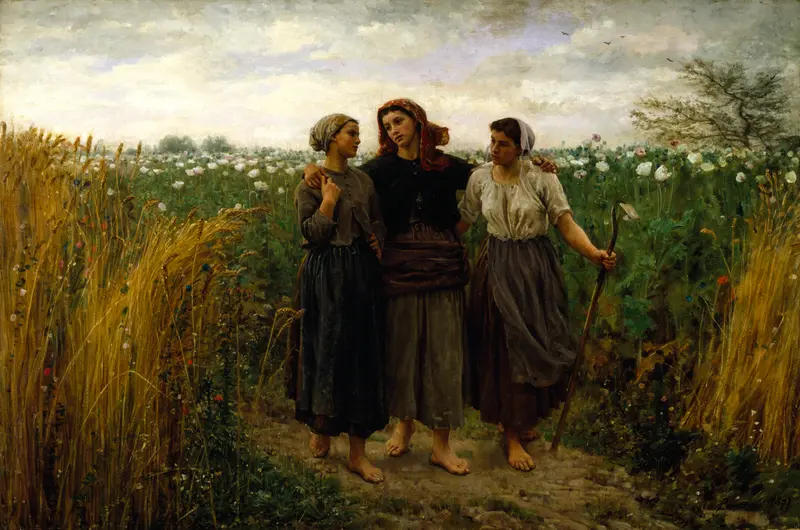
In Fin Du Travail, Jules Breton depicts a serene rural scene at dusk. The painting features laborers returning home after a long day, their figures silhouetted against a warm, golden sky. Rich earth tones dominate the landscape, with hints of green from the fields.
The overall atmosphere conveys a sense of peace and fulfillment at the end of the workday. The painting is executed in oil on canvas, showcasing Breton's skill in capturing light and texture. The brushwork is detailed yet fluid, allowing for a natural representation of the figures and the surrounding landscape. The use of color enhances the emotional impact, with warm hues evoking a sense of nostalgia.
Viewers can appreciate the realistic portrayal of rural life in the late 19th century. Jules Breton was known for his depictions of peasant life and rural scenes, often highlighting the dignity of labor. 'Fin Du Travail' is a prime example of his focus on the everyday experiences of working-class individuals. Interestingly, this work reflects the broader Realist movement, which aimed to depict life as it truly was, without romanticization.
Breton's paintings often served to elevate the status of rural workers in society.
More Artworks by Jules Breton

The Song of the Lark
Jules Breton
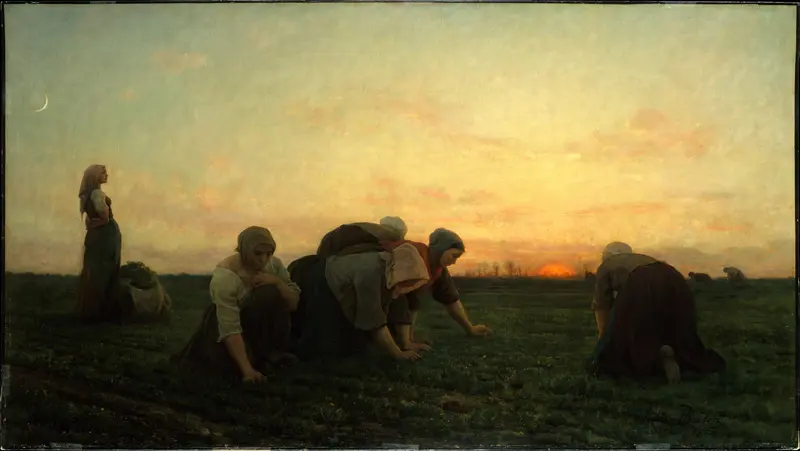
The Weeders
Jules Breton
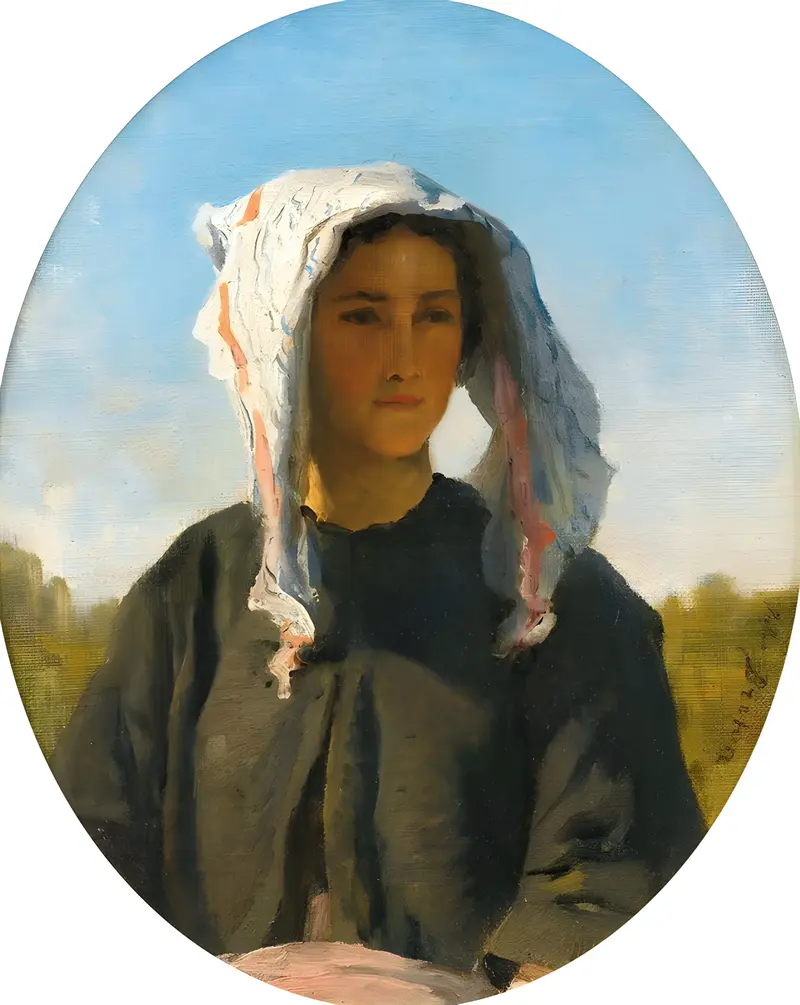
Portrait de jeune Paysanne Bordelaise
Jules Breton
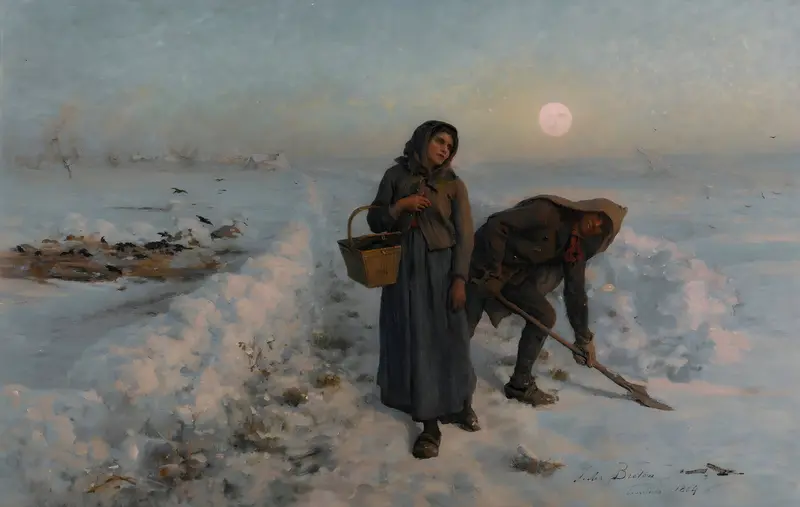
Sur la route en hiver; artois
Jules Breton
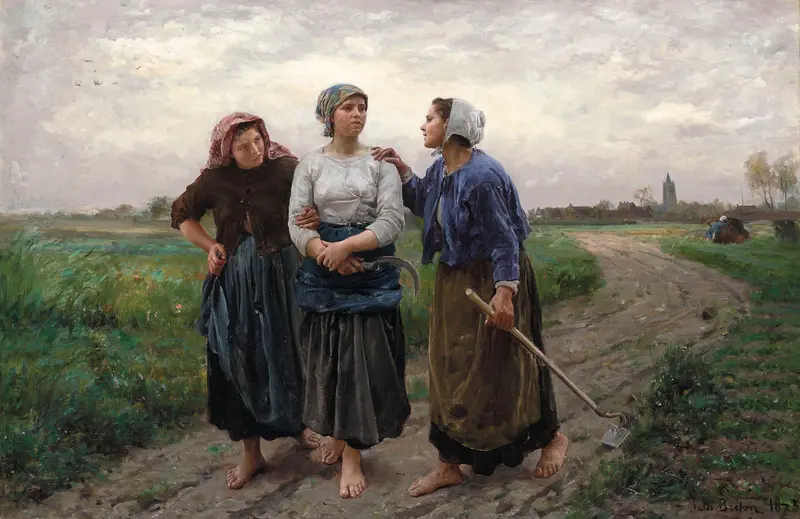
Les amies
Jules Breton
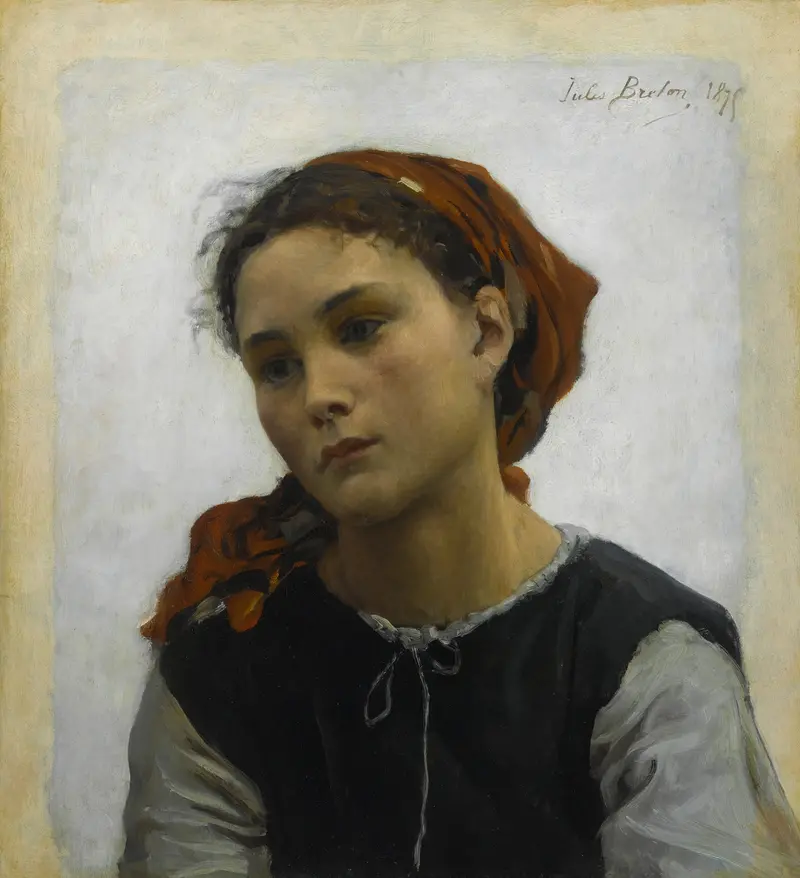
Innocente
Jules Breton
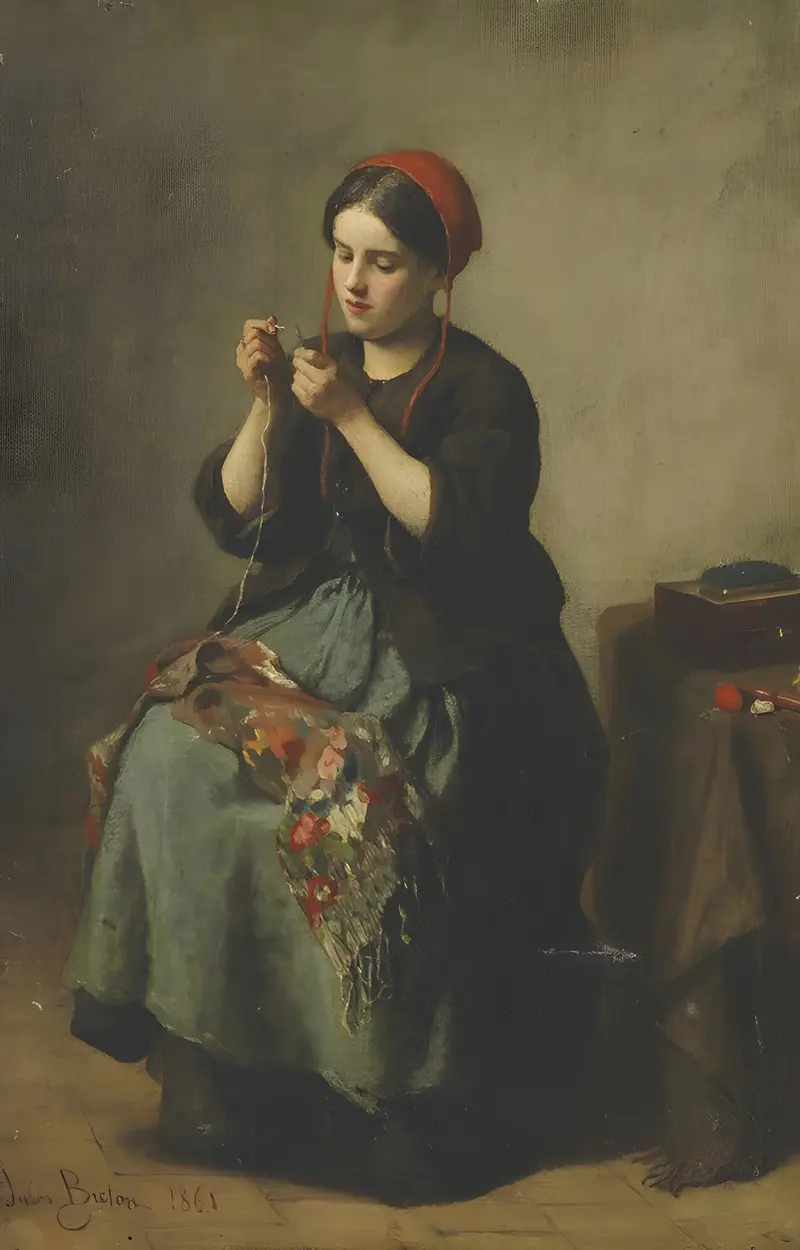
Peasant woman threading a needle
Jules Breton
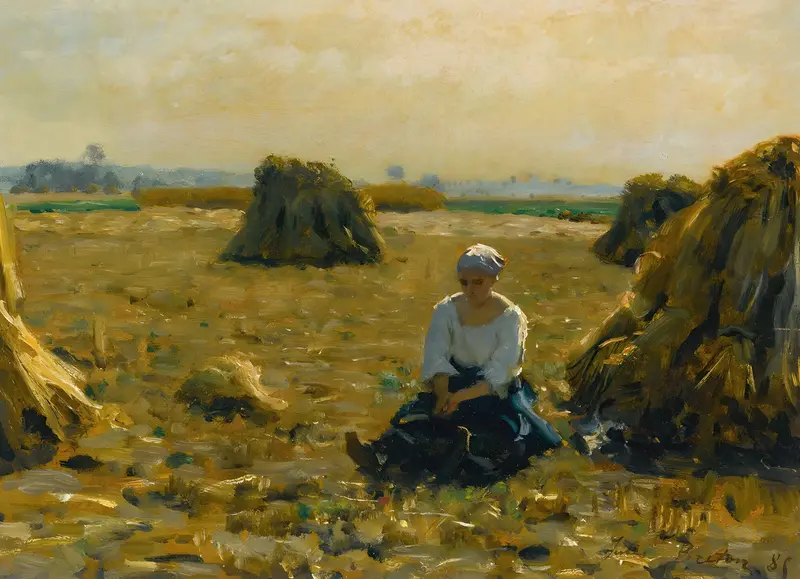
Jeune femme dans les champs
Jules Breton
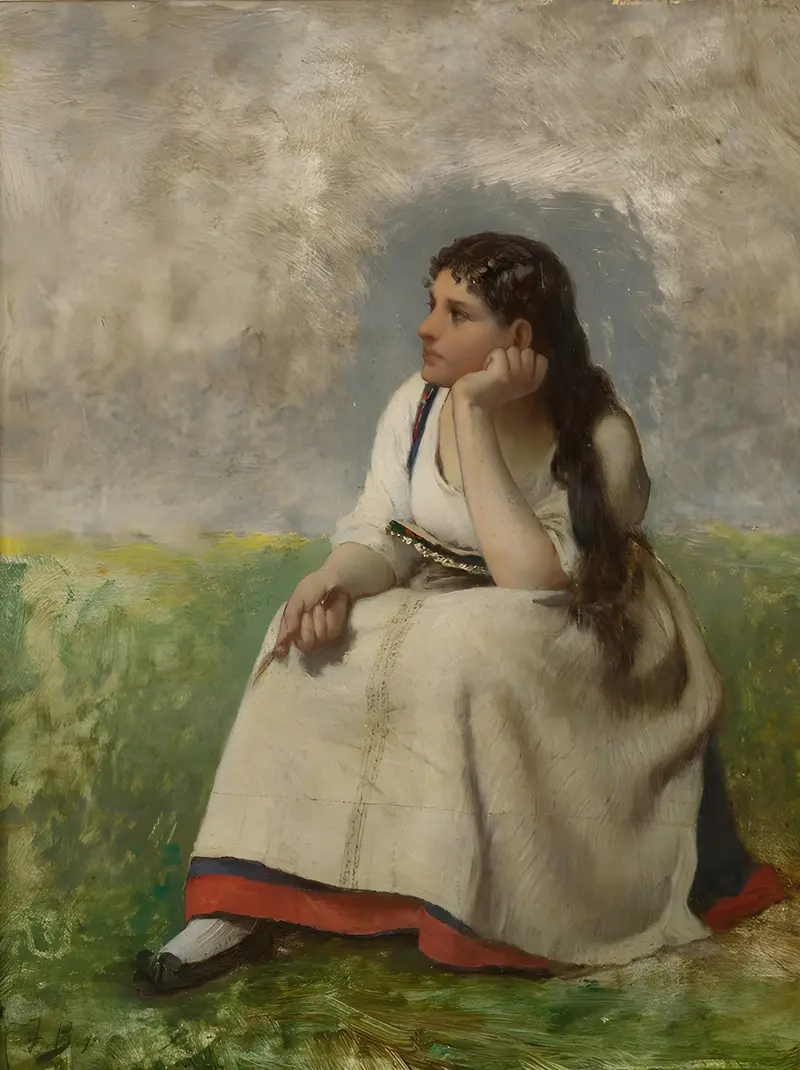
Jeune Fille Pensive
Jules Breton
Returning from the Fields
Jules Breton
More Genre Scene Art

Banquet of the Officers of the St George Civic Guard
Frans Hals

Rembrandt and Saskia in the Scene of the Prodigal Son
Rembrandt van Rijn

Bal du moulin de la Galette
Pierre-Auguste Renoir

Quadrille at the Moulin Rouge
Henri de Toulouse-Lautrec

A Burial at Ornans
Gustave Courbet

When Will You Marry?
Paul Gauguin