
Finale of the Rhinegold — History & Facts
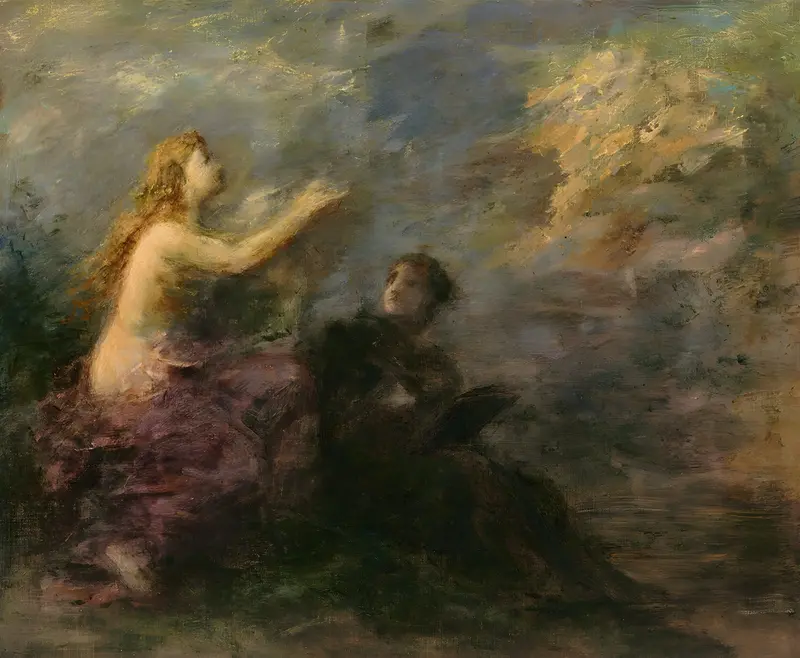
In Finale of the Rhinegold, the viewer is greeted with a vibrant palette dominated by deep blues and rich golds. The composition features a dramatic gathering of figures, likely inspired by Wagner’s opera. The setting appears to be a fantastical landscape, filled with mythical elements and a sense of movement.
The overall atmosphere is one of tension and anticipation, capturing a pivotal moment in the narrative. The painting is executed in oil on canvas, showcasing Fantin-Latour's skillful brushwork and attention to detail. The figures are rendered with a sense of realism, while the background is more abstract, creating a contrast that draws the eye. The dimensions are approximately 100 x 150 cm, making it a significant piece in size.
The use of light and shadow enhances the drama of the scene. Henri Fantin-Latour was known for his still lifes and portraits, but Finale of the Rhinegold represents his engagement with the theatrical and operatic themes of his time. This work was created around 1876, during a period when Wagner's operas were gaining immense popularity. An interesting fact about this painting is that it reflects the influence of music on visual art, as Fantin-Latour sought to capture the emotional intensity of the opera.
This piece stands out as a unique intersection of visual art and performance.
More Artworks by Henri Fantin-Latour
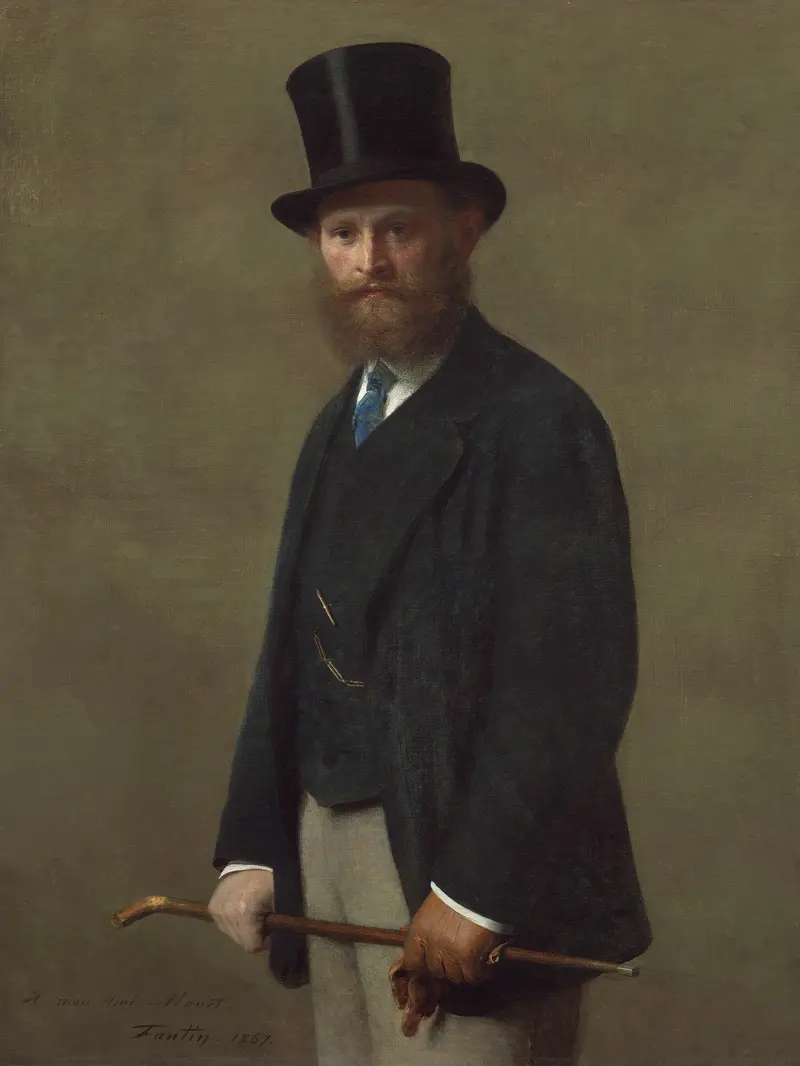
Édouard Manet
Henri Fantin-Latour
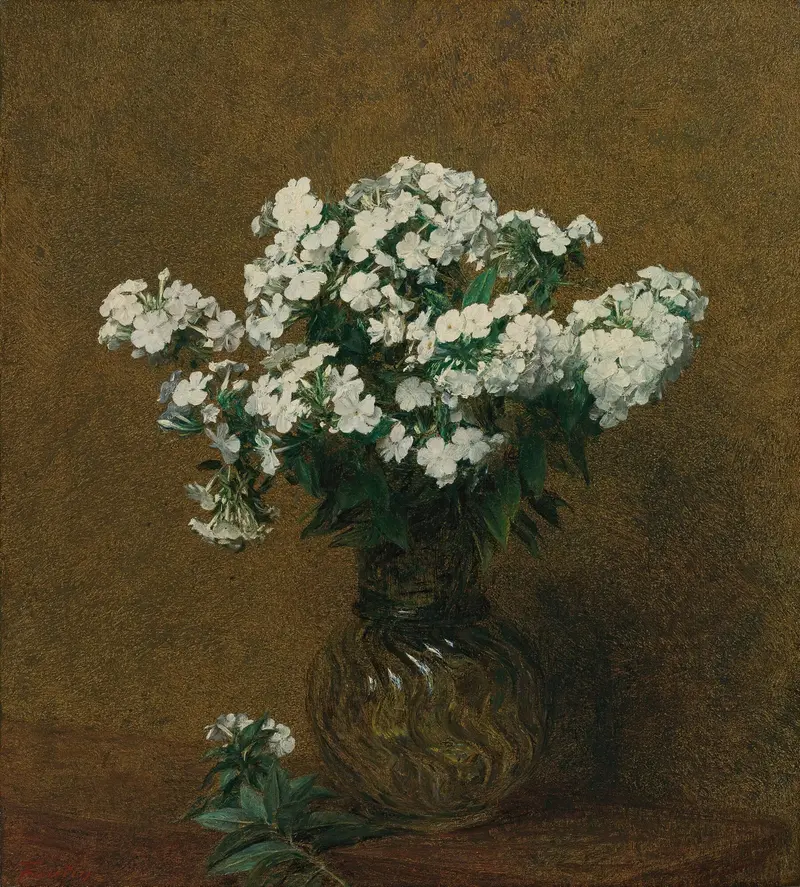
Phlox Blancs Dans Un Vase
Henri Fantin-Latour
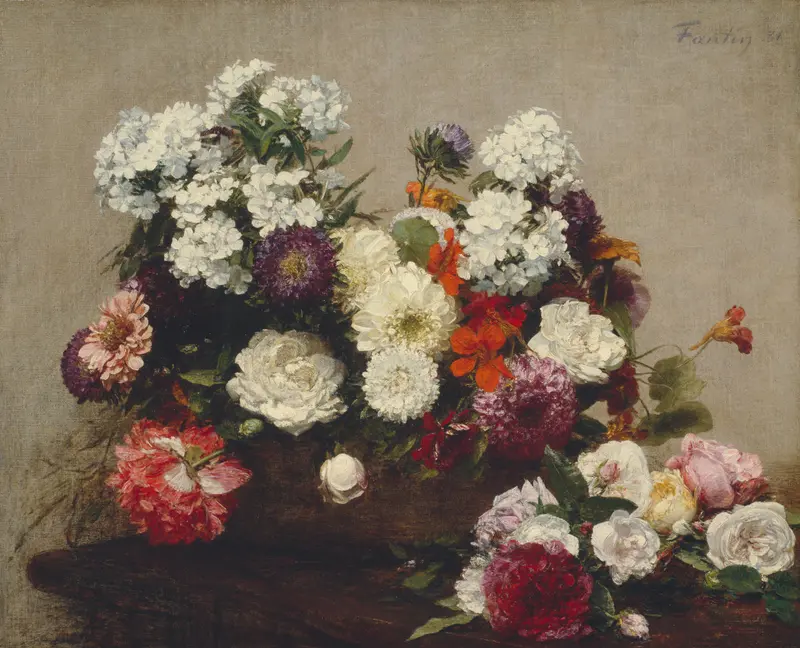
Still Life with Flowers
Henri Fantin-Latour
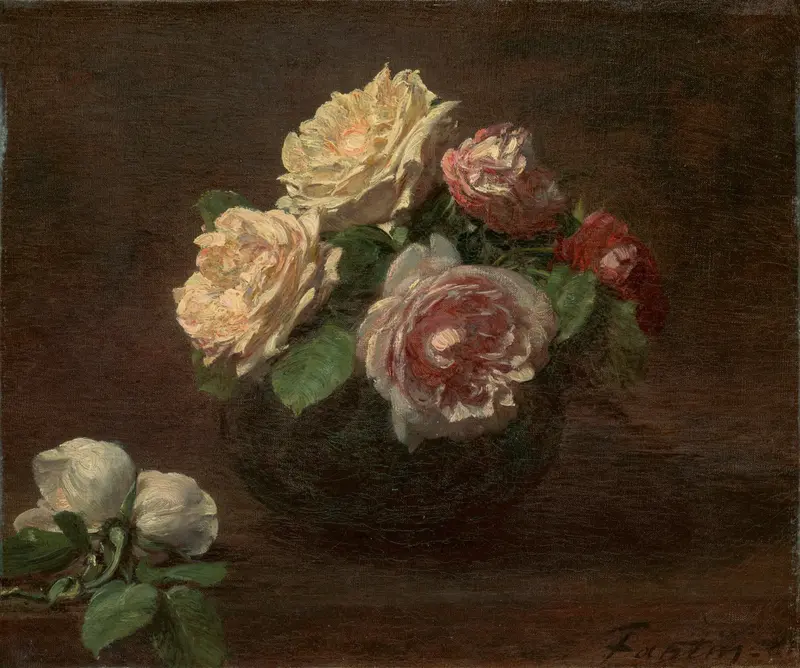
Roses in a Bowl
Henri Fantin-Latour
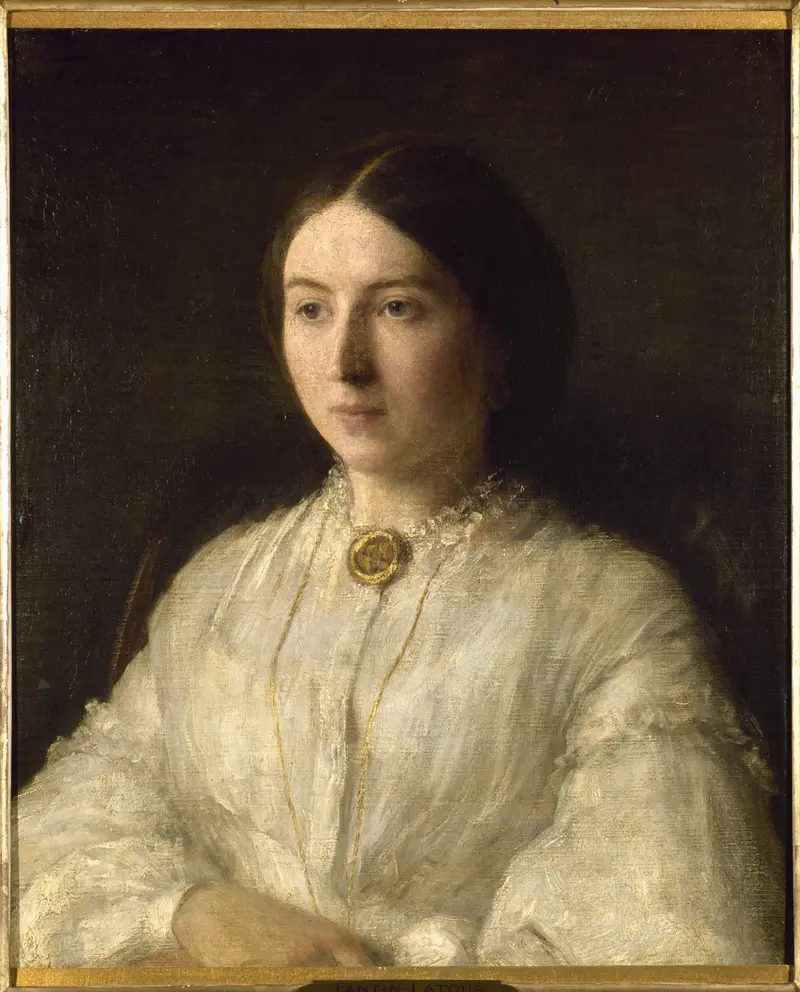
Portrait de Mme Edwin Edwards
Henri Fantin-Latour
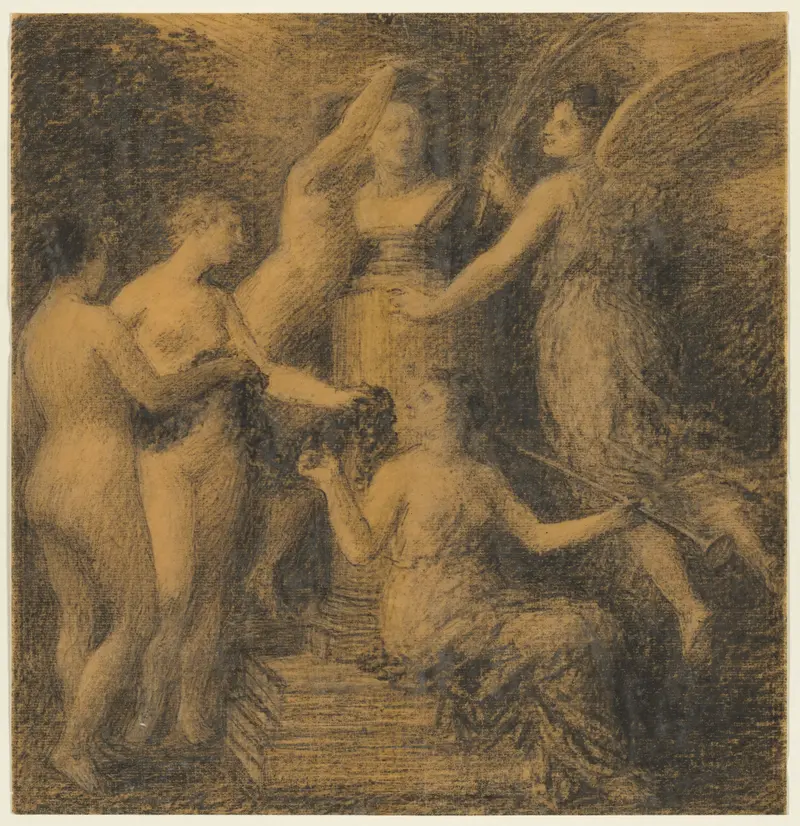
Homage to Rossini
Henri Fantin-Latour
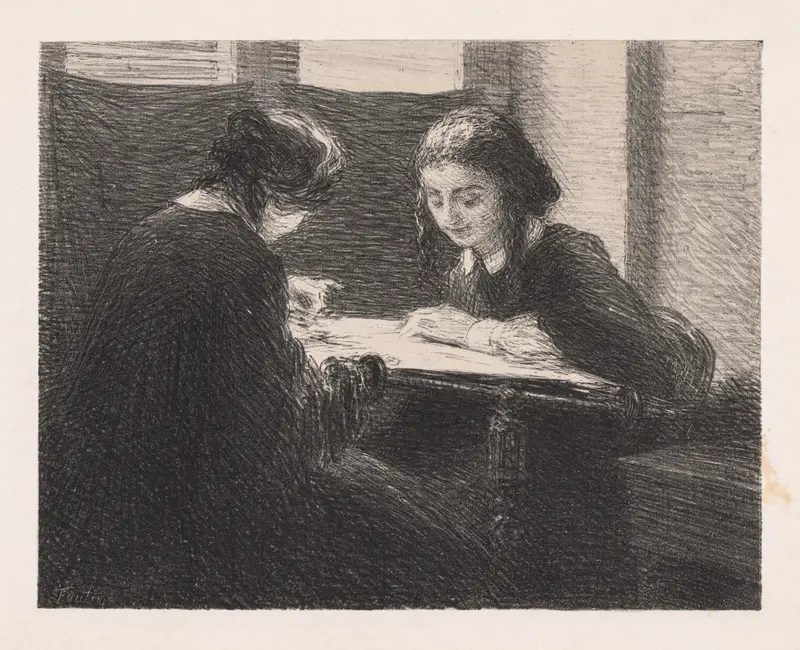
The Embroideres (Les Brodeuses)
Henri Fantin-Latour
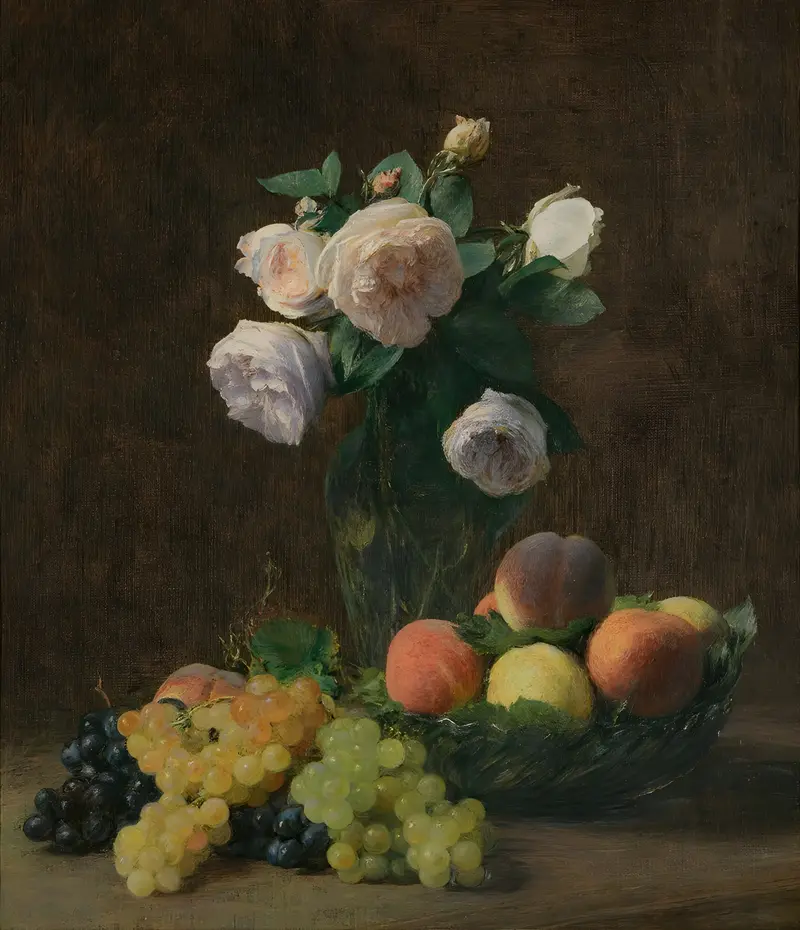
Nature Morte; Vase De Roses, Pêches Et Raisins
Henri Fantin-Latour
Inspiration
Henri Fantin-Latour
Nude study
Henri Fantin-Latour





