
Fire of Rome — History & Facts
In July of 64 AD, flames swept through the heart of ancient Rome, destroying three of its fourteen districts and damaging seven more. The event shocked the Roman world and left a mark on Western imagination for centuries, inspiring tales of Emperor Nero watching the city burn while playing his lyre. Gustave Doré’s Fire of Rome captures this infamous disaster, a subject that has fascinated artists and writers since antiquity.
The precise date and circumstances of Doré’s work remain uncertain, but his choice to revisit this catastrophe links him to a long tradition of artists depicting the chaos and drama of Rome’s darkest hours. Doré’s composition plunges the viewer into the moment when the city is engulfed by fire: panicked citizens flee across a foreground littered with toppled columns and shattered statues, while a river of flames pours through the streets behind them. The artist’s dramatic contrasts of light and shadow heighten the sense of terror, illuminating desperate faces and the crumbling grandeur of Roman architecture. In the distance, the silhouette of a lyre-playing figure—possibly Nero himself—can be glimpsed atop a balcony, a visual nod to the legend that has haunted the emperor’s reputation.
Unlike J.M.W. Turner’s The Burning of the Houses of Lords and Commons, which bathes disaster in a golden haze, Doré’s vision is sharper and more chaotic, emphasizing the human cost amid the spectacle. The history of Fire of Rome as a physical object is shrouded in some mystery. Doré, best known for his engravings and illustrations, produced relatively few large-scale paintings, and it is unclear whether this work was a private commission or intended for public exhibition.
Its current whereabouts are not widely documented, and scholars debate whether it was ever displayed alongside Doré’s more famous biblical and literary scenes. Nevertheless, the painting stands as a testament to Doré’s fascination with epic narrative and his ability to translate historical catastrophe into gripping visual drama. Today, it is often cited as an example of the 19th-century revival of interest in antiquity’s tragedies, bridging the worlds of illustration and historical painting.
More Artworks by Gustave Doré

The Deluge
Gustave Doré
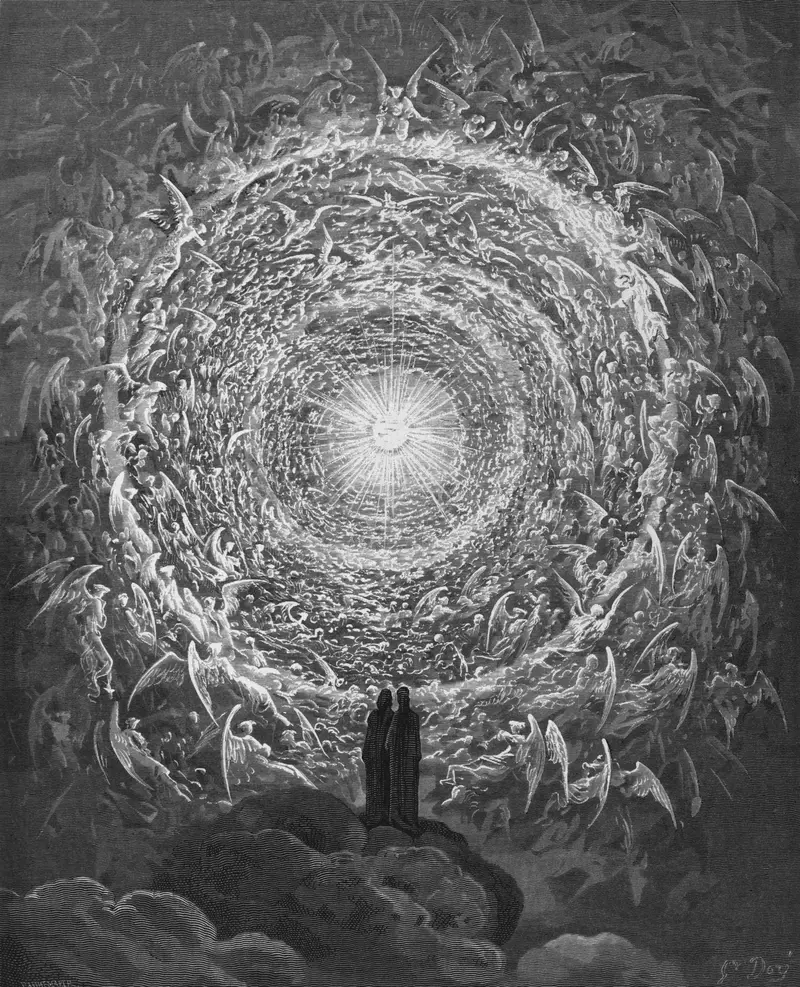
The Empyrean (Paradiso, Canto 31)
Gustave Doré
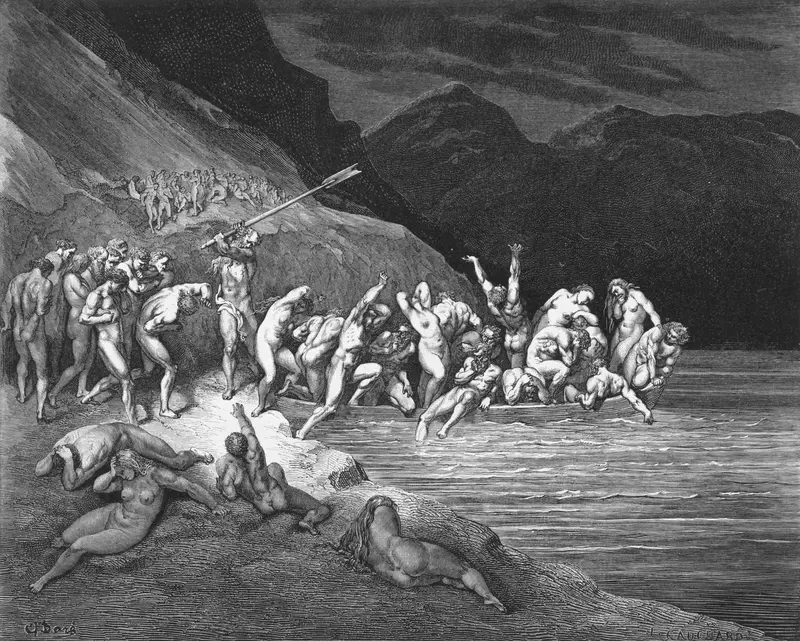
Charon (Inferno, Canto 3)
Gustave Doré
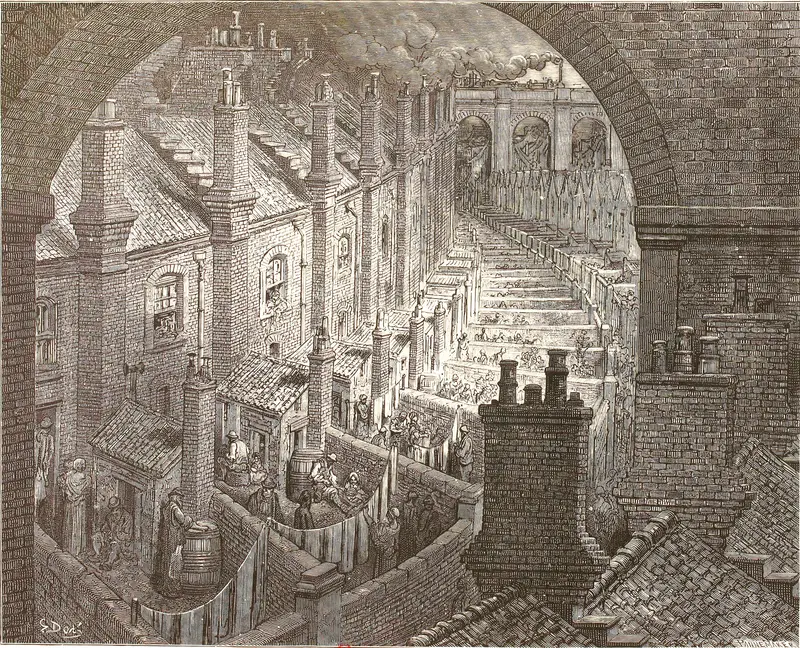
Over London by Rail
Gustave Doré
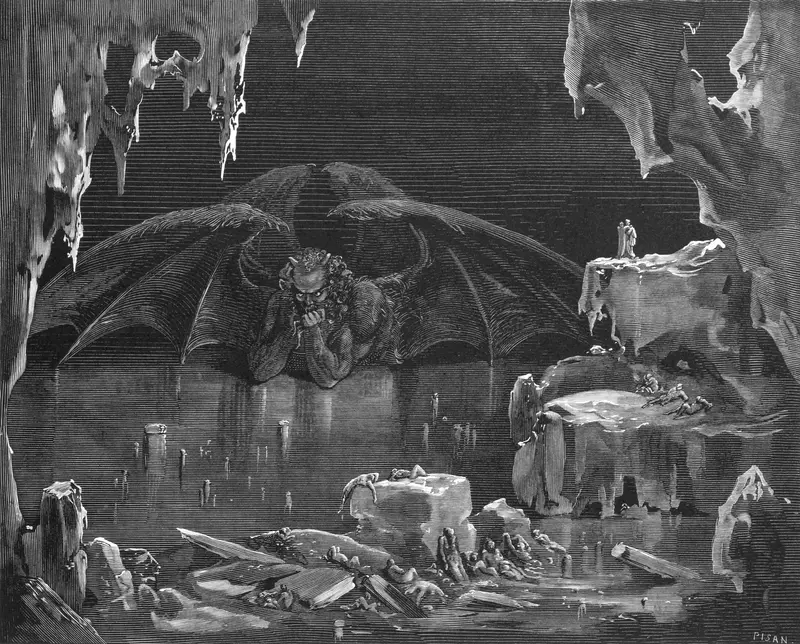
Lucifer, King of Hell
Gustave Doré
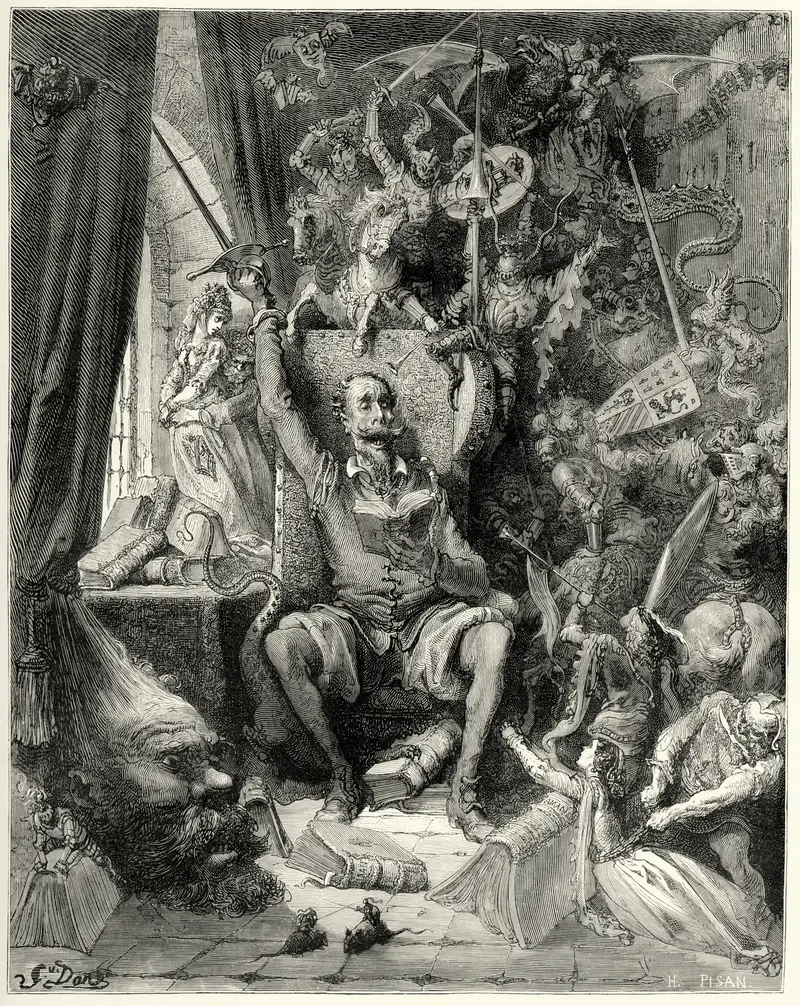
Don Quixote in His Library
Gustave Doré
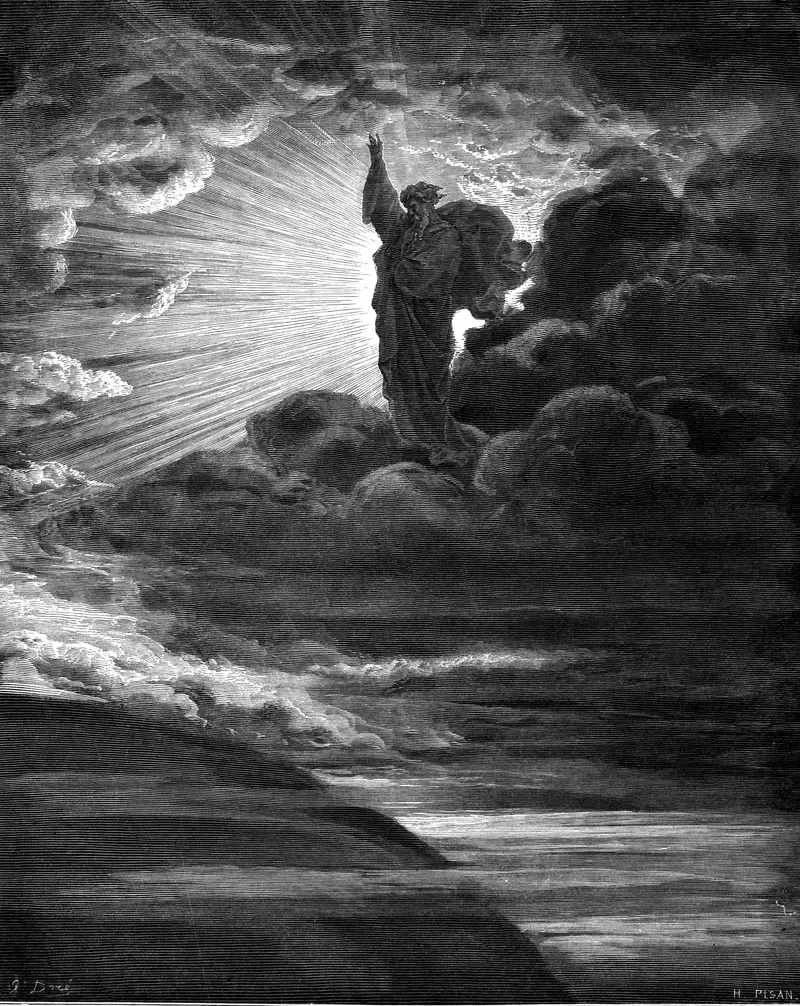
The Creation of Light
Gustave Doré
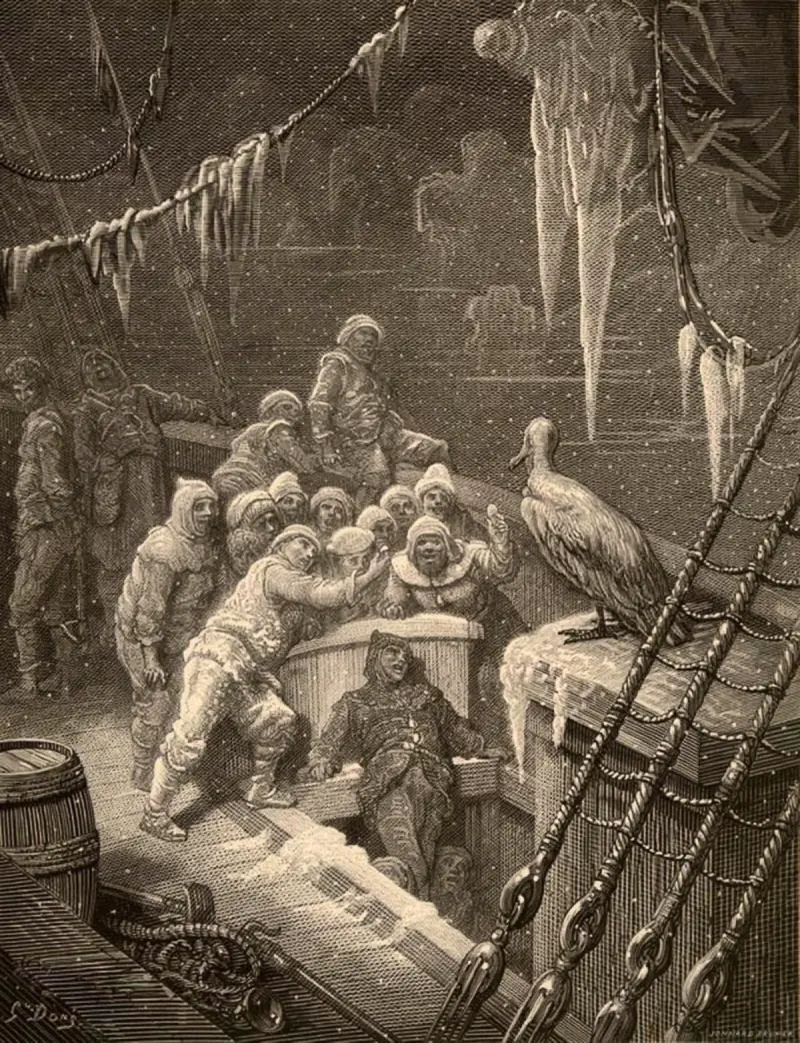
The Albatross (The Rime of the Ancient Mariner)
Gustave Doré
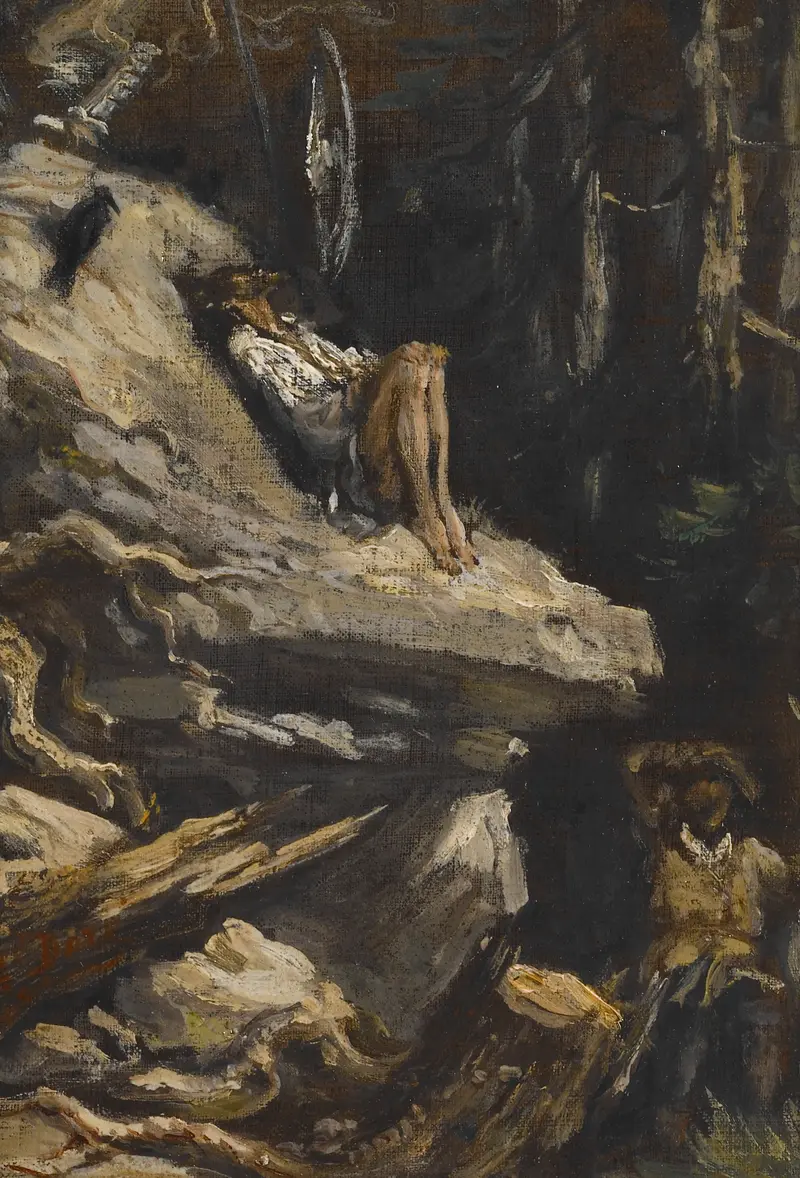
"'Alas!' answered Sancho, 'I found him in his shirt, lean, pale, and almost starved, sighing for his Lady Dulcinea'" from Don Quixote
Gustave Doré
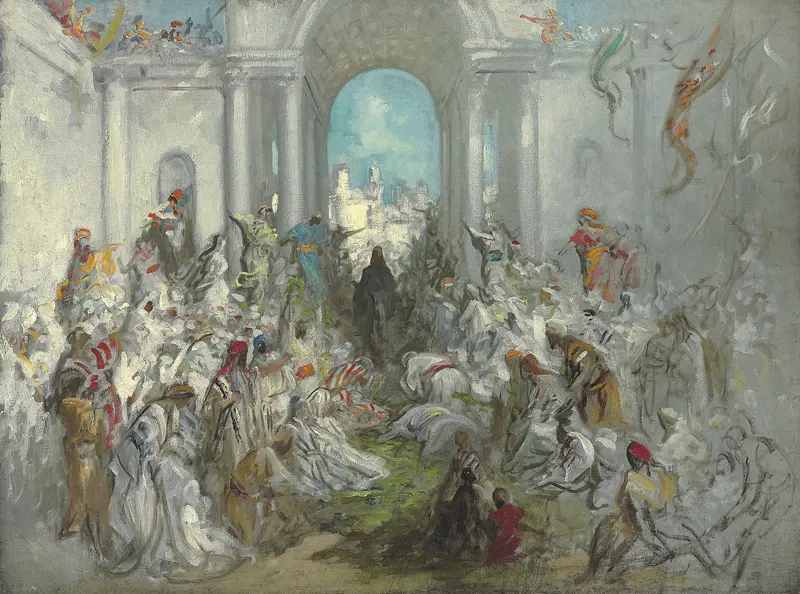
Christ's Entry into Jerusalem
Gustave Doré





