Fish Wharf, Gloucester — History & Facts
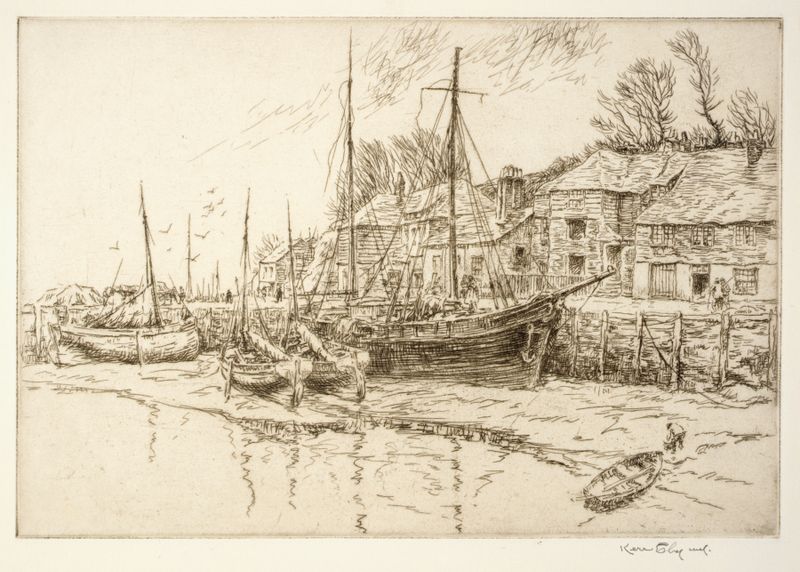
Can beauty exist without sorrow? In Fish Wharf, Gloucester, the quiet dignity of labor intertwines with an unspoken melancholy, echoing the destinies of those who toil at the water's edge. Look to the left, where a weathered fisherman stands, his figure a silhouette against the backdrop of a vast, sunlit harbor. The brushstrokes capture the textured wood of the dock and the glimmering waves, as ochres and blues blend harmoniously, evoking both tranquility and the passage of time. Notice how the light dances across the water's surface, illuminating the laborers' faces with a soft glow, yet casting lingering shadows that hint at the weight of their work. Delve deeper into the painting’s contrasts: the vibrant life of the sea against the still perseverance of those who harvest it.
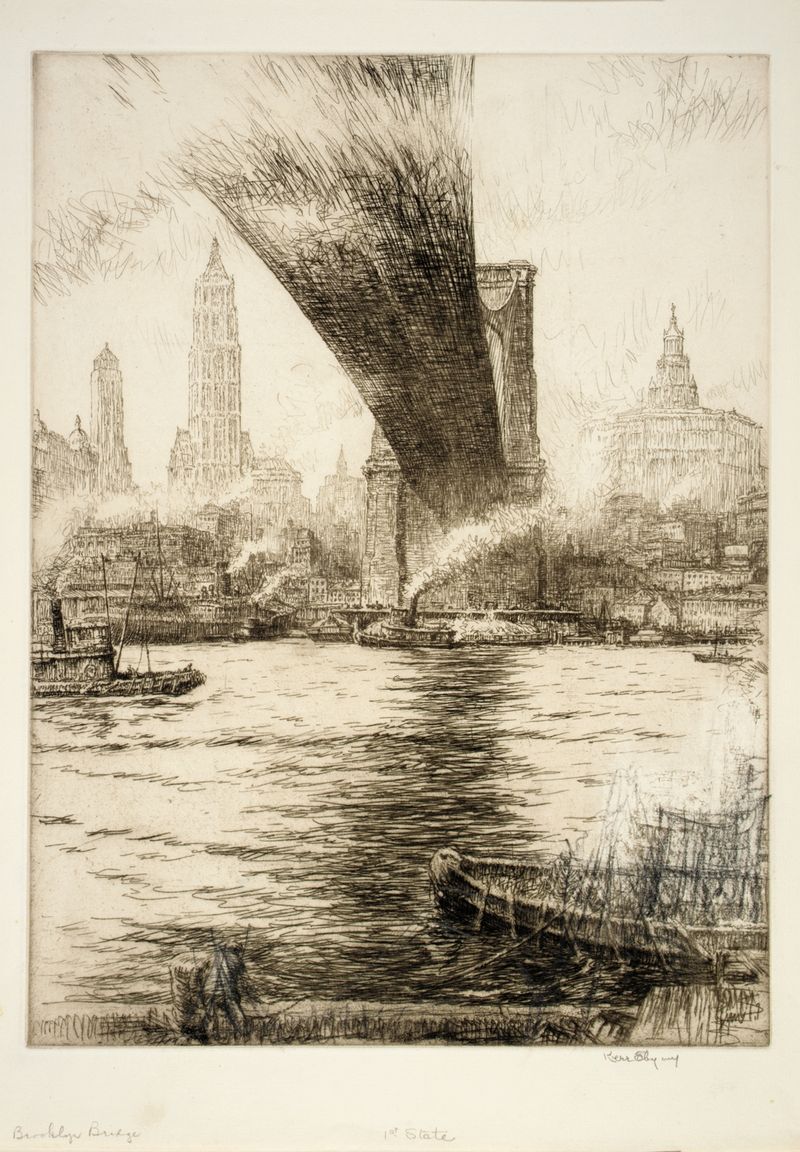
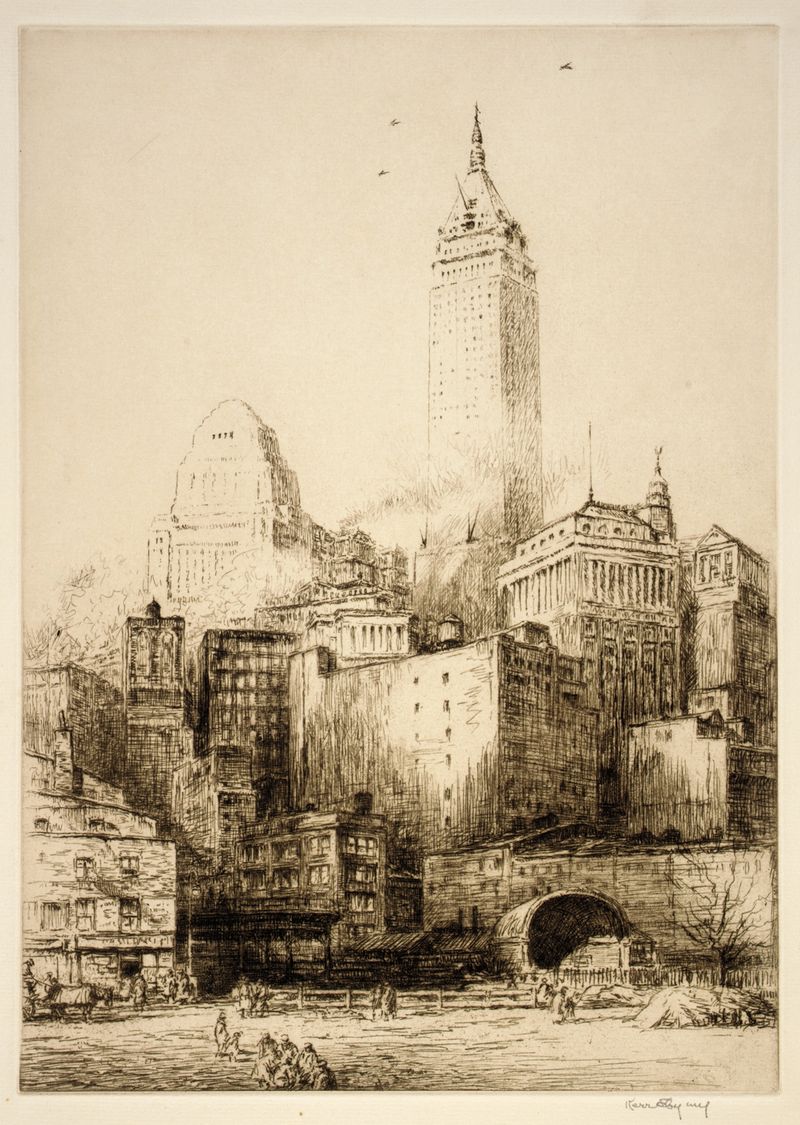
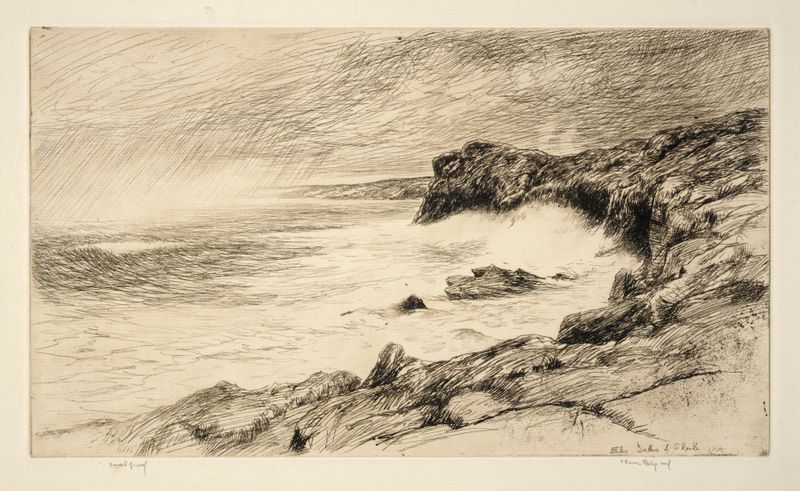
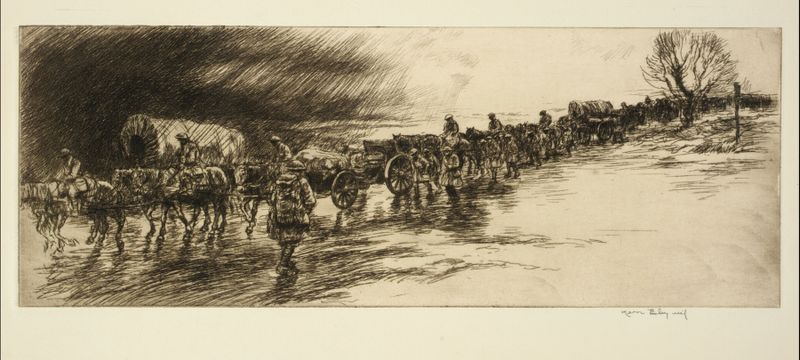
The fishermen's worn hands tell stories of sacrifice, while the buoyant boats, caught in a moment of rest, symbolize fleeting hope amid the struggle. This tension between the beauty of the landscape and the toil it demands reflects a poignant narrative of destiny, suggesting that even in thriving moments, sorrow is a constant companion. During the years between 1920 and 1940, Kerr Eby painted Fish Wharf, Gloucester amidst a world grappling with the aftermath of war and economic uncertainty. As an artist associated with the American realist movement, Eby sought to portray the lives of ordinary people, capturing the essence of their labor and the landscapes they inhabited.
His experiences as a war artist and subsequent focus on American life infused his work with depth and emotional resonance, a testament to the resilience of the human spirit.