
Fisherman Mending Nets — History & Facts
What first draws the eye in Fisherman Mending Nets is the hush that seems to settle over the entire scene. The fisherman’s bowed head, the gentle slope of his shoulders, and the soft, indirect light all conspire to create a moment of private concentration. His pipe, clamped loosely in his mouth, adds a note of ritual and routine, while the pale, angled surface before him—perhaps the net or a work table—anchors him in his daily labor.
The palette is restrained, almost monochrome, which heightens the sense of quiet and draws attention to the textures: the wiry beard, the smooth dome of his head, the rough fabric of his shirt. Thayer’s brushwork is careful but not fussy, allowing the sitter’s inner life to seep through the surface. Painted around 1883, this work belongs to a period when American artists like Abbott Handerson Thayer were turning their gaze toward the dignity of ordinary work and the poetry of everyday life. Such paintings often found their way into private homes or regional exhibitions, serving as reminders of the values—industry, humility, perseverance—that shaped a rapidly changing nation.
The High Museum of Art now holds this canvas, a testament to the era’s fascination with the quiet heroism of labor. History has kept few traces of this particular fisherman, but the artist’s steady attention invites us to linger on the universal drama of patience and skill—qualities as vital today as they were in Thayer’s time.
More Artworks by Abbott Handerson Thayer
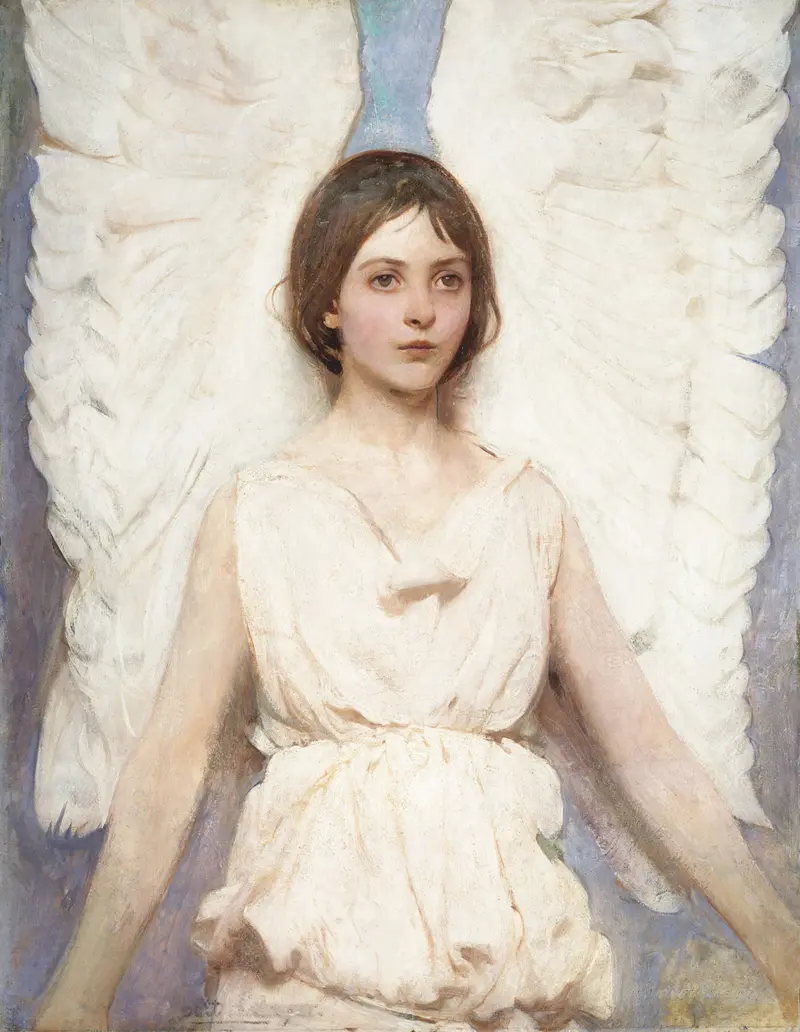
Angel
Abbott Handerson Thayer

Mount Monadnock
Abbott Handerson Thayer
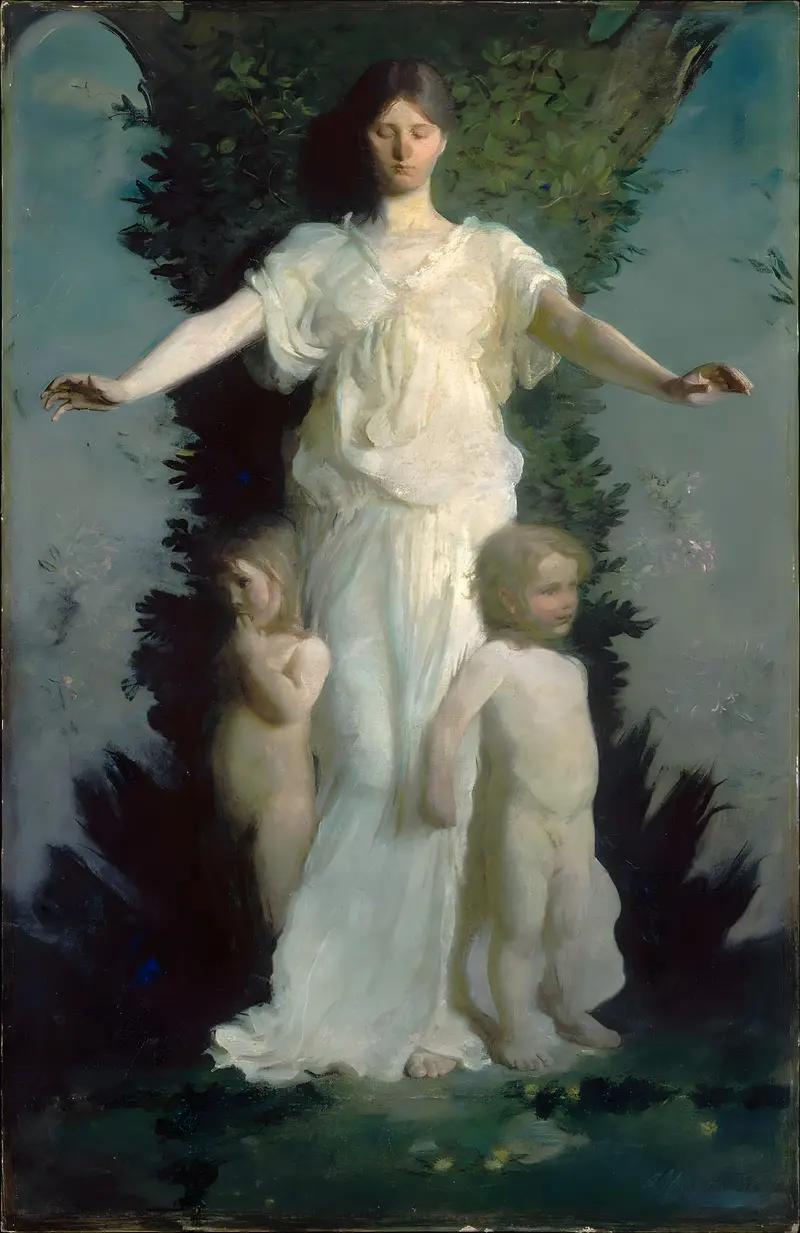
Caritas
Abbott Handerson Thayer

Winter, Monadnock
Abbott Handerson Thayer
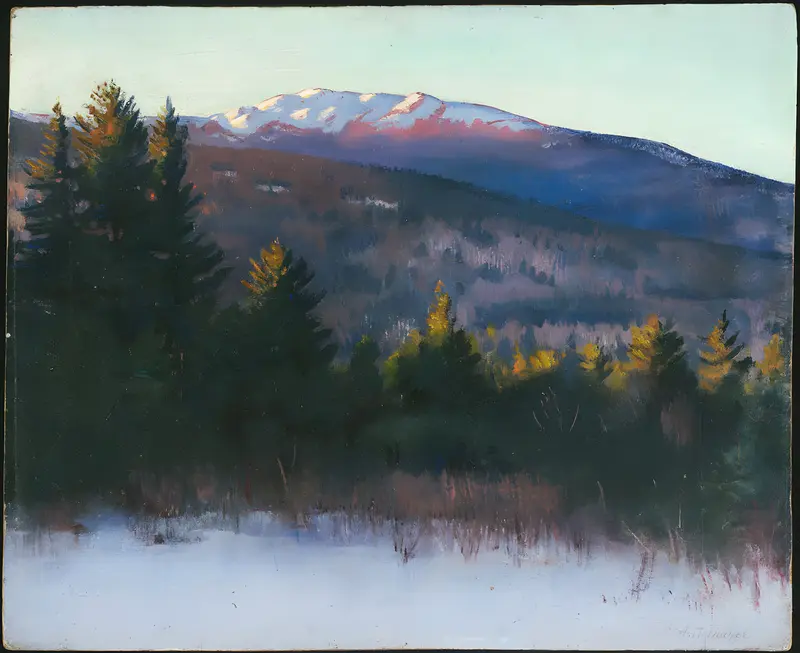
Mount Monadnock
Abbott Handerson Thayer
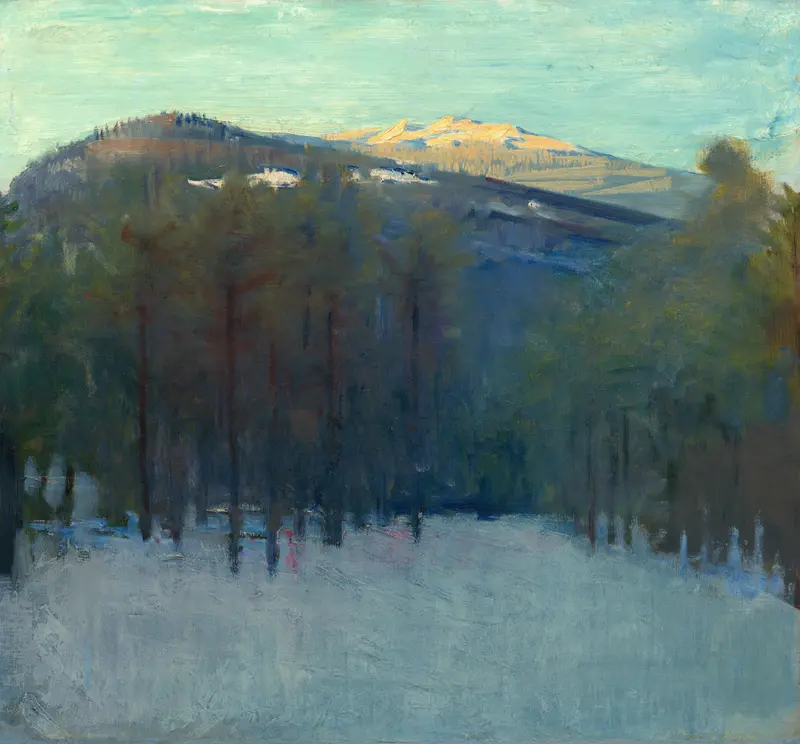
Mount Monadnock
Abbott Handerson Thayer
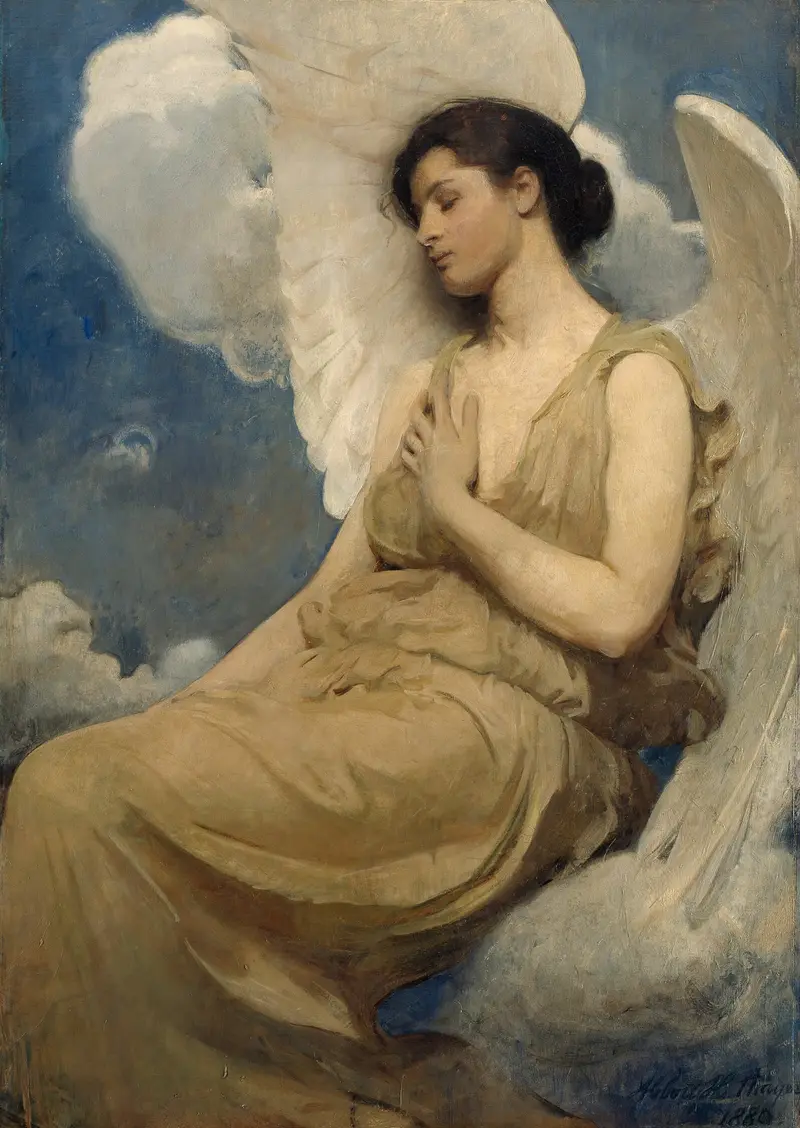
Winged Figure
Abbott Handerson Thayer
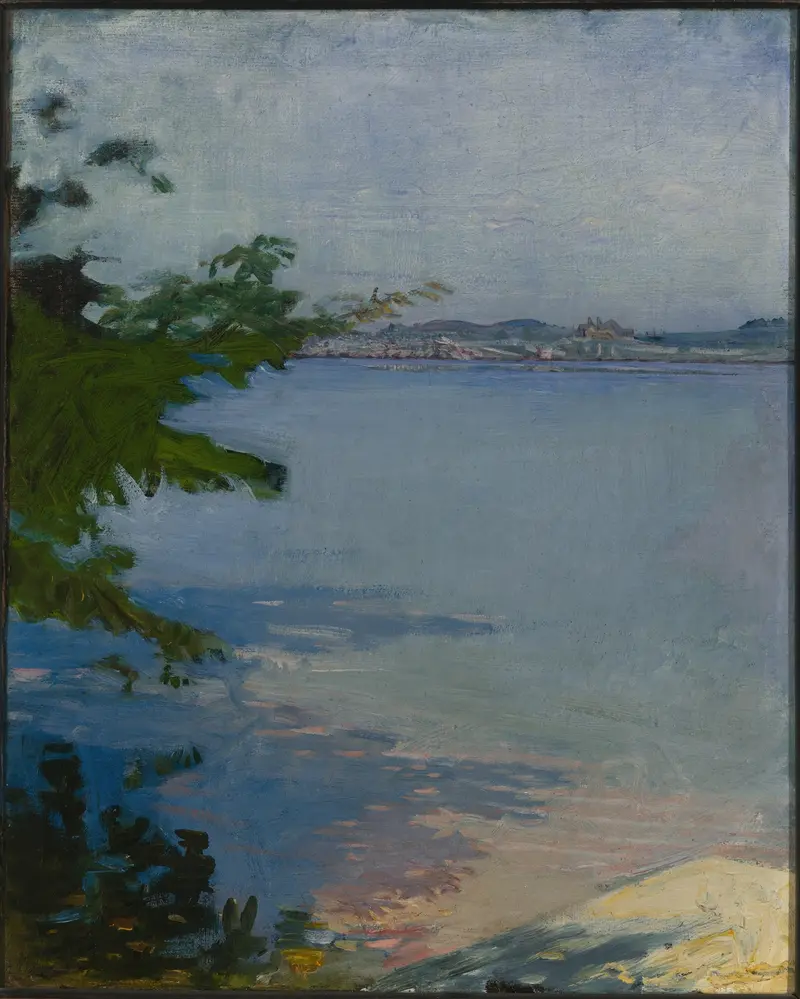
Dublin Pond, New Hampshire
Abbott Handerson Thayer
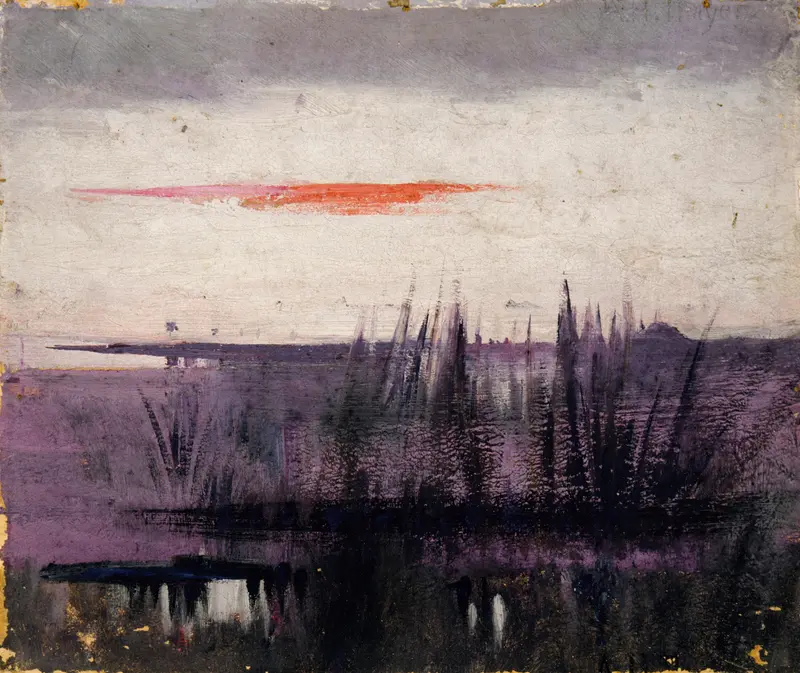
The Sky Simulated By White Flamingoes Study For Book, Concealing Coloration In The Animal Kingdom
Abbott Handerson Thayer
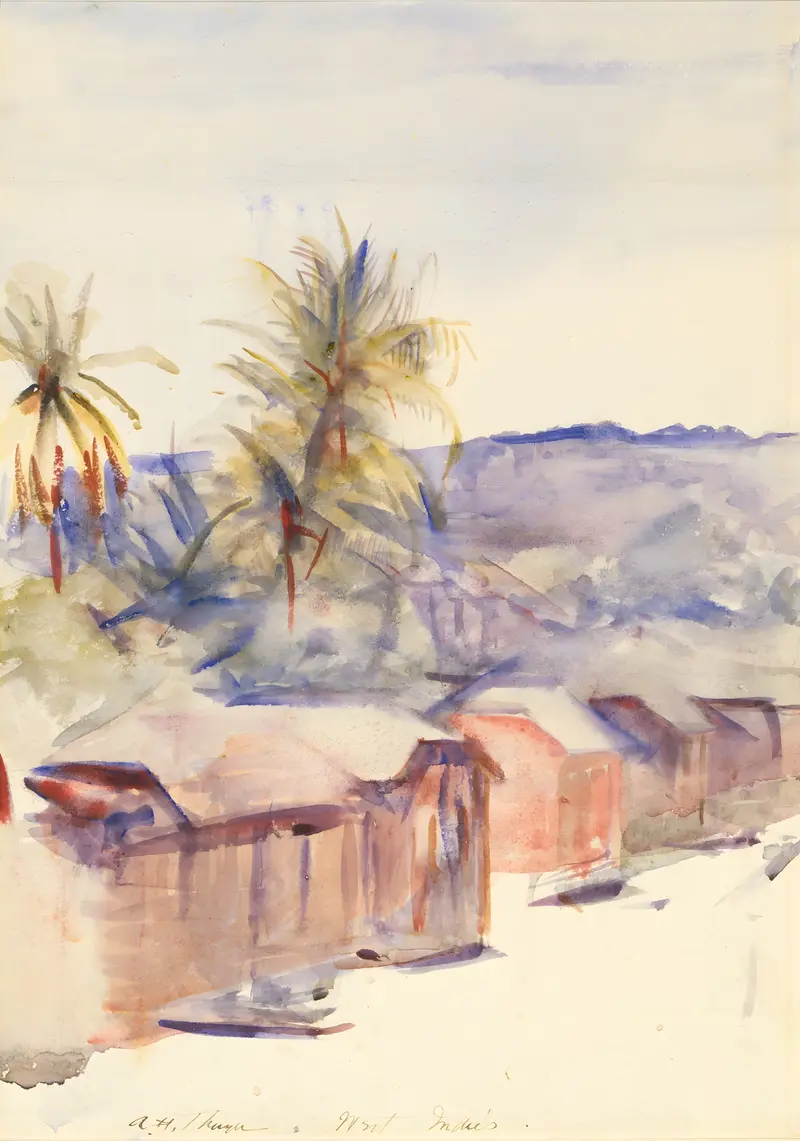
Village Street, Dominica
Abbott Handerson Thayer
More Genre Scene Art

Banquet of the Officers of the St George Civic Guard
Frans Hals

Rembrandt and Saskia in the Scene of the Prodigal Son
Rembrandt van Rijn

Bal du moulin de la Galette
Pierre-Auguste Renoir

Quadrille at the Moulin Rouge
Henri de Toulouse-Lautrec

A Burial at Ornans
Gustave Courbet

When Will You Marry?
Paul Gauguin