
Fishermen in Venice — History & Facts
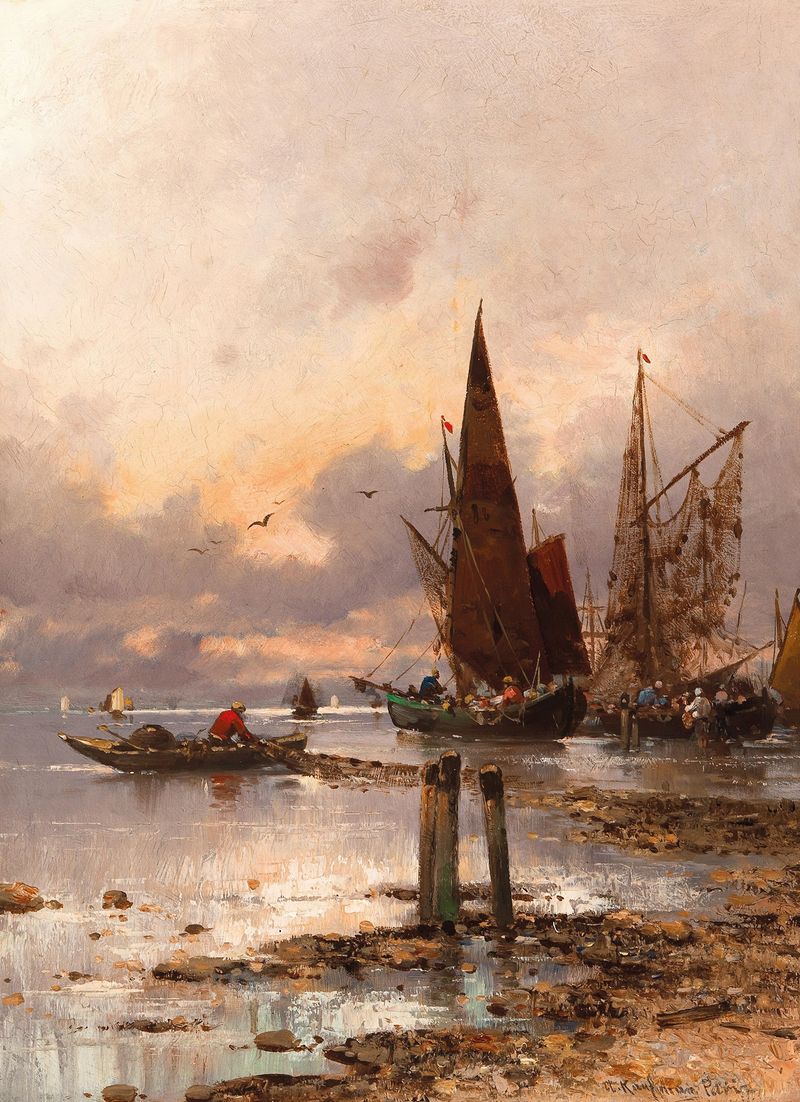
Who listens when art speaks of silence? In Fishermen in Venice, a visual symphony of yearning unfolds amid the stillness of daybreak, echoing the unvoiced stories of its subjects. Start by looking to the left at the two fishermen, their postures conveying both labor and introspection as they prepare their modest boat for the day's toils. Notice the gentle hues of dawn reflected in the water, casting a soft glow that bathes the scene in a serene light. The painter’s technique captures the delicate interplay of shadow and illumination, emphasizing the tender moment before the day’s work truly begins.
The figures, clad in muted colors, meld with the tranquil background, inviting the viewer to contemplate the duality of human endeavor and nature’s quiet presence. The subtle contrast between the fishermen's rugged forms and the tranquil beauty of the Venetian landscape resonates with deeper emotional currents. One can sense the tension of expectation mingling with the weight of solitude, as the still waters mirror not just the sky but the innermost aspirations of the men. This silent interaction with their environment speaks to a broader longing, a desire to connect with both nature and community in a world that often feels disconnected. In 1882, Kaufmann found inspiration in the vibrant yet somber character of Venice, a city grappling with change as modernity encroached upon its ancient traditions.
During this period, he was exploring themes of everyday life, blending realism with impressionistic techniques. This painting reflects not only his artistic evolution but also the collective consciousness of an era poised between nostalgia and the inevitable march of progress.
More Artworks by Adolf Kaufmann
Browse all →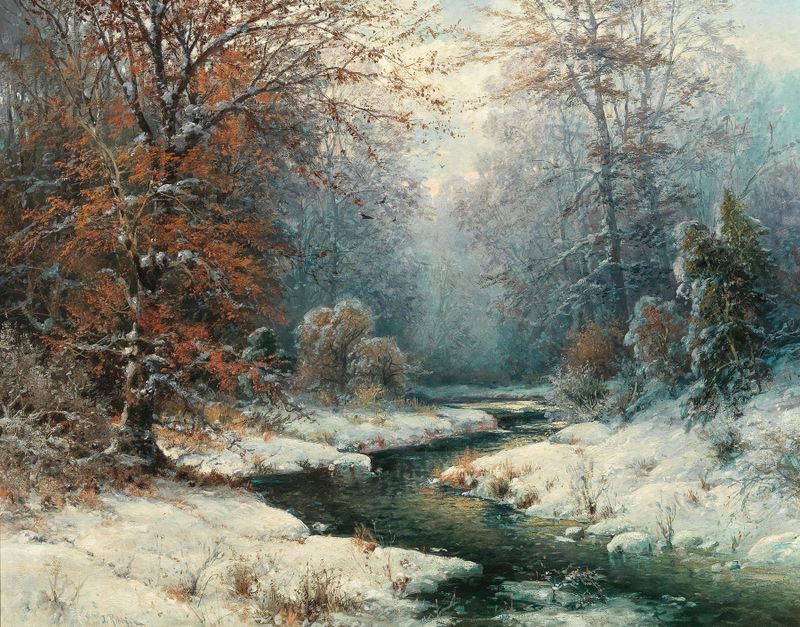
Winterliche Flusslandschaft
Adolf Kaufmann
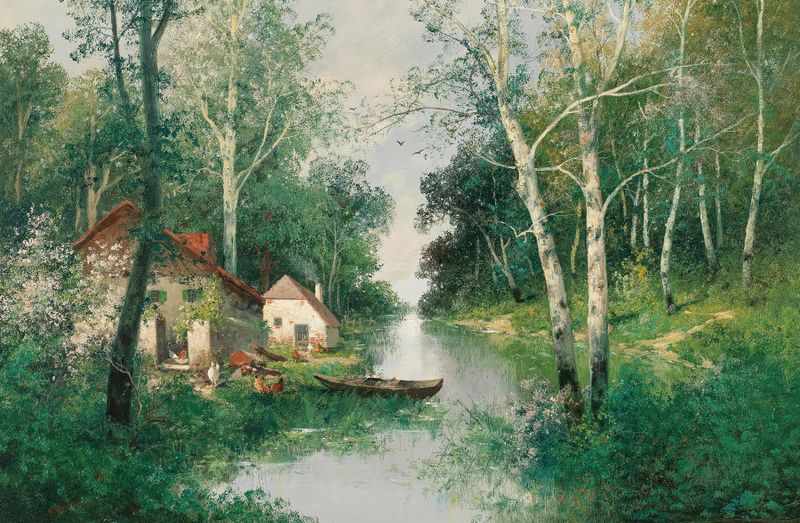
A River Landscape in Spring
Adolf Kaufmann
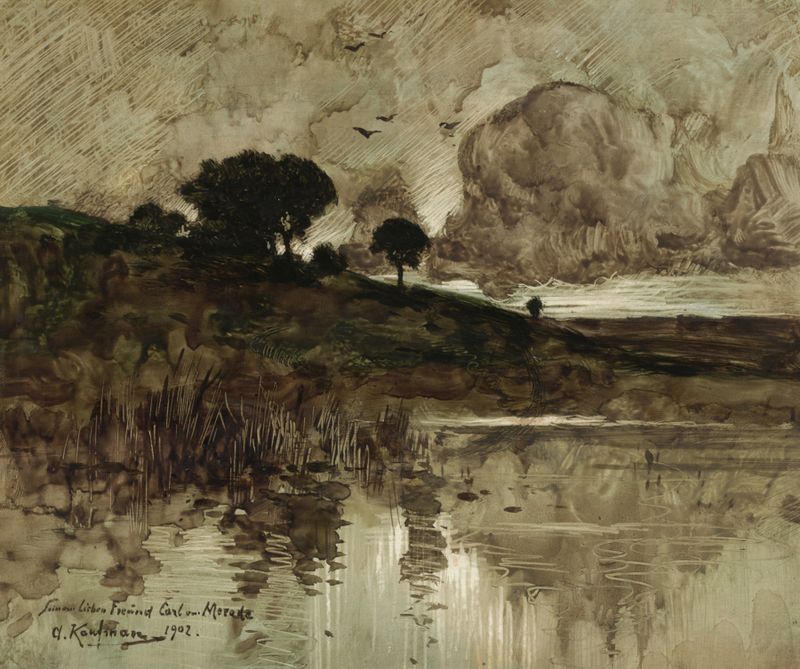
Herbstabend am See
Adolf Kaufmann
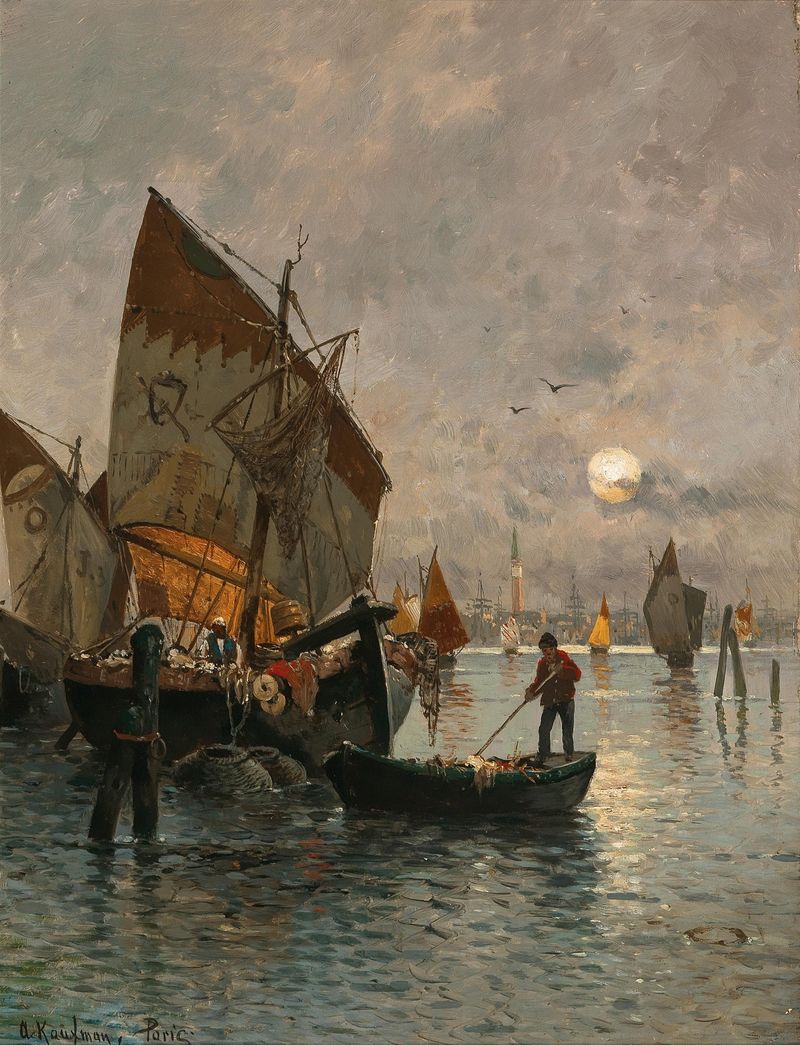
In der Lagune Venedigs
Adolf Kaufmann
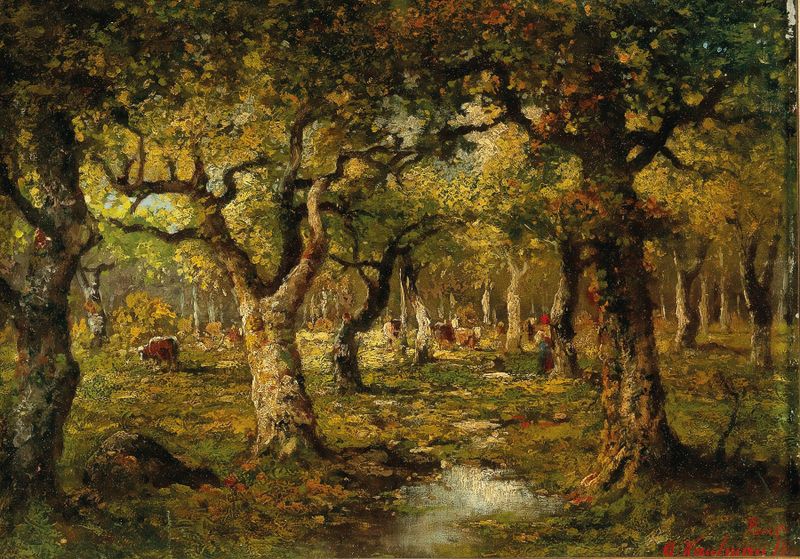
In the Forest of Barbizon
Adolf Kaufmann
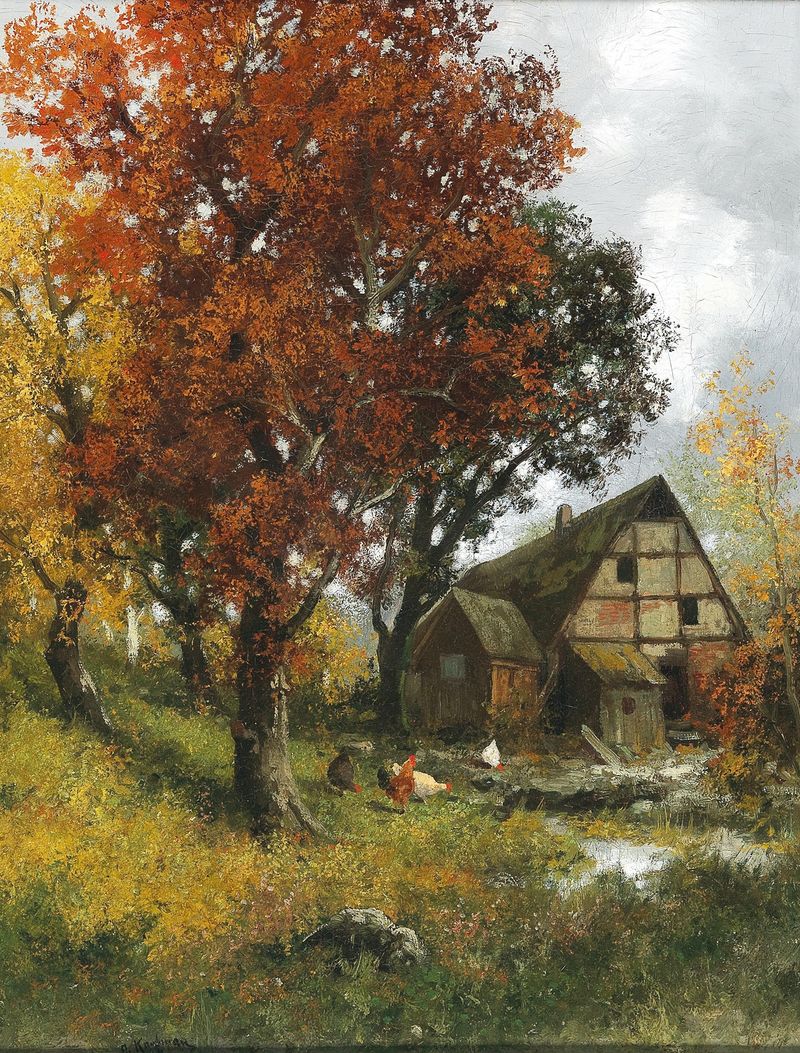
A Mill in an Autumnal Forest
Adolf Kaufmann
Mühle im Herbstwald
Adolf Kaufmann
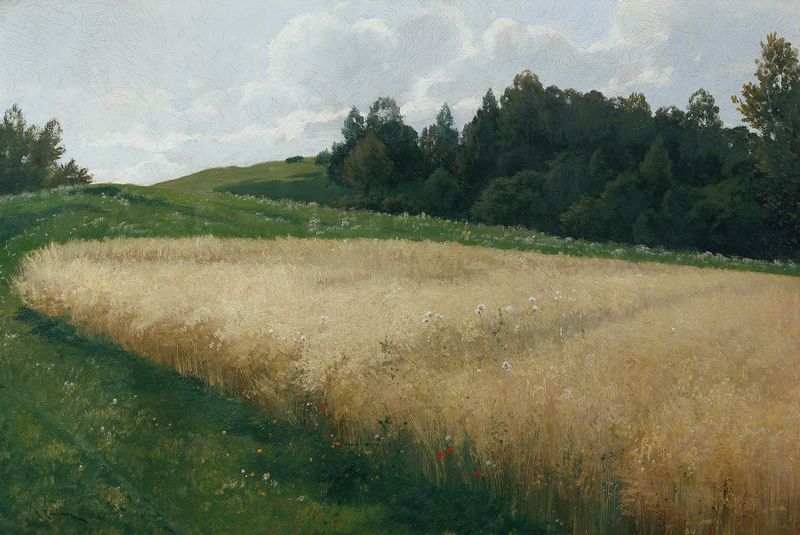
Das Haferfeld
Adolf Kaufmann
Sonnenuntergang an der griech. Küste
Adolf Kaufmann
Steamboat and Fishing Boats at Sea
Adolf Kaufmann





