
Flight into Egypt — History & Facts
When Fra Angelico painted Flight into Egypt around 1450, he chose a subject that had fascinated artists for centuries, but his version stands out for its gentle humanity and the serene landscape that frames the Holy Family’s escape. The episode, recounted in the Gospel of Matthew, was a favorite in fifteenth-century Florence, where fears of political upheaval and exile were real and present. Unlike many contemporaries, Fra Angelico did not crowd his scene with drama or violence; instead, he offered a vision of quiet protection and divine guidance, inviting viewers to contemplate the journey itself rather than the threat behind it. The moment captured here is the Holy Family’s flight from Bethlehem into Egypt, fleeing King Herod’s decree.
Mary rides side-saddle on a humble donkey, cradling the infant Jesus, while Joseph leads the way, his staff pointing toward the distant safety. A gentle sweep of landscape opens ahead, dotted with slender trees and a winding river, suggesting both the hardship of travel and the hope of sanctuary. The soft, golden light that bathes the figures is typical of Fra Angelico, signaling divine favor and peace.
Unlike the bustling, narrative-rich Flight into Egypt by Giotto, where angels and miracles crowd the scene, Fra Angelico pares the story to its essentials: journey, care, and trust. The precise origins of this Flight into Egypt remain uncertain—scholars debate whether it was part of a larger altarpiece or intended for private devotion. What is clear is that it belongs to the later period of Fra Angelico’s career, when his style became more contemplative and his palette more luminous. The painting’s current whereabouts are not definitively established, and its medium is still a matter of scholarly discussion, but its gentle lyricism and spiritual focus are unmistakably the work of Fra Angelico.
Today, it is celebrated as a testament to the artist’s ability to blend narrative clarity with a profound sense of grace, marking a high point in the devotional art of the early Renaissance.
More Artworks by Fra Angelico

Condemnation of St Lawrence by the Emperor Valerian
Fra Angelico
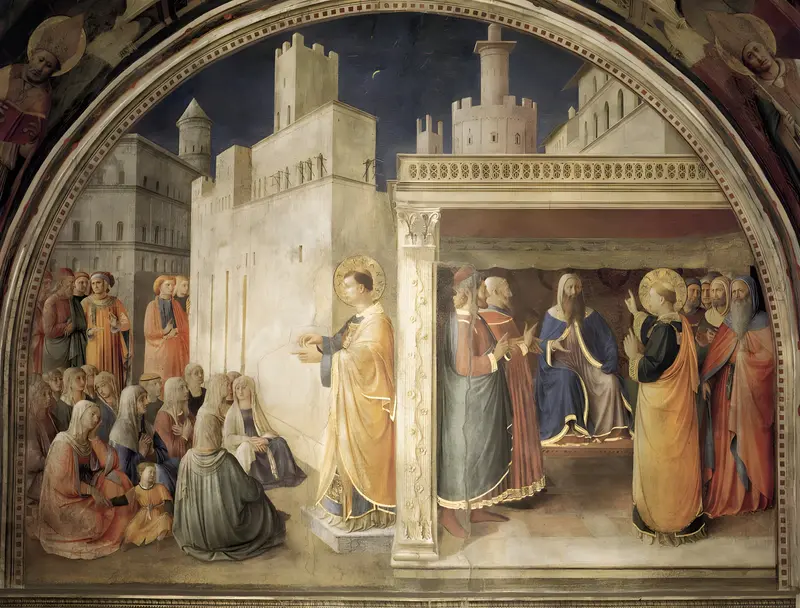
Lunette of the north wall
Fra Angelico
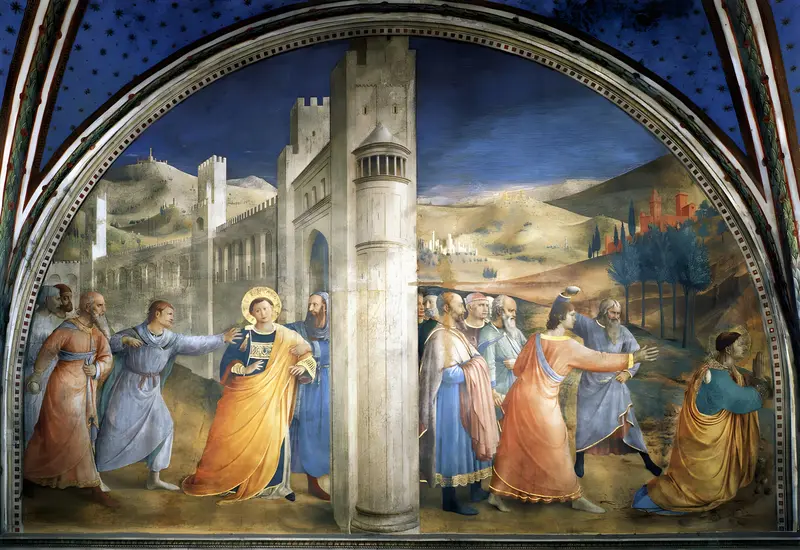
Lunette of the east wall in Niccoline Chapel
Fra Angelico
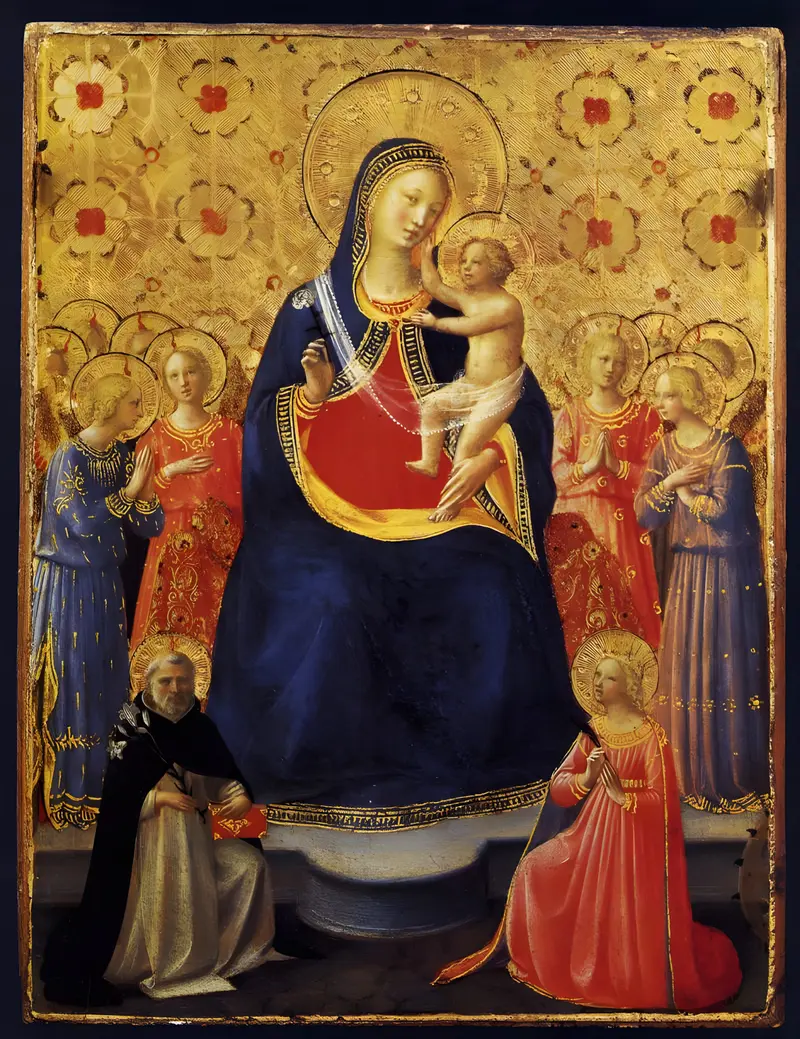
Madonna and Child Enthroned with Nine Angels and Saints Dominic and Catherine of Alexandria
Fra Angelico
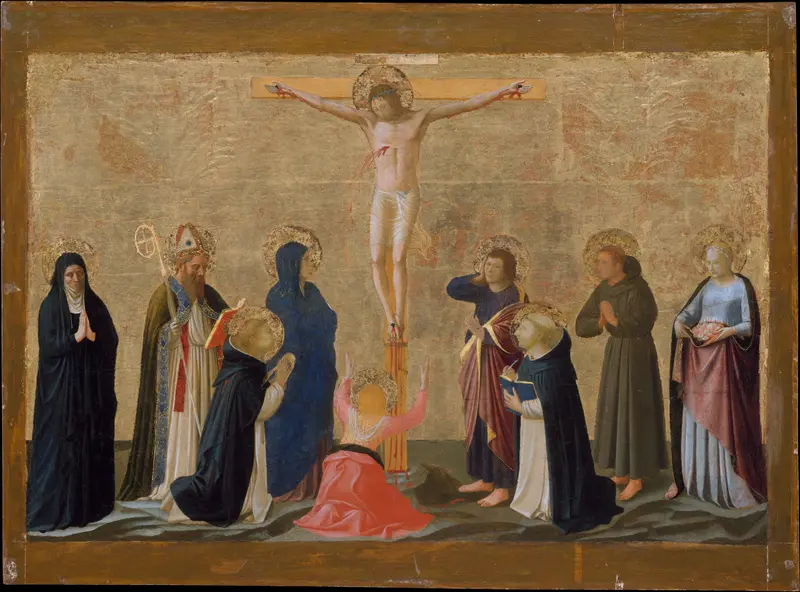
The Crucifixion
Fra Angelico
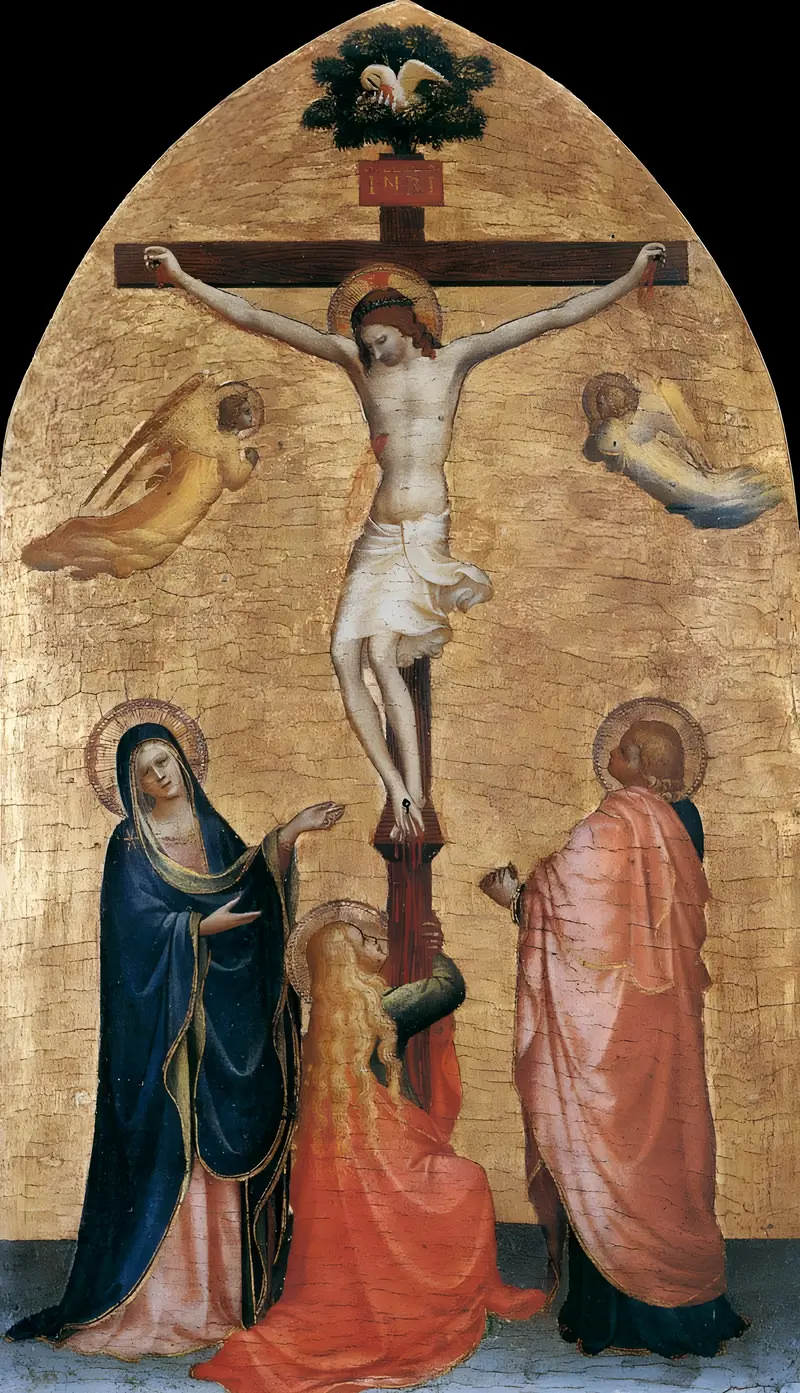
Crucifixion with the Virgin, John the Evangelist, and Mary Magdelene
Fra Angelico
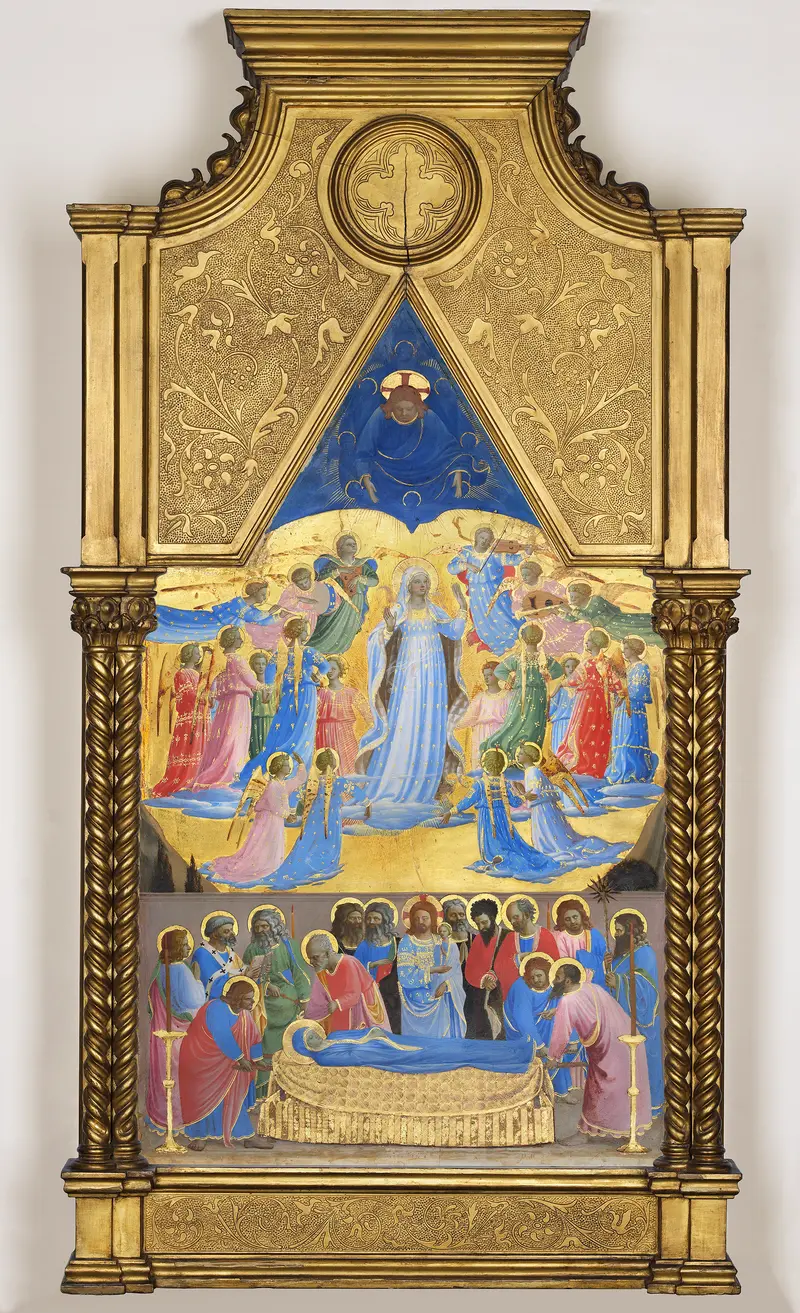
Dormition and Assumption of the Virgin
Fra Angelico
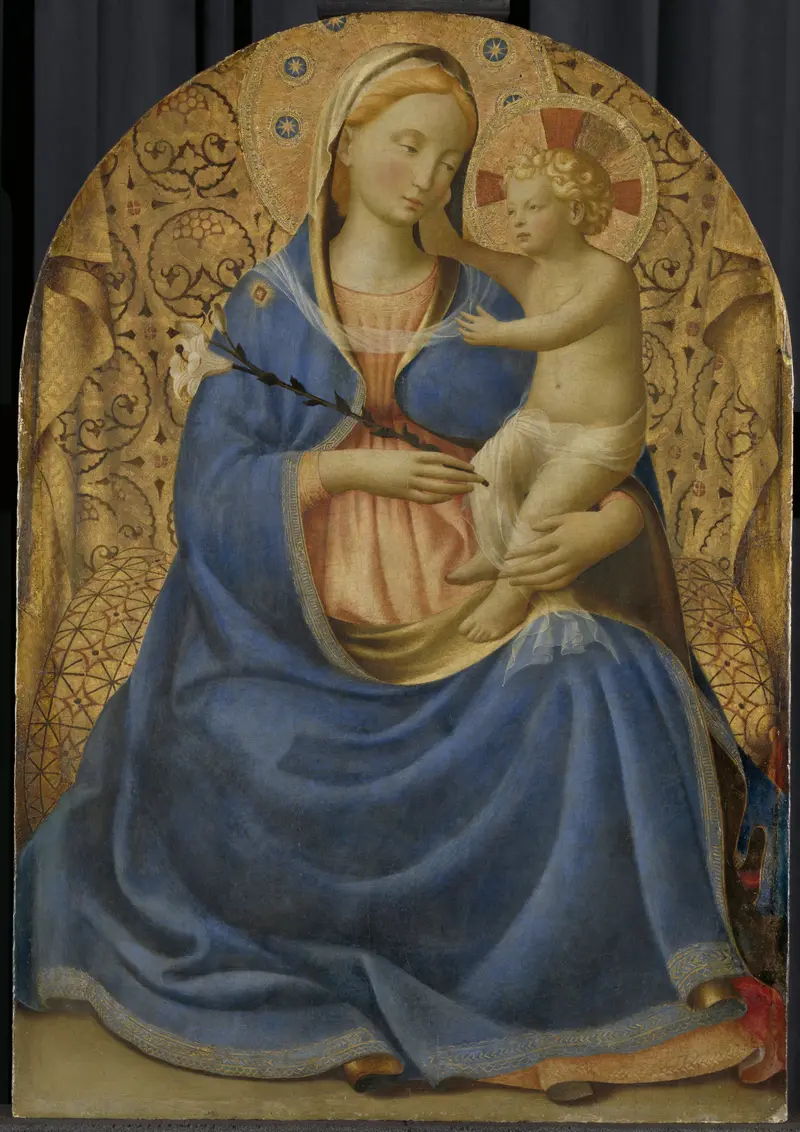
Madonna of Humility
Fra Angelico
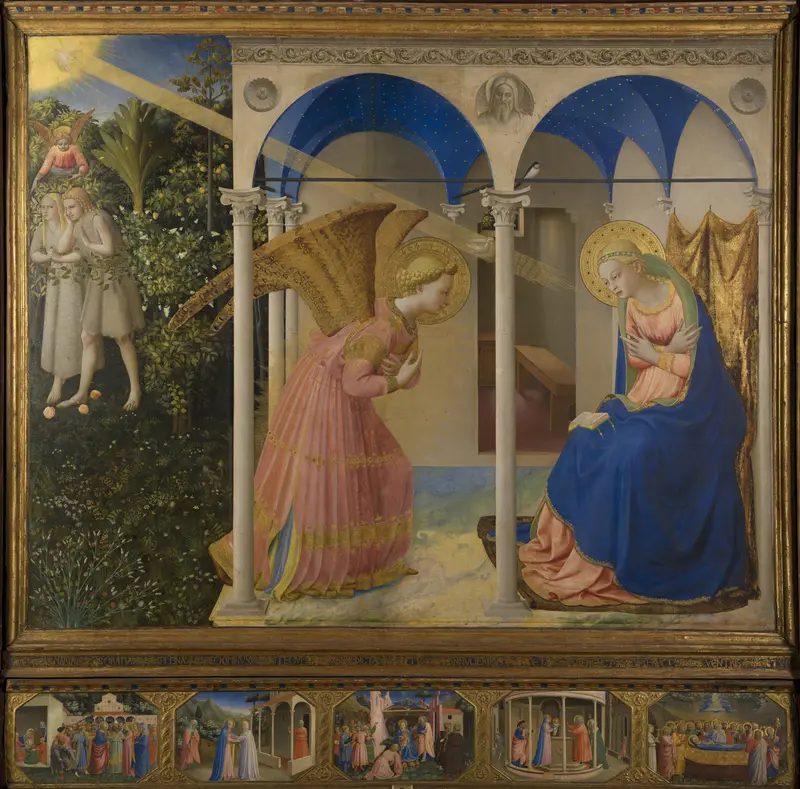
The Annunciation
Fra Angelico

Saint Anthony Abbot
Fra Angelico





