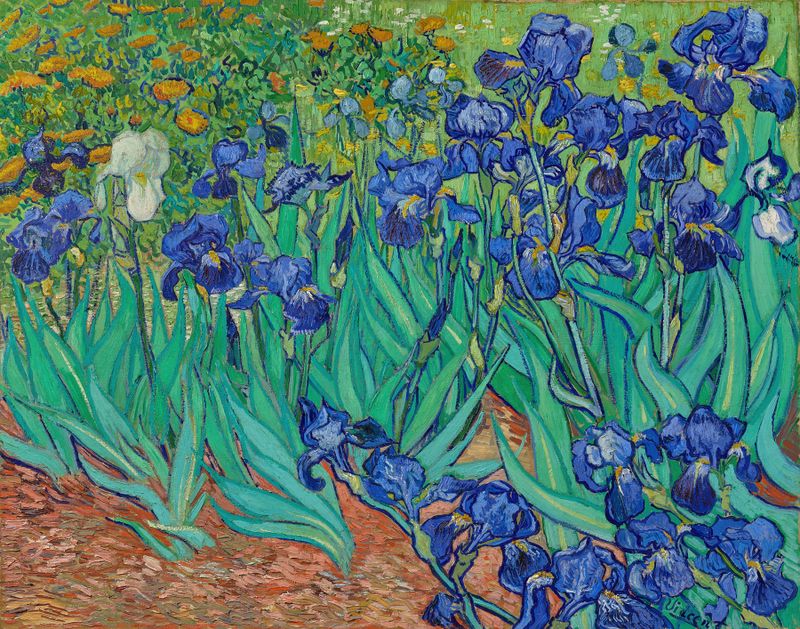
Flower Garden at Belton, Lincolnshire — History & Facts
Dappled sunlight spills over the lush blooms of a vibrant garden, casting playful shadows upon the cobblestones that wind through the verdant sanctuary. A gentle breeze stirs, causing petals to flutter like whispers between the gathered figures, who are lost in conversation, absorbed by nature’s splendor. The air hums with an unspoken tension, as the beauty of the moment contrasts with the impending transformations of an era. Look to the right at the burst of color from the flowers, each petal meticulously painted, drawing the eye into a celebration of life and vitality.
Notice how the light dances off the delicate blooms, enhancing their hues of crimson, gold, and azure, evoking a sense of joy and tranquility. The composition is symphonic, with each flower positioned to guide your gaze towards the horizon, hinting at both serenity and an unknown future. Yet hidden beneath this joyful display lies a deeper commentary on change. The meticulously arranged flora reflects the burgeoning spirit of revolution, as nature's unyielding beauty hints at the socio-political upheaval brewing just beyond the garden's gates.
The figures, seemingly at peace, are emblematic of a society on the brink—caught between the comfort of tradition and the allure of progress. In 1817, the artist was exploring themes of nature and societal change in his work. During this period, Europe was grappling with significant political shifts—the echoes of the Napoleonic Wars still resonating, and the Industrial Revolution beginning to reshape lives. Buckler, deeply engaged with his surroundings in Lincolnshire, used this landscape to reflect on the complexities of beauty and transformation, capturing a moment that is both serene and charged with the promise of change.
More Artworks by John Buckler
Browse all →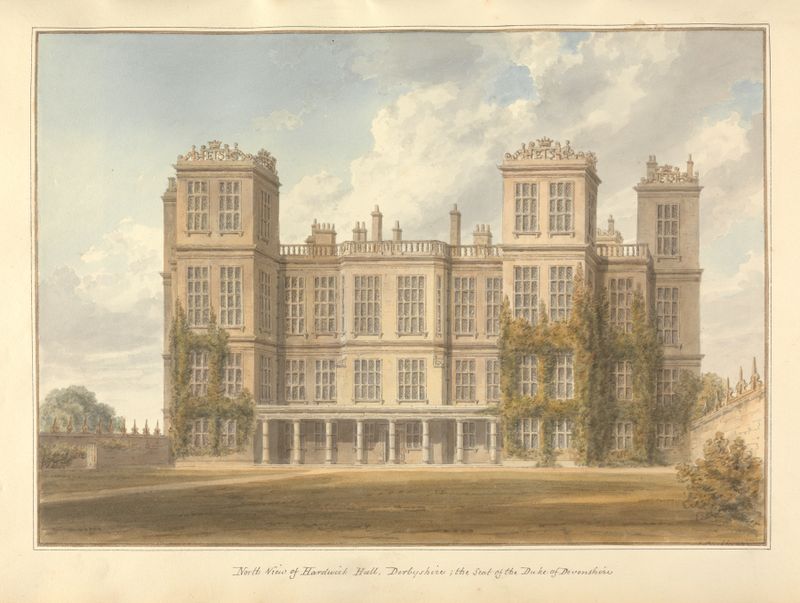
North View of Hardwick Hall, Derbyshire: the Seat of the Duke of Devonshire
John Buckler
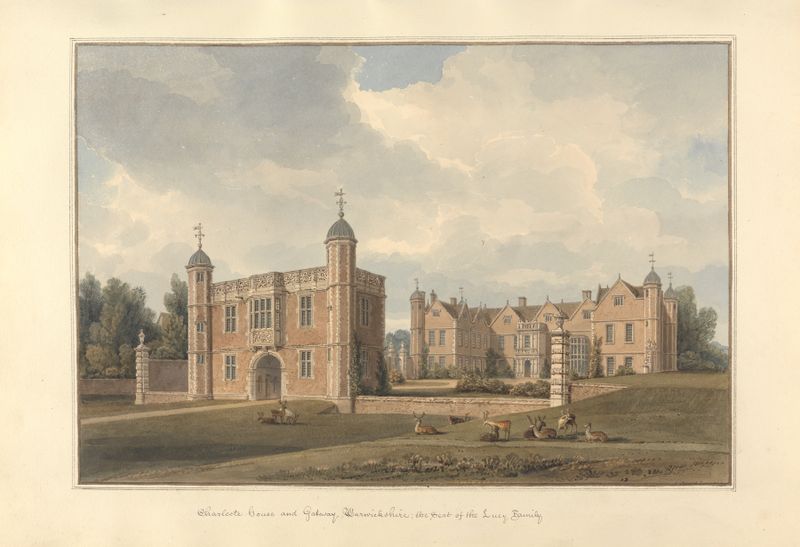
Charlcote house and Gateway, Warwickshire: the Seat of the Lucy Family
John Buckler

North East View of Holland House
John Buckler
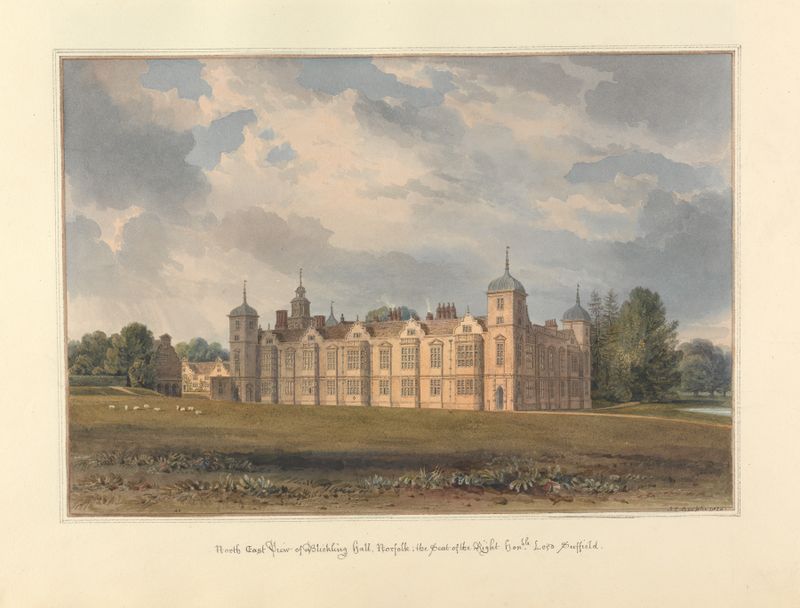
North East View of Blickling Hall, Norfolk: the Seat of the Right Hon’ble Lord Suffield
John Buckler
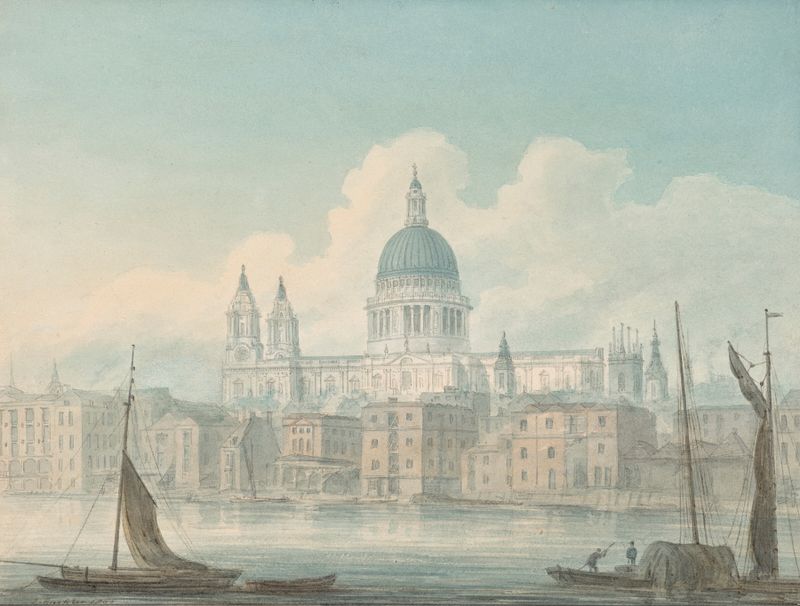
View of St Paul’s Cathedral, from the Southbank of the River Thames, London
John Buckler
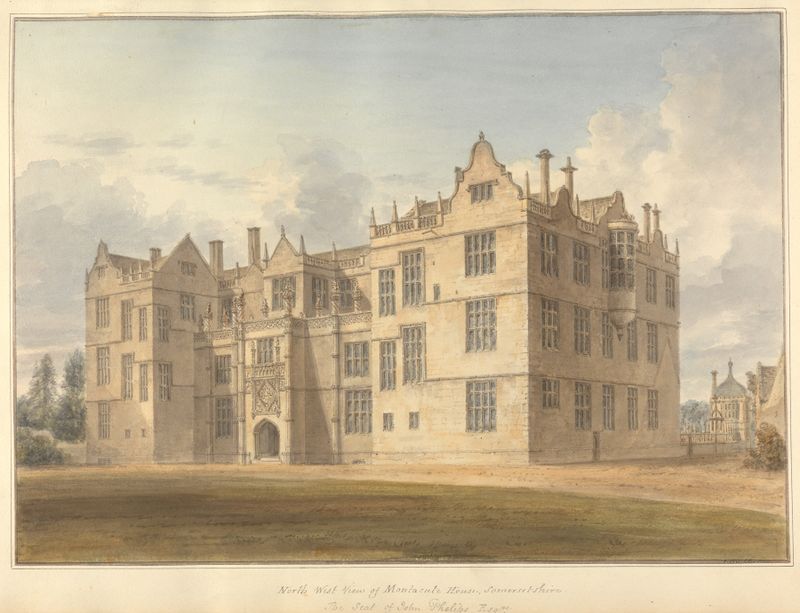
North West View of Montacute House, Somersetshire, The Seat of John Phelips Esqr.
John Buckler
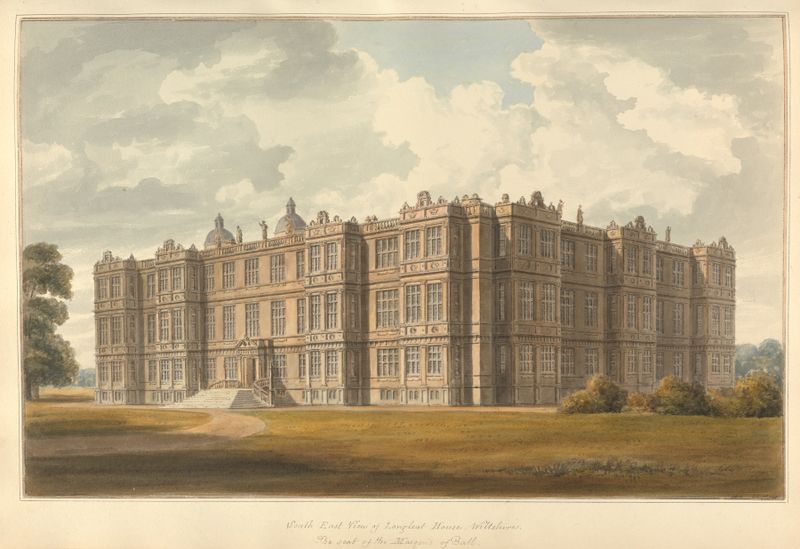
South East View of Longleat House, Wiltshire, the Seat of the Marquis of Bath
John Buckler
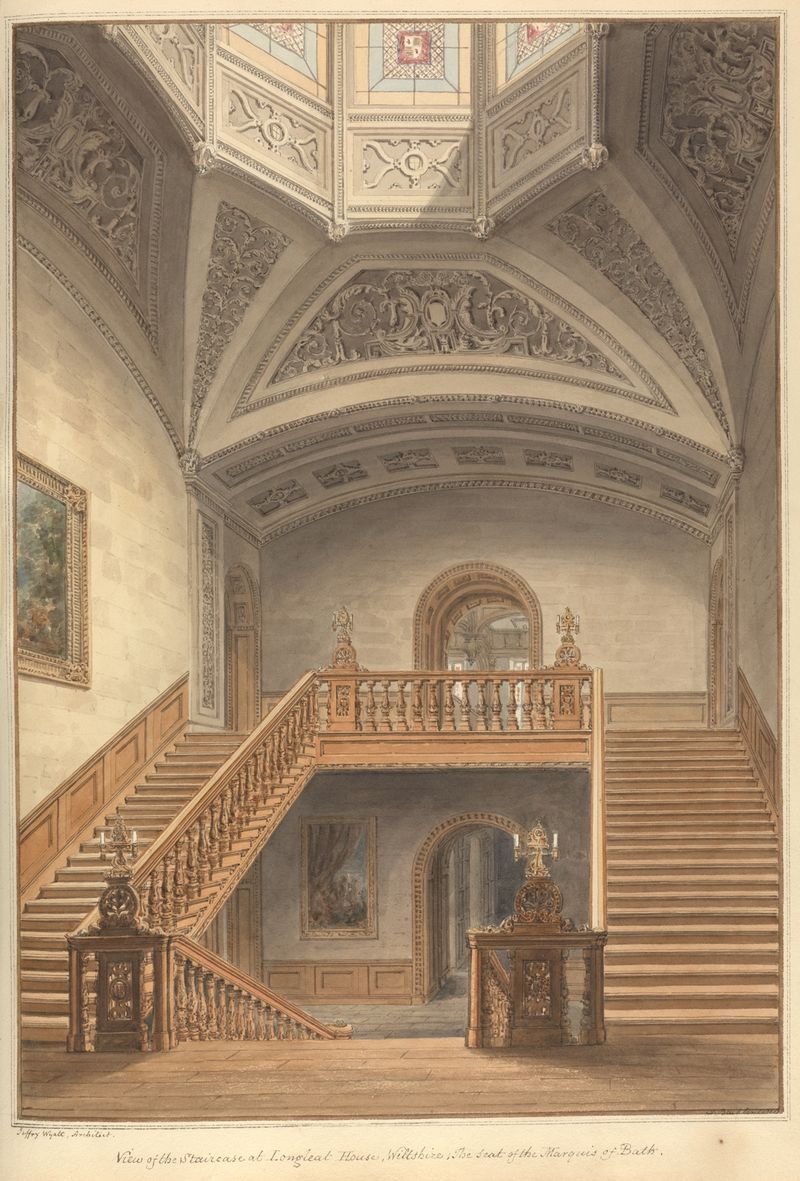
View of the Staircase at Longleat House, Wiltshire: the Seat of the Marquis of Bath
John Buckler
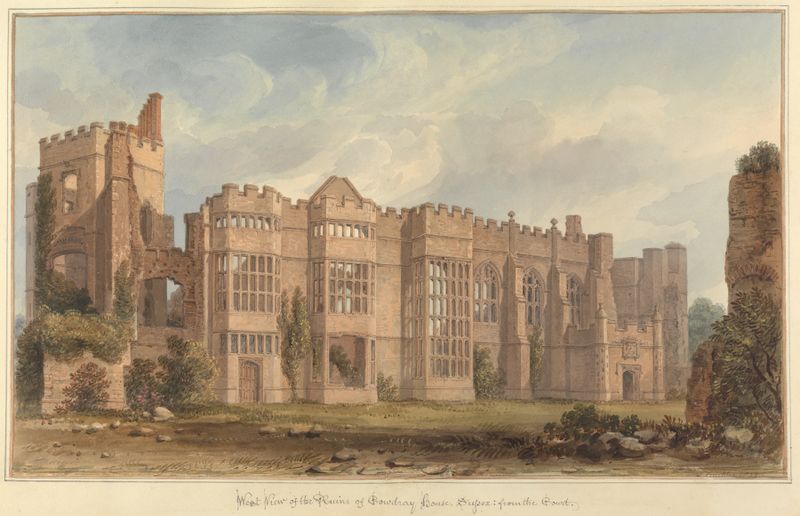
West View of the Ruins of Cowdray House, Sussex: from the Court
John Buckler
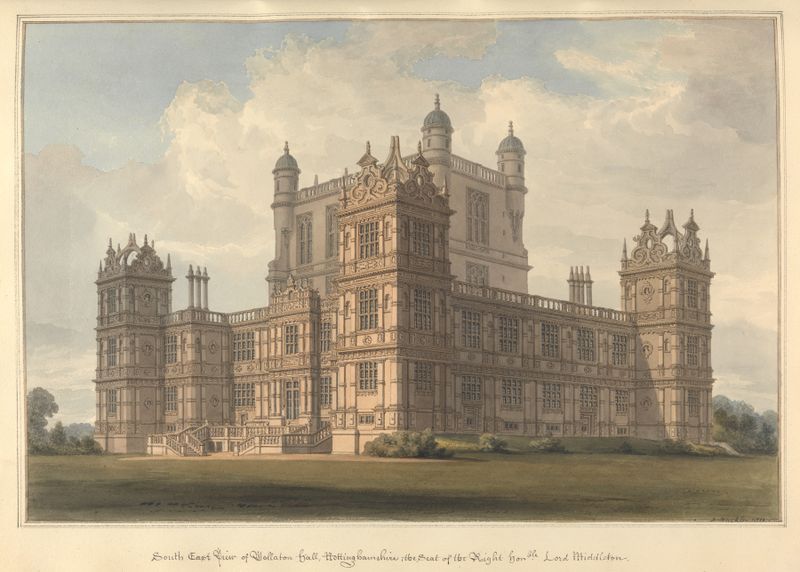
South East view of Wollaton hall, Nottinghamshire, the Seat of the Right honble. Lord Middleton
John Buckler