
Flowers in a Blue Vase — History & Facts
The first thing that catches the eye in Flowers in a Blue Vase by Adolphe Joseph Thomas Monticelli is the sheer physicality of the paint itself—thick, almost sculpted strokes that seem to lift the bouquet off the canvas and into the viewer’s space. The flowers burst from their blue vessel in a riot of yellows, whites, and russet reds, their forms only loosely defined, as if the artist wanted to capture not just their appearance but their energy. The dark background pushes the bouquet forward, while the light flickers across petals and leaves, giving the scene a sense of immediacy and movement.
Notice how the single fallen bloom at the base of the vase draws the eye downward, grounding the composition and hinting at the fleeting nature of beauty. Painted between 1879 and 1883, this work belongs to a period when still life was undergoing a transformation in France. No longer just a demonstration of technical skill or a symbol of wealth, the genre became a field for experimentation, a way for artists to explore color and texture for their own sake. Monticelli was known for his bold, impasto technique—an approach that would influence later painters, including Van Gogh.
The painting now resides in the collection of the Metropolitan Museum of Art, a testament to the enduring fascination of these lush, tactile bouquets. Look again at the surface: every daub of paint is a record of the artist’s hand, as alive as the flowers themselves.
More Artworks by Adolphe Monticelli

Portrait of a Lady
Adolphe Monticelli
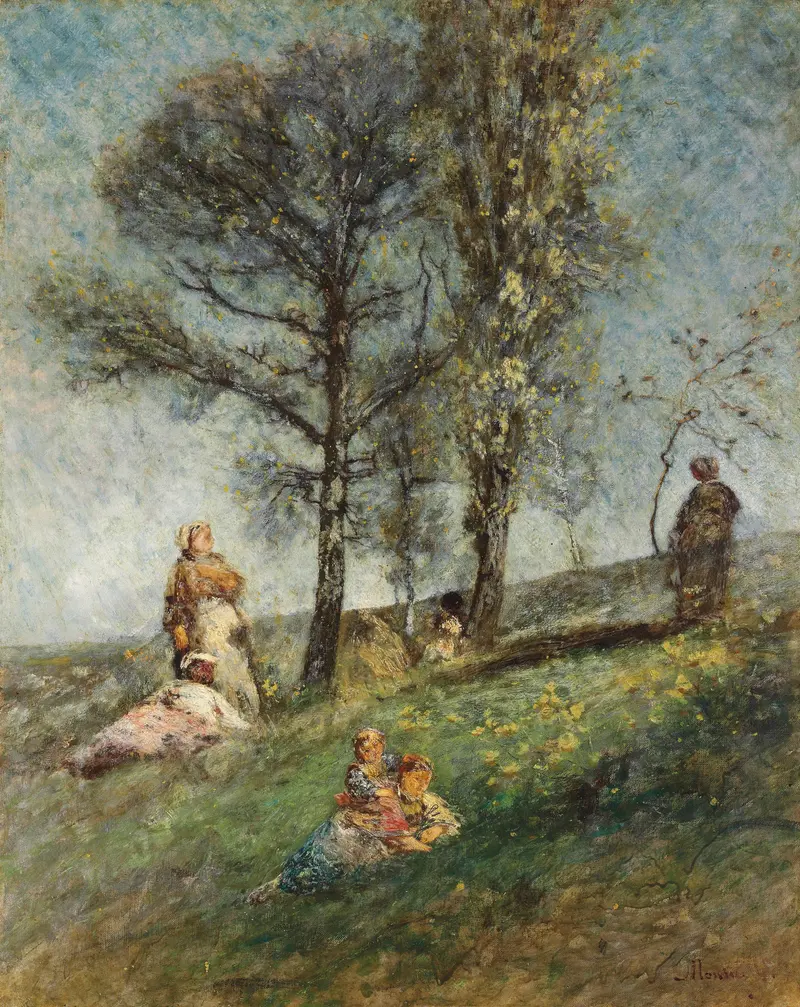
A Young Family Under Trees On A Hill
Adolphe Monticelli

Fête d'Après-Midi
Adolphe Monticelli

Mephisto from the Opera Faust
Adolphe Monticelli
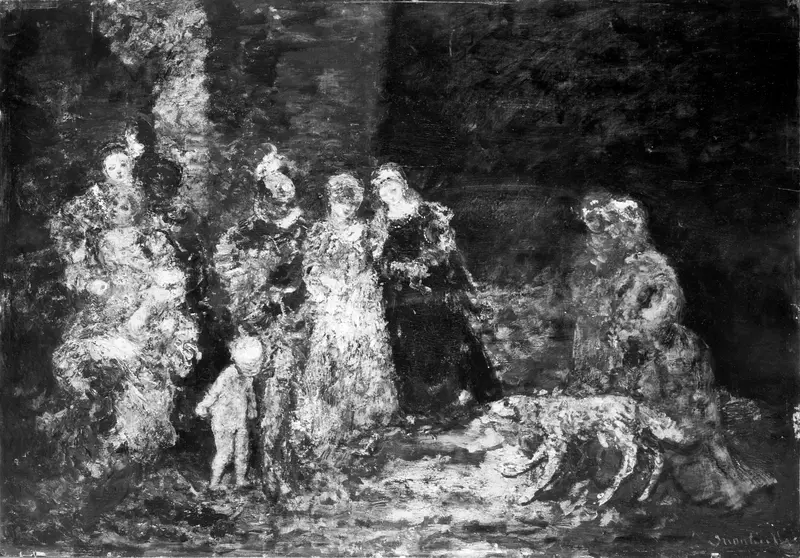
The Fairies
Adolphe Monticelli
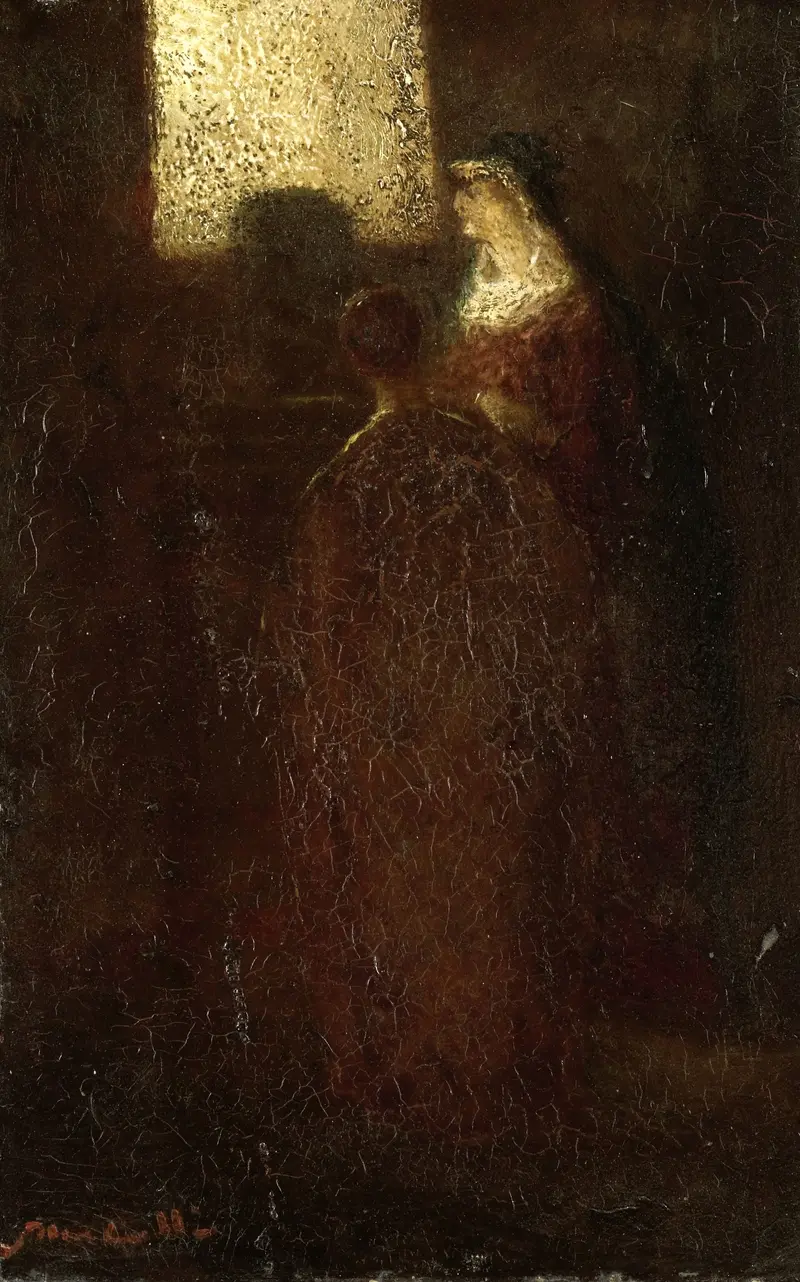
Aan het altaar
Adolphe Monticelli
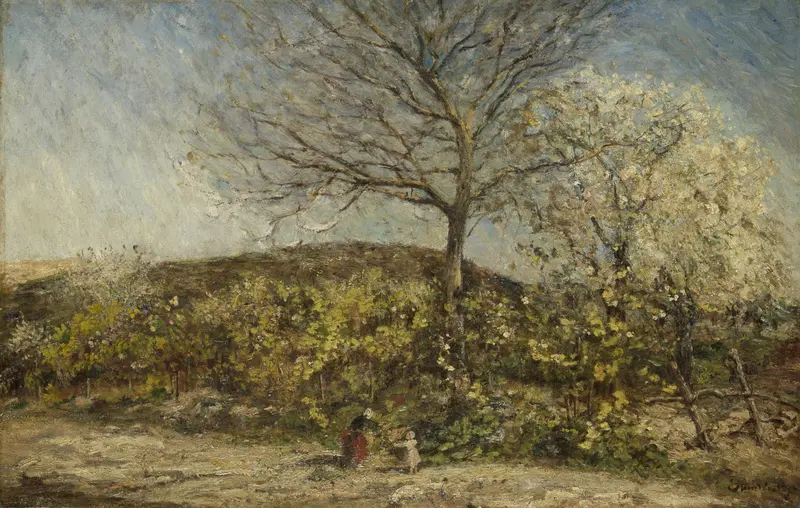
Landschap met bloeiende boomgaard
Adolphe Monticelli
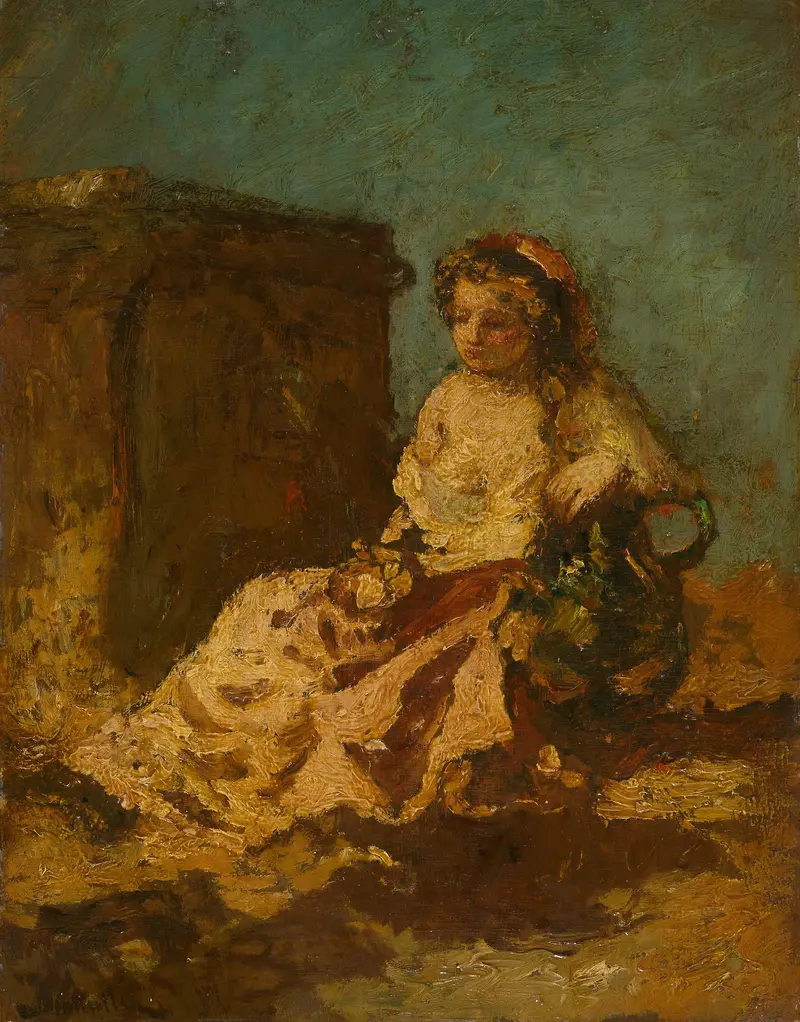
Meditation (Seated Woman)
Adolphe Monticelli
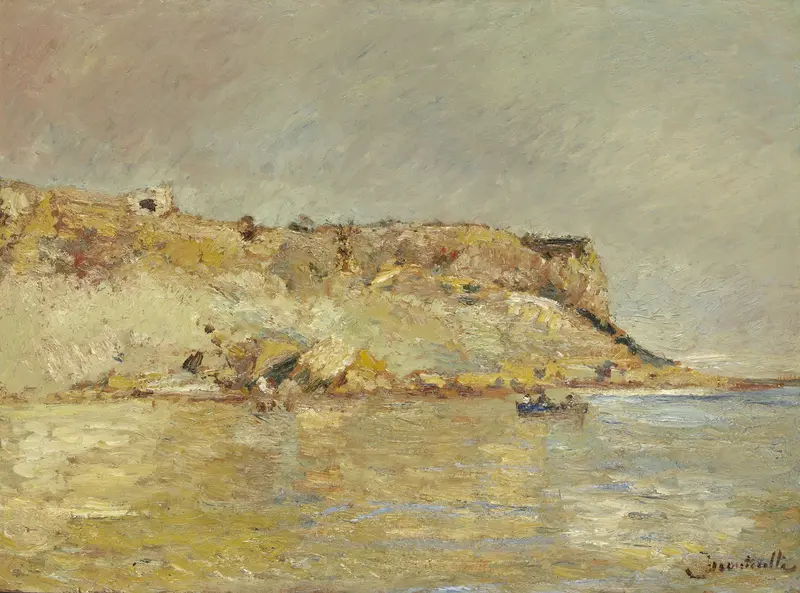
Coastal Mountains
Adolphe Monticelli

Landscape with Figures
Adolphe Monticelli





