Flute glass — History & Facts
Did the painter know this moment would outlive them? The delicate flute glass, frozen in time, seems to whisper secrets of solitude and reflection, inviting us to ponder the weight of isolation captured within its fragile form. Look closely at the shimmering surface of the glass, where light refracts and bends, casting a spectrum of colors onto the table beneath. Notice how the artist executed the intricate details, from the fine etchings that adorn the vessel to the subtle shadows that cradle it, creating a sense of depth and weight. The deep, rich tones of the background contrast with the luminous clarity of the glass, emphasizing its ethereal presence.
This interplay of light and shadow draws the eye, encouraging an exploration of both the visible and the unseen. As you observe, consider the emotional resonance of the glass as it stands alone, untouched and pristine. It embodies a poignant sense of loneliness, evoking questions about its purpose and the stories it could tell if only it could speak. The absence of any human figure further amplifies this sense — it is an invitation to reflect on our own moments of solitude, where even the simplest object can become a vessel for longing and introspection. This artwork, created between 1680 and 1700, reflects a time when still-life painting gained prominence, allowing artists to explore objects with extraordinary detail and emotion.
The anonymous artist likely worked during a period rich with artistic innovation, where the beauty of everyday items was celebrated. With the rise of the bourgeois class, such depictions became both a documentation of material culture and a profound contemplation of human experience.
More Artworks by Unknown Artist
Browse all →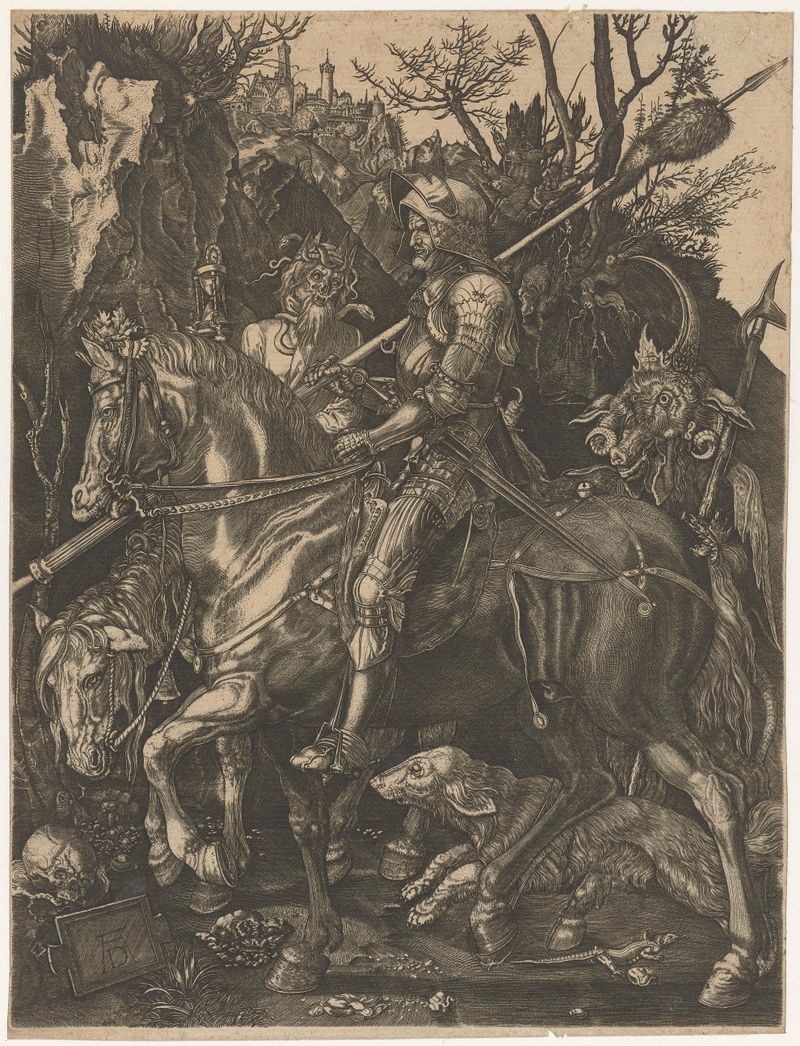
Ridder, Dood en Duivel
Unknown Artist
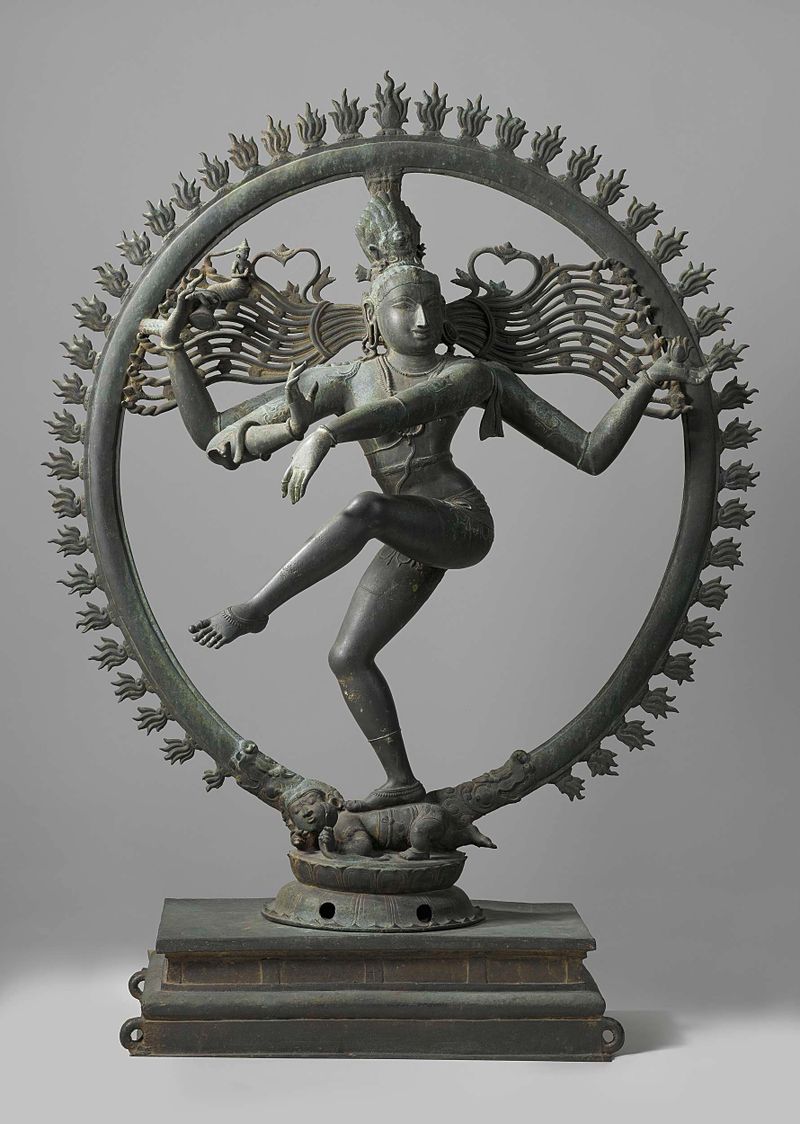
Shiva Nataraja
Unknown Artist
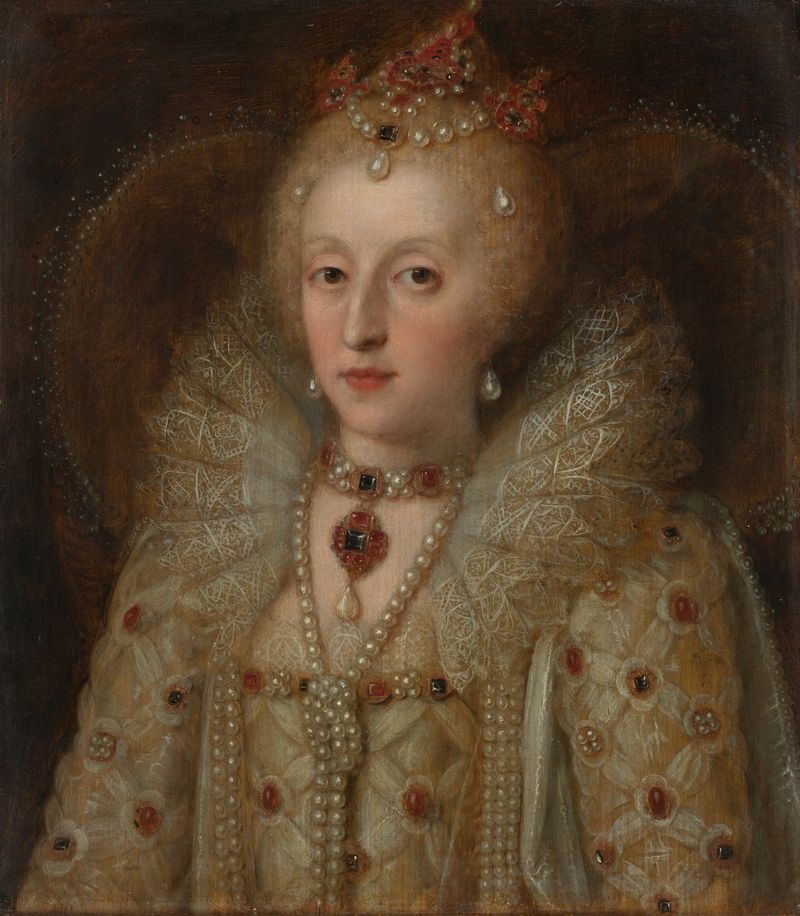
Portrait of Elizabeth I, Queen of England
Unknown Artist
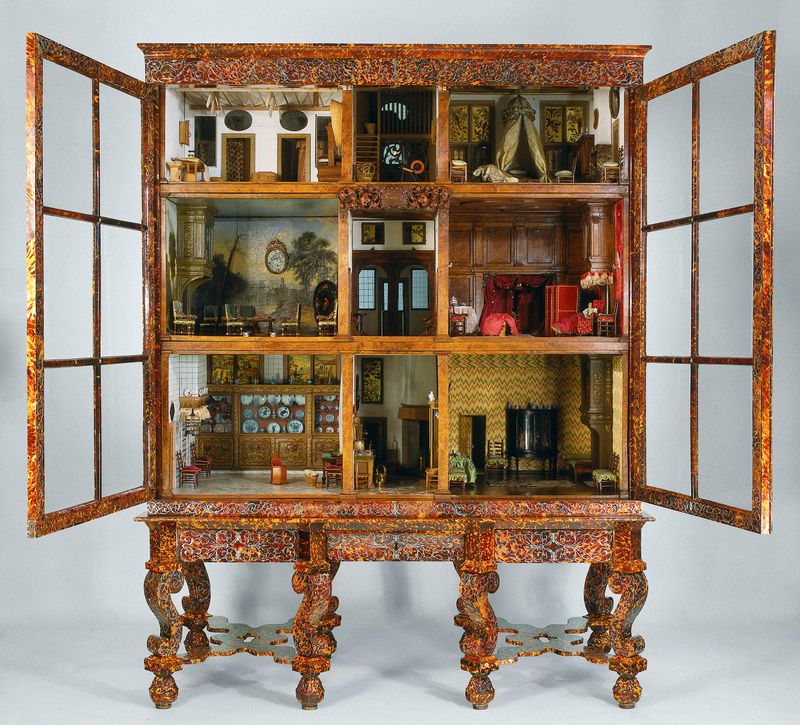
Dolls’ house of Petronella Oortman
Unknown Artist
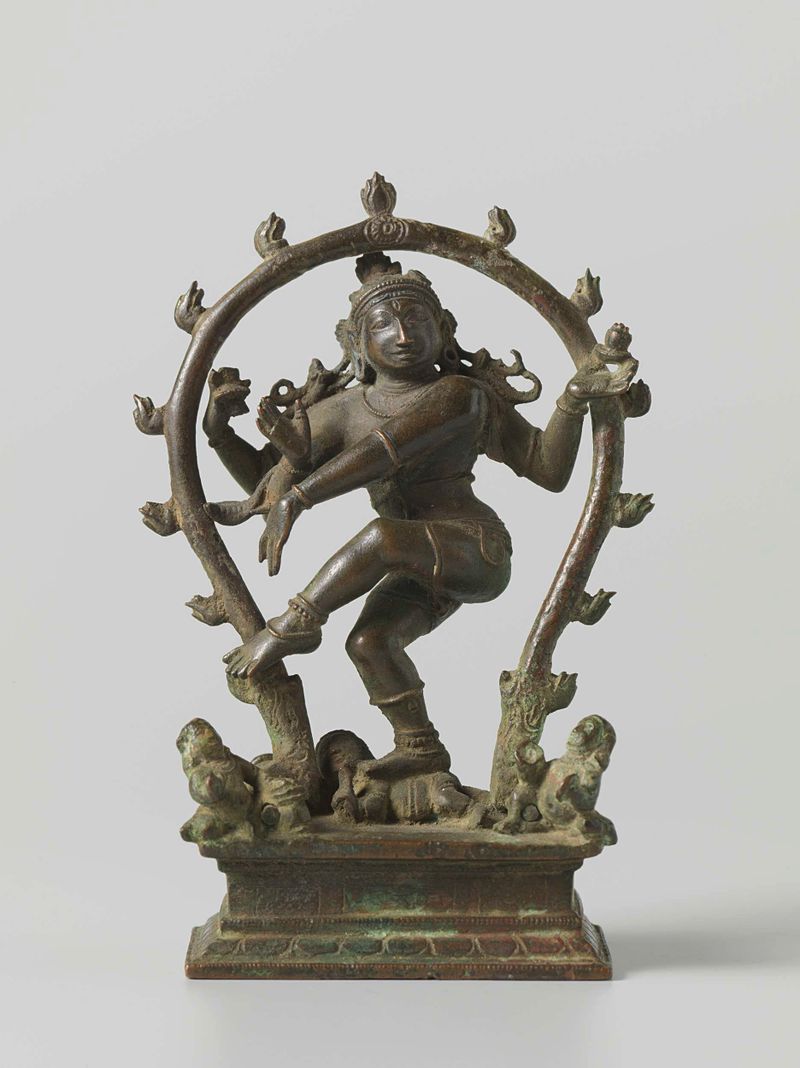
Shiva Nataraja
Unknown Artist

The Tale of Genji
Unknown Artist

The Tale of Genji
Unknown Artist
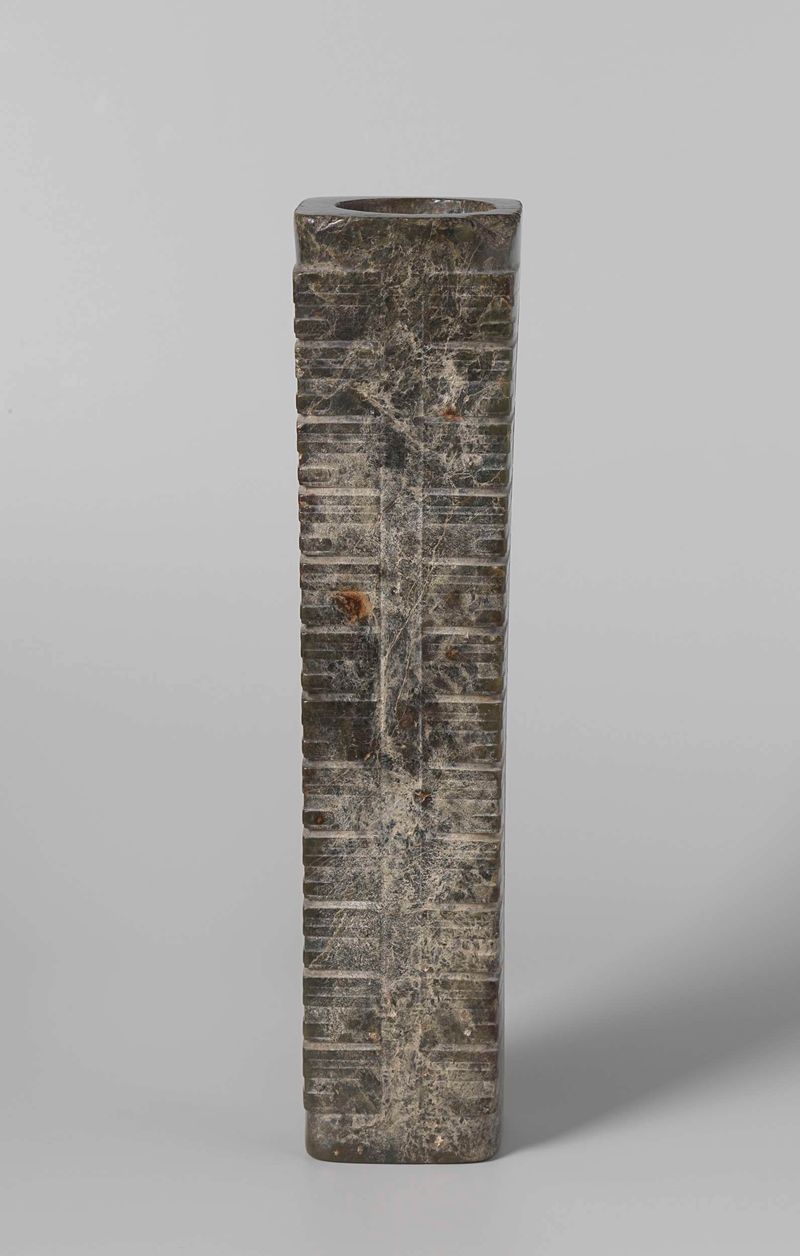
Cong
Unknown Artist
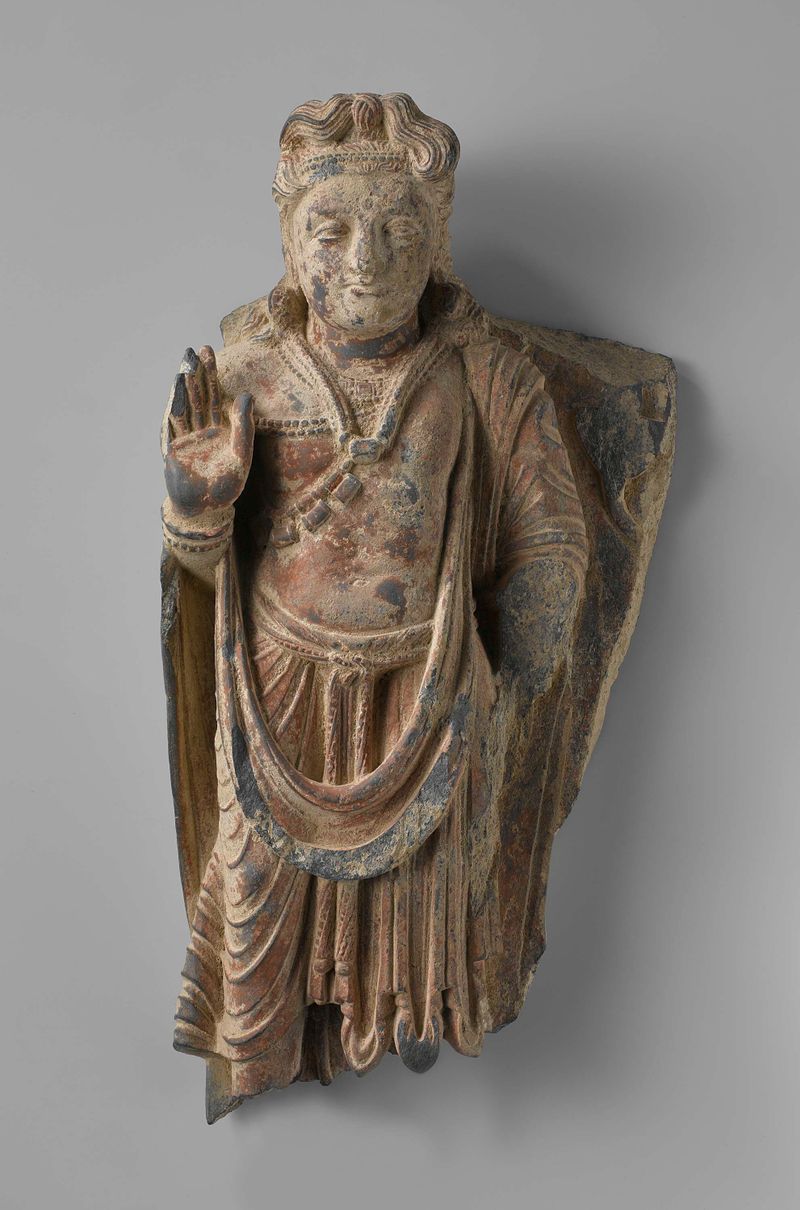
The bodhisattva Maitreya
Unknown Artist
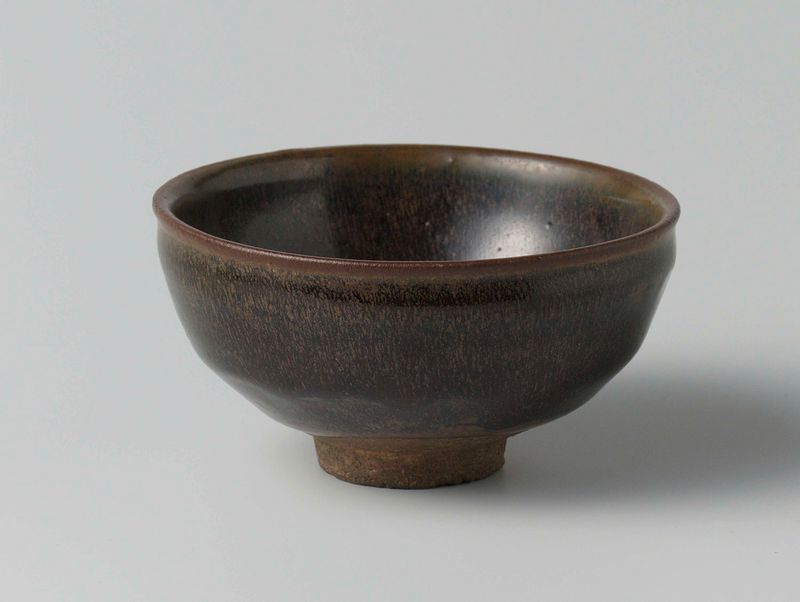
Teabowl with a 'hare's fur' glaze
Unknown Artist