Fog, Lanternes Allumées — History & Facts
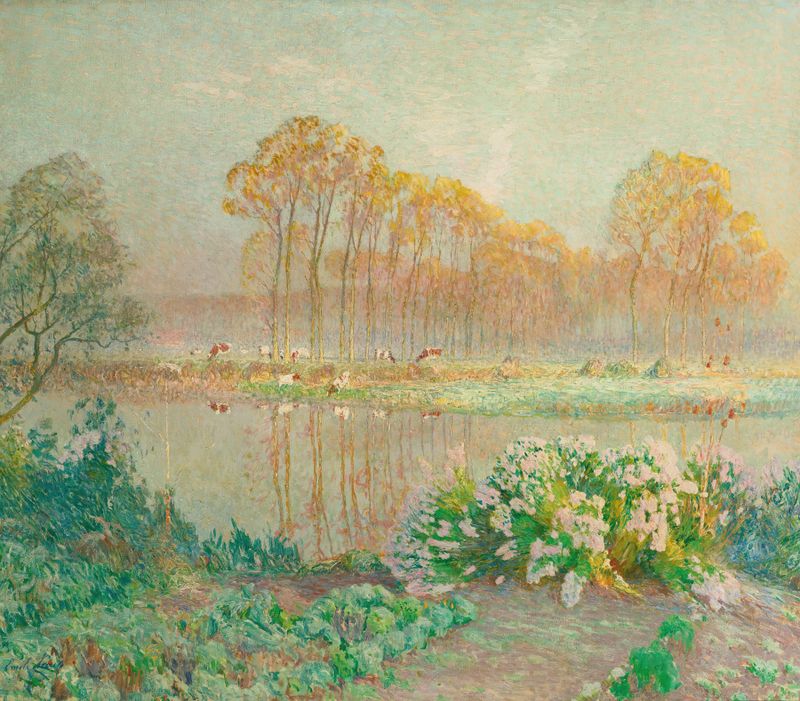
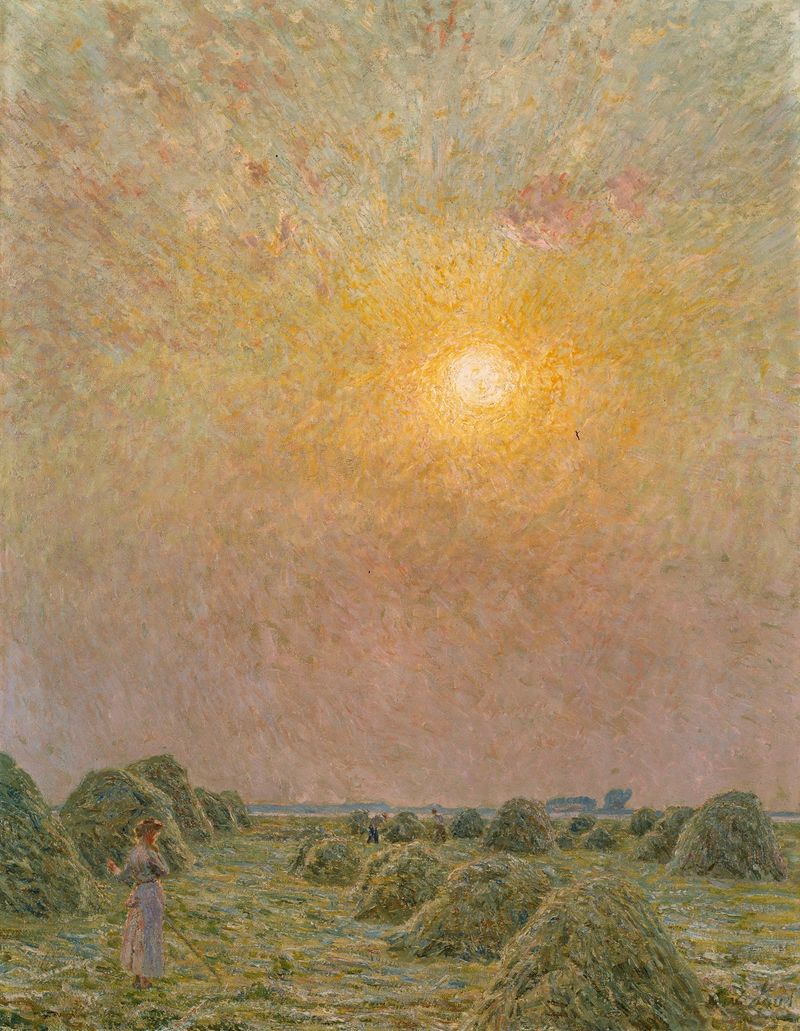
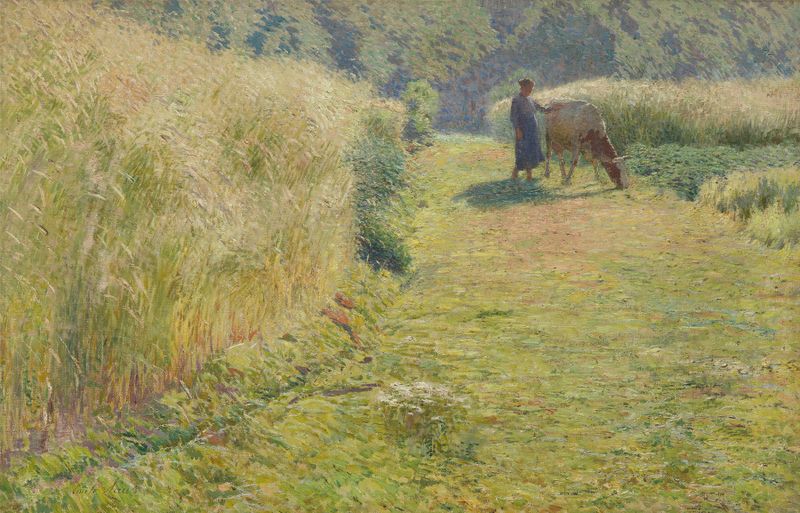
Who listens when art speaks of silence? In the stillness of Fog, Lanternes Allumées, a profound revelation unfolds, inviting the viewer to ponder the unseen depths of life beyond the visible. Look closely at the gentle gradients of muted blues and grays that envelop the scene, guiding your gaze toward the soft glow of lanterns scattered throughout. Each source of light flickers as if whispering secrets hidden in the fog, illuminating delicate brushstrokes that create a sense of depth and atmosphere. The composition pulls you into an ethereal world where the boundary between reality and imagination blurs, allowing the lanterns to captivate your attention before they fade softly into the mist. Within this tranquil setting lies a tension between light and darkness, revealing the dual nature of solitude.
The lanterns symbolize hope amid obscurity, while the enveloping fog suggests the weight of uncertainty. Together, they evoke a sense of yearning, inviting the viewer to reflect on personal experiences of longing and revelation. Each element of the painting, from the subdued palette to the interplay of light and shadow, embodies an emotional landscape that resonates deeply. Emile Claus painted this piece in a time when Impressionism was beginning to take hold, around the late 19th century, in Belgium.
Caught between the traditions of the past and the burgeoning modernist movement, Claus sought to capture the ephemeral qualities of light and atmosphere, transforming his intimate observations into an art form that spoke to the inner workings of the human soul. This work stands as a testament to his mastery of color and composition, a quiet conversation between the seen and the felt.