
Fog on Guernsey (Brouillard à Guernsey) — History & Facts
Beneath the veil of fog, a world emerges, muted yet rich with the possibility of life and emotion. In this delicate interplay of color, the essence of a moment hangs suspended, inviting viewers to lose themselves in its embrace. Focus first on the ethereal blues and grays that bleed into one another, creating a soft harmony across the canvas. The brushstrokes are fluid and impressionistic, guiding your gaze gently from the misty background to the distant shore.
There, hints of warm ochres and earthy browns begin to take shape, suggesting a landscape half-revealed. Notice how the light, diffused through the fog, softens the transition between land and sea, fostering a sense of tranquility amid uncertainty. Within this serene tableau, the contrasts of color reflect deeper tensions. The cool tones invoke a sense of isolation, while the warmer hues hint at life brimming just beyond the fog’s edge.
The blurred boundaries between sky and water suggest a moment caught in time, awkwardly balancing between presence and absence, inviting contemplation of what lies just out of view. Each brushstroke feels intentional, whispering stories of longing, nostalgia, and the fleeting nature of beauty. In the summer of 1883, Renoir created Fog on Guernsey while he was experimenting with his impressionistic style, deeply influenced by the natural world. At that time, he was focusing on capturing the effects of light and color, responding to modernity's challenges and the evolving art scene.
This artwork reflects his engagement with both the Impressionist movement and the broader artistic currents of the late 19th century, marking a significant moment in his development as an artist.
More Artworks by Pierre-Auguste Renoir
Browse all →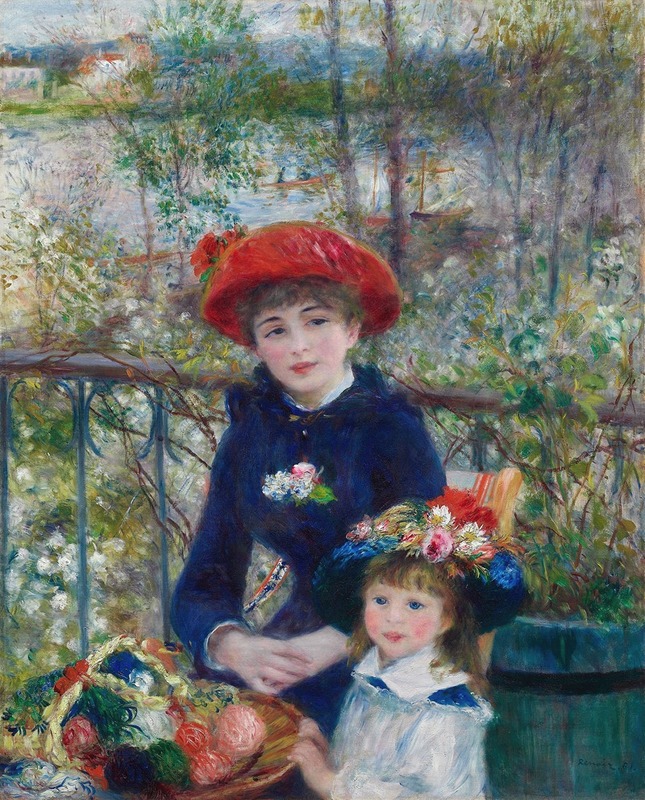
Two Sisters (On the Terrace)
Pierre-Auguste Renoir
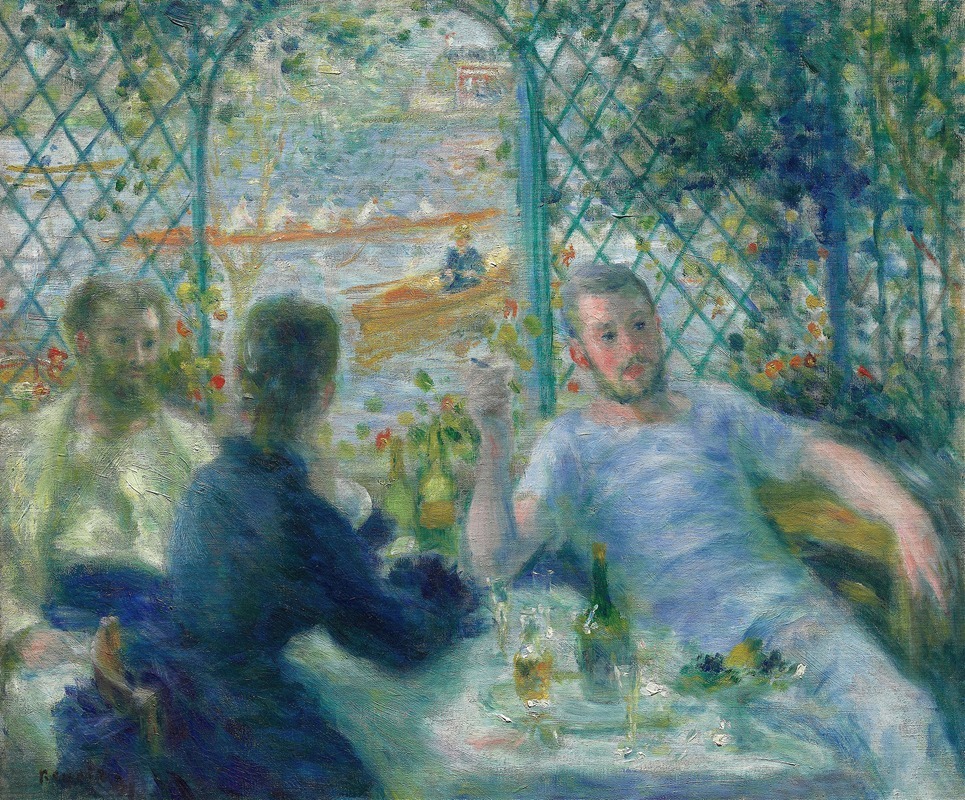
Lunch at the Restaurant Fournaise (The Rowers' Lunch)
Pierre-Auguste Renoir
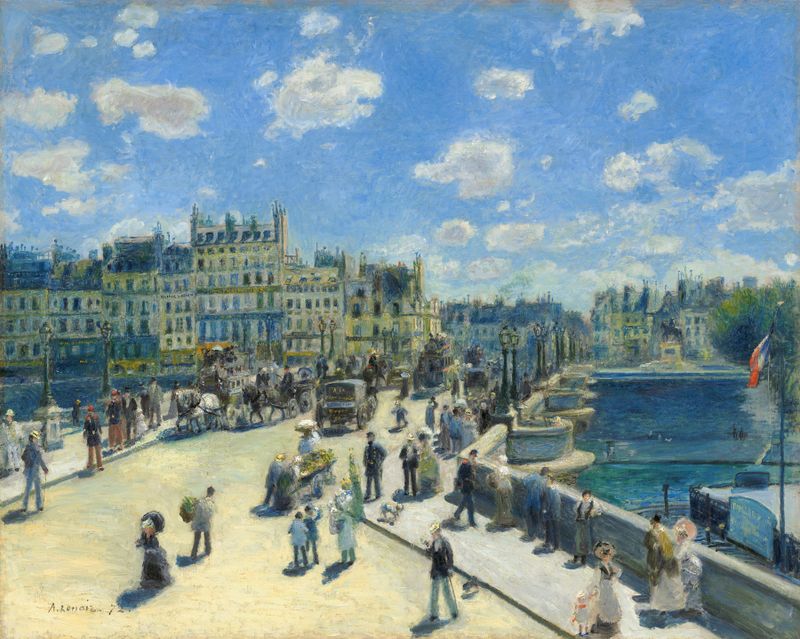
Pont Neuf, Paris
Pierre-Auguste Renoir
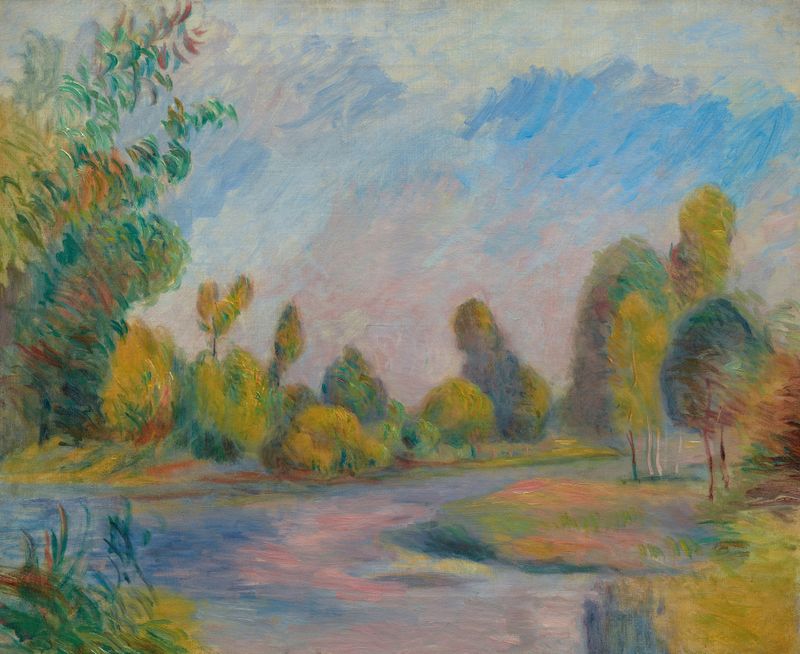
Au bord de la rivière
Pierre-Auguste Renoir

Near the Lake
Pierre-Auguste Renoir
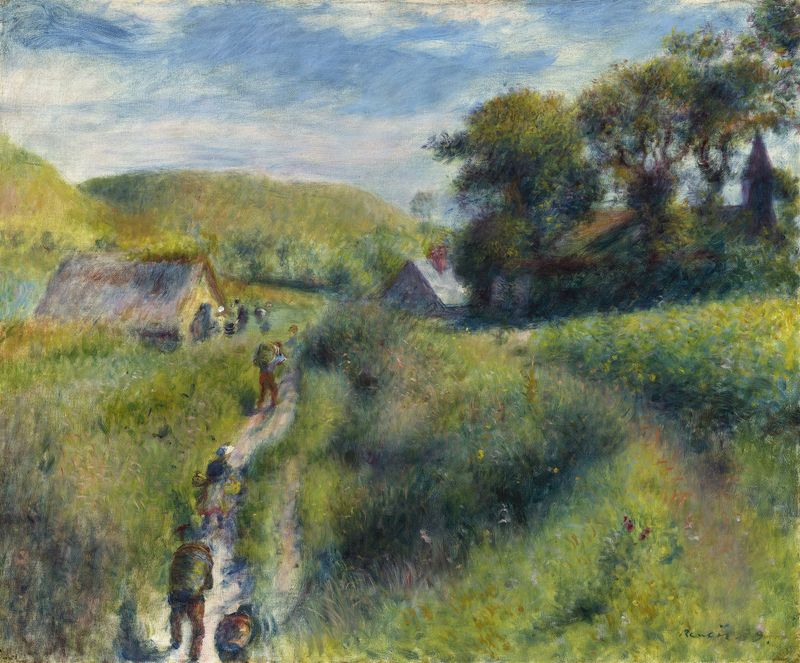
The Mussel Harvest
Pierre-Auguste Renoir

The Seine at Chatou
Pierre-Auguste Renoir
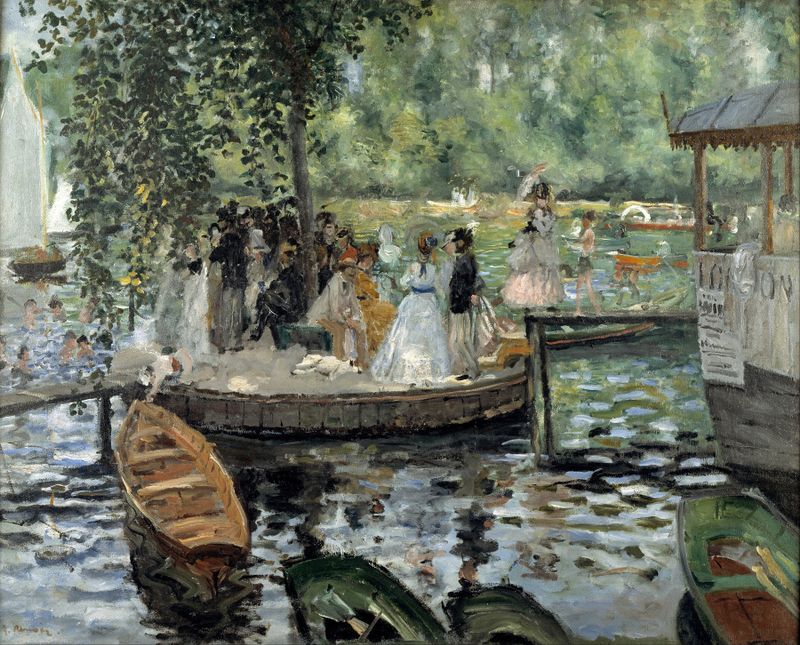
La Grenouillère
Pierre-Auguste Renoir
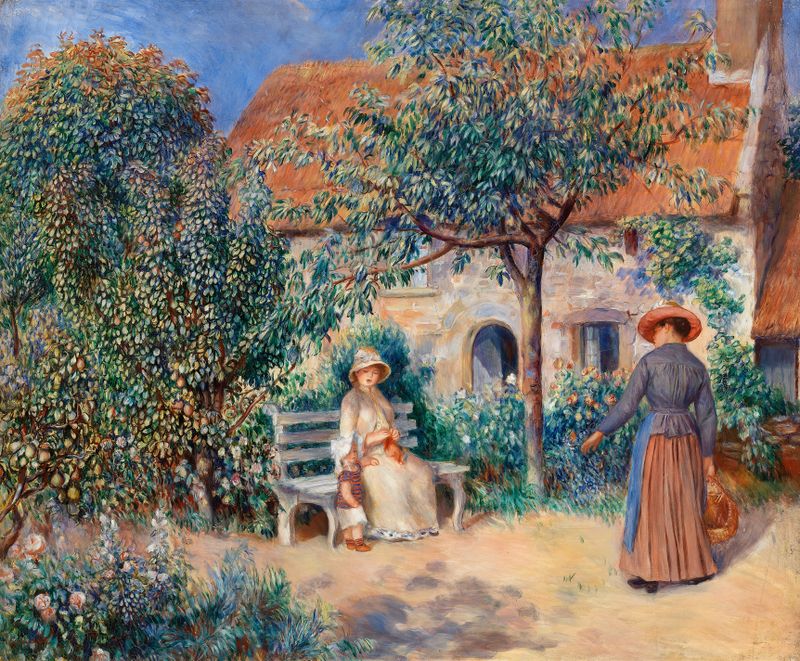
In Brittany (En Bretagne)
Pierre-Auguste Renoir
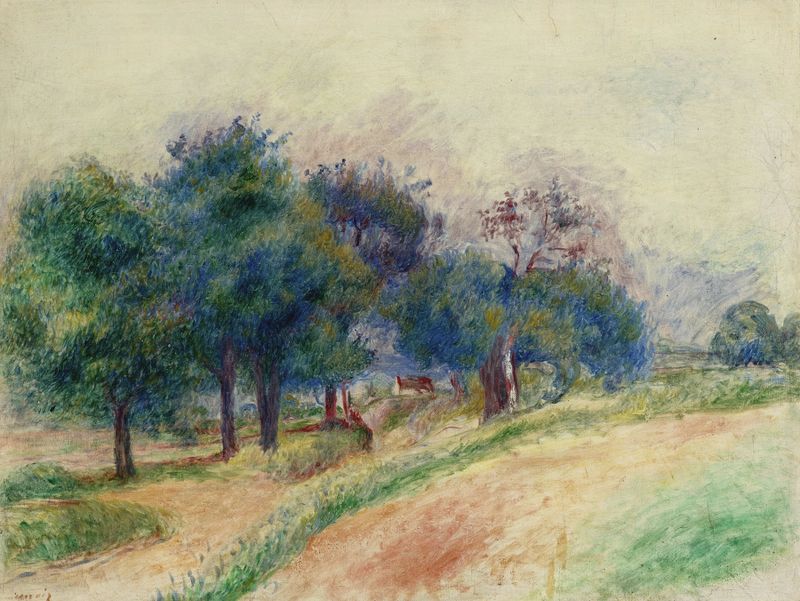
Paysage d’Essoyes
Pierre-Auguste Renoir





