Fountain of Serpents — History & Facts
The complex interplay of color in this piece speaks volumes, whispering secrets that words cannot convey. Look to the depths of the serpentine forms, where rich greens and vibrant blues collide, drawing the eye into a mesmerizing dance. Notice how the light cascades over the surface, illuminating the scales of the serpents while casting shadows that echo the tension between chaos and tranquility. The subtle gradients in hues create a sense of movement, as if the fountain itself is alive, bubbling with unspoken stories waiting to be revealed. Delve deeper to discover the contrasts that lie beneath the surface.
The serenity of the water juxtaposes the perceived menace of the serpents, inviting contemplation on duality—beauty intertwined with danger. Each snake symbolizes a different emotion: curiosity, fear, seduction. Together, they narrate an ancient fable, their intertwined bodies illustrating the universal struggle between instinct and intellect, desire and restraint. In 1810, Luigi Mayer painted Fountain of Serpents during a time of burgeoning Romanticism, a movement characterized by an intense exploration of nature and emotion.
Living in Italy, he was influenced by a world that was transitioning between Enlightenment rationality and the emotional depths that the Romantics celebrated. This piece captures the essence of that period, reflecting both personal and collective narratives through the lens of a vibrant, expressive color palette.
More Artworks by Luigi Mayer
Browse all →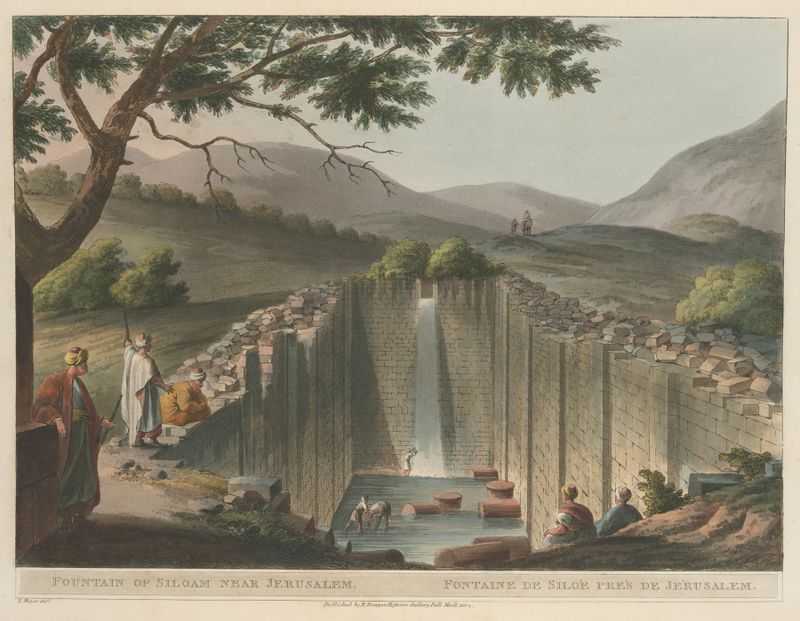
Fountain of Siloam Near Jerusalem
Luigi Mayer

View of the Dardanelles
Luigi Mayer

Port of Latachia
Luigi Mayer

Stadium at Ephesus
Luigi Mayer

Ancient Temples at Agrigentum
Luigi Mayer
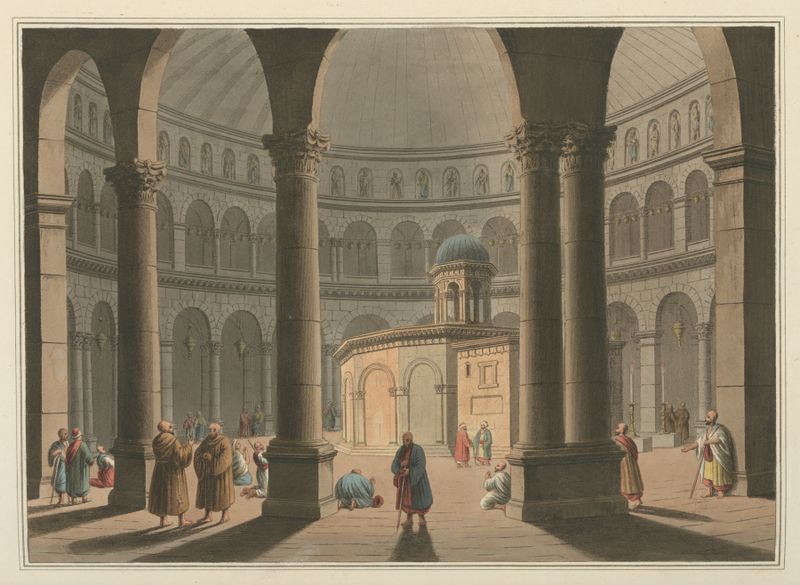
Church of the Holy Sepulchre
Luigi Mayer
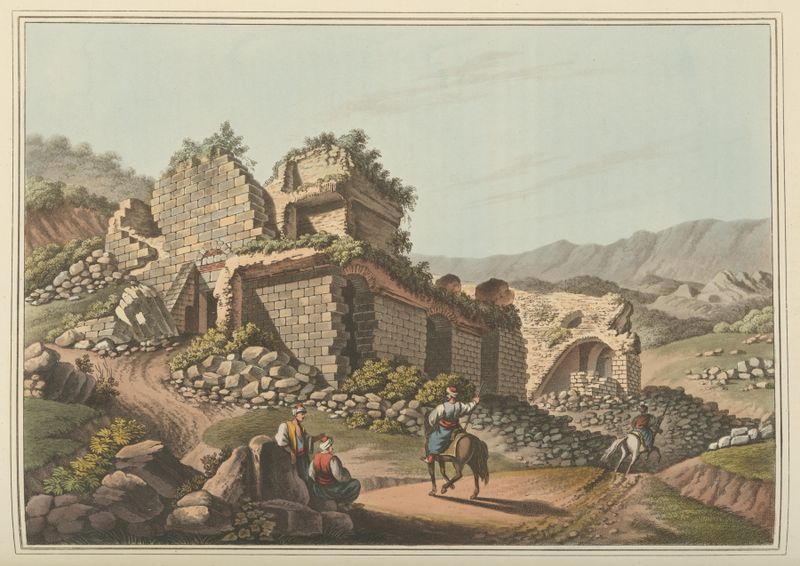
Theatre at Ephesus
Luigi Mayer
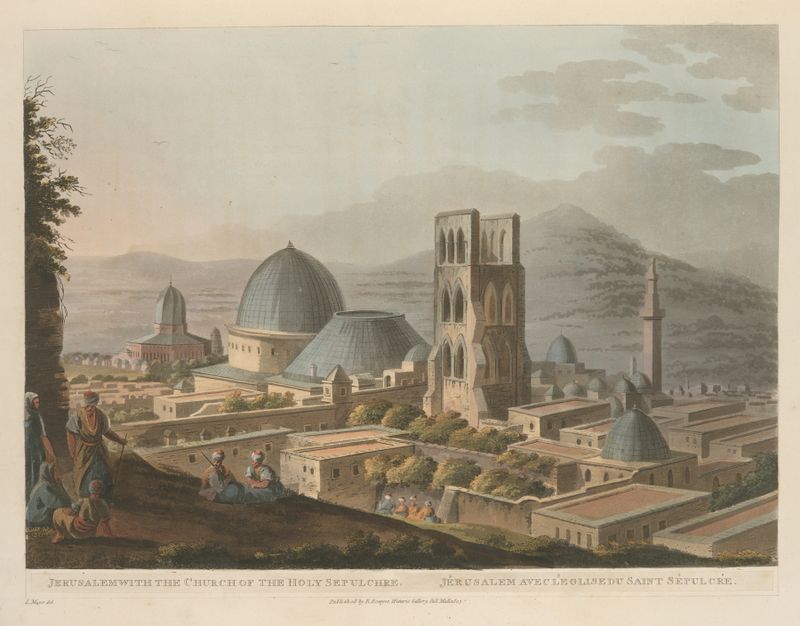
Jerusalem with the Church of the Holy Sepulchre
Luigi Mayer
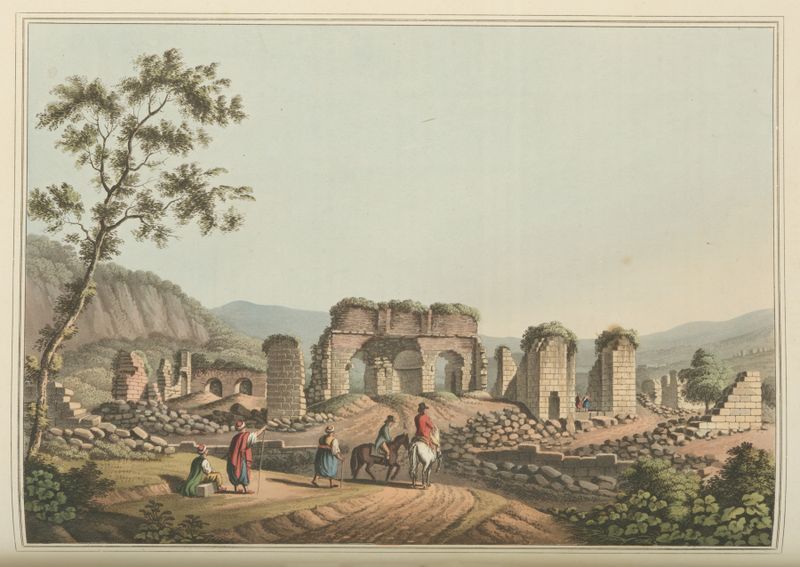
Ruins of the Temple of Diana at Ephesus
Luigi Mayer

Crater in the Island of Volcano
Luigi Mayer