Fragment of a garden with an urn on a pedestal — History & Facts
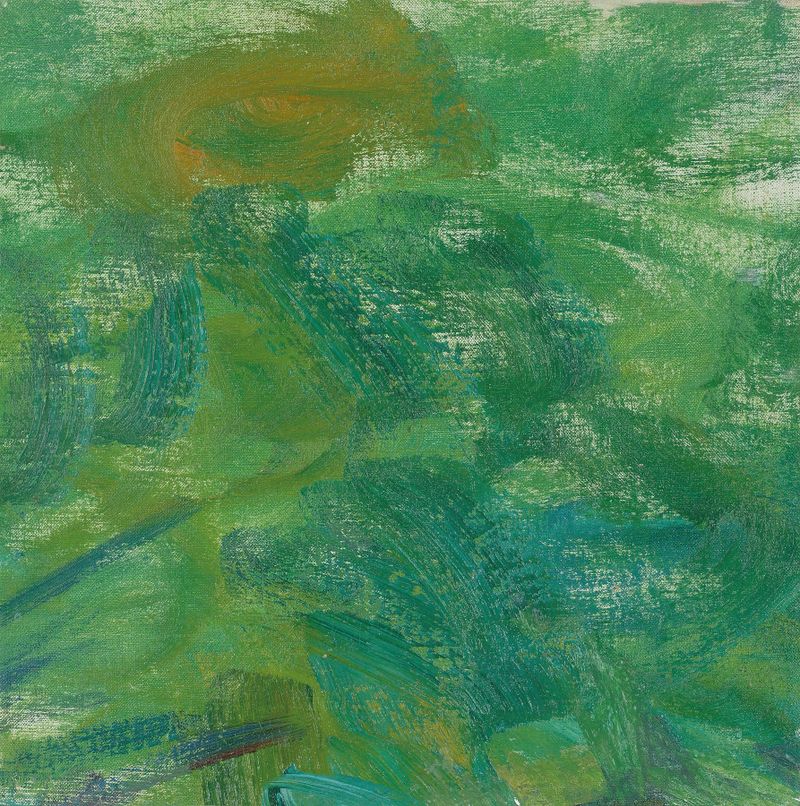
In the dappled light of a sunlit afternoon, a secluded garden unfolds—a tranquil oasis where nature and artistry intertwine. Foliage sways gently in the breeze, casting playful shadows on the ground. At the center stands a weathered urn on a pedestal, a silent sentinel bearing witness to the serenity that envelops this hidden retreat. Look to the left, where lush greenery spills out in vibrant hues, the rich greens contrasting with the soft earth tones of the urn.
Notice how the light filters through the leaves, spotlighting the intricate details of the pedestal's carvings, inviting the eye to explore its textured surface. The composition is meticulously balanced, with the urn drawing the viewer’s gaze as it anchors the scene amidst the chaos of nature, showcasing Jabłczyński's skillful hand. Delve deeper into the juxtaposition between the tranquility of the garden and the solidity of the urn, which symbolizes permanence amidst the fleeting nature of life. Each leaf and petal suggests growth and renewal, while the pedestal speaks to humanity’s attempt to immortalize beauty, creating a tension between the ephemeral and the eternal.
The colors—warm browns and vibrant greens—evoke a sense of harmony, a delicate balance between wildness and order. Feliks Jabłczyński painted Fragment of a garden with an urn on a pedestal in 1911 while he was immersed in the artistic movements of early 20th century Poland, where a resurgence of national identity influenced many artists. During this time, Jabłczyński focused on themes of nature, striving to capture the serenity and beauty of everyday life amidst the complexities of a rapidly changing world.
More Artworks by Feliks Jabłczyński
Browse all →
Villa Borgia in Rome
Feliks Jabłczyński

Mariensztat Street in Warsaw
Feliks Jabłczyński
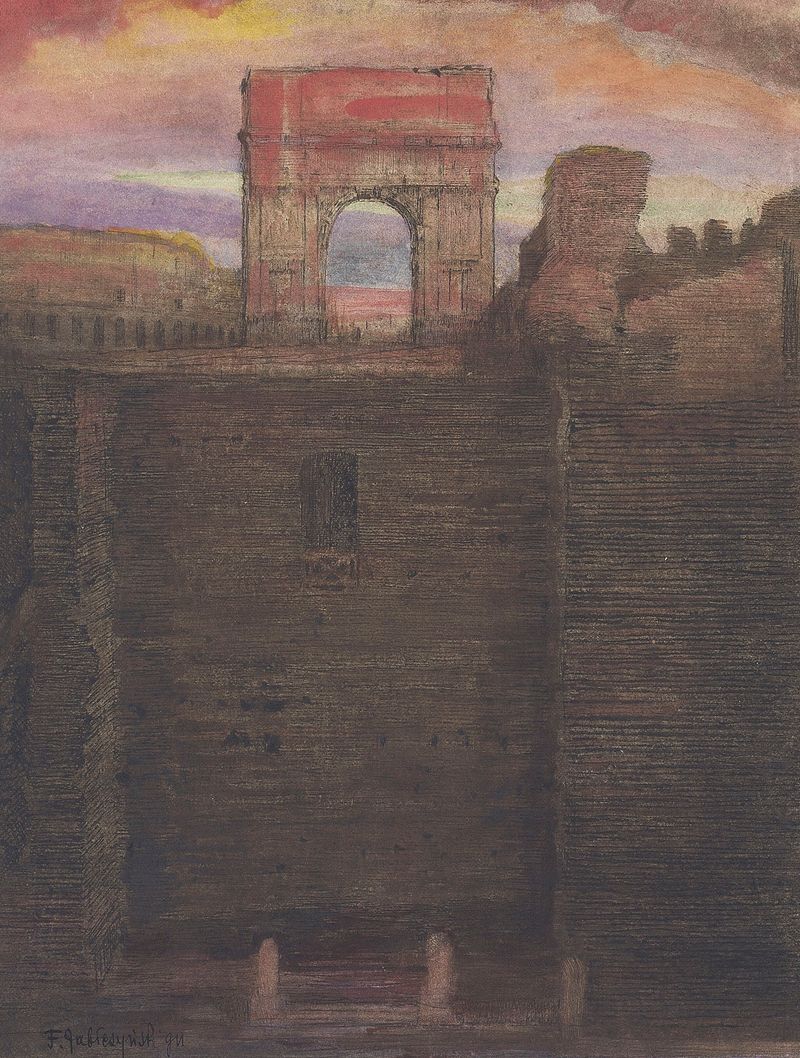
The House of Vestals and the Arch of Titus in the background
Feliks Jabłczyński
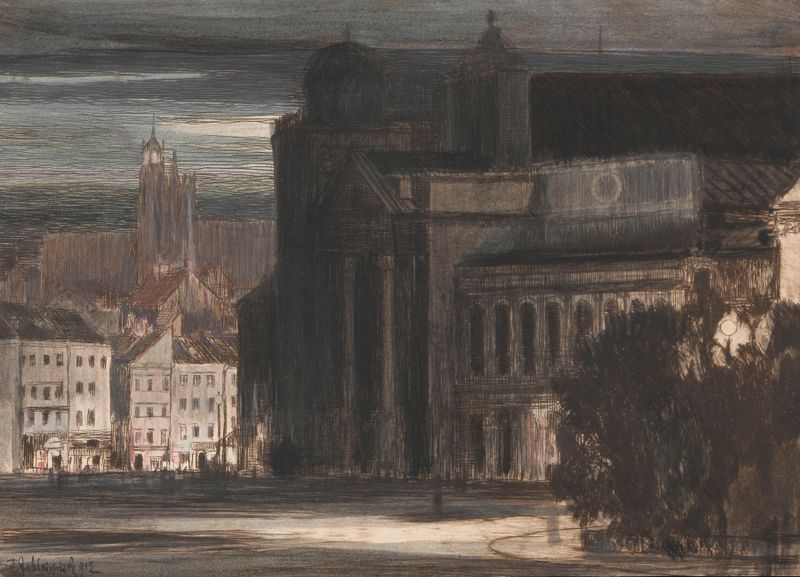
View of the Church of St. Anna and the Castle Square in Warsaw
Feliks Jabłczyński

Kaplica Boimów we Lwowie
Feliks Jabłczyński
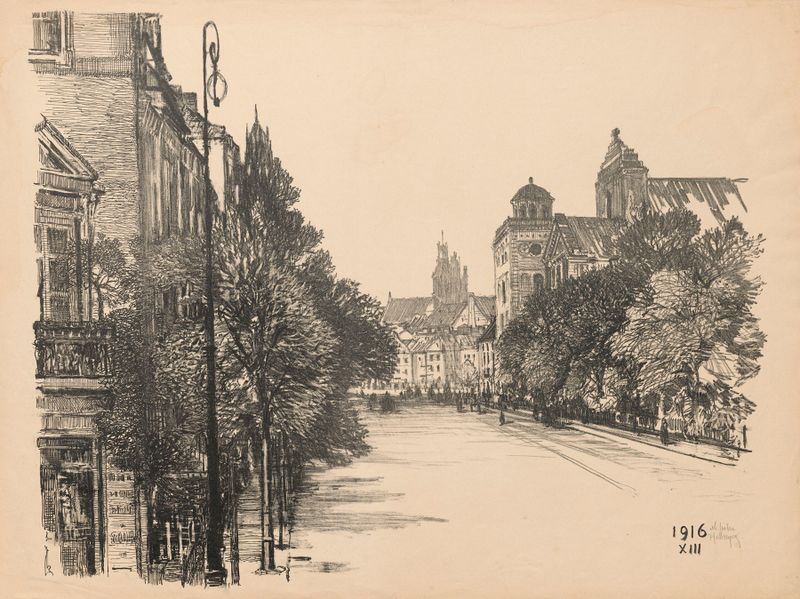
Krakowskie Przedmieście Street
Feliks Jabłczyński
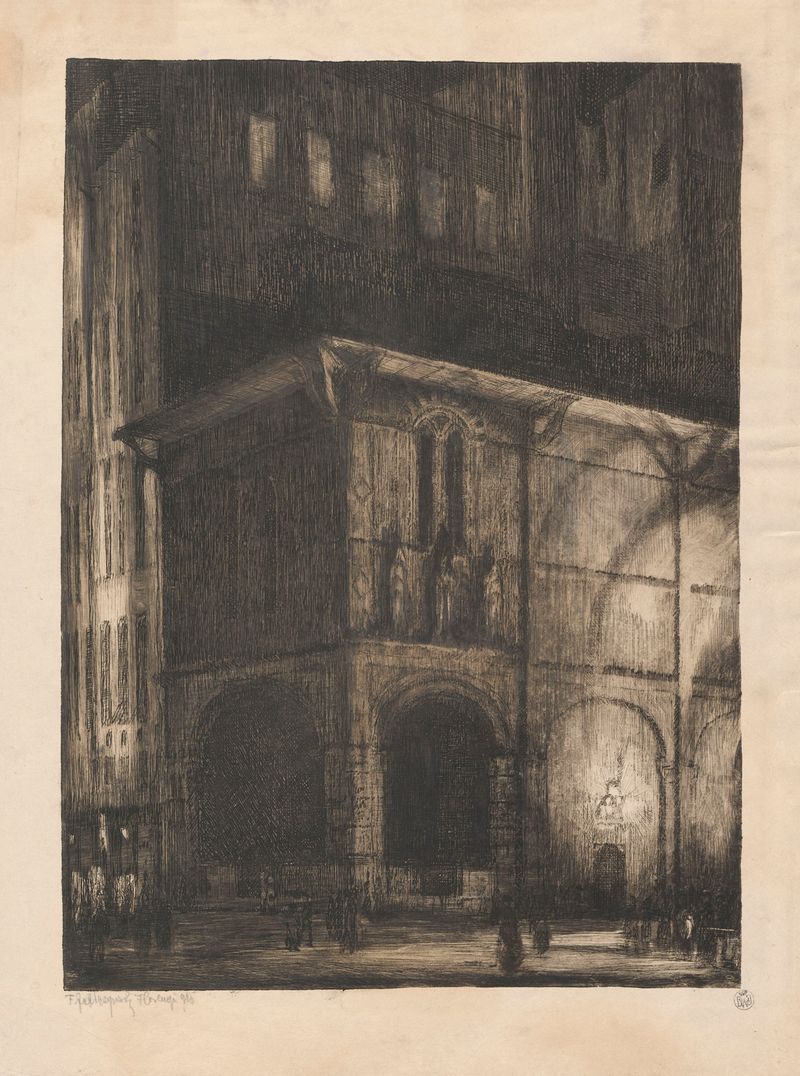
Florence
Feliks Jabłczyński
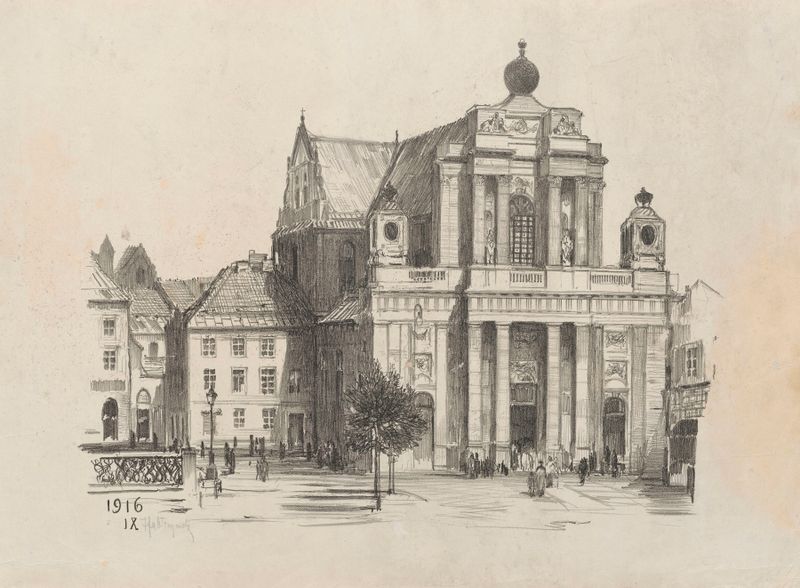
Carmelite Church.
Feliks Jabłczyński

The Visitation Sisters Church
Feliks Jabłczyński
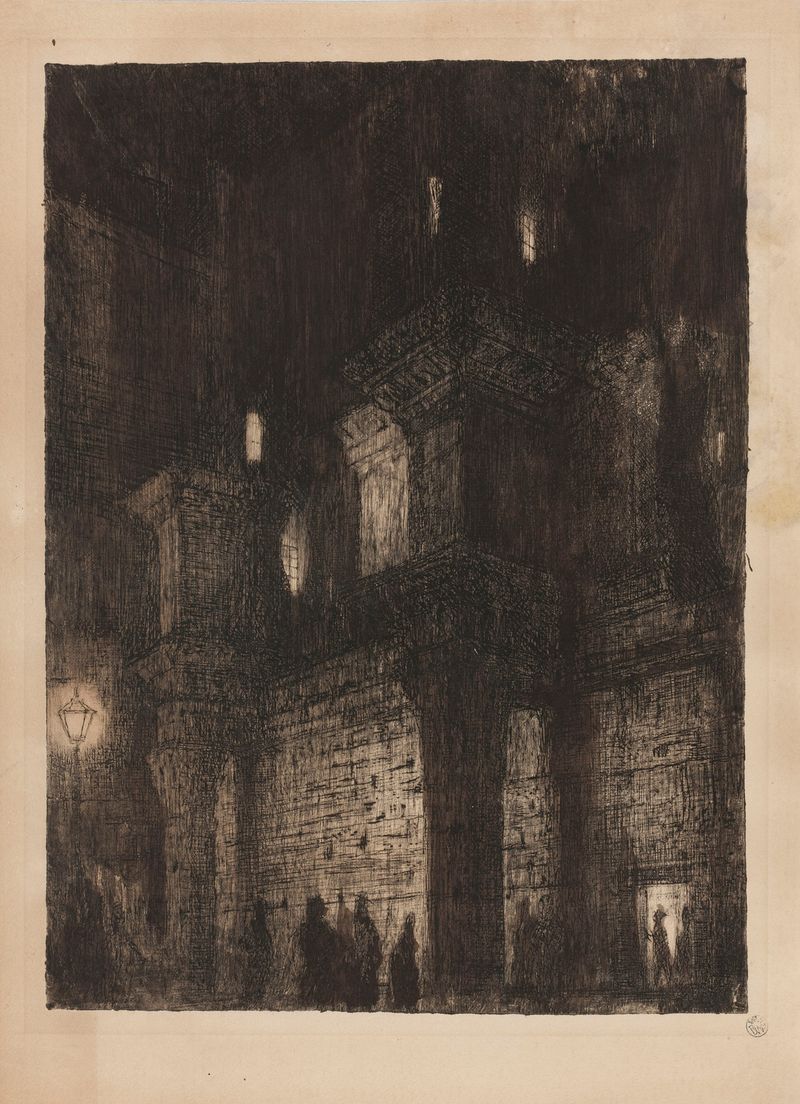
Forum Nervae
Feliks Jabłczyński