
Frauenbildnis (Portrait of a Woman) — History & Facts
What first seizes the eye in Frauenbildnis (Portrait of a Woman) is the electric confidence of the sitter: her sharply contoured face, outlined in black, and the vivid, angular planes of her clothing seem to pulse with contained energy. The woman’s gaze is direct, almost challenging, her posture both composed and alert, as if she is caught mid-thought or about to rise. The saturated blues and reds of her dress and the chair behind her are not mere decoration—they push the figure forward, making her presence impossible to ignore.
Kirchner’s brushwork is brisk and decisive, flattening space and simplifying form to amplify the psychological charge. The background, with its stylized figures and bold greens, hints at a world beyond her, but she remains the undeniable center. Painted in 1911, this work stands at the heart of the Expressionist movement, a period when artists like Ernst Ludwig Kirchner sought to break free from academic tradition and capture the inner life of their subjects. The bold palette and jagged outlines speak to a moment of upheaval in early twentieth-century Germany, when artists were turning to color and line as tools of emotional truth rather than faithful representation.
Works like this were rarely commissioned portraits in the old sense; instead, they were explorations—sometimes of friends, muses, or models, sometimes of the artist’s own psyche. Today, Frauenbildnis resides in the Buffalo AKG Art Museum, a fragment of a restless age that invites us to look again and wonder what the sitter might be thinking, or what world she sees beyond the frame.
More Artworks by Ernst Ludwig Kirchner
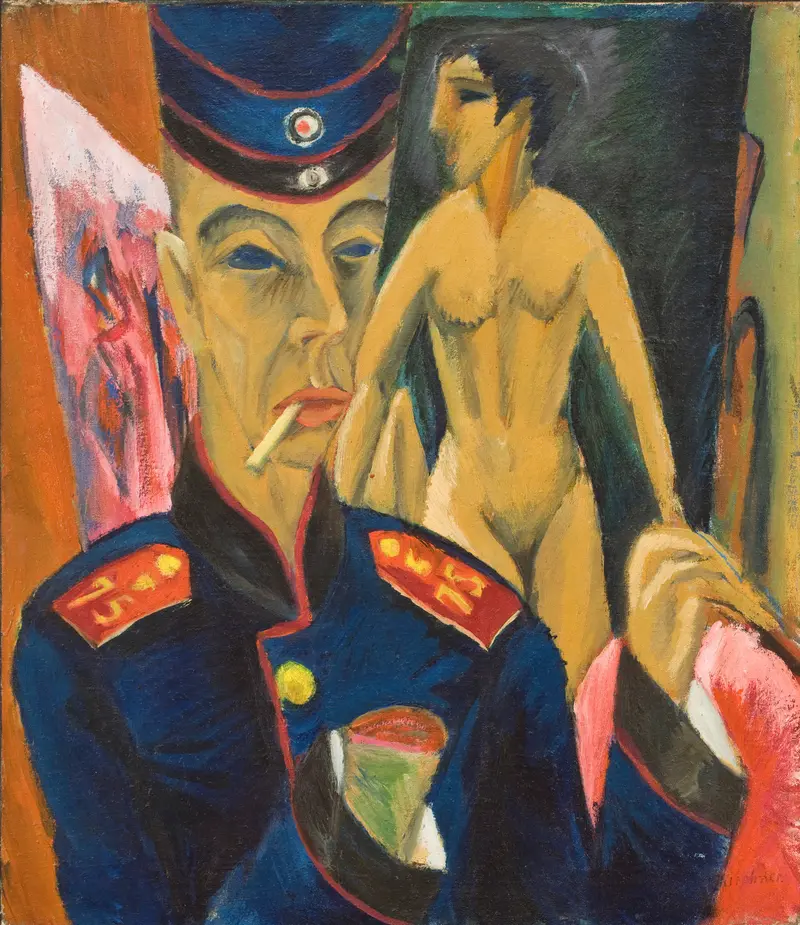
Self-Portrait as a Soldier
Ernst Ludwig Kirchner
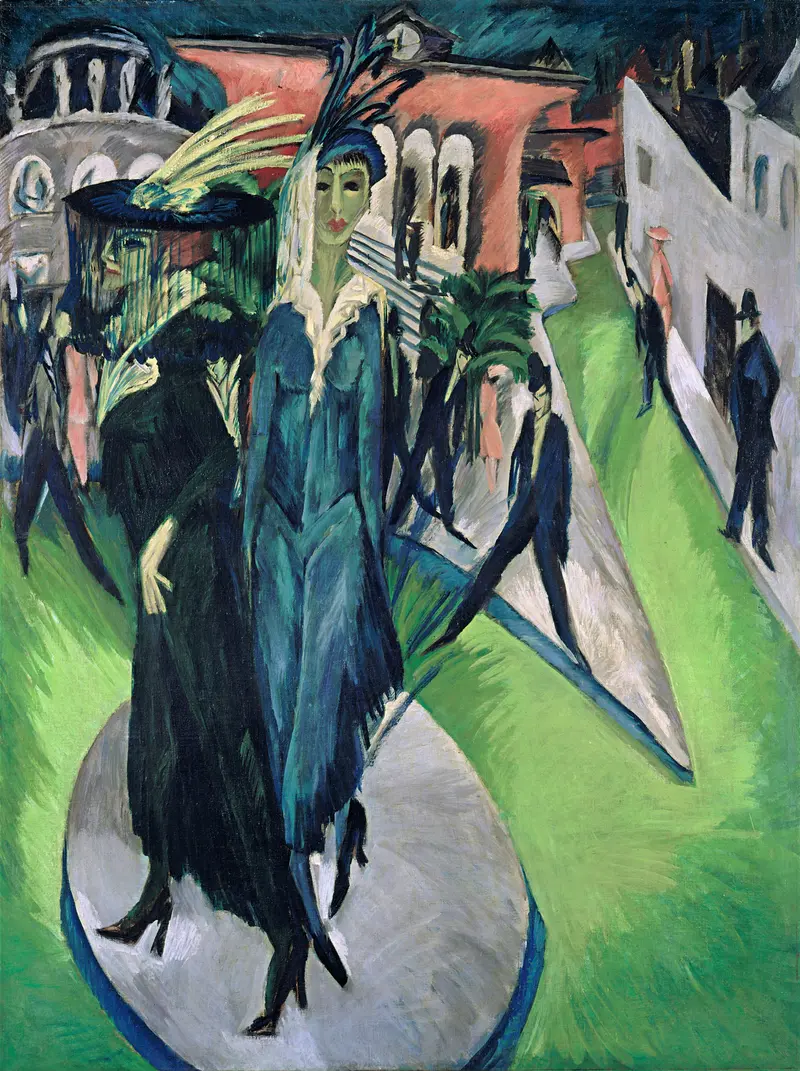
Potsdamer Platz
Ernst Ludwig Kirchner

Alphütten und Tinzenhorn
Ernst Ludwig Kirchner
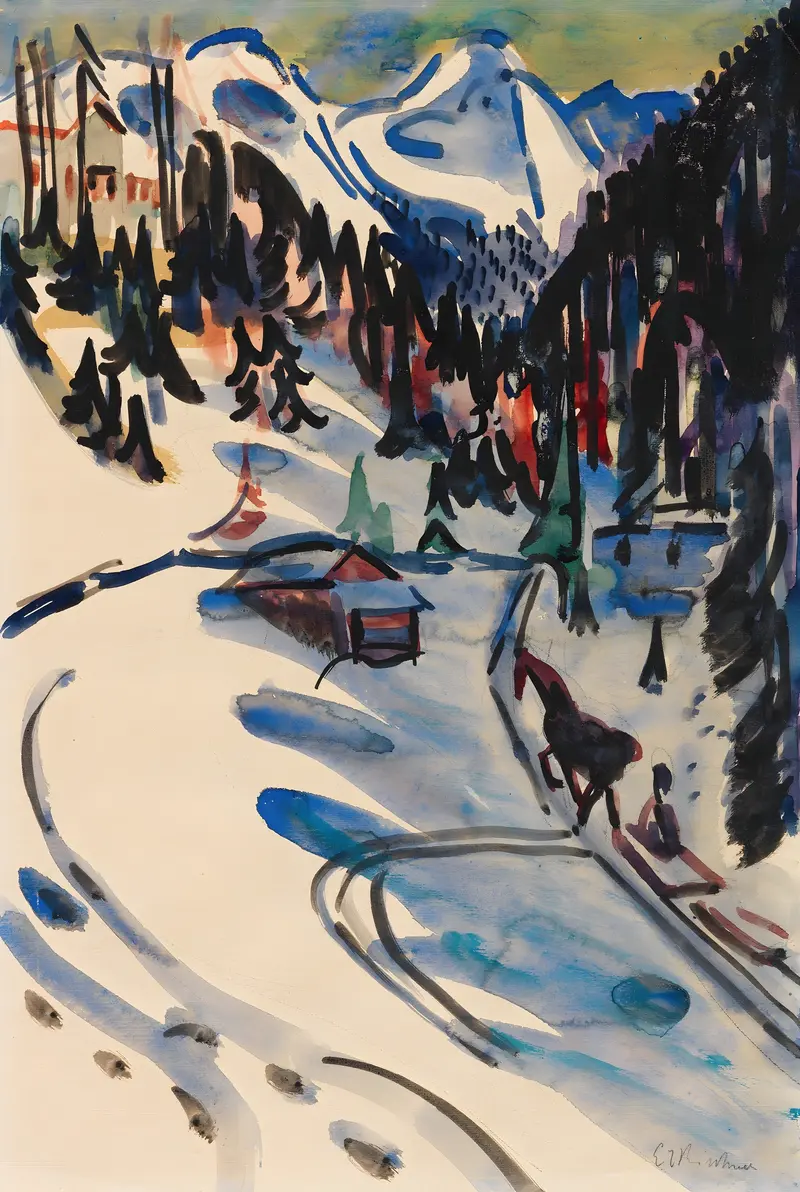
Sertigtal im Winter
Ernst Ludwig Kirchner
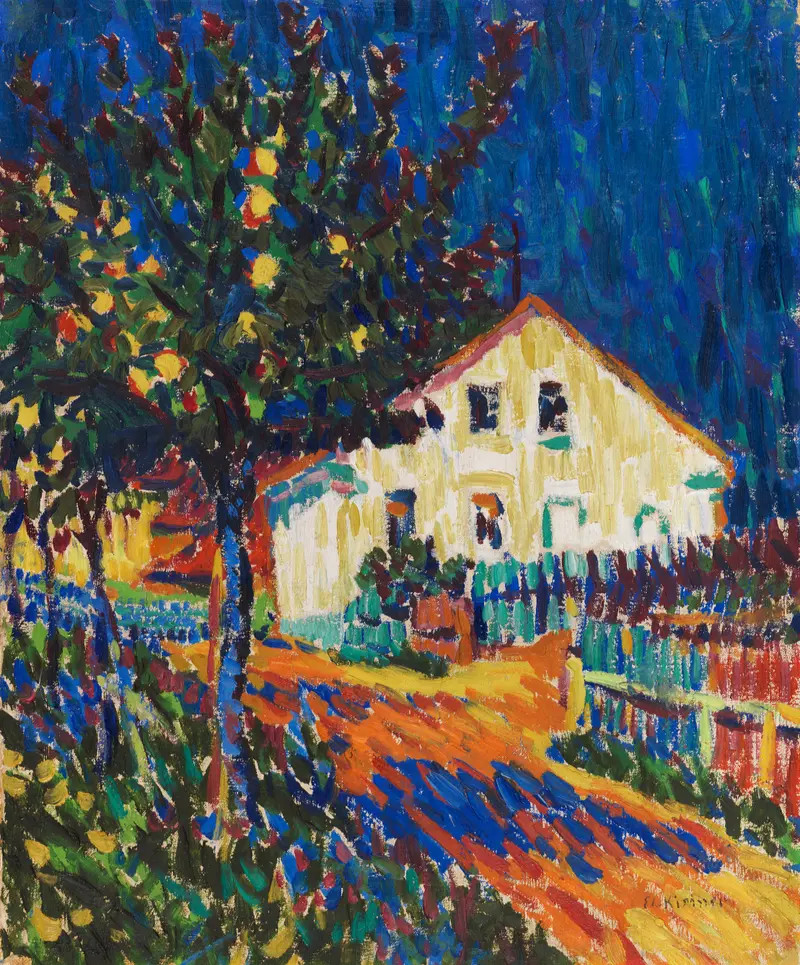
Dorfstraße mit Apfelbäumen
Ernst Ludwig Kirchner
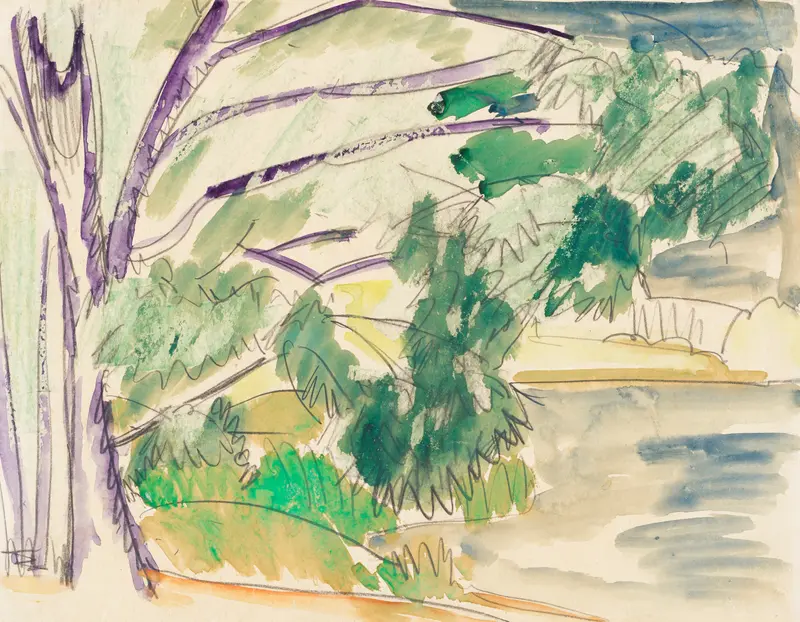
Unter Bäumen am See
Ernst Ludwig Kirchner
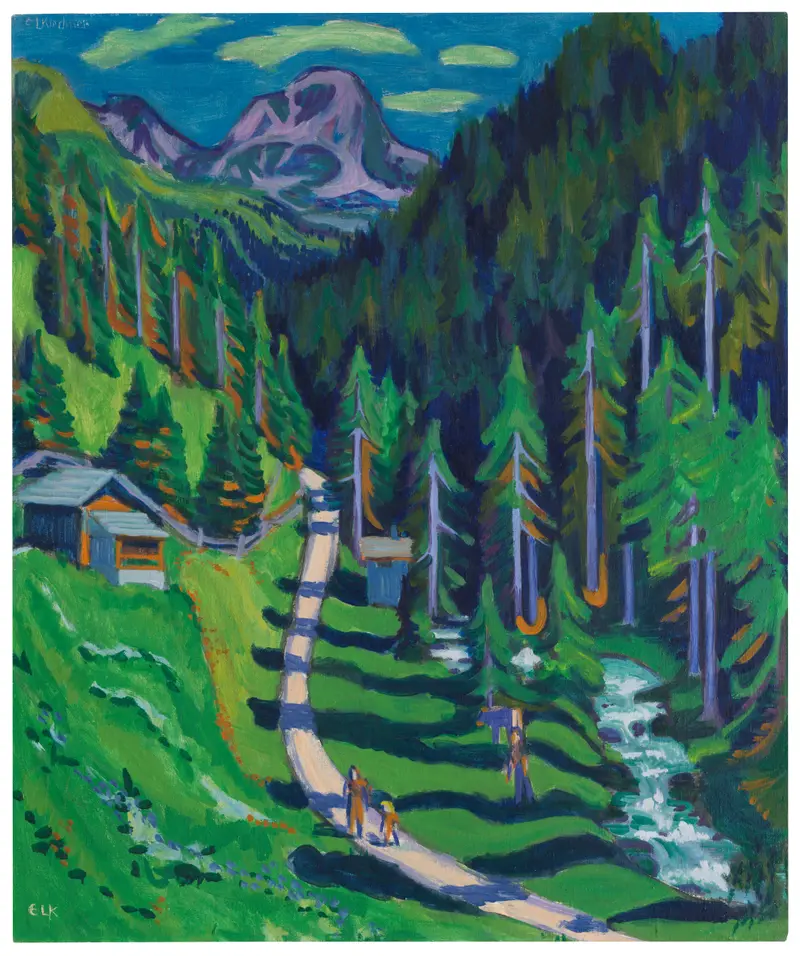
Sertigweg
Ernst Ludwig Kirchner
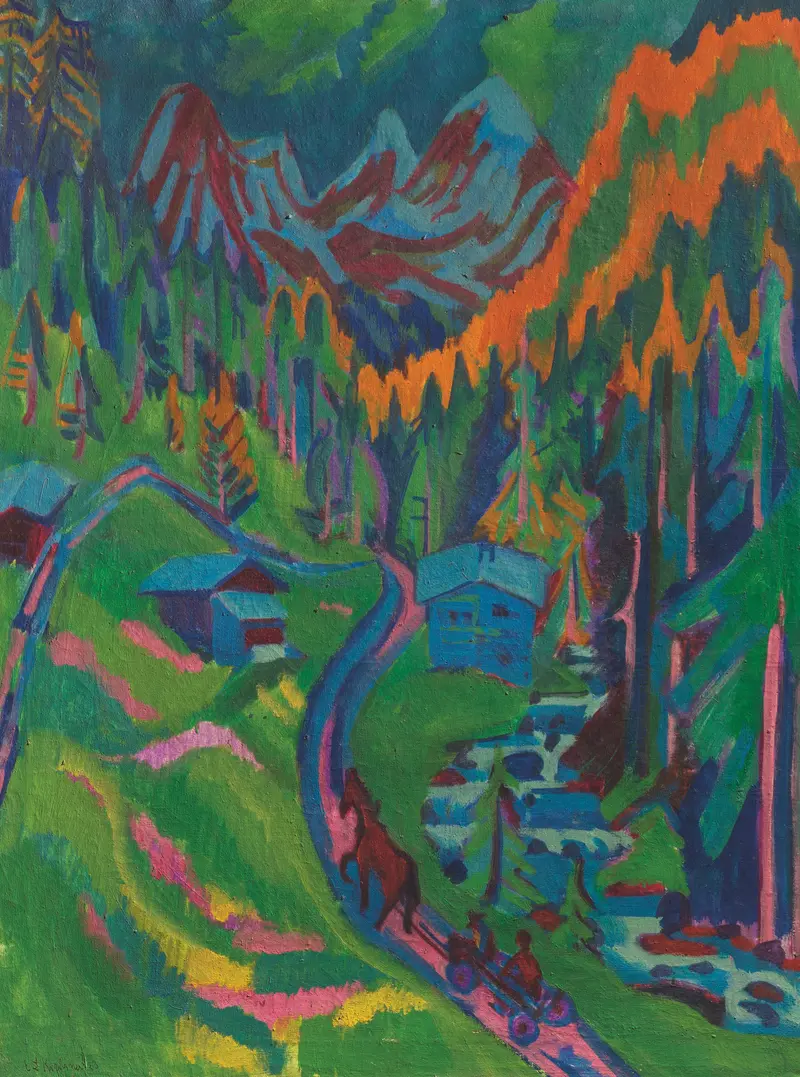
Sertigweg im Sommer
Ernst Ludwig Kirchner
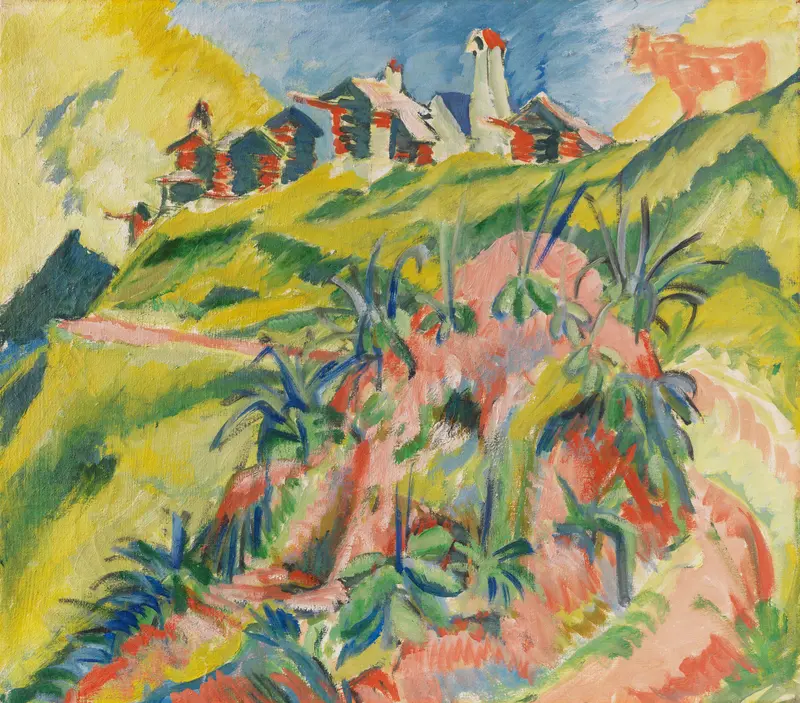
Bergdorf mit rosa Kuh
Ernst Ludwig Kirchner
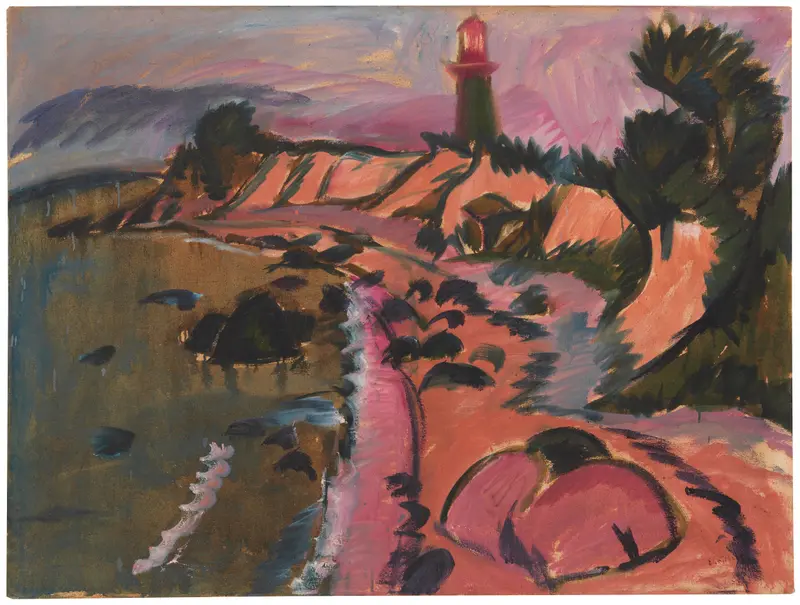
Fehmarnküste mit Leuchtturm
Ernst Ludwig Kirchner





