
Frederick the Wise, Duke Elector of Saxony — History & Facts
A face emerges from the shadows, steady and composed, commanding attention not with grandeur but with the quiet authority of presence. The subject’s gaze is direct, yet somehow reserved, as if weighing the viewer with the same care that shaped his own destiny. The painter’s hand lingers on the textures: the fur collar, the soft folds of black fabric, the glint of a gold chain, each detail reinforcing the sitter’s status without excess.
Light falls from the left, sculpting the broad forehead and the determined set of the mouth, while the background recedes into a cool, dark green, drawing the eye relentlessly back to the face. There is dignity here, but also a sense of introspection—a portrait not only of rank, but of the burden that comes with it. In 1532, portraiture in the German courts was as much a tool of statecraft as a celebration of the individual. Artists like Lucas Cranach the Elder were called upon to capture not only likeness, but the ideals and anxieties of their age: the rise of Protestantism, the shifting alliances of princes, the assertion of personal faith and power.
Painted in a period when the boundaries between private conviction and public image were fiercely negotiated, works such as this served as both personal memento and political statement. Though history has kept few traces of this specific painting’s journey—now documented only through a modern photograph—its style and date root it firmly in the world of the Reformation, where a portrait could be as potent as a manifesto. Look again at those steady eyes, and consider what secrets they might have guarded.
More Artworks by Lucas Cranach the Elder

Martin Luther
Lucas Cranach the Elder
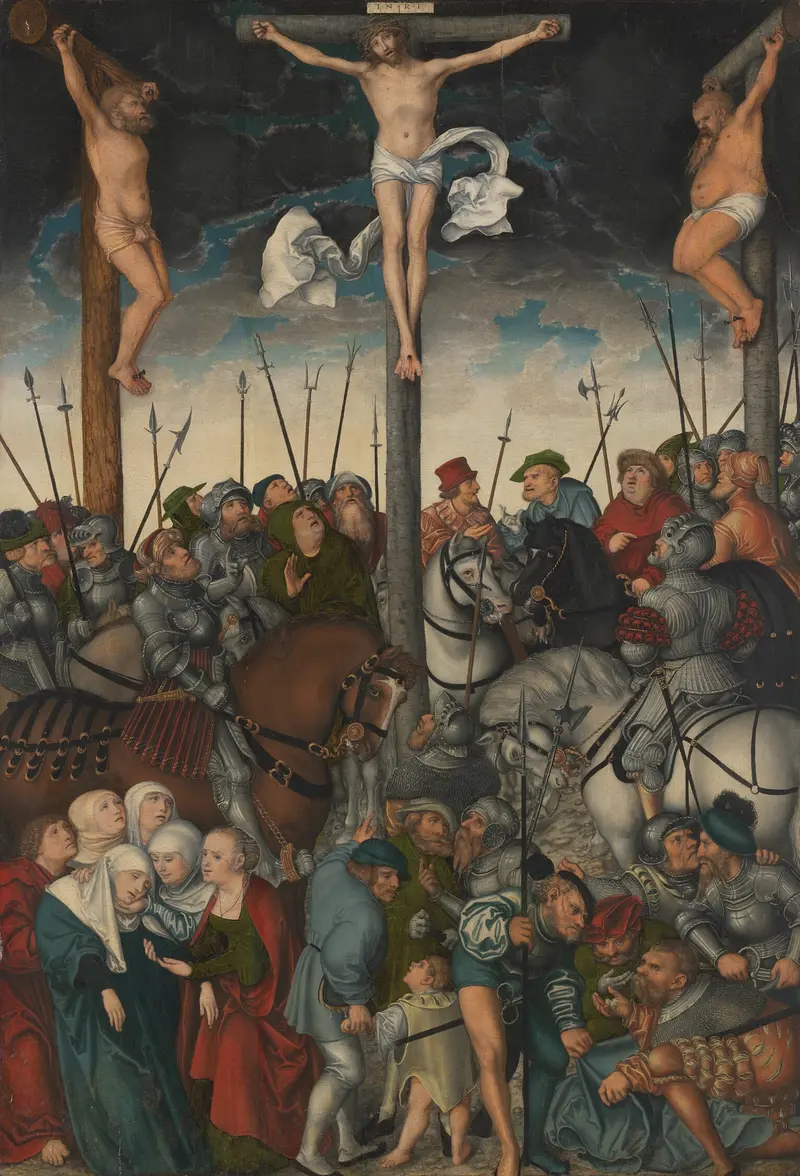
The Crucifixion
Lucas Cranach the Elder
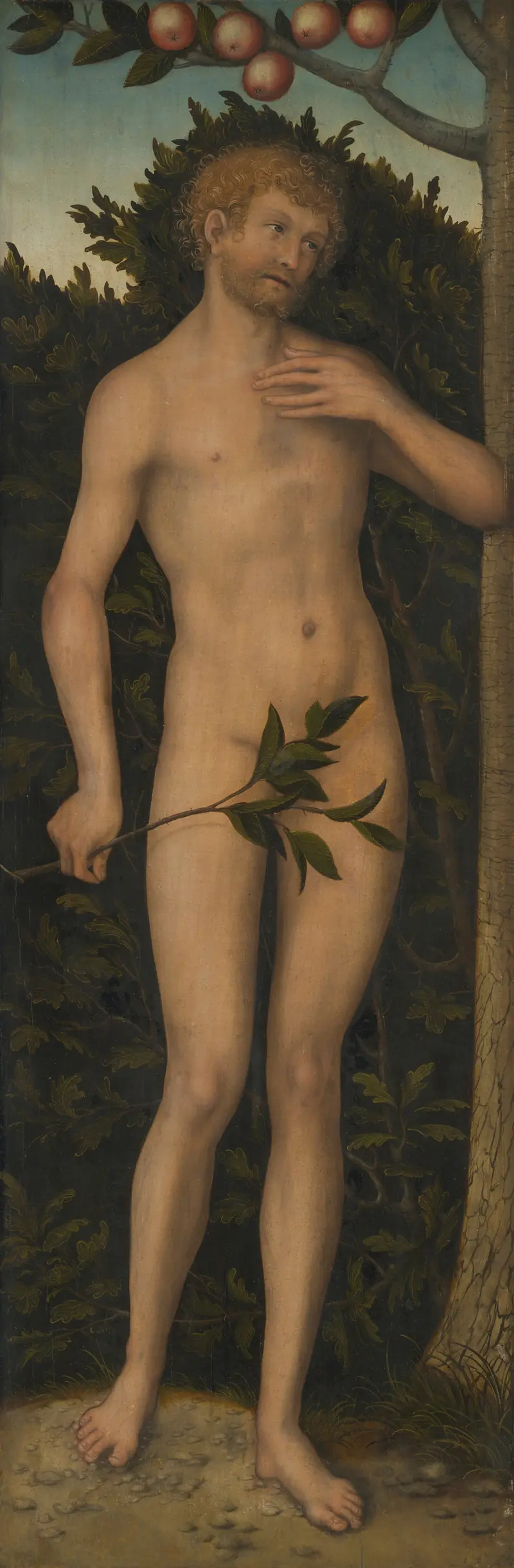
Adam
Lucas Cranach the Elder
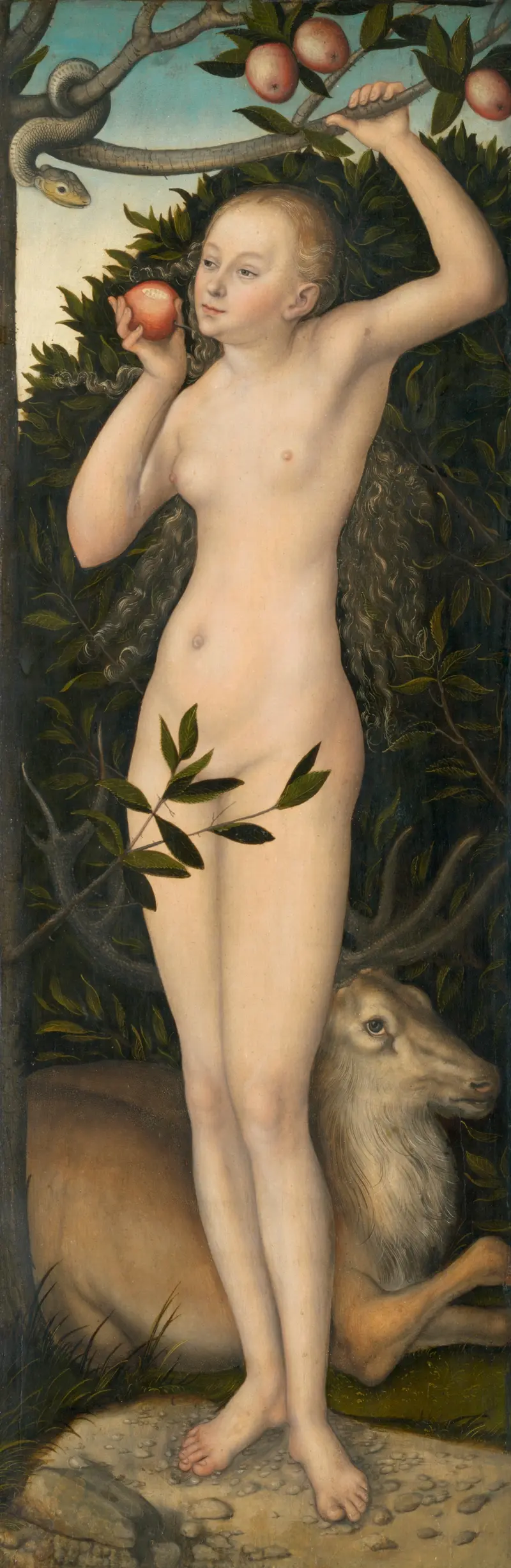
Eve
Lucas Cranach the Elder
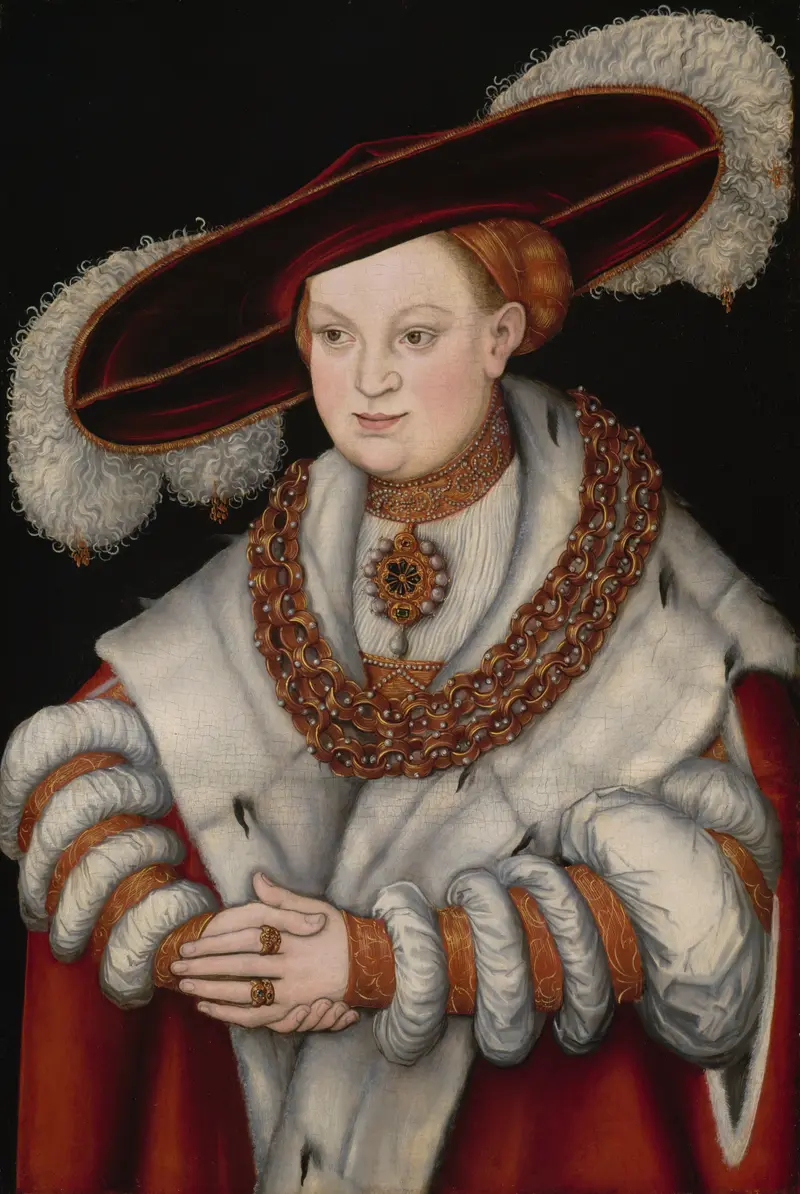
Portrait of Magdalena of Saxony, Wife of Elector Joachim II of Brandenburg
Lucas Cranach the Elder
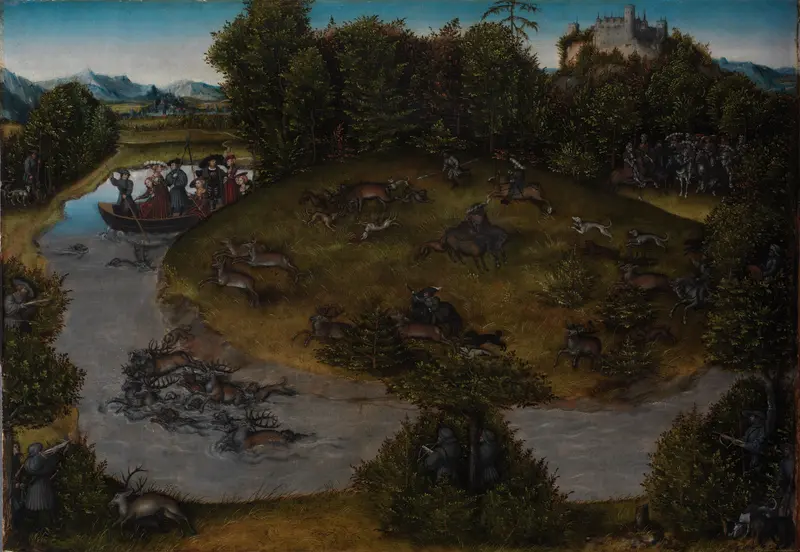
The Stag Hunt of the Elector Frederic the Wise (1463-1525) of Saxony
Lucas Cranach the Elder
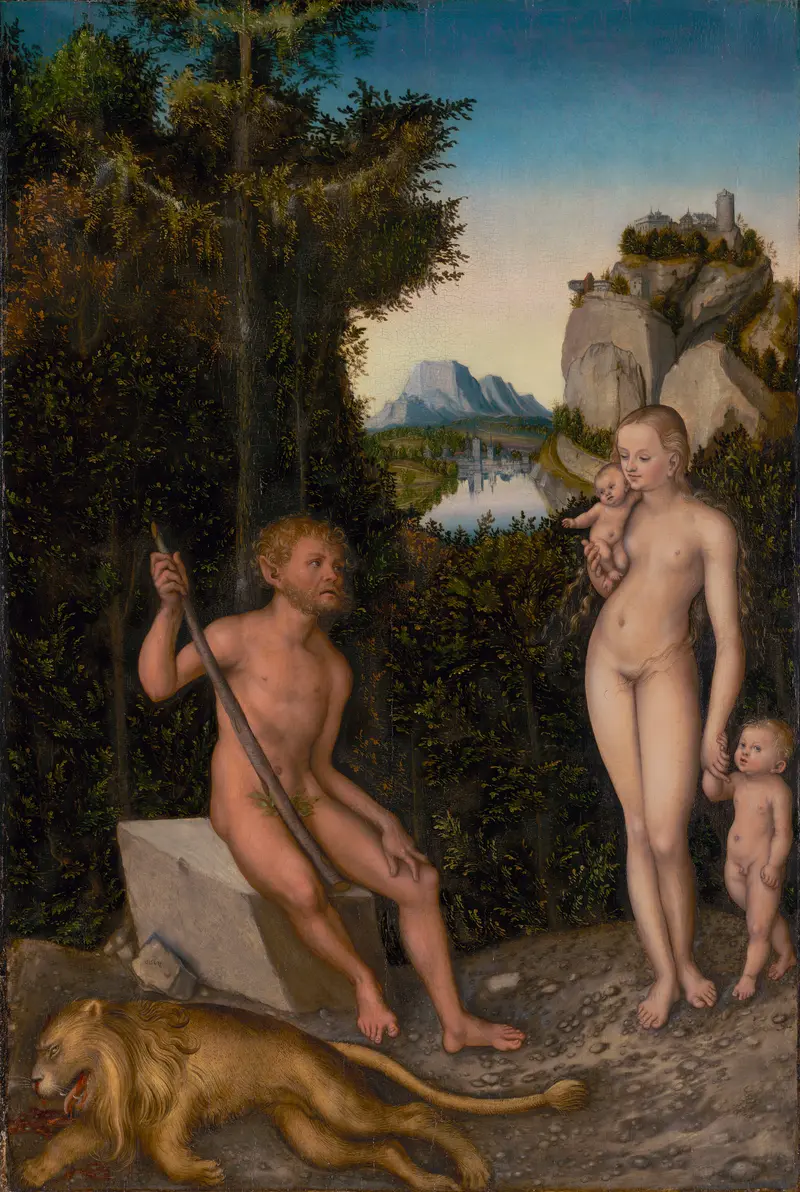
A Faun and His Family with a Slain Lion
Lucas Cranach the Elder
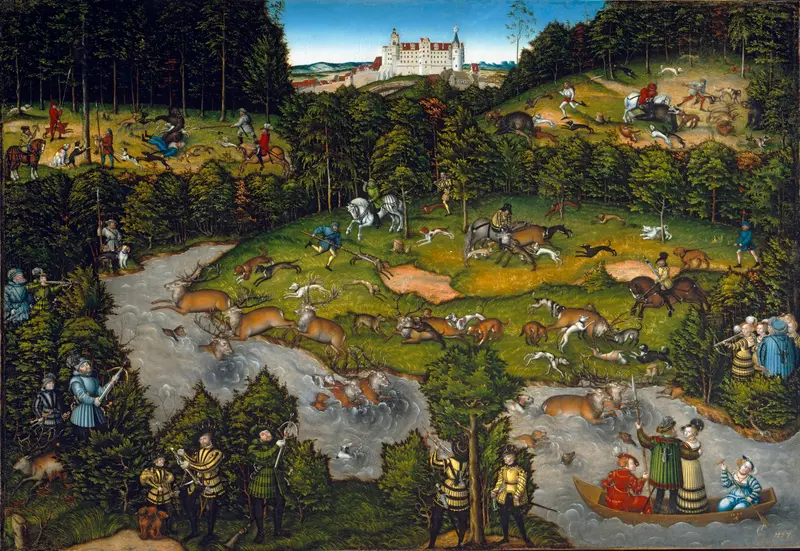
Hunting near Hartenfels Castle
Lucas Cranach the Elder
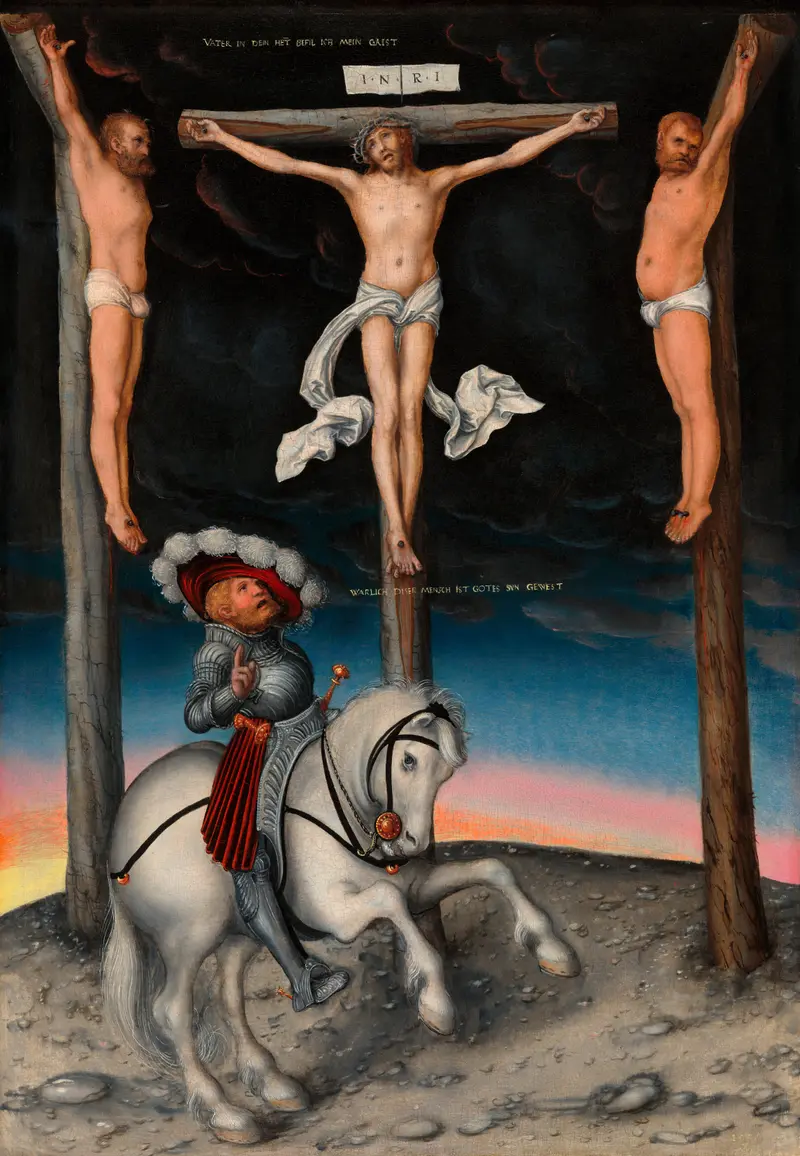
The Crucifixion with the Converted Centurion
Lucas Cranach the Elder
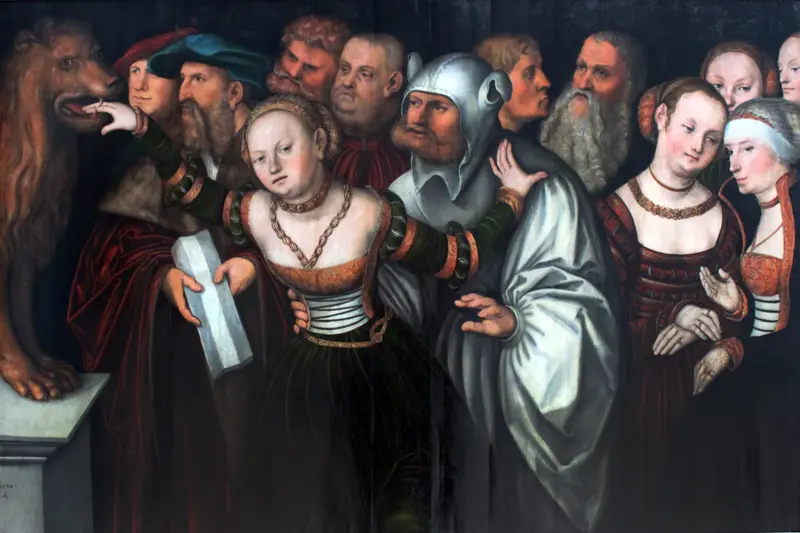
The Fable of the Mouth of Truth
Lucas Cranach the Elder





