
Freedom (Helvetia) — History & Facts
A woman, poised on a rocky summit above a sea of clouds, commands the viewer’s attention with her unwavering gaze and the striking red drapery that both clothes and crowns her. She balances an eagle on her left arm—its talons gripping her wrist with a sense of partnership rather than threat—while her right hand lifts a palm frond, a symbol of victory or peace. The snowy peaks of the Alps ring the horizon, their chill distance contrasting with the warmth and immediacy of her bare skin and the vivid scarlet.
The circular frame heightens the sense of emblem or vision: this is not a scene from daily life, but an allegory, a declaration. Every detail, from the eagle’s dark weight to the woman’s steady stance, signals purpose and command. Painted in 1891, Freedom (Helvetia) belongs to a moment when artists across Europe were reimagining national personifications—figures like Marianne, Germania, and Helvetia—as embodiments of ideals and aspirations. In Switzerland, Helvetia stood for unity, independence, and the enduring spirit of the confederation; Böcklin, known for his mythic imagination, here fuses classical allegory with the grandeur of the Alpine landscape.
Such images were often commissioned for public buildings or civic celebrations, meant to inspire and instruct as much as to decorate. Today, the painting resides in the Kunsthaus Zürich, a reminder of how the late nineteenth century sought to anchor modern identity in ancient forms. The eagle and the palm invite you to look again: what is freedom, and who holds it aloft?
More Artworks by Arnold Böcklin

Die Toteninsel III
Arnold Böcklin
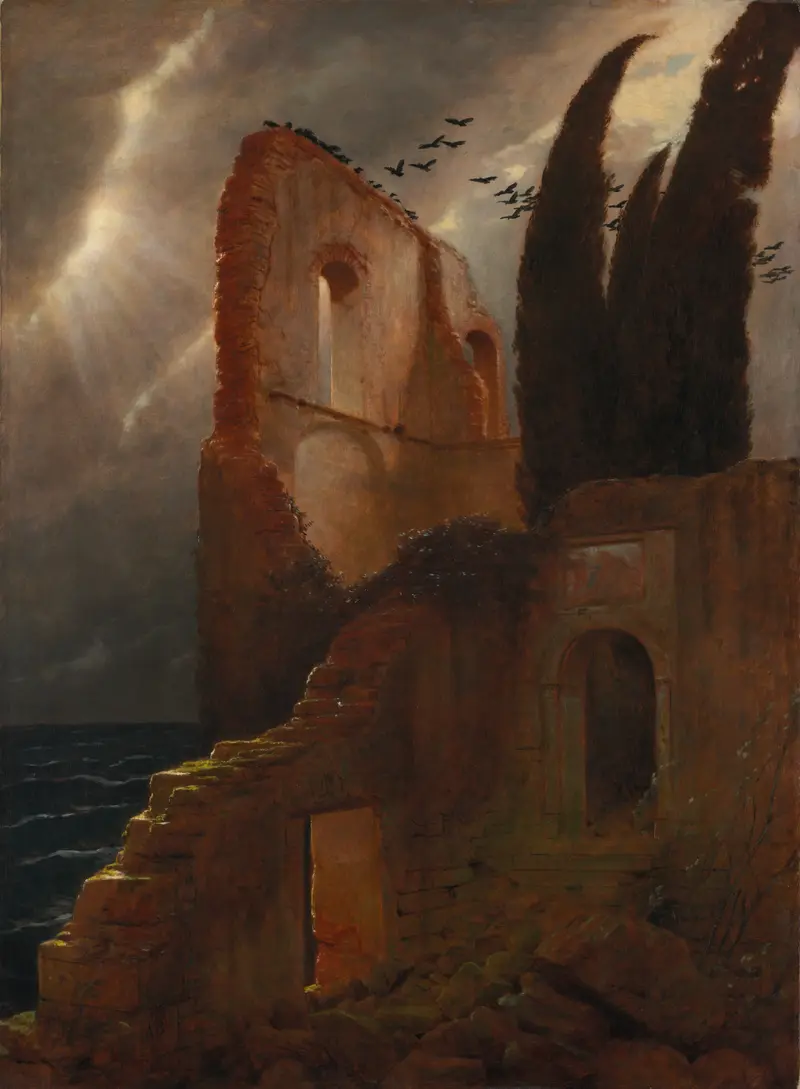
Ruin by the Sea
Arnold Böcklin
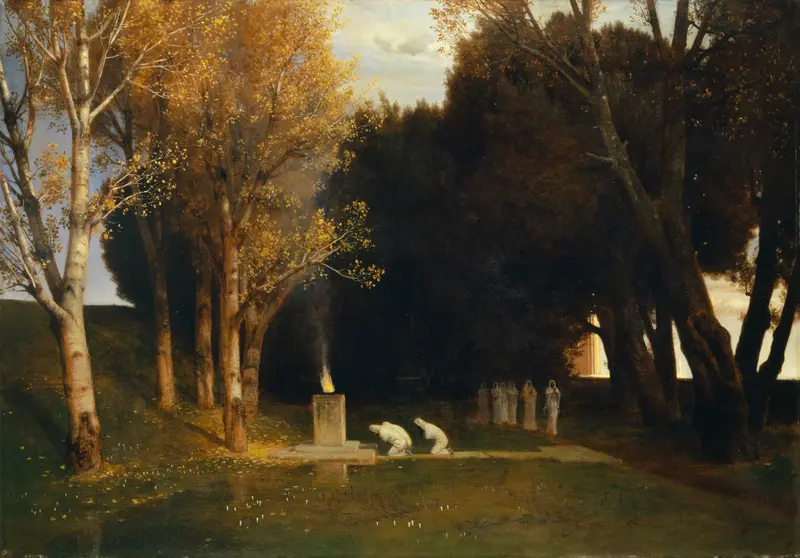
The Sacred Grove
Arnold Böcklin
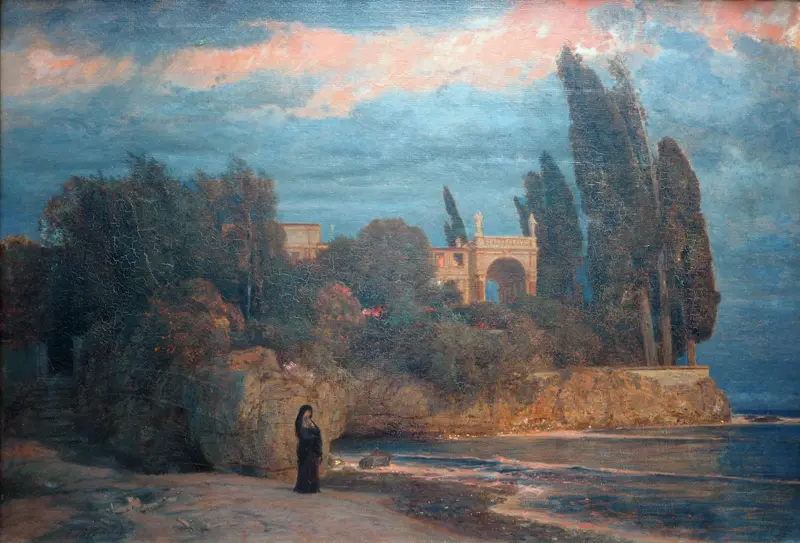
Villa by the Sea
Arnold Böcklin
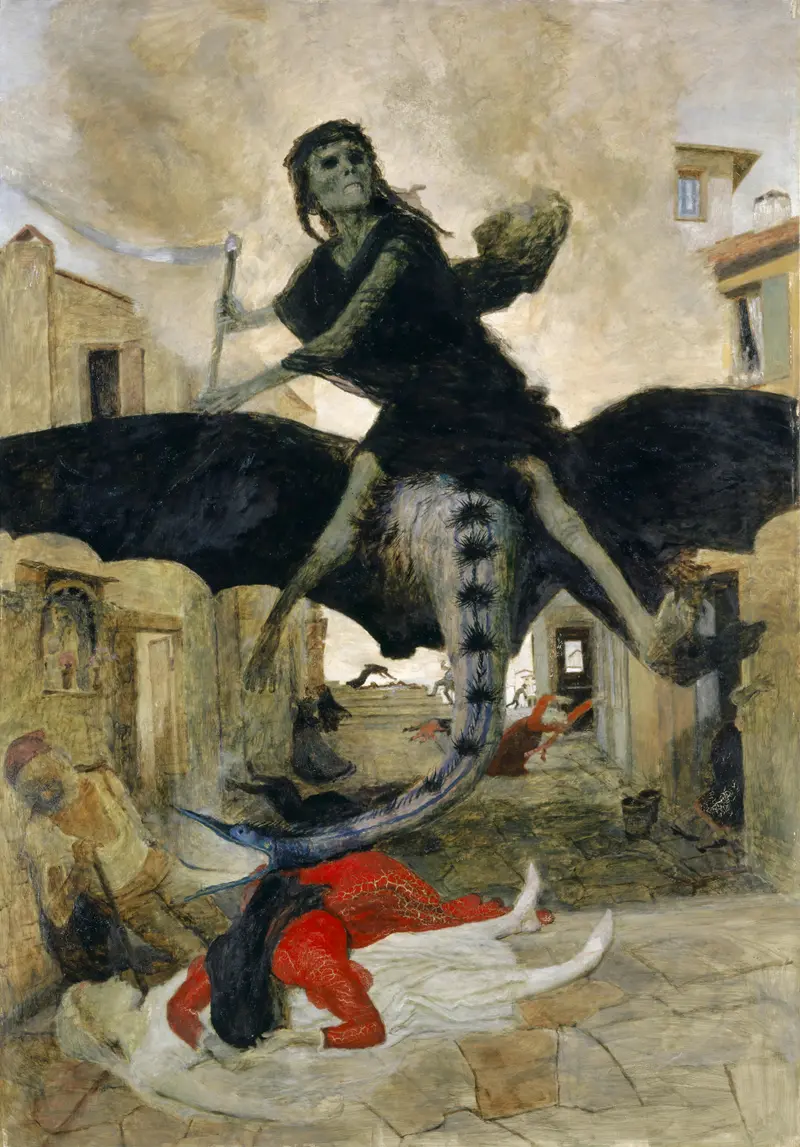
The Plague
Arnold Böcklin
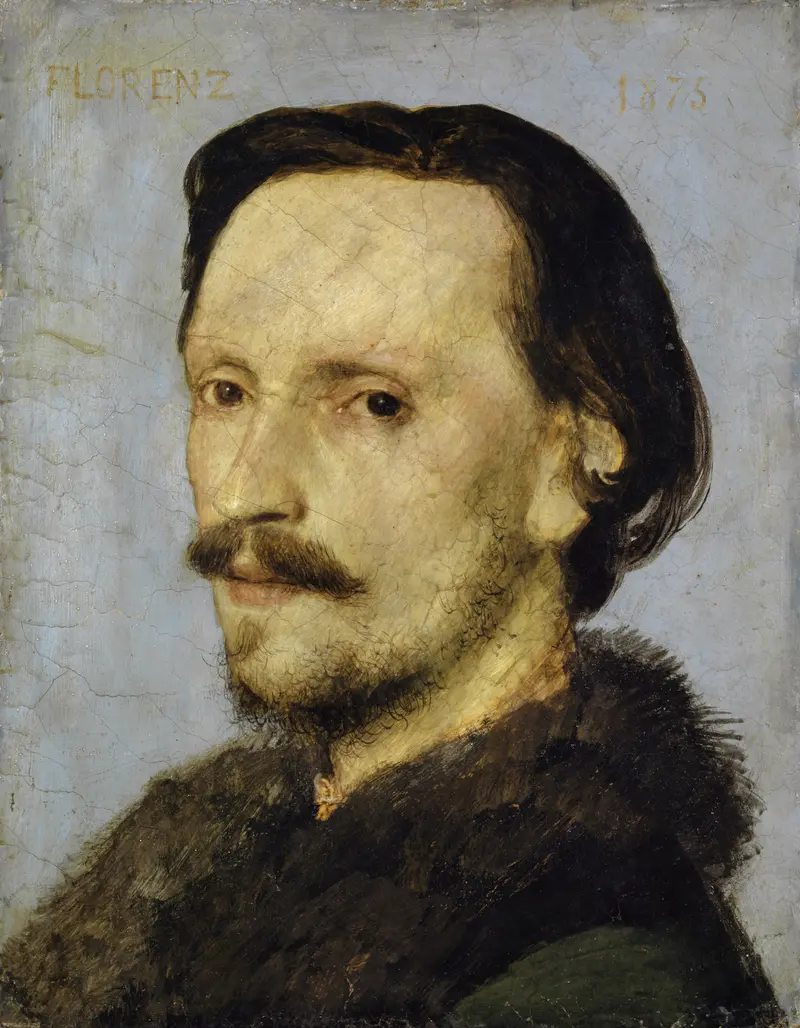
Böcklin Bildnis des Kunsthistorikers Adolph Bayersdorfer, 1875
Arnold Böcklin
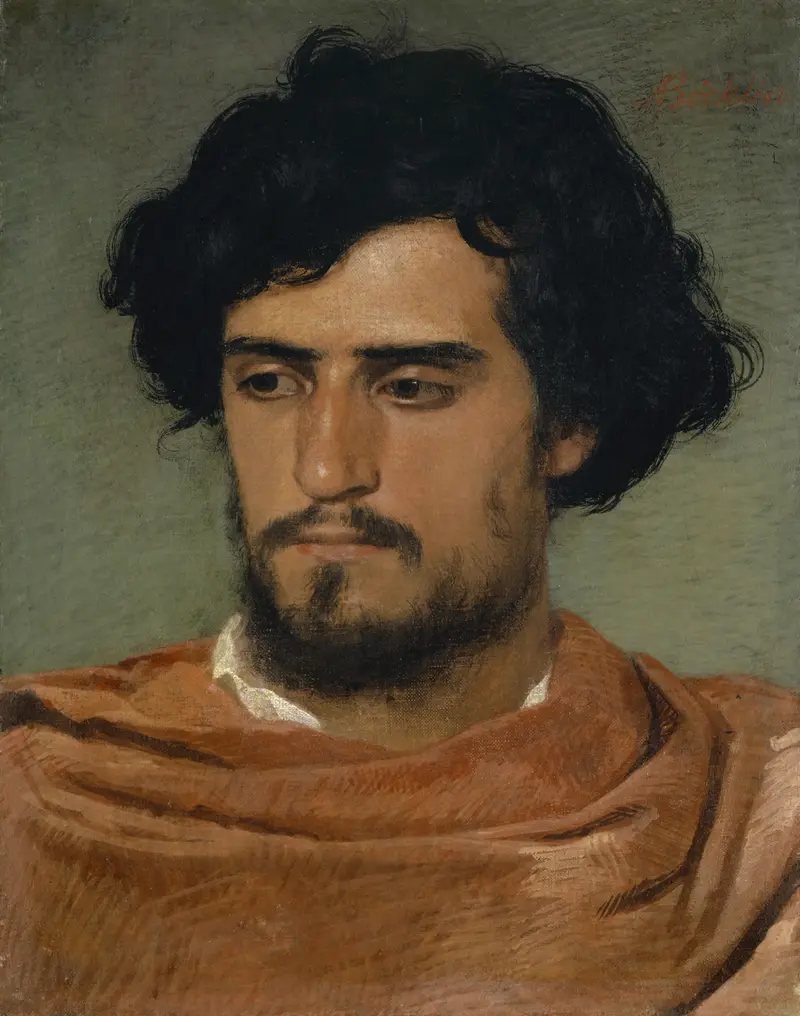
Head of a Roman
Arnold Böcklin
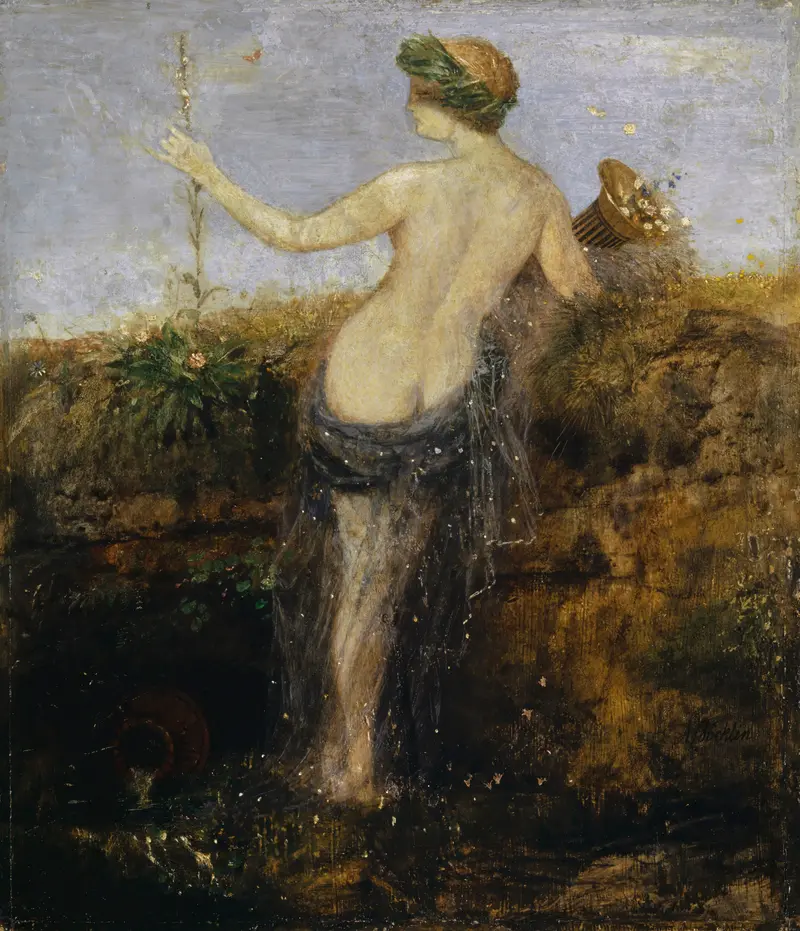
Nymphe with Horn of Plenty
Arnold Böcklin
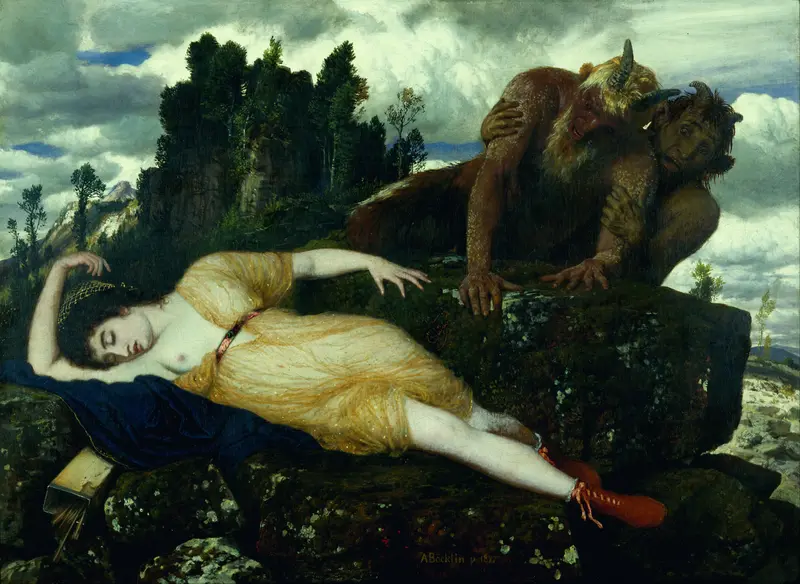
Sleeping Diana Watched by Two Fauns
Arnold Böcklin
Spring (Songs of Spring)
Arnold Böcklin





