
Friar Francisco Zumel — History & Facts
When Francisco de Zurbarán painted Friar Francisco Zumel in 1630, he was at the height of his fame as Seville’s leading painter of monastic life. The portrait is one of a series commissioned for the Mercedarian Order, intended to honor their most distinguished theologians and founders. These works were not just devotional images, but also statements of intellectual pride—Zumel himself was a formidable scholar, famed for his debates with Jesuit thinkers and his tenure as Rector of the University of Salamanca.
The painting’s commission reflects the Order’s desire to assert its place in Spain’s spiritual and academic hierarchy. The canvas captures Zumel in a moment of introspection, his gaze lowered, hands gently clasping a book—likely a volume of his own theological writings. The crisp white of his Mercedarian habit stands out against the deep, enveloping darkness, a signature of Zurbarán’s style that isolates the friar from worldly distraction. The light falls directly onto Zumel’s face and hands, highlighting the tools of intellect and faith.
Unlike El Greco’s more fevered saints, Zurbarán gives us a figure of quiet authority, the silence around him as eloquent as any sermon. The absence of overt symbols—no martyr’s palm, no dramatic gesture—focuses attention on the dignity of scholarly contemplation. Little is known about the painting’s early journey, but it was likely displayed in a Mercedarian monastery, serving as both inspiration and memorial. Over the centuries, many such portraits were dispersed or lost during the upheavals of the Napoleonic wars and Spanish secularization.
Today, Friar Francisco Zumel is recognized as a key work in Zurbarán’s series of monastic portraits, celebrated for its psychological depth and technical restraint. It now hangs in the Museo del Prado, a testament to both the painter’s enduring vision and the intellectual legacy of the Spanish Golden Age.
More Artworks by Francisco de Zurbarán
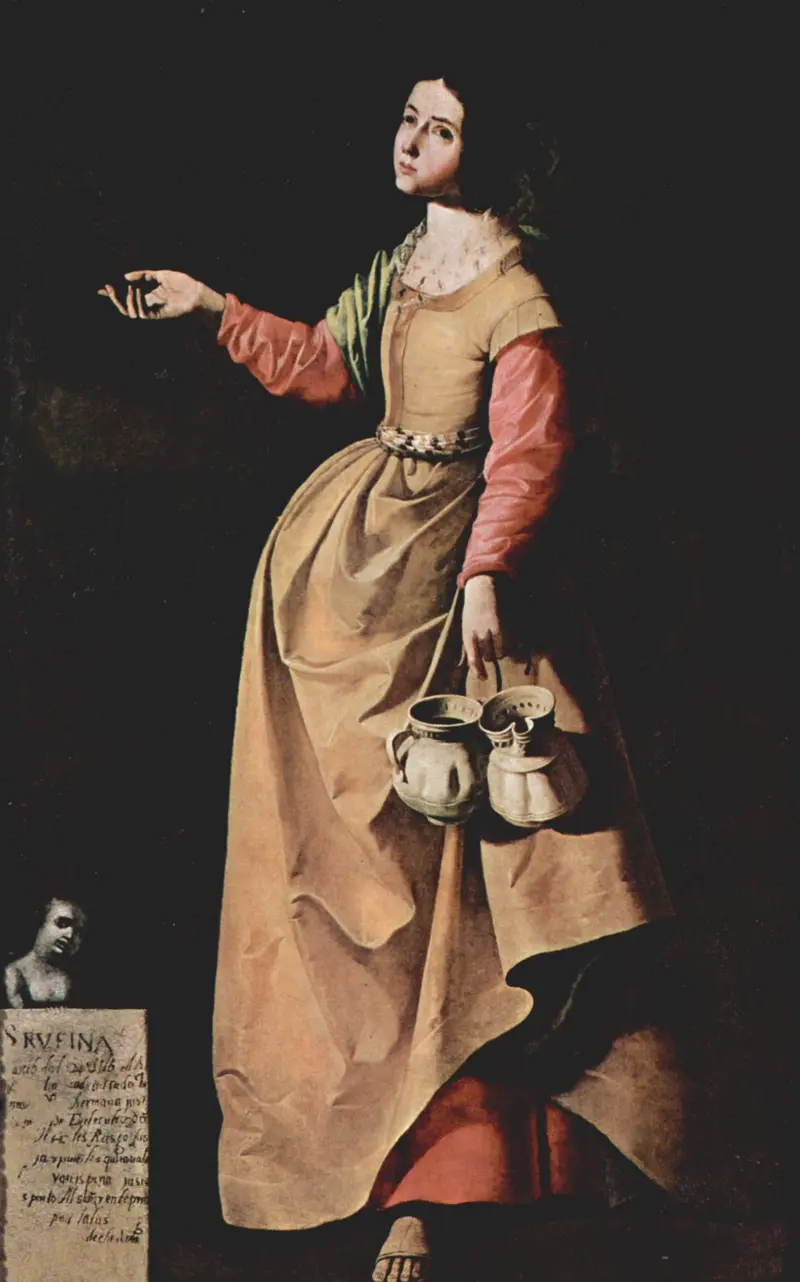
Saint Rufina
Francisco de Zurbarán
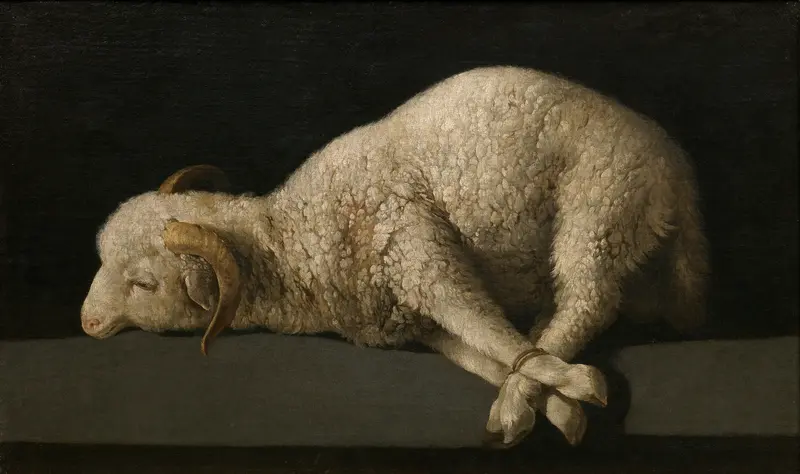
Agnus Dei
Francisco de Zurbarán
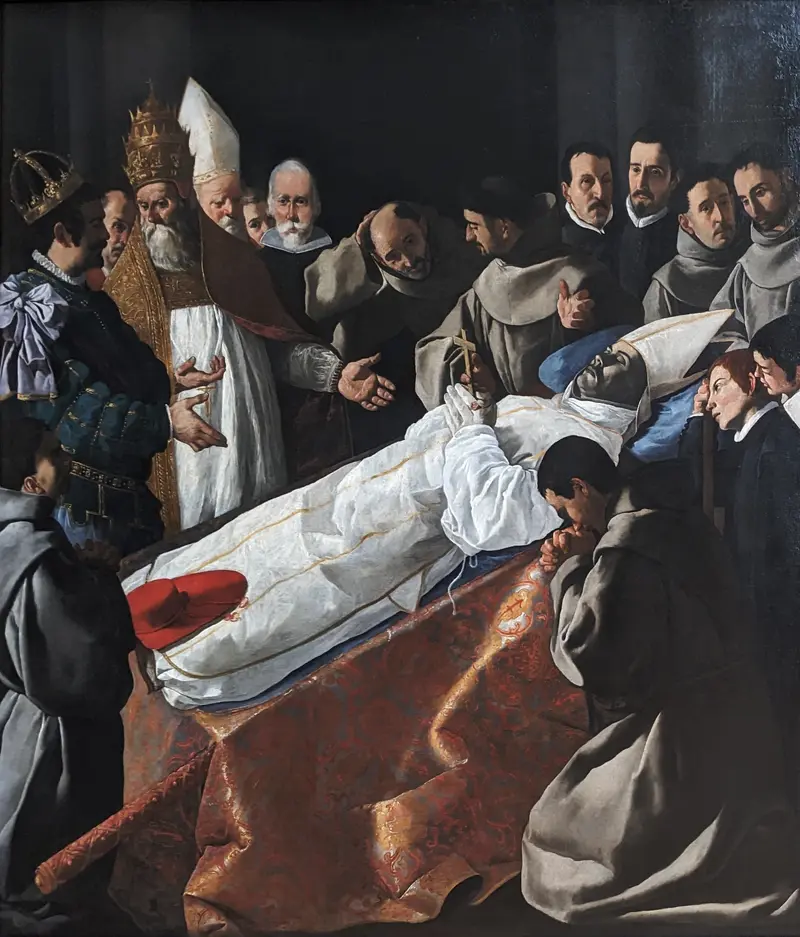
Saint Bonaventure's Body Lying in State
Francisco de Zurbarán
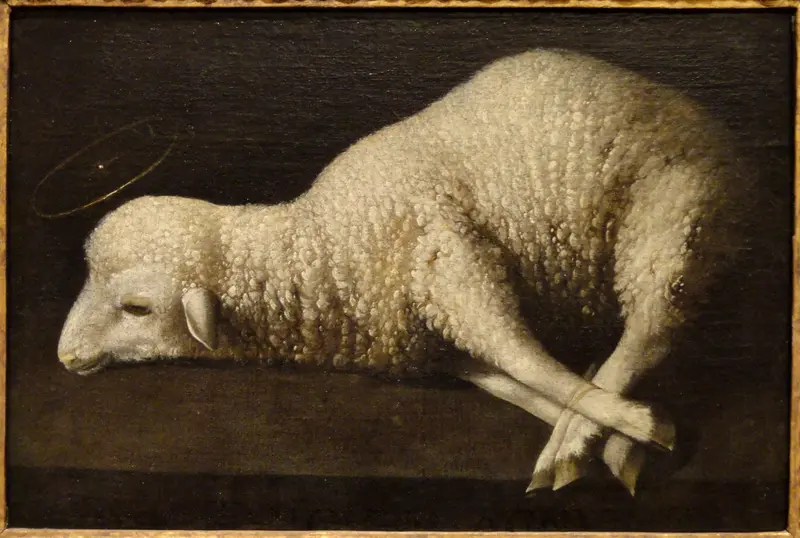
The Lamb of God
Francisco de Zurbarán

Adoration of the Magi
Francisco de Zurbarán
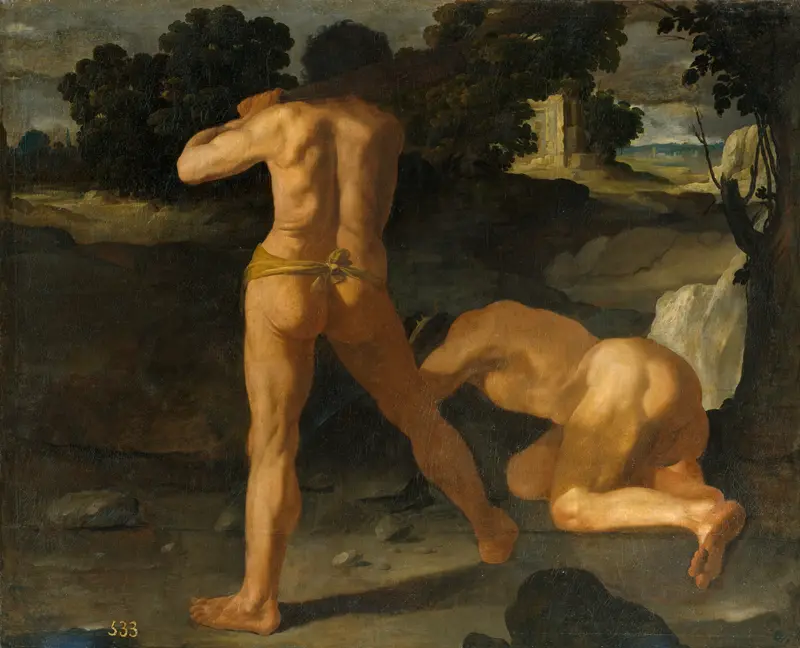
Hercules defeats King Geryon
Francisco de Zurbarán
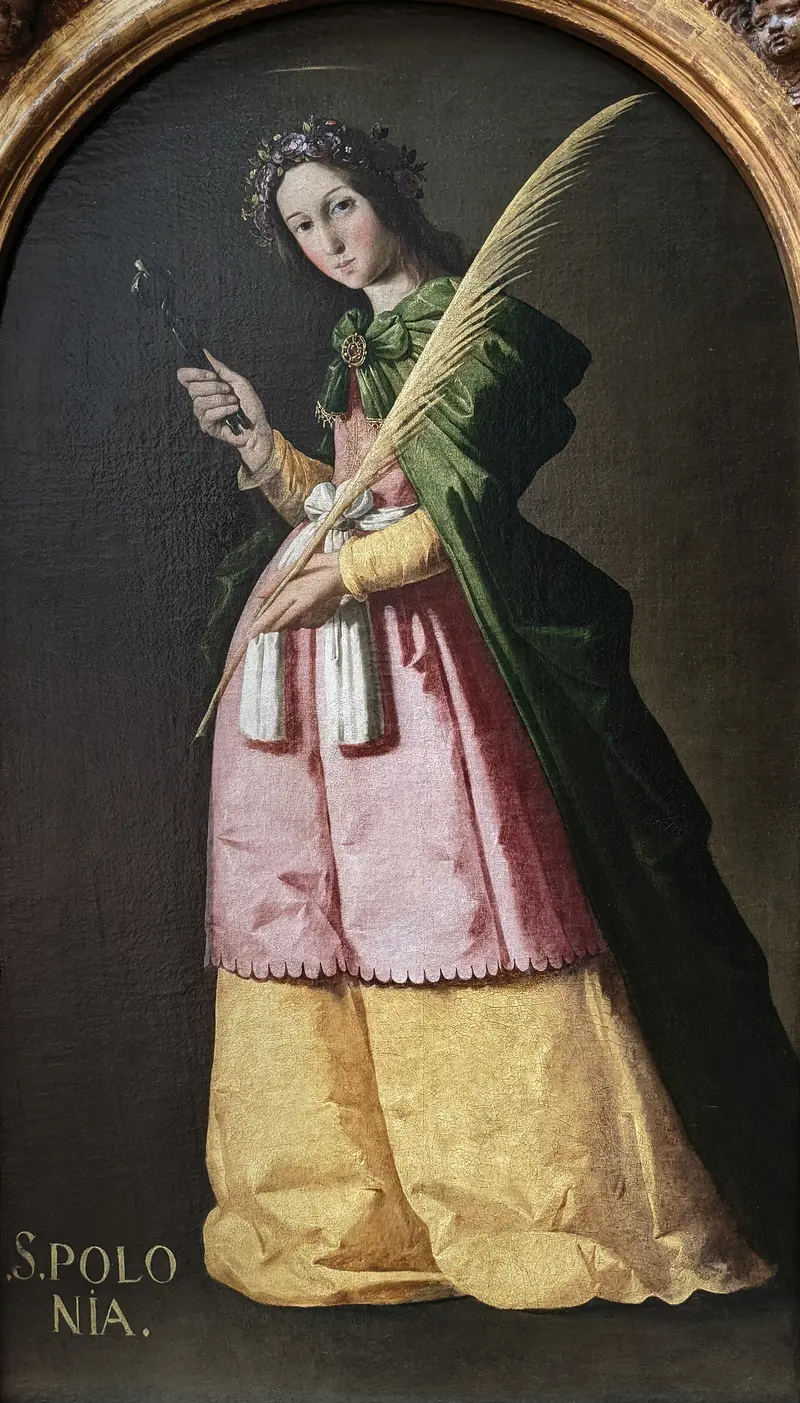
Saint Apollonia
Francisco de Zurbarán
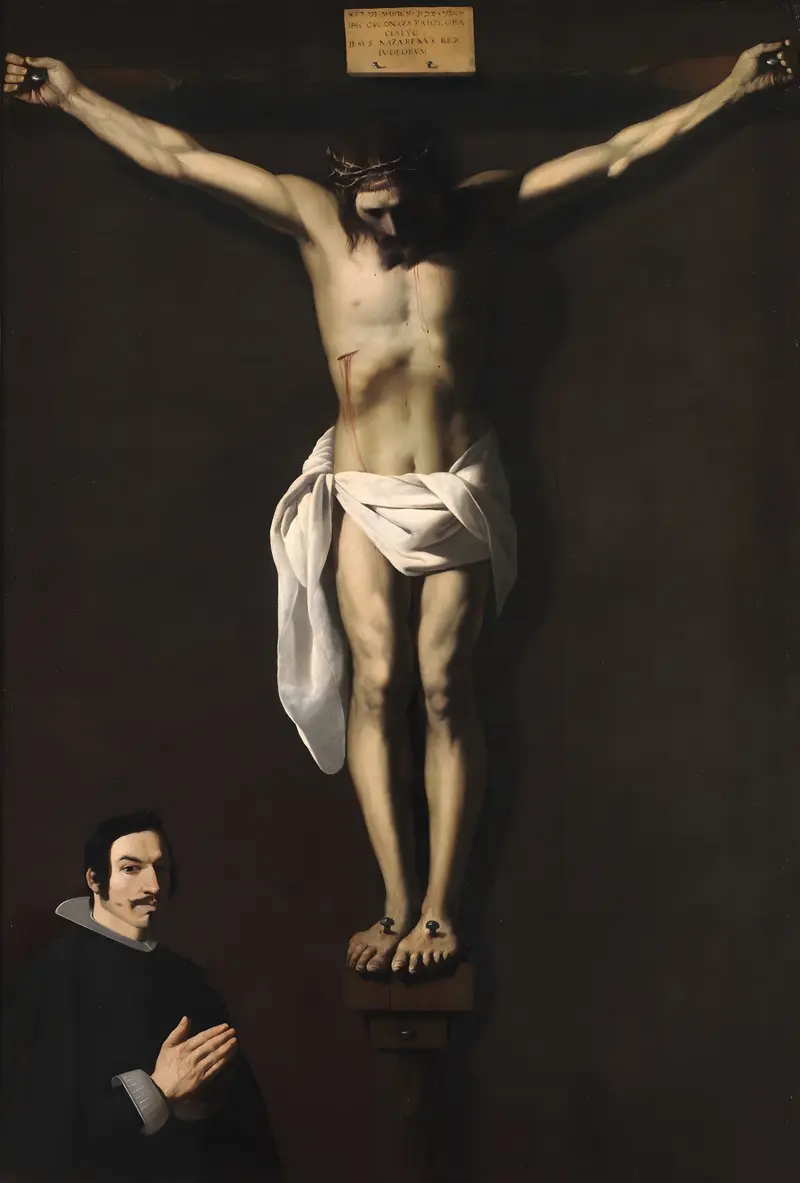
The Crucified Christ with a Donor
Francisco de Zurbarán
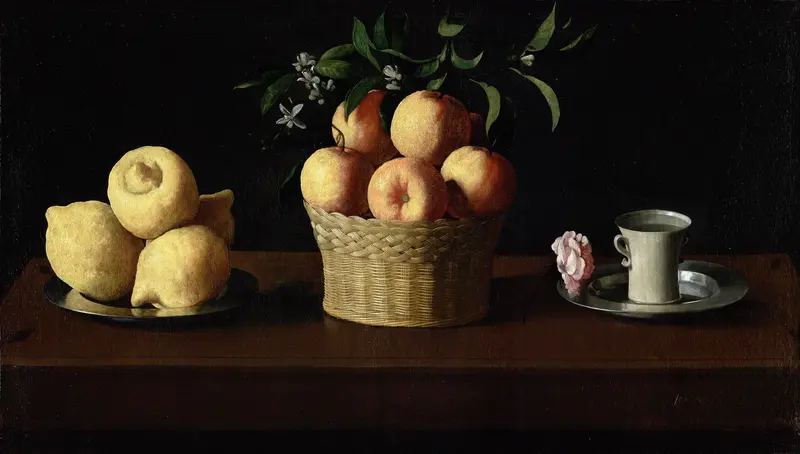
Still Life with Lemons, Oranges and a Rose
Francisco de Zurbarán
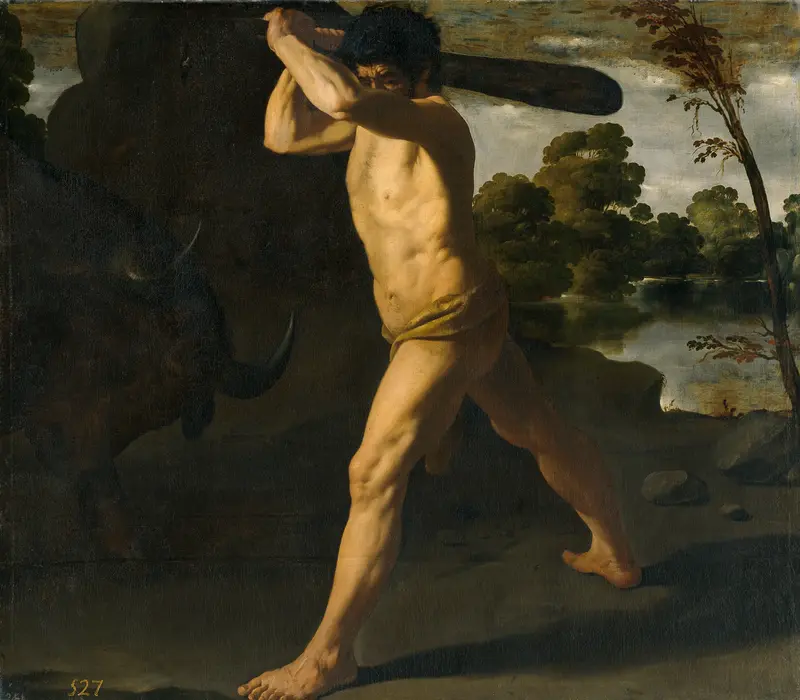
Hercules and the Cretan Bull
Francisco de Zurbarán





