
Friar Pedro Binds El Maragato with a Rope — History & Facts
In the stillness of the canvas, a sense of longing hangs like a heavy mist, as Goya captures a moment that echoes with collective memory and personal sorrow. Here, a poignant narrative unfolds, inviting the viewer to ponder the weight of the human experience, a theme that resonates deeply within our hearts. Focus on the figure at the center, Friar Pedro, his solemn expression etched with resolve as he binds El Maragato. Notice how the rich, earthy tones envelop the composition, contrasting with the stark whites of the friar’s robe, illuminating his figure against the shadowy backdrop.
The rope, coiling and taut, serves as the visual tether between the two men, symbolizing the complex interplay of power and vulnerability. Goya's masterful brushwork captures the texture of the fabric and skin, pulling the viewer into this intense moment. Beneath the surface, the painting offers a commentary on authority and resistance. The friar's gesture suggests both duty and restraint, while the captive's gaze—a mix of defiance and resignation—reveals an emotional struggle.
The use of chiaroscuro amplifies this tension, contrasting light and dark to signify moral ambiguity, as both figures exist within a realm of conflicting desires and societal expectations. This duality invites reflection on the nature of freedom and the cost of submission. Created around 1806, this work emerged during a turbulent time in Spain, marked by political upheaval and social unrest. Goya, already a leading figure in the art world, was grappling with the complexities of his nation's identity as it faced the encroachment of Napoleonic forces.
In this context, Friar Pedro Binds El Maragato with a Rope becomes not just a depiction of a singular event, but a powerful exploration of the human condition amidst the chaos of history.
More Artworks by Francisco de Goya
Browse all →
The Third of May 1808
Francisco de Goya

De slaap van de rede brengt monsters voort
Francisco de Goya

The Charge of the Mamelukes (1814)
Francisco de Goya
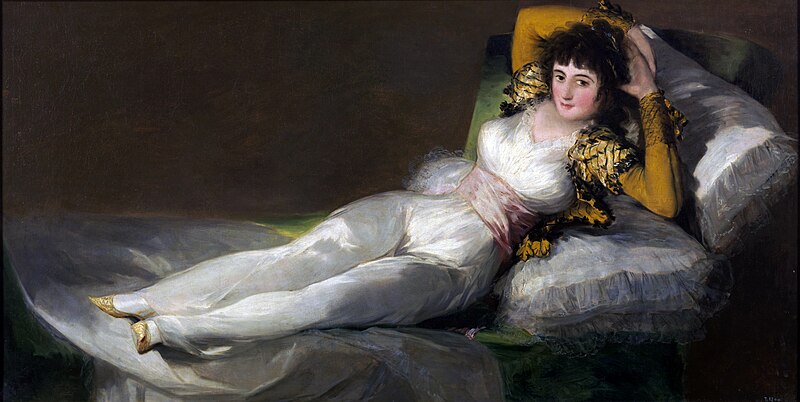
La maja vestida
Francisco de Goya

La maja desnuda
Francisco de Goya
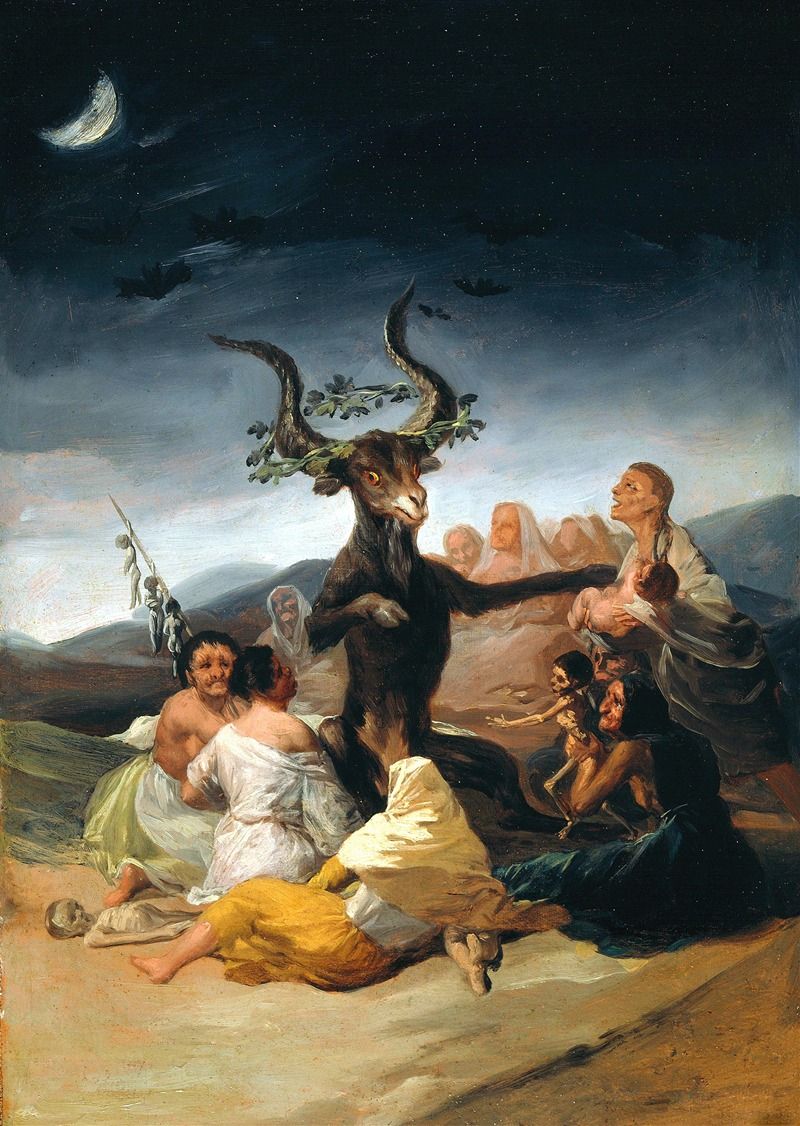
The Sabbath of witches
Francisco de Goya
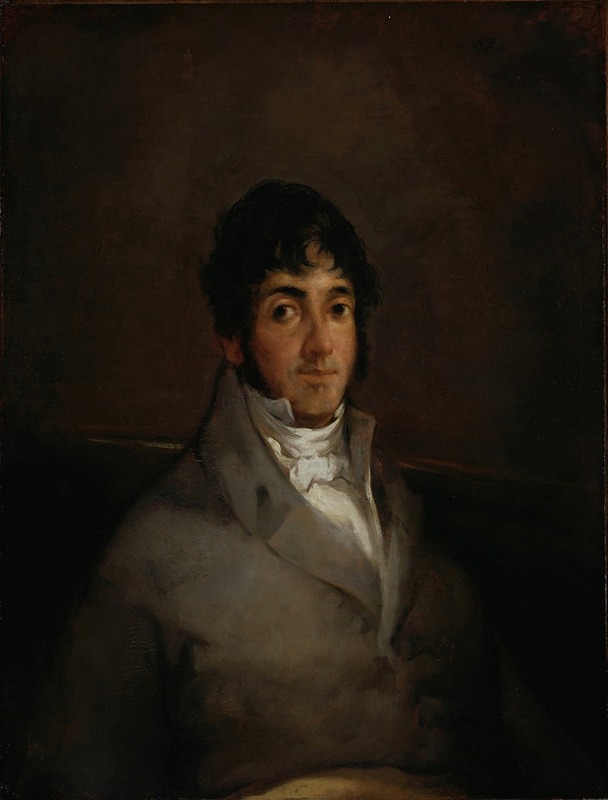
Portrait of Isidoro Maiquez
Francisco de Goya
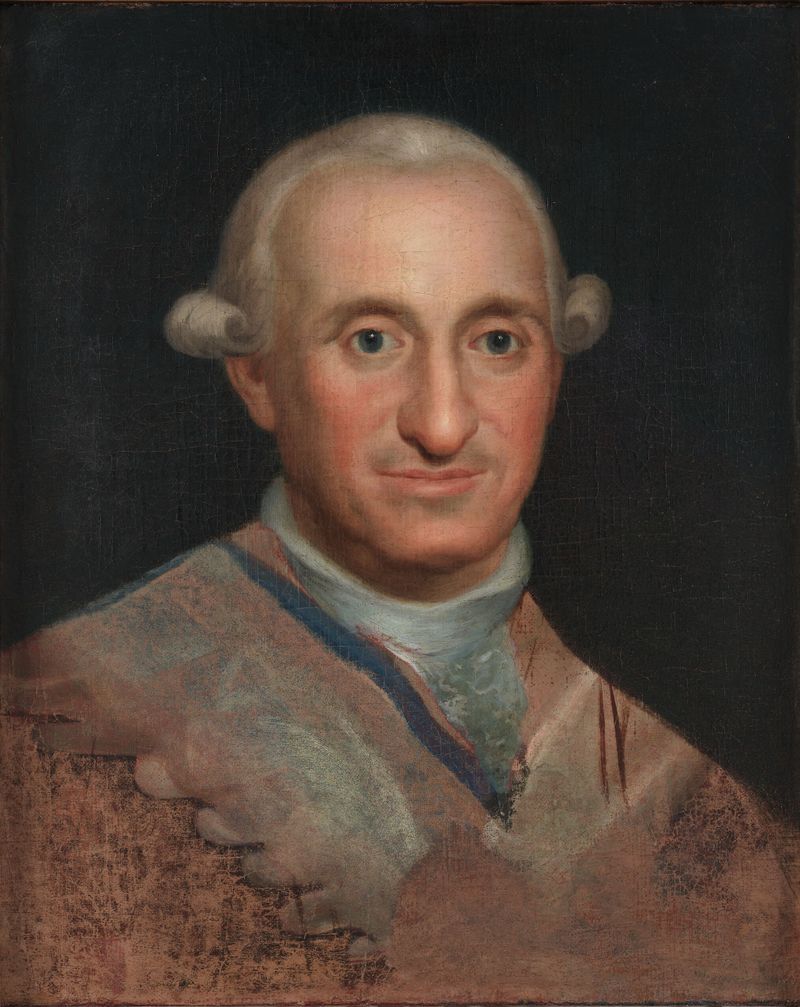
Charles IV, King of Spain
Francisco de Goya
Bartolomé Sureda y Miserol
Francisco de Goya
Friar Pedro Shoots El Maragato as His Horse Runs Off
Francisco de Goya
More Historical Art
Browse all →
The Night Watch Militia Company of District II under the Command of Captain Frans Banninck Cocq
Rembrandt van Rijn

Lincoln Memorial
Henry Bacon
The Third of May 1808
Francisco de Goya

Isaac and Rebecca, Known as ‘The Jewish Bride’
Rembrandt van Rijn
The Charge of the Mamelukes (1814)
Francisco de Goya

De vier ruiters van de apocalyps
Albrecht Dürer