
Friar Pedro Machado — History & Facts
When Francisco de Zurbarán painted Friar Pedro Machado in 1630, he was at the height of his reputation as Seville’s leading interpreter of monastic life. The painting is one of a series of portraits of Mercedarian friars, commissioned for the order’s convent in Seville. These works were intended not simply as likenesses but as visual hagiographies, celebrating the virtues and sacrifices of the Mercedarian order, which was founded to ransom Christian captives from Moorish imprisonment.
The commission marked a turning point in Zurbarán’s career, cementing his relationship with religious patrons and setting the tone for his later, more austere works. At the center of Friar Pedro Machado, the friar stands in quiet contemplation, his white habit rendered with the crisp clarity that became Zurbarán’s hallmark. The moment is one of spiritual introspection: Machado holds a chain in his hands, a direct reference to the Mercedarian mission of redeeming captives—each link a symbol of the bonds they sought to break. The deep, shadowed background isolates the figure, drawing the viewer’s eye to the luminous fabric and the friar’s serene, focused expression.
Unlike the dramatic gestures of Caravaggio’s saints, Zurbarán’s Machado is still, almost sculptural, embodying the quiet heroism of daily sacrifice. Though the exact provenance of Friar Pedro Machado is not fully documented, it is known that the painting remained in the Mercedarian convent for generations, surviving periods of political upheaval and the secularization of church property in 19th-century Spain. The work’s attribution to Zurbarán has never been seriously questioned, thanks to its unmistakable style and its documented place within the series of Mercedarian portraits. Today, Friar Pedro Machado stands as a testament to Zurbarán’s ability to fuse realism with spiritual intensity, and it remains a highlight of the Museo del Prado’s collection, admired for its quiet dignity and powerful simplicity.
More Artworks by Francisco de Zurbarán
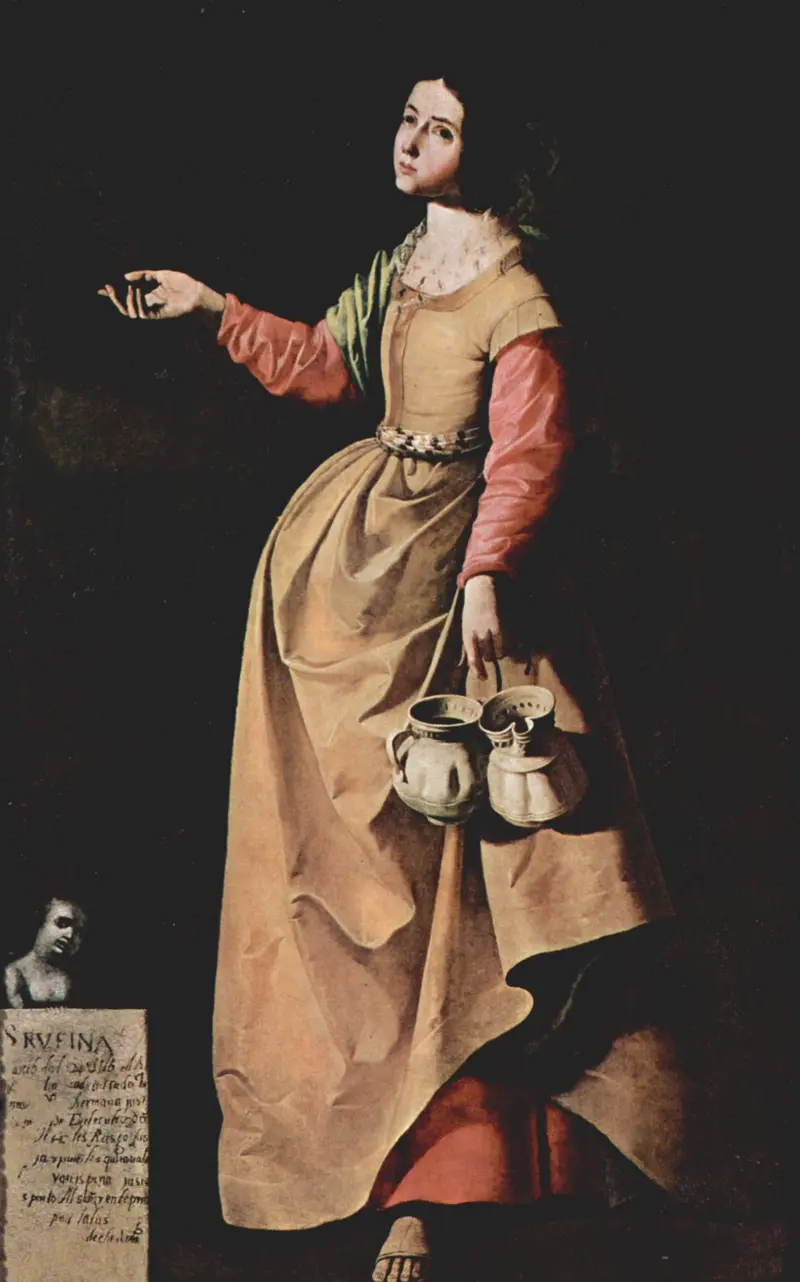
Saint Rufina
Francisco de Zurbarán
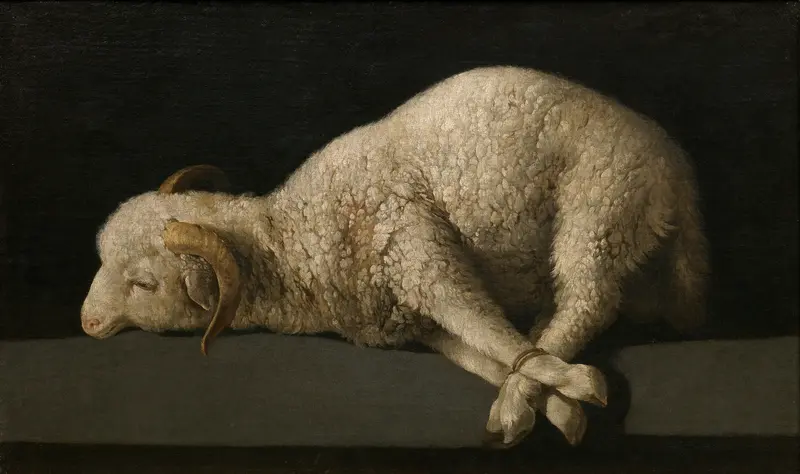
Agnus Dei
Francisco de Zurbarán
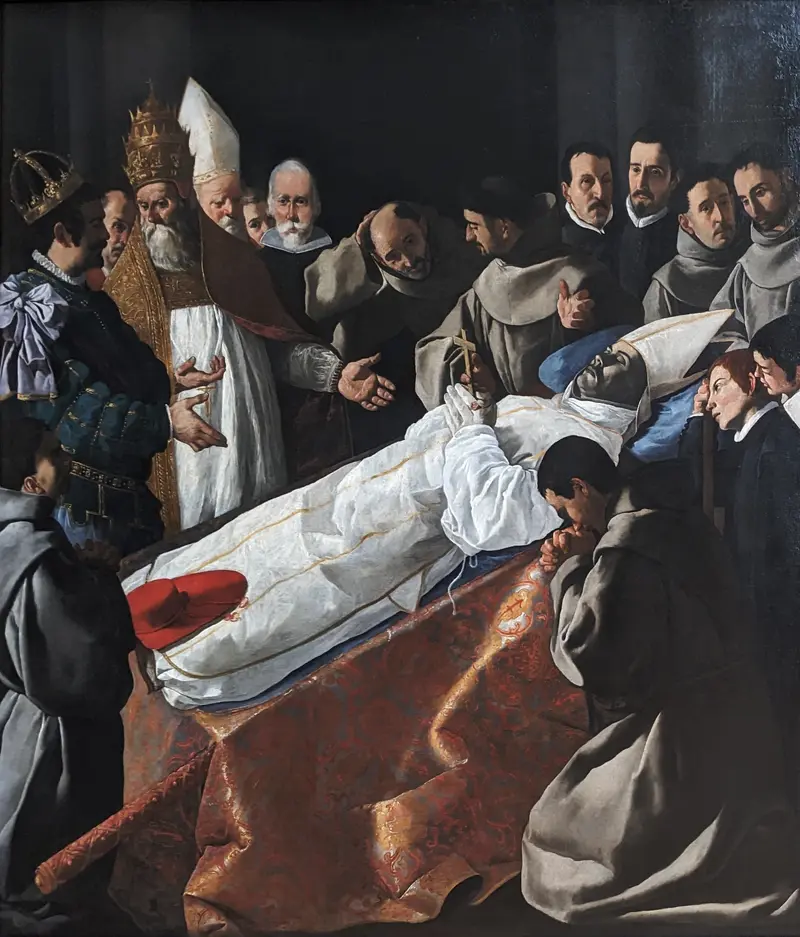
Saint Bonaventure's Body Lying in State
Francisco de Zurbarán
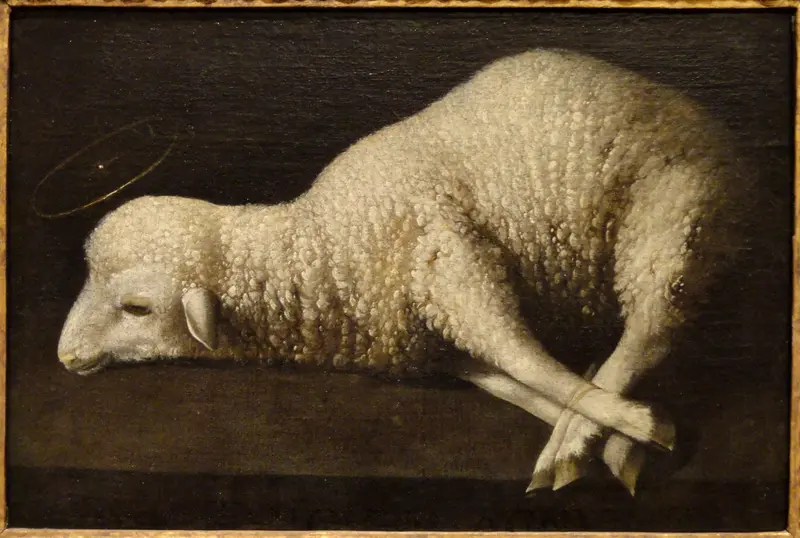
The Lamb of God
Francisco de Zurbarán

Adoration of the Magi
Francisco de Zurbarán
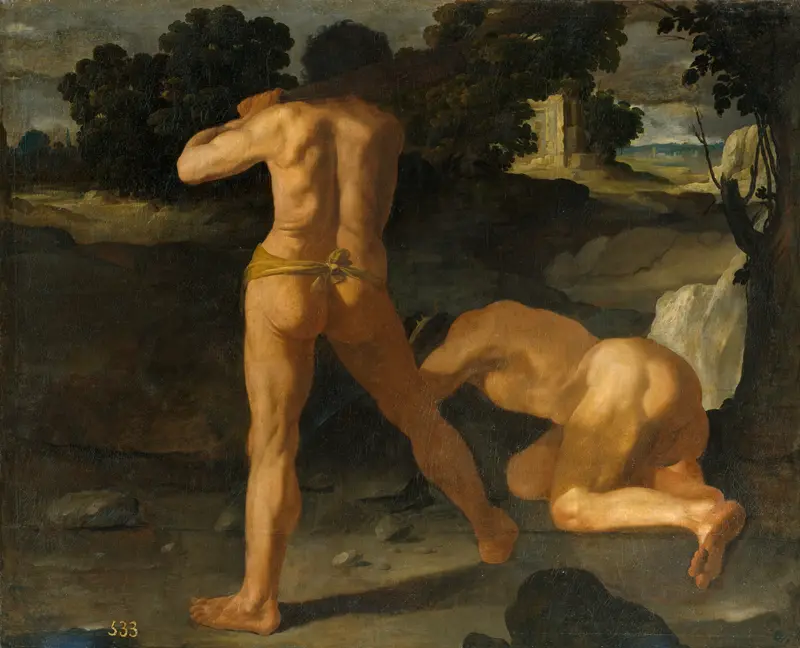
Hercules defeats King Geryon
Francisco de Zurbarán
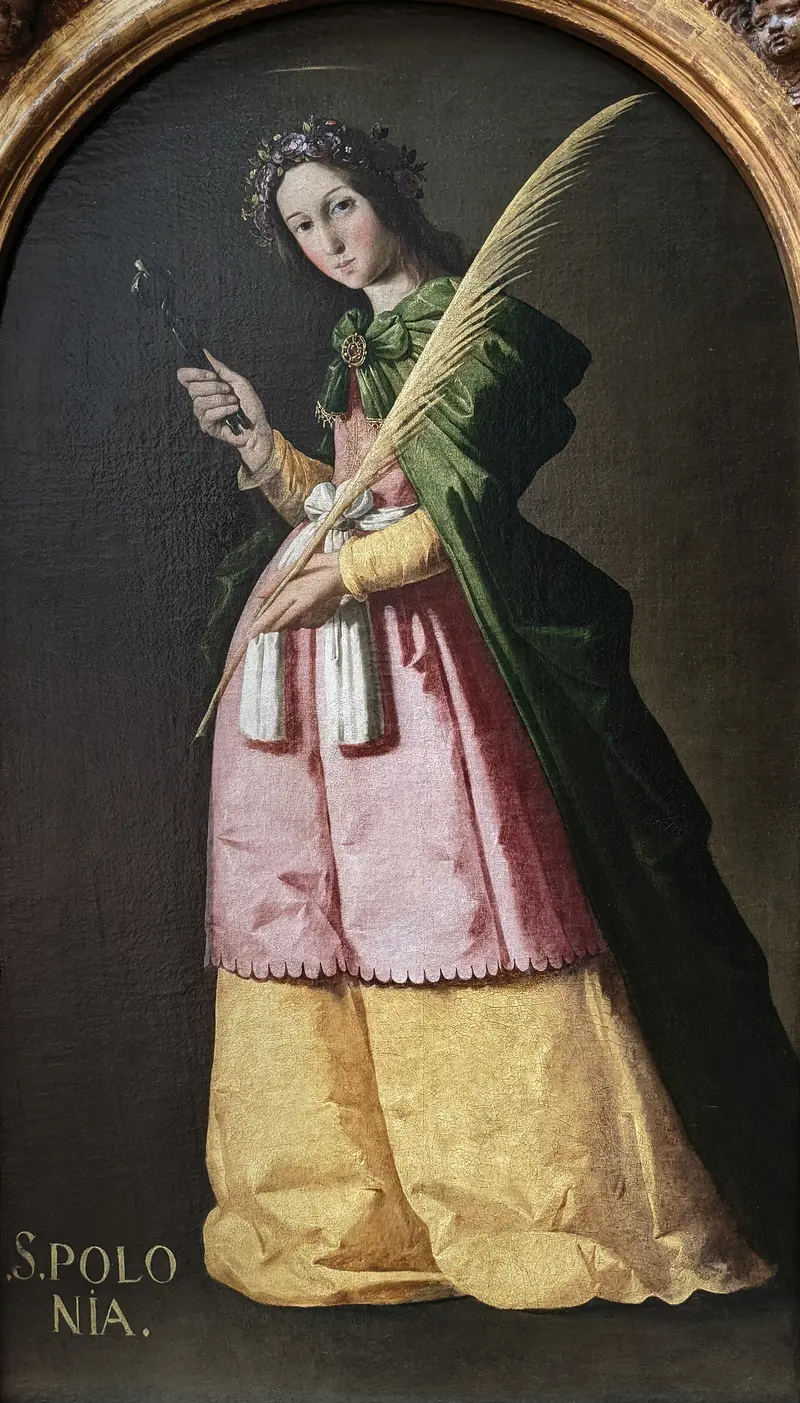
Saint Apollonia
Francisco de Zurbarán
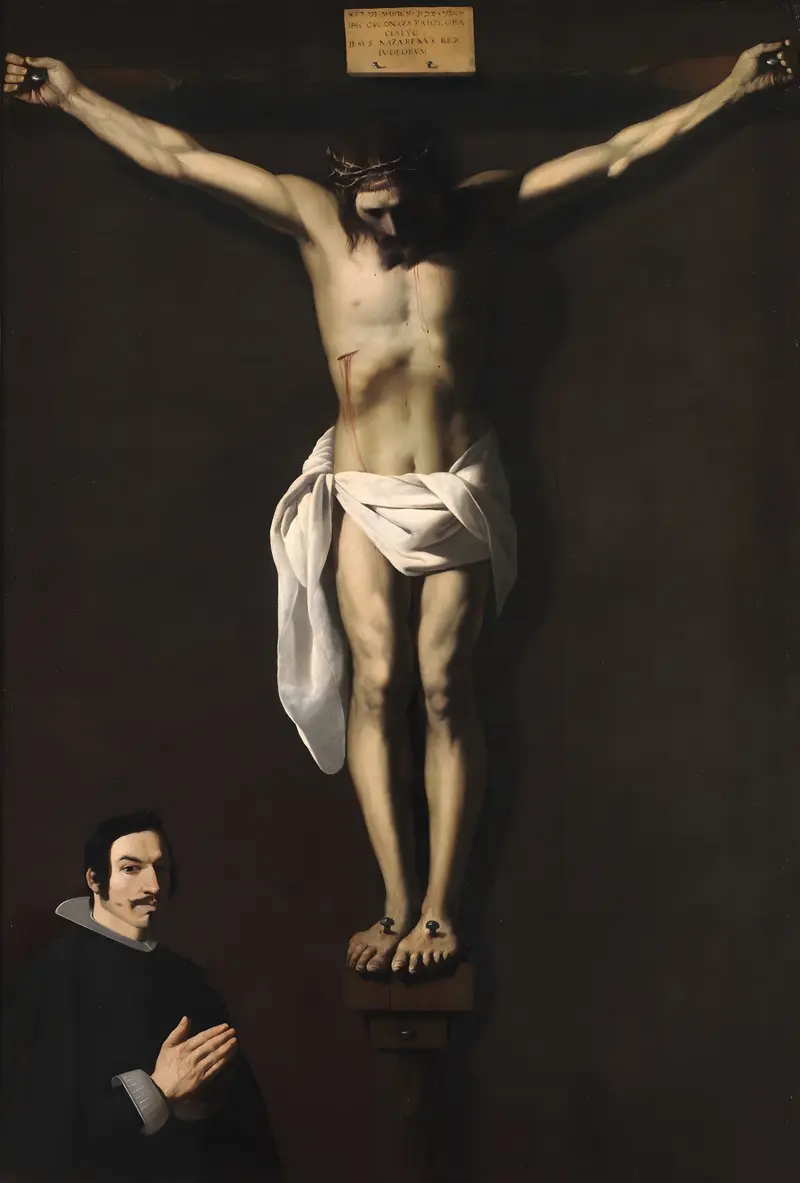
The Crucified Christ with a Donor
Francisco de Zurbarán
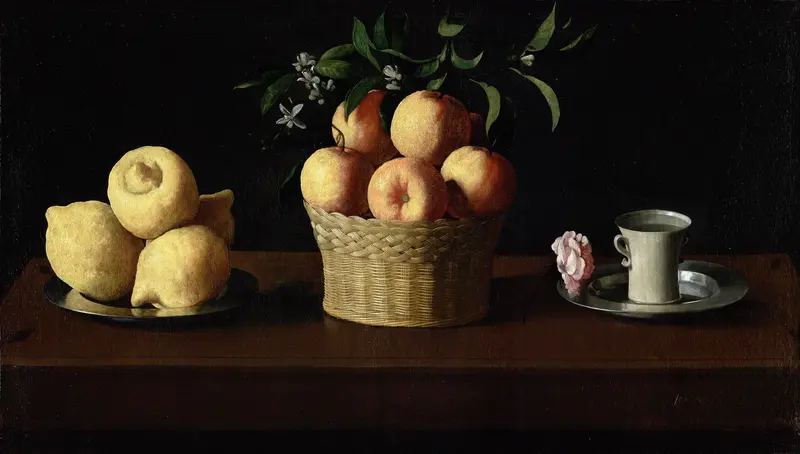
Still Life with Lemons, Oranges and a Rose
Francisco de Zurbarán
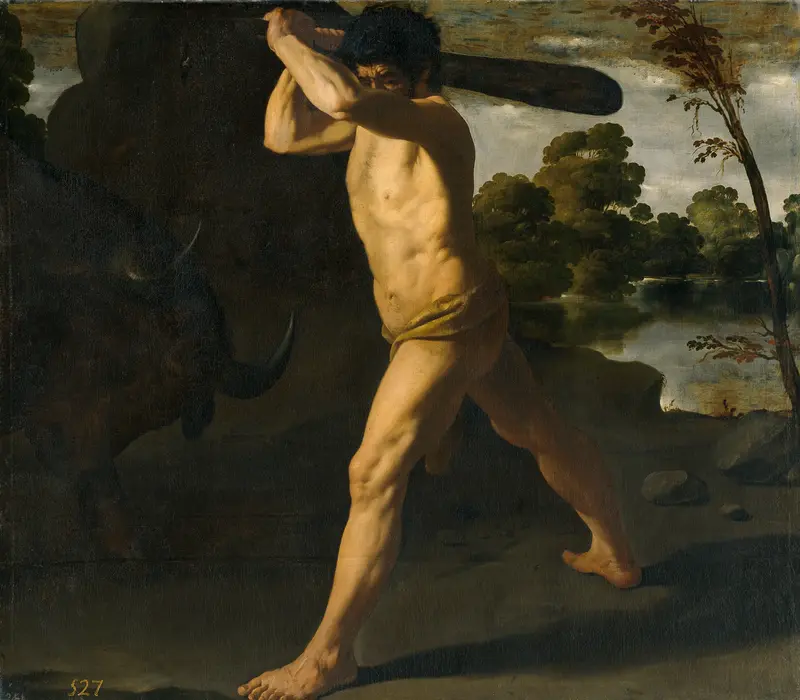
Hercules and the Cretan Bull
Francisco de Zurbarán





