
Friar Pedro Wrests the Gun from El Maragato — History & Facts
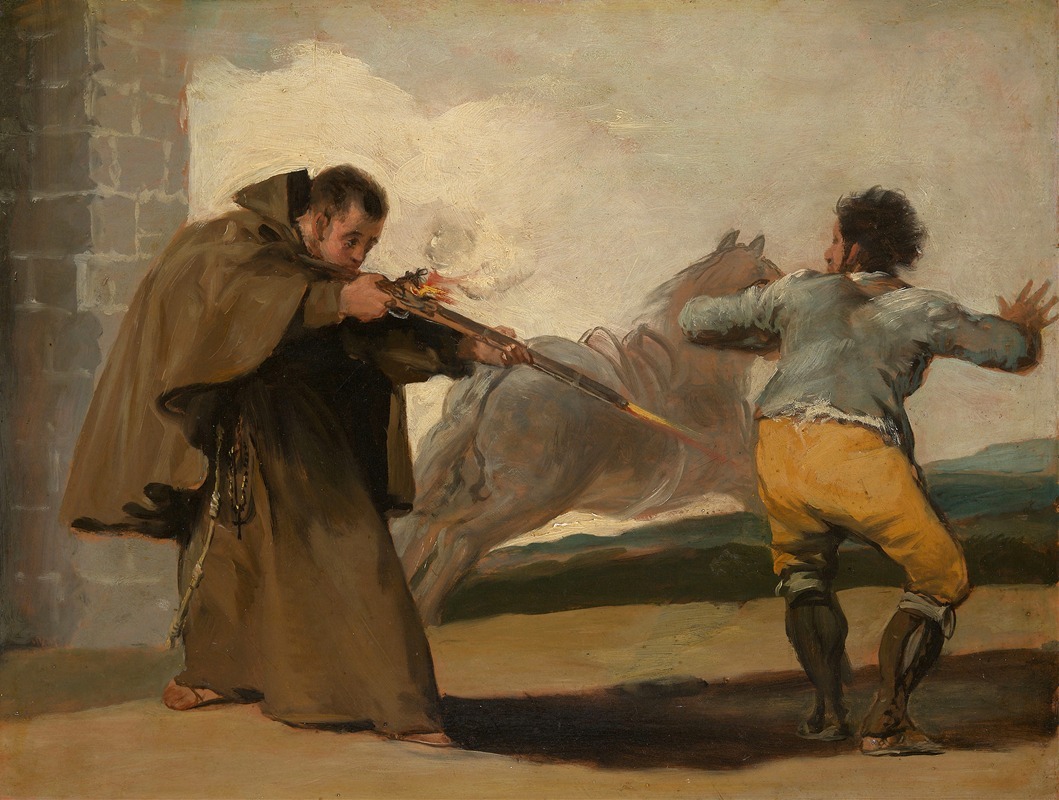
Where does light end, and longing begin? In the midst of revolution, the struggle for power illuminates both the heart and the canvas. Look closely at the right side of the composition, where the friar's resolute expression catches the light, accentuating the tension in his brow. Notice how the dark hues envelop El Maragato, his defeated posture contrasting sharply with the intensity surrounding the friar. The painter employs chiaroscuro to enhance drama — the play of light and shadow not only defines their physical forms but also mirrors the moral conflicts at hand.
The rugged texture of their garments adds a visceral quality, drawing you into the immediacy of the confrontation. Delve into the subtleties: the friar's grip on the gun speaks to a moment of claiming agency amidst turmoil, while the defeated figure embodies the weight of oppression. The shifting dynamics hint at a deeper struggle — faith battling against tyranny, a metaphor for societal change. The paleness of the friar’s attire juxtaposed with the dark, oppressive shadows surrounding El Maragato evokes the uneasy tension of a world on the brink of transformation, where righteousness is often shadowed by violence. In 1806, Goya was in Spain, grappling with the uncertainties of a nation in upheaval.
The artist was deeply involved in the artistic dialogues of his time while witnessing the stirrings of revolution that would lead to the Peninsular War. This climate of political unrest and personal strife profoundly influenced his work, embedding a sense of urgency and introspection that resonates in this piece, capturing a pivotal moment in both history and the artist’s evolution.
More Artworks by Francisco de Goya
Browse all →
The Third of May 1808
Francisco de Goya

De slaap van de rede brengt monsters voort
Francisco de Goya

The Charge of the Mamelukes (1814)
Francisco de Goya
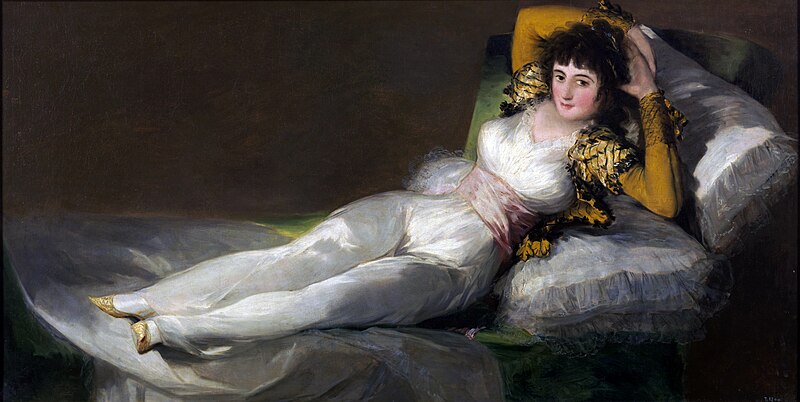
La maja vestida
Francisco de Goya

La maja desnuda
Francisco de Goya
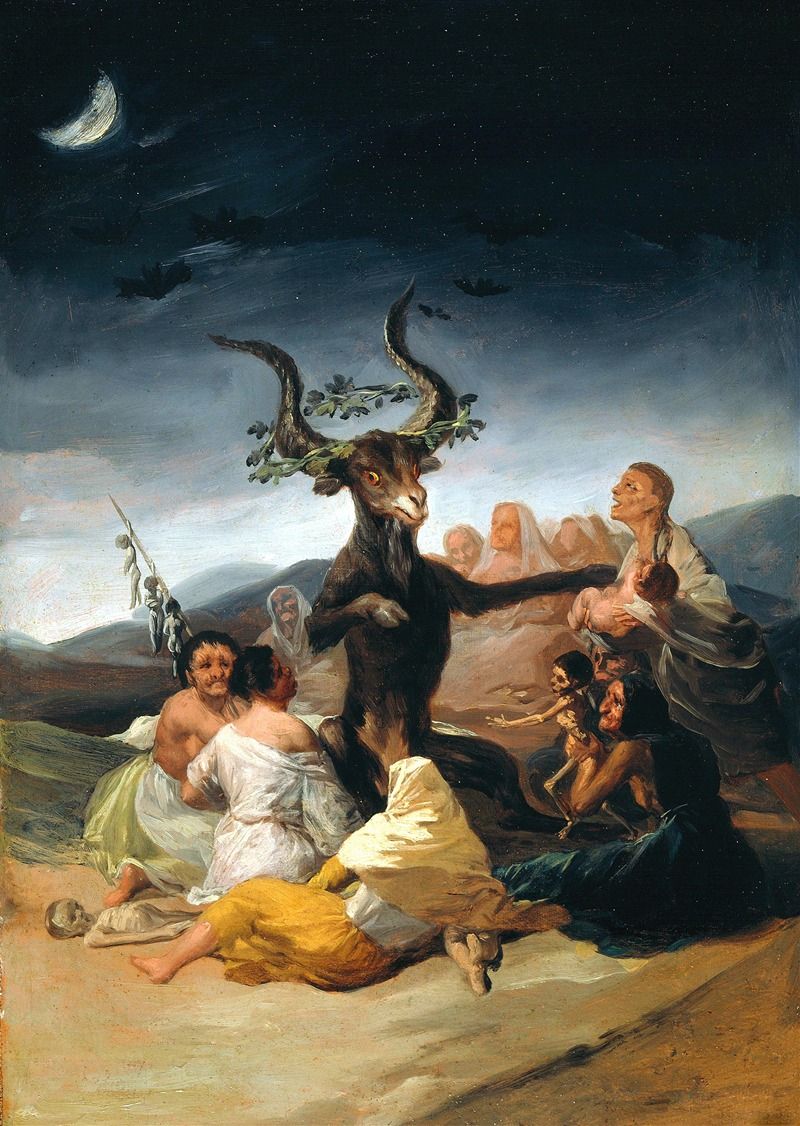
The Sabbath of witches
Francisco de Goya
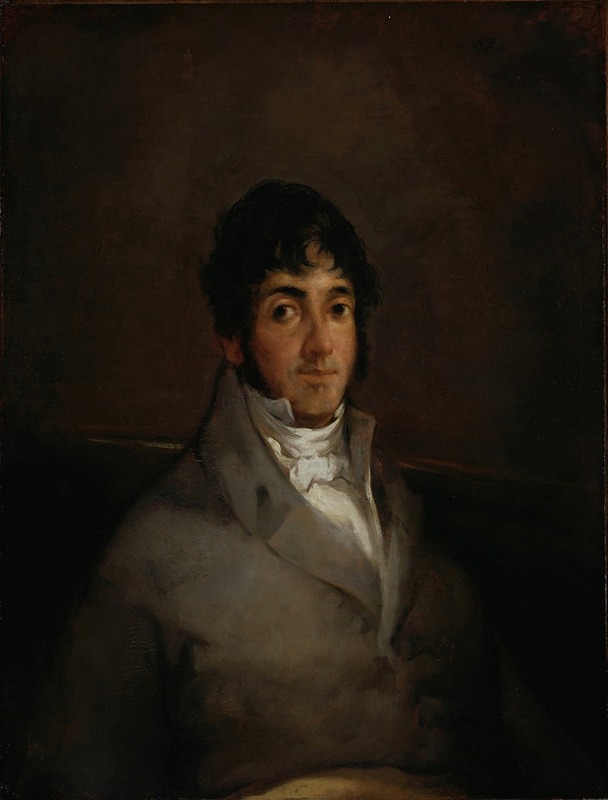
Portrait of Isidoro Maiquez
Francisco de Goya
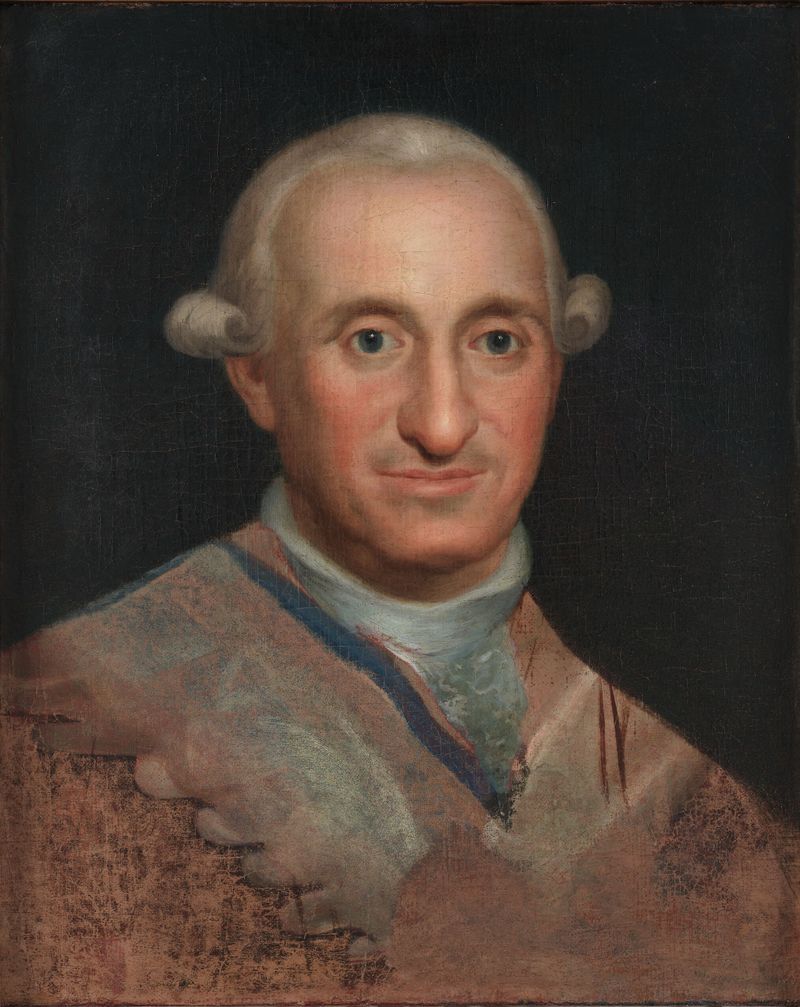
Charles IV, King of Spain
Francisco de Goya
Bartolomé Sureda y Miserol
Francisco de Goya
Friar Pedro Shoots El Maragato as His Horse Runs Off
Francisco de Goya
More Historical Art
Browse all →
The Night Watch Militia Company of District II under the Command of Captain Frans Banninck Cocq
Rembrandt van Rijn

Lincoln Memorial
Henry Bacon
The Third of May 1808
Francisco de Goya

Isaac and Rebecca, Known as ‘The Jewish Bride’
Rembrandt van Rijn
The Charge of the Mamelukes (1814)
Francisco de Goya

De vier ruiters van de apocalyps
Albrecht Dürer